

Under a vast Montana sky, where the Milky Way unfurls like a river of light, a group of hikers pauses at midnight. No smartphones glow in their hands. Instead, they huddle over yellowed nautical charts and brass instruments, plotting a course by the moon’s arc and Polaris’s steadfast gleam. This is celestial navigation, the ancient art of finding one’s way using only the stars, planets and sun. Once the domain of sailors crossing oceans, it is enjoying a quiet renaissance among outdoor enthusiasts seeking respite from digital overload. In an era dominated by GPS pings, these stargazers embrace the deliberate slowness of plotting positions from heavenly bodies, turning navigation into a meditative ritual that reconnects them with nature’s grand clockwork.
Reviving an Age-Old Skill

Celestial navigation traces its lineage to Polynesian voyagers who traversed the Pacific without compasses, reading swells and constellations as intuitively as we check maps today. European explorers like Captain James Cook refined it in the 18th century, using rudimentary sextants to measure angles between celestial objects and the horizon. Fast forward to the 21st century, and a backlash against constant connectivity has sparked interest. Workshops hosted by astronomy clubs from Maine to California draw crowds weary of screen fatigue. Participants describe the practice not as survival training, but as a wellness pursuit, fostering presence amid the cosmos.
Escaping the GPS Trap

Smartphones have made getting lost rare, yet they have eroded our innate sense of direction. Studies from the University of London suggest heavy GPS reliance atrophies spatial awareness, much like calculators diminish mental math. Celestial navigation counters this by demanding acute observation: noting the sun’s shadow at noon or a star’s meridian passage. Hobbyists report a profound shift; one Pacific Northwest trekker likened it to “unplugging from the matrix.” Without satellites, the sky becomes the ultimate authority, instilling humility and sharpening focus in ways apps never could.
Essential Gear for Starlit Journeys
You don’t need a ship’s bridge to start. A basic sextant, available online for under $200, measures celestial altitudes. Pair it with nautical almanacs listing daily positions of sun, moon, planets and 57 navigational stars. A chronometer—often just a reliable watch set to UTC—timestamps sightings. Free apps like Stellarium aid practice, but purists shun them during sessions. Waterproof notebooks capture raw data: time, angle, body observed. This minimalist kit fits a backpack, turning any clear night into a classroom.
Mastering the Sight Reduction

The math seems daunting at first: convert observed altitudes to lines of position via spherical trigonometry. Yet online calculators and books like “Celestial Navigation” by Anna Shpeshkalova demystify it. Plot three sightings—say, Venus, Jupiter and the sun—and their intersection reveals your latitude and longitude within a mile. Beginners often join coastal sailing schools where instructors demonstrate noon sights, when the sun crosses the meridian. Precision matters; a one-degree error equals 60 nautical miles. But the reward is electric: confirming your spot on Earth from pure sky data.
Mindfulness Meets the Meridian
In the spirituality and wellness sphere, celestial navigation aligns with trends like forest bathing and yoga retreats. It quiets the mind’s chatter, requiring sustained attention to horizon and heavens. Practitioners speak of “star time,” a flow state where worries dissolve under Orion’s belt. Research from the Journal of Environmental Psychology links night-sky exposure to reduced cortisol levels, enhancing emotional resilience. For middle-aged adventurers, it’s therapy without the couch: confronting infinity recalibrates perspective, making daily stresses feel trivial.
Real-World Wanderers Share Tales

Take Emily Hargrove, a 52-year-old teacher from Vermont, who took up celestial navigation after a divorce. On Appalachian Trail side quests, she navigates by Arcturus and Spica, finding solace in their predictability. “GPS is a crutch; stars teach trust,” she says. Similarly, veteran boater Marcus Hale sails the Great Lakes gadget-free, crediting the hobby with reigniting his sense of wonder. Forums like the Usenet group alt.astrology.nav buzz with such stories, from desert trekkers in Utah to backpackers in New Zealand, proving its global appeal.
Overcoming Nighttime Hurdles

Clouds and light pollution pose real barriers. Urbanites drive hours to dark-sky preserves, designated by the International Dark-Sky Association (darksky.org). Weather apps predict clearings, but patience is key—sessions often span hours. Motion sickness on boats complicates sightings; hikers prefer stable ground. Yet these obstacles build resilience, mirroring life’s unpredictability. Communities mitigate isolation through meetups, where novices learn from veterans under shared canopies of stars.
Blending Tech and Tradition

Purists debate hybrids: using tablets for almanac data while hand-plotting fixes. Devices like the Davis Mark 15 sextant integrate LED lights for low visibility. Still, the ethos remains analog, prioritizing human calculation over algorithms. Astronomy apps like SkySafari complement learning without supplanting it. This balance appeals to wellness seekers who want progress tracking—apps log sessions—without full digital surrender.
Building a Stargazing Community
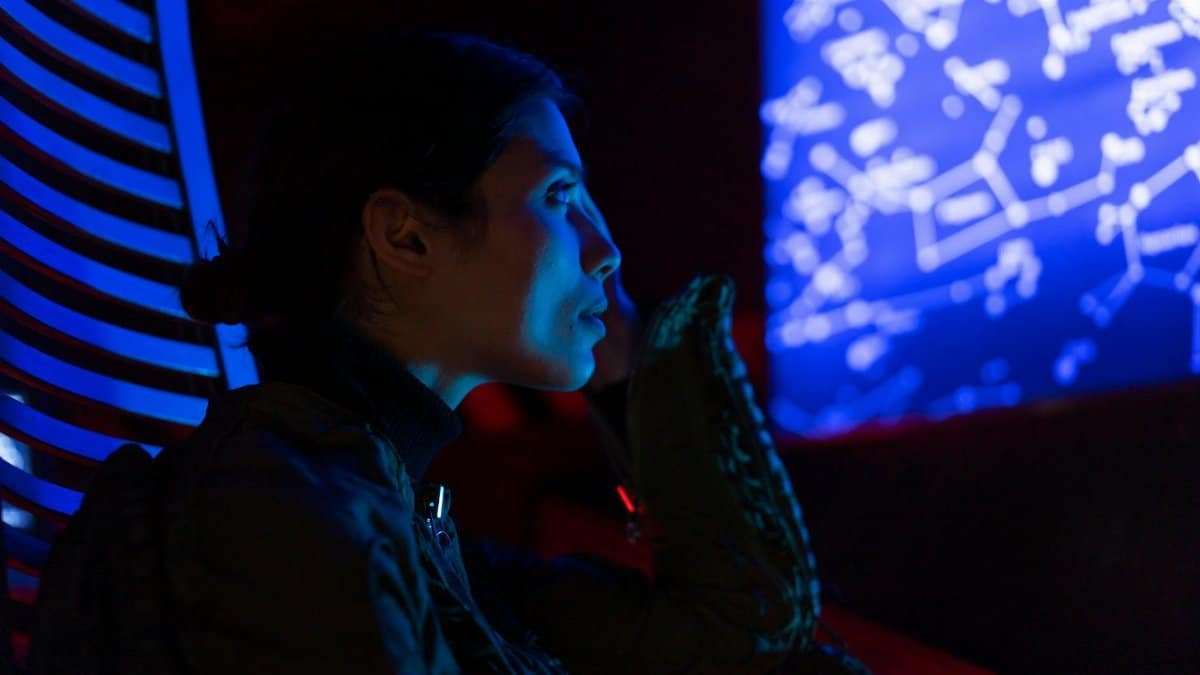
Clubs like the American Association of Variable Star Observers host celestial navigation nights, blending hobbyists with astronomers. Online platforms such as Reddit’s r/celestialnavigation foster tips and triumphs. Annual events, including the Seattle Celestial Navigation Workshop, draw hundreds. These gatherings emphasize camaraderie, with potlucks under the Pleiades. For solo types, journals become confidants, chronicling personal growth alongside longitude lines.
The Wellness Horizon Ahead
As burnout rises—CDC data shows 40% of U.S. workers affected—celestial navigation offers an antidote. Mental health experts predict its rise alongside analog hobbies like vinyl collecting. Schools experiment with it in outdoor education, nurturing spatial literacy early. For now, it thrives on wilderness edges, where tech signals fade and the universe whispers directions. In rediscovering this skill, enthusiasts don’t just find their way; they rediscover themselves, one star at a time.