
Beneath the waves lie forgotten metropolises, swallowed by time, tides, and cataclysms. These underwater cities challenge everything we know about ancient civilizations, hinting at advanced societies lost to rising seas or sudden disasters. From stepped pyramids off Japan to sprawling harbors near Alexandria, marine archaeologists are piecing together their stories with sonar scans and submersible dives. Here are seven that continue to baffle experts, raising questions about technology, trade, and why they vanished.
Yonaguni Monument, Japan: Pyramid or Natural Rock?
Off Japan’s Yonaguni Island, divers in 1987 spotted massive stone structures at 80 feet deep—terraced platforms, staircases, and what looks like a ziggurat spanning 50 acres. Some call it a 10,000-year-old city built by a lost Pacific culture; skeptics say erosion carved natural sandstone. Professor Masaaki Kimura of Ryukyu University argues for human hands, citing precise 90-degree angles and carvings resembling animals. Recent LIDAR scans fuel the debate: tool marks or tricks of geology? Either way, it predates known Japanese settlements, upending timelines.
Dwarka, India: Krishna’s Sunken Kingdom
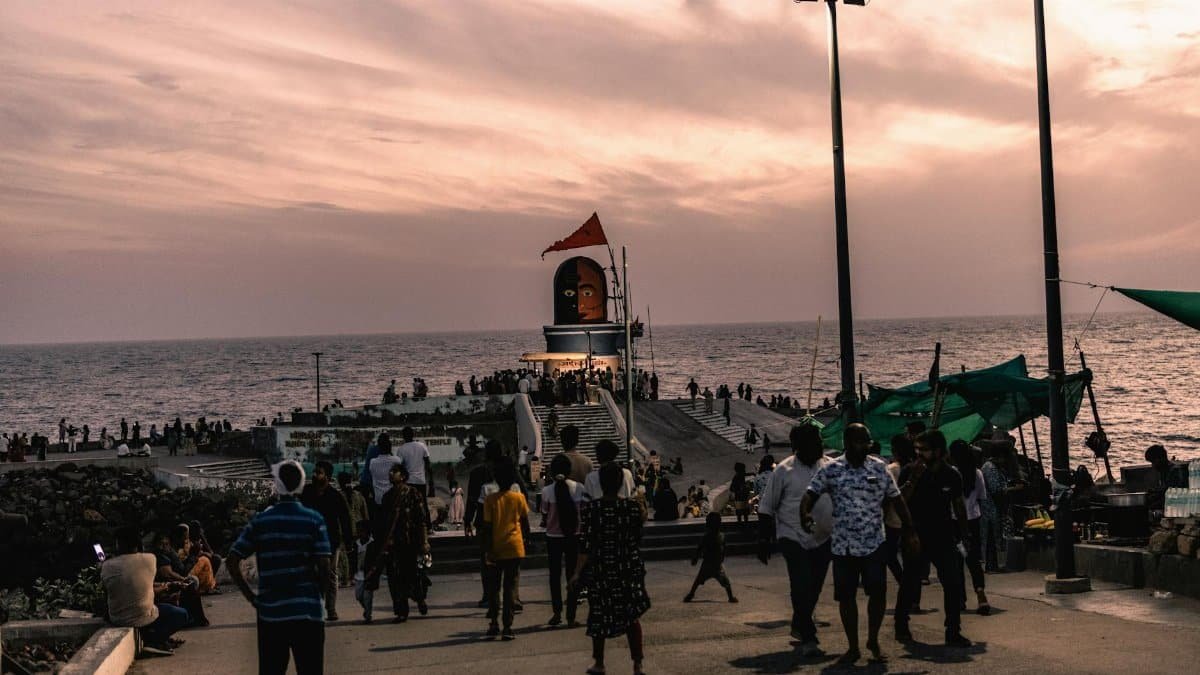
In the Gulf of Khambhat, sonar revealed a 9,500-year-old city off modern Dwarka—grids of walls, bastions, and anchors etched in stone at 120 feet down. Hindu epics describe Lord Krishna’s glittering capital plunging into the sea; excavations by the National Institute of Oceanography unearthed pottery and sculptures matching the lore. Carbon dating hits the mesolithic era, suggesting maritime prowess millennia before the pyramids. Storms and quakes likely doomed it around 1500 BCE, but why such sophistication so early? Archaeologists like S.R. Rao hail it as India’s Atlantis.
Thonis-Heracleion, Egypt: Cleopatra’s Gateway Vanished
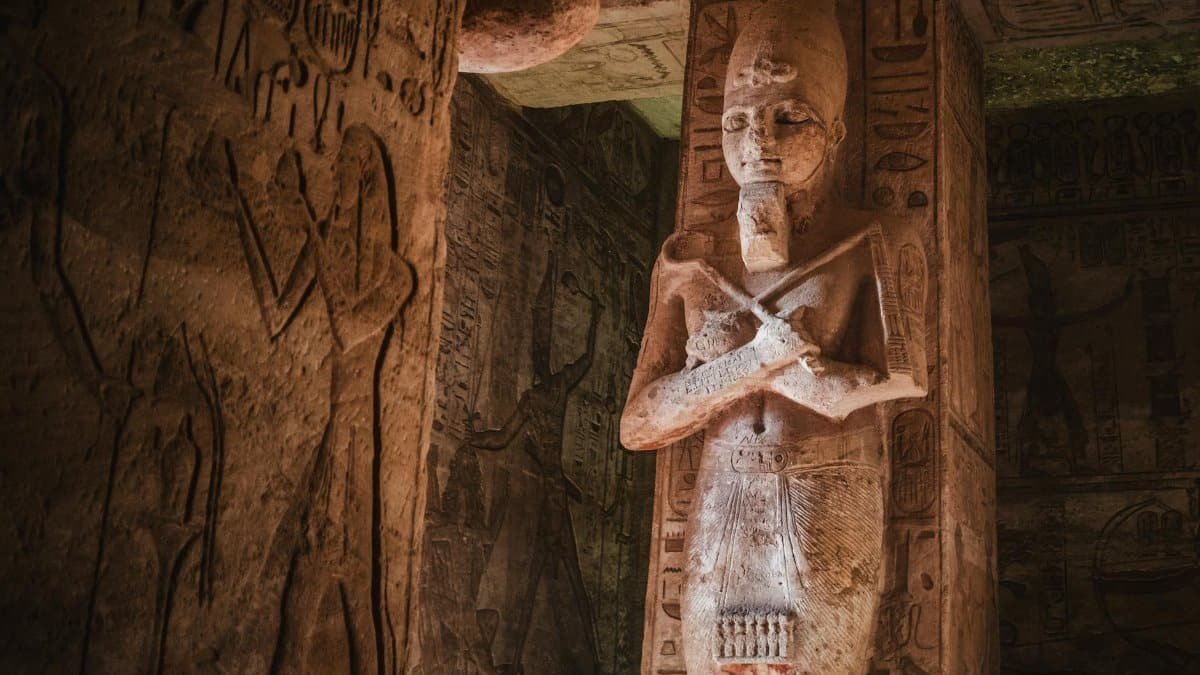
Near Abu Qir Bay, French explorer Franck Goddio uncovered this 2,500-year-old port in 2000—120-foot statues of pharaohs, 64 ships, and gold coins littering the seabed. Once Alexandria’s rival, it thrived as a Nile Delta trade hub until subsidence and liquefaction sank it by the 8th century AD. Over 700 anchors and temple ruins confirm its role in Ptolemaic commerce. Marine archaeologist Dominic Montserrat notes inscriptions linking it to Herodotus’s tales. Earthquakes? Rising seas? The why remains murky, a watery tomb for ancient Egypt’s elite.
Pavlopetri, Greece: Europe’s Oldest Submerged Town
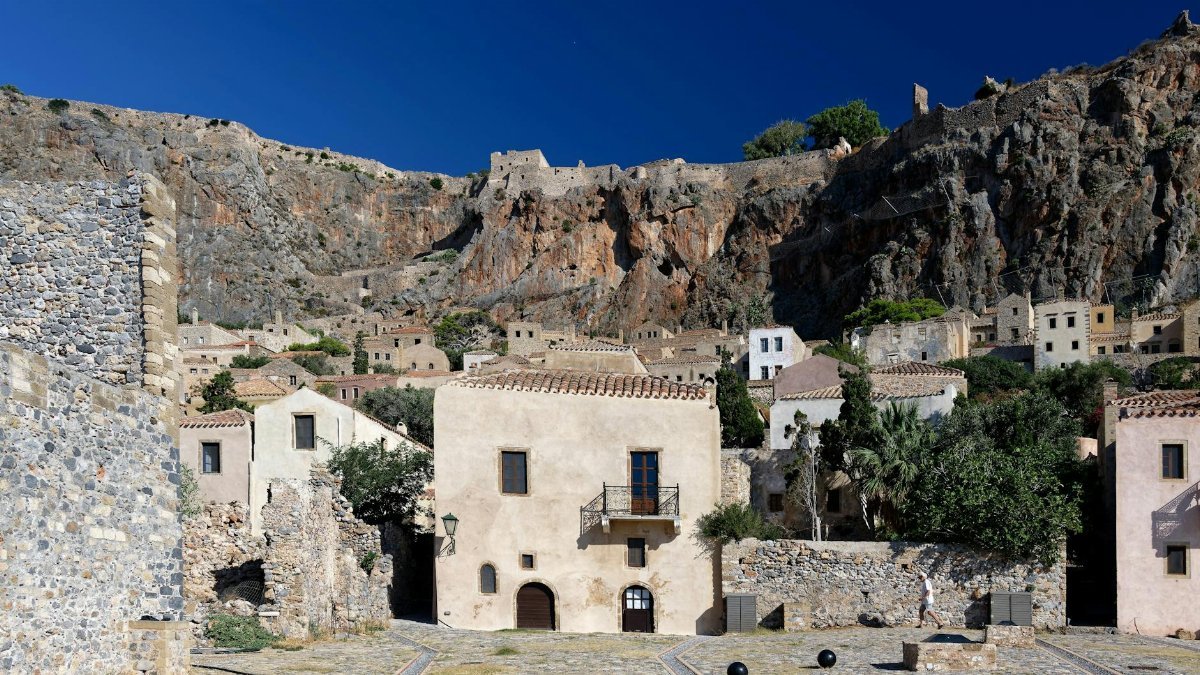
In Greece’s Laconia Gulf, a 5,000-year-old Mycenaean settlement sprawls across three acres at 10 feet deep—streets, homes, tombs, and sewers intact since 3000 BCE. Discovered in 1967, high-res 3D mapping by the University of Nottingham in 2011 revealed a planned city predating the Iliad by centuries. Its sudden burial under sediment suggests a mega-tsunami, not war. No skeletons, just everyday pottery. Experts like Dr. Jon Henderson puzzle over its advanced plumbing—rivals to Minoans. A time capsule of Bronze Age life, frozen mid-stride.
Baiae, Italy: Nero’s Underwater Playground

South of Naples, this Roman resort town—playground for emperors like Julius Caesar—slipped below the waves from volcanic bradyseism, ground slowly sinking over centuries. At 20 feet, mosaics, villas, and statues gleam amid reefs; Caligula’s Nymphaeum barge floats ghostly nearby. UNESCO-protected since 2002, divers catalog 1st-century baths and frescoes via ROVs. Archaeologist Antonio de Simone traces its fall to Campi Flegrei’s unrest. Part luxury spa, part sin city, Baiae whispers of hedonism submerged, luring modern tourists to its ruins.
Port Royal, Jamaica: Pirate Haven’s Boozy Demise

Dubbed the “wickedest city on Earth,” this 17th-century buccaneer boomtown housed 6,500 souls, 2,000 brothels, and Blackbeard’s crew. A 1692 earthquake and tsunami dropped it 33 feet into Kingston Harbor in two minutes, killing 2,000. British divers in the 1960s salvaged silver cutlery, pistols, and syringes from the muck—80% of the city preserved. NIOP head Robert Marx called it a pirate Pompeii. X-rays reveal lead shot and rum bottles. Was it divine wrath or geology? Its sudden sink tests tales of vice punished.
Shi Cheng, China: The Lion City’s Thousand-Year Slumber
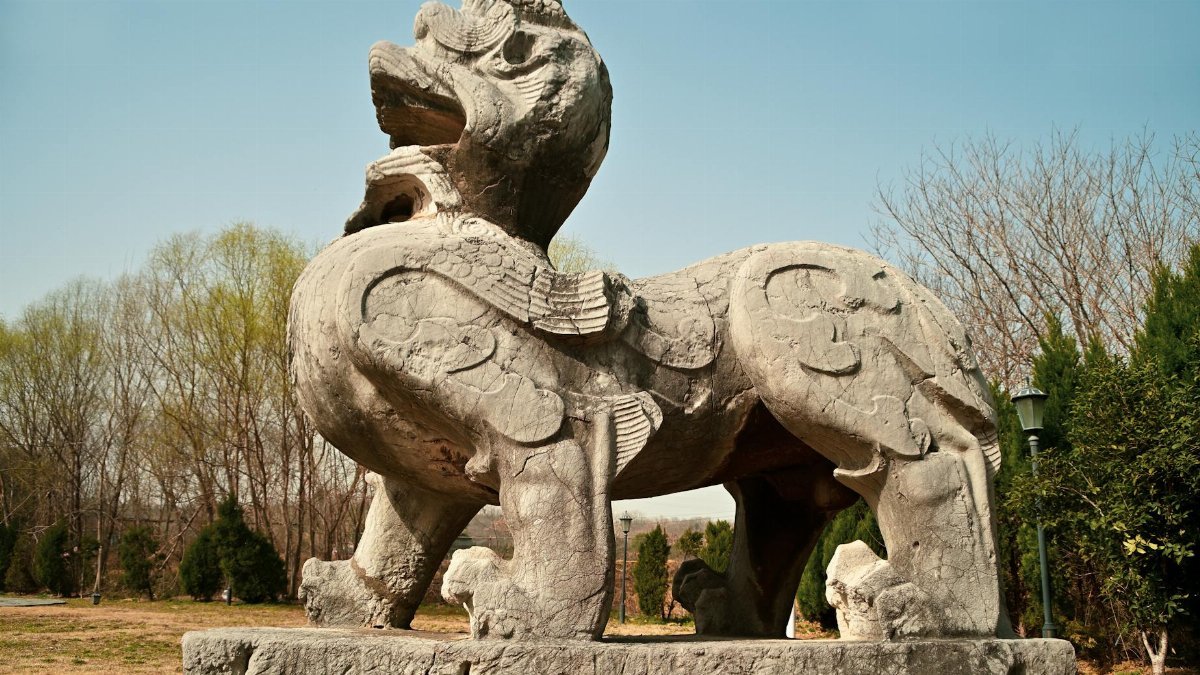
In 2001, divers dove into Qiandao Lake and found Shi Cheng, drowned in 1959 for a hydroelectric dam—yet its origins stretch to 208 AD. Pagodas, dragons, and pavilions etched in quartz sandstone stand eerily at 130 feet, walls intact from the Eastern Han dynasty. Government scans show 34-hectare streets and a “Lion City” gate. Locals fled with myths of curses; archaeologists marvel at corrosion-resistant stone. A modern Atlantis, it blends ancient engineering with 20th-century hubris, beckoning tech-savvy explorers today.
These underwater cities defy easy answers, from Ice Age tech to imperial excess. As sea levels rise and tech like multibeam sonar advances, more secrets surface. Marine archaeologists warn: our coastal past mirrors climate peril ahead. What else lurks below?