

In the dim glow of a Seattle smartphone screen last month, Sarah Jenkins, a 42-year-old nurse finishing a graveyard shift, tapped open her DoorDash app for a quick post-work burrito. The subtotal promised relief at $14. But as the cart finalized, a new line jumped out: a $5 “regulatory fee” tacked on alongside taxes and tip. Her total doubled. Jenkins canceled the order, one of thousands in a city where delivery volumes have plunged 30 percent since new minimum wage rules took effect. This is the fallout from doordash regulatory fees, a direct retaliation by apps like DoorDash and Uber Eats against local mandates aimed at boosting driver pay. What began as a progressive push for fair wages has instead inflated costs, alienated customers, and left many gig workers earning less amid fewer orders.
Seattles Bold Minimum Wage Gamble

Seattle’s city council made headlines in 2024 with Americas most aggressive gig worker protections, mandating a $26.47 hourly minimum for app-based drivers by mid-2025. Proponents hailed it as a moral victory over exploitative platforms, drawing from studies on income inequality. Yet early data paints a different picture. Delivery app orders cratered immediately after implementation, with DoorDash reporting a 25 percent drop in the first quarter. The policy, intended to lift drivers out of poverty, inadvertently squeezed the market they depend on. As one city analyst noted, higher mandated pay doesnt create more demand; it just passes costs downstream.
The Rise of the Regulatory Fee

Enter the doordash regulatory fees: a creative surcharge introduced by DoorDash and Uber Eats explicitly to offset the wage hikes. Labeled as compliance costs with government mandates, these fees started at $2 per order and ballooned to $5 in high-impact zones like Seattle. Company executives framed it as transparency, arguing the charges reflect real expenses from new labor rules. Critics call it a sleight of hand, shifting the burden to consumers while drivers see minimal net gains. In app fine print, the fees are non-negotiable, appearing post-subtotal to maximize psychological friction.
Drivers on the Front Lines: Real Earnings Exposed

Have the rules helped those they target? A recent analysis from the University of Washingtons Evans School of Public Policy, available at this link, reveals drivers gross pay rose modestly, but after accounting for fewer orders and longer wait times between gigs, take-home income fell by up to 15 percent for many. Veteran courier Jamal Ruiz, whos dashed for three years, shared in a local forum: “I used to pull five hours of steady runs. Now its dead afternoons, and that fee kills tips.” The fees, while labeled regulatory, dont flow back to drivers; they pad platform margins.
Customer Fury Ignites Financial Rage

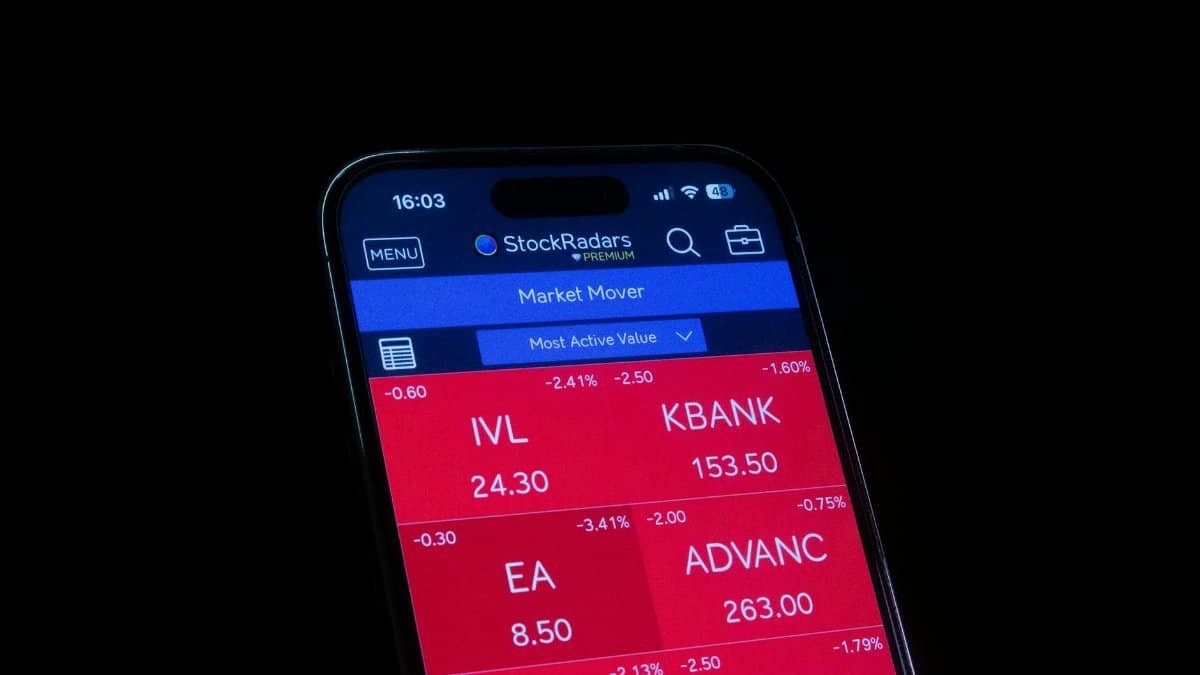
Consumers havent taken the hit quietly. Social media brims with screenshots of $20 salads ballooning to $35 under doordash regulatory fees, sparking hashtags like #BoycottDoorDash and #FeeRevolt. Order volumes in Seattle dropped 32 percent year-over-year per city data, with independents like Uber Eats faring no better. Middle-class families, already stretched by inflation, view the fees as punitive. One viral thread on Reddit tallied average order costs up 40 percent, turning occasional treats into luxuries. This backlash echoes broader financial rage, where everyday indulgences become symbols of regulatory overreach.
Economic Ripples Beyond the App
The fees dont stop at individual wallets; theyre reshaping Seattles economy. Restaurants report 20 percent fewer delivery orders, forcing layoffs among kitchen staff who relied on app volume. A report from the Seattle Restaurant Association, accessible here, projects $150 million in lost revenue citywide. Small businesses, once buoyed by DoorDash partnerships, now pivot to ghost kitchens or in-house delivery, diluting the very ecosystem the apps built. Meanwhile, platforms thrive: DoorDashs third-quarter earnings surged 18 percent nationally, untouched by local woes.
Lessons from Other City Crackdowns
Seattle isnt alone. New York City faced similar pushback after its 2023 pay rules, where Uber Eats rolled out tiered regulatory fees averaging $4. Orders dipped 22 percent before stabilizing at higher prices. San Franciscos pilot program yielded comparable results: driver participation fell, fees rose, and consumer spending shifted to grocers. A comparative study by the Mercatus Center at George Mason University, found here, concludes such mandates reduce platform efficiency without proportional wage benefits. Doordash regulatory fees have become the standard playbook.
Platforms Play the Long Game

DoorDash and Uber Eats arent passive victims. Lobbying records show millions spent influencing policy, including ballot measures to repeal wage laws. In Seattle, the companies hiked fees while subsidizing driver bonuses selectively, maintaining loyalty amid chaos. CEO Tony Xu defended the strategy in a recent earnings call: “These are pass-through costs from misguided regulations.” Analysts predict further escalation, with dynamic pricing tying fees to local ordinances. Its a high-stakes chess match, where apps leverage scale to outlast municipal experiments.
The Spiritual Cost of Regulatory Zeal

Amid the numbers lies a deeper unease, fitting for trends in spiritual reflection. Many Seattleites describe a gnawing financial rage, a sense of betrayal when apps once promising convenience now extract penance for progressive ideals. Meditation apps report spikes in stress-related searches tied to delivery woes; local yoga studios host “abundance workshops” unpacking gig economy karma. This isnt mere economicsits a collective soul-search, questioning whether good intentions justify eroded trust and fractured routines. In a city of tech idealists, the fees symbolize hubris unchecked.
Policy Makers Grapple with Backfire

City hall faces mounting pressure. Councilmember Kshama Sawant, the laws architect, defends it as necessary disruption, but even allies whisper of tweaks. A proposed fee cap stalled amid lawsuits from platforms claiming preemption under state law. Voters, polled at 58 percent regret in a recent KING-5 survey, demand balance. As doordash regulatory fees proliferate, lawmakers nationwide watch: Will Seattle double down or dial back?
Alternatives Emerging in the Void

With apps retreating, alternatives bloom. Community co-ops like Eat Local PDX deliver sans fees, partnering directly with restaurants. Unionized fleets promise stable pay without mandates. Tech startups experiment with blockchain tipping to bypass platforms. Yet scale remains king; DoorDash holds 67 percent market share. For now, these niches fill gaps but lack the seamlessness that hooked millions.
Toward a Balanced Gig Future

Reform beckons. Experts advocate hybrid models: subsidies for low-income drivers paired with fee transparency and order minimums to sustain volume. The original Reason.com piece detailing Seattles saga,viewable here, urges data-driven tweaks over ideology. As doordash regulatory fees etch deeper into apps nationwide, the debate sharpens: Protect workers without punishing everyone else?
In this evolving standoff, Seattle offers a cautionary tale. Delivery remains vital, but at what price to fairness, affordability, and the quiet dignity of a late-night meal?
By Natasha Weber