
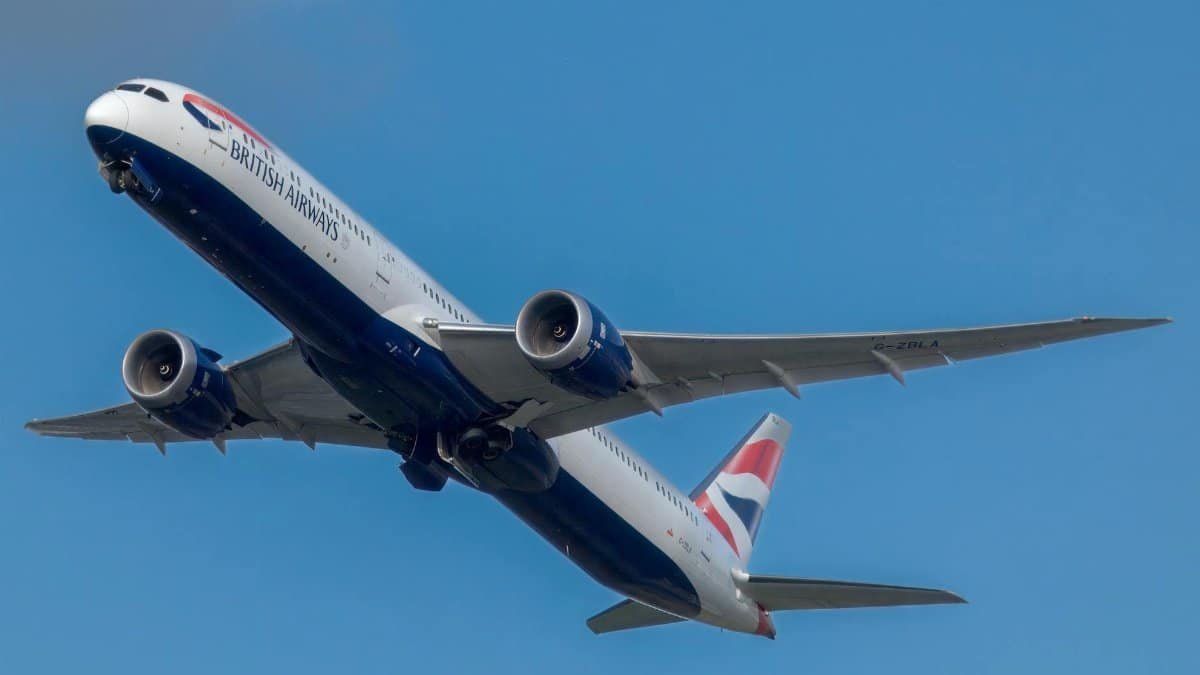
As airlines gear up for 2026, a set of transformative forces is poised to reshape how carriers operate and connect with passengers. According to a recent analysis from WNS, the standout airline industry trends 2026 include intelligent retailing powered by personalized offers, AI-driven operations for streamlined efficiency, a fresh take on loyalty programs, and bold sustainability initiatives. In a cutthroat competitive landscape, these shifts are fueling profound change, as airlines harness data-driven decisions to not only survive but thrive. The result? Smoother passenger experiences and greater operational resilience that could redefine air travel for years to come.
Thriving in a Fiercely Competitive Landscape

The airline sector has long been a battleground of razor-thin margins and shifting demands, but the path to 2026 demands more than survival tactics. WNS highlights how these core airline industry trends 2026 are accelerating transformation, pushing carriers to differentiate themselves amid intensifying rivalry. Airlines aren’t just reacting to market pressures; they’re proactively evolving, using these trends to carve out advantages that extend from booking to touchdown. This competitive edge comes from rethinking every touchpoint, ensuring that efficiency and innovation become table stakes for staying aloft.
Intelligent Retailing: The New Frontier of Personalization

At the heart of these shifts lies intelligent retailing, a trend that’s turning one-size-fits-all pricing into bespoke journeys. Personalized offers are emerging as a game-changer, allowing airlines to tailor fares, upgrades, and ancillaries based on individual traveler profiles. Imagine a frequent flyer receiving a nudge for a preferred seat or lounge access right at booking— that’s the promise. By leveraging data insights, carriers can boost revenue without alienating customers, making every interaction feel custom-built. This approach isn’t just smarter selling; it’s a direct response to passengers craving relevance in a crowded market.
AI-Powered Operations: Efficiency Redefined

Behind the scenes, AI is quietly revolutionizing how airlines run their empires. AI-powered operations promise unprecedented efficiency, from predictive maintenance that spots issues before they ground planes to dynamic crew scheduling that minimizes delays. In an industry where minutes translate to millions, these tools sift through vast datasets to optimize routes, fuel use, and even baggage handling. The payoff is operational resilience that weathers disruptions like weather or supply chain hiccups. Airlines adopting this tech aren’t just cutting costs; they’re building a more reliable network that keeps flights on time and passengers happy.
Reinventing Loyalty Programs for the Modern Traveler

Loyalty programs, once simple point accumulators, are getting a radical overhaul. The reinvention trend focuses on making rewards more meaningful and flexible, tying them closely to personalized experiences. Think tiered perks that evolve with traveler habits, or partnerships that extend benefits beyond the airport—perhaps seamless hotel bookings or ride shares. Data-driven decisions here ensure programs reward true engagement, fostering stickier customer relationships. In a landscape where switching carriers is easy, this evolution turns casual flyers into devoted advocates, strengthening airlines’ competitive moats.
Sustainability Initiatives: Greening the Skies

No discussion of airline industry trends 2026 would be complete without sustainability initiatives taking flight. Carriers are ramping up efforts to reduce emissions and waste, driven by regulatory pressures and passenger expectations. This includes everything from sustainable aviation fuels to optimized flight paths that shave carbon footprints. These moves enhance operational resilience by future-proofing against environmental mandates, while appealing to eco-conscious travelers. Blended seamlessly with efficiency gains from AI, sustainability isn’t a sideline—it’s integral to long-term viability in a world demanding greener aviation.
The Power of Data-Driven Decisions

Underpinning all these trends is a relentless focus on data-driven decisions. Airlines are transforming raw information—passenger preferences, flight patterns, market signals—into actionable strategies. Whether customizing offers or predicting operational bottlenecks, data acts as the central nervous system. This shift empowers carriers to anticipate needs rather than react, fostering agility in a volatile industry. As WNS notes, it’s this intelligence that amplifies the impact of personalization, AI, loyalty tweaks, and green efforts, creating a holistic upgrade across the board.
Elevating Passenger Experiences
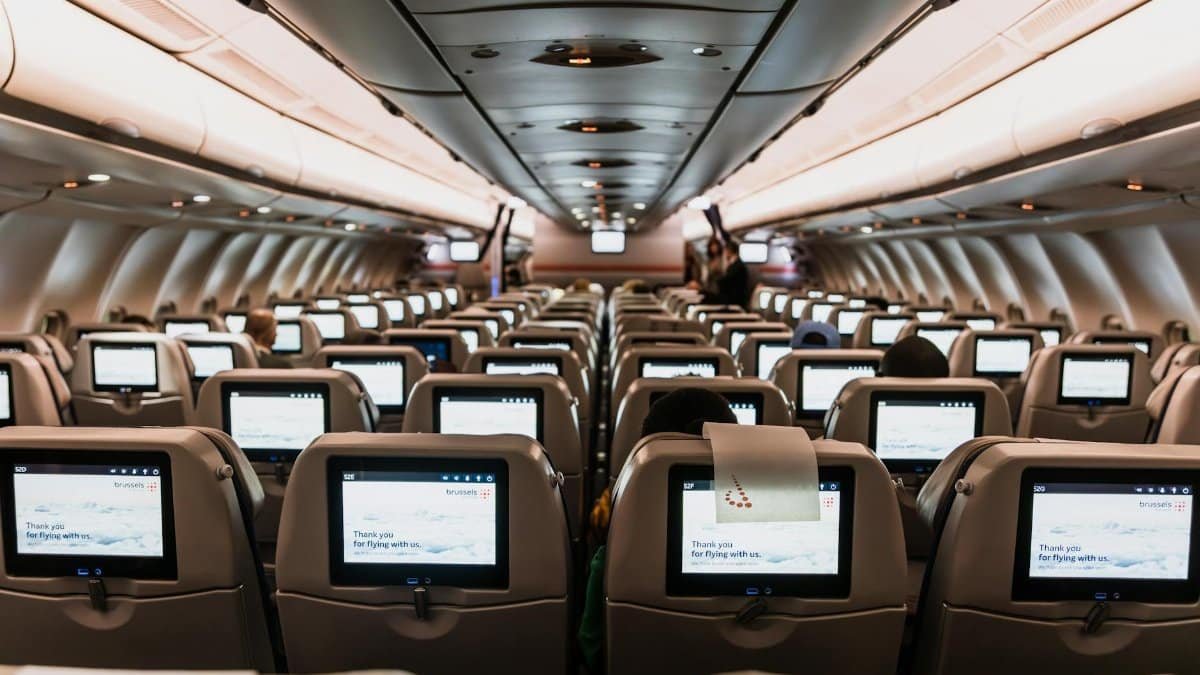
For travelers, these airline industry trends 2026 translate to noticeably better journeys. Personalized retailing means relevant choices at every step, while AI smooths out the kinks for fewer frustrations. Revamped loyalty programs add value that feels earned, and sustainability assurances build trust. Together, they craft experiences that prioritize comfort, convenience, and conscience. Airlines investing here aren’t just moving people; they’re delivering delight, turning routine trips into memorable ones that encourage repeat business.
Fortifying Operational Resilience

Resilience has become the ultimate metric for airlines navigating uncertainty. The trends outlined by WNS— from AI efficiencies to sustainable practices—build buffers against shocks like fuel spikes or pandemics. Data-driven foresight allows proactive adjustments, while intelligent systems minimize downtime. In this competitive arena, resilient operations mean reliable service that passengers can count on, regardless of external turbulence. Looking to 2026, this foundation will separate leaders from laggards, ensuring the industry soars steadily into the future.
By Natasha Weber