

As February 2026 wrapped up, aviation trends february painted a picture of resilient global air travel, buoyed by seasonal highs and cultural celebrations. OAG’s latest infographics spotlighted peaks in ski season flights to hotspots like Aspen and Whistler, alongside a 7% surge in China’s domestic capacity to 71.4 million seats, driven by the Spring Festival. While World Cup preparations held North American capacity flat, top performers like China Southern clocked an impressive 89.4% on-time rate. These shifts underscore a robust recovery in leisure and event-driven journeys, with international routes up 5% year-over-year and a growing emphasis on sustainability. For budget-conscious flyers, the month offered timely openings amid positive momentum.
Ski Season Ignites Demand for Mountain Getaways

Winter enthusiasts flocked to the slopes this February, pushing aviation trends toward a noticeable uptick in flights to premier ski destinations. Aspen, Colorado, and Whistler, British Columbia, emerged as prime examples, with airlines ramping up schedules to meet the seasonal rush. This peak reflects how holiday breaks and powder chasers are reshaping short-haul leisure travel, filling cabins that might otherwise sit idle during off-months. As families and adventure seekers prioritized these escapes, carriers responded by deploying more frequent services, easing access to some of North America’s most coveted snowy retreats. The result? A vibrant illustration of how targeted demand can invigorate regional routes even in a competitive market.
Chinese Spring Festival Sparks Domestic Capacity Surge

The Lunar New Year, known as the Chinese Spring Festival, delivered a powerful jolt to Asia’s aviation landscape. Domestic capacity swelled by 7% to a hefty 71.4 million seats, according to OAG’s February 2026 infographics. This growth underscores the festival’s magnetic pull, as millions reunite with loved ones, fueling short- and medium-haul flights across the country. Airlines stretched their networks to accommodate the exodus from urban centers, blending tradition with modern travel efficiencies. For operators, it was a high-stakes balancing act—maximizing loads while navigating weather and crowds—but one that highlighted the sheer scale of China’s aviation engine.
World Cup Buildup Stabilizes North American Flows

In contrast to these explosive regional gains, preparations for the upcoming World Cup kept capacity to North America remarkably steady. No dramatic expansions or cuts materialized, signaling a cautious approach amid stadium builds and logistical planning. This flat trajectory in aviation trends february allowed airlines to focus resources elsewhere, like leisure peaks, without overcommitting to event-adjacent markets. Travelers heading stateside encountered predictable schedules, which proved a boon for business and VFR (visiting friends and relatives) trips. It’s a reminder that not every global spectacle demands a seat frenzy; sometimes, stability breeds reliability in an otherwise volatile industry.
China Southern Sets the Punctuality Benchmark
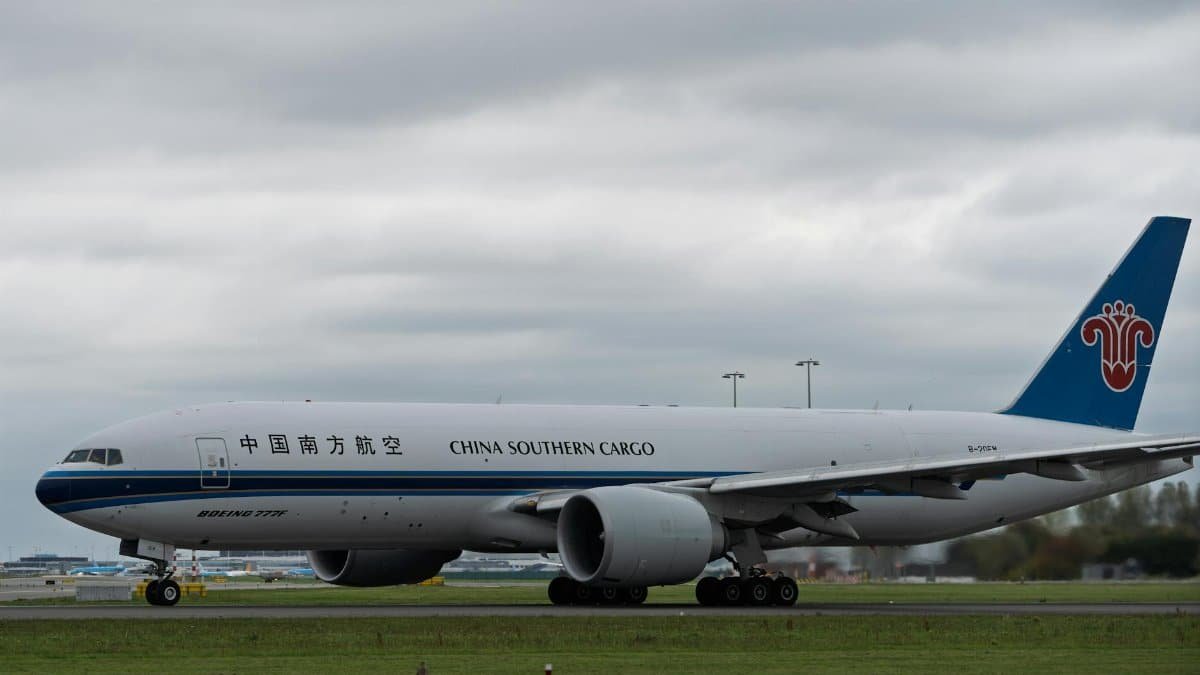
Amid the hustle, operational excellence shone through, with China Southern Airlines leading the pack at an enviable 89.4% on-time performance. This metric, drawn straight from OAG’s data, speaks volumes about disciplined scheduling and fleet management in a month crammed with festival and ski pressures. High punctuality not only boosts passenger satisfaction but also optimizes turnarounds, freeing up aircraft for more revenue flights. For competitors, it’s a benchmark to chase, especially as recovery accelerates. Such reliability becomes a competitive edge, turning potential chaos into clockwork efficiency.
Leisure and Events Fuel Broader Recovery

These aviation trends february collectively signal a hearty rebound in leisure and event-driven travel. Ski surges and festival booms exemplify how discretionary spending is rebounding post-pandemic, with passengers embracing vacations that blend thrill and tradition. The data points to a sector shaking off lingering constraints, as carriers fill wide-body jets with eager explorers. Opportunities abound for those tapping into these rhythms—think bundled ski packages or festival-timed fares. Industry watchers see this as more than seasonal noise; it’s foundational momentum, proving air travel’s knack for mirroring human desires for connection and escape.
Budget Flyers Find New Openings

For cost-conscious adventurers, February’s dynamics opened doors to smarter savings. With ski and festival demands concentrated on premiums, secondary routes and flexible dates offered discounts aplenty. Airlines, chasing load factors, introduced promotional fares that rewarded early birds and off-peak choosers. This environment favors the savvy: apps scouting flash sales or loyalty perks could slash costs on Aspen hops or domestic China jaunts. As recovery broadens, such pockets of affordability democratize travel, ensuring aviation trends february aren’t just for the high rollers but for everyday wanderers too.
International Routes Climb 5% Year-Over-Year

Looking outward, international capacity rose 5% compared to the prior year, a quiet but telling advance. This uptick, as reported by OAG, bridges leisure peaks with long-haul ambitions, connecting ski havens to far-flung festivals. Carriers expanded transcontinental links, betting on sustained demand from revived borders. For passengers, it meant more choices—directs where connections once ruled—while underscoring global interconnectedness. In a world still healing, this growth hints at confidence returning, one route at a time.
Sustainability Emerges as a Core Focus

Weaving through these expansions is a sharpened emphasis on sustainable practices. Airlines are integrating greener fuels and efficient routing to temper environmental impacts, even as seats multiply. This February’s trends align with broader pledges, like those from the International Air Transport Association, which have long advocated for carbon-neutral growth by 2050—a target that gains traction amid rising passenger miles. Operators tout optimized climbs and lighter loads, turning data-driven tweaks into real emissions cuts without curbing the joy of flight.
AI Optimization and Essential Booking Advice

Industry experts are buzzing about AI’s starring role in refining these schedules, predicting delays with uncanny precision and dynamically adjusting capacities. Tools that crunch weather, demand, and maintenance data ensure smoother operations, as seen in China Southern’s stellar stats. For travelers, the takeaway is clear: book early for peak ski and festival windows to lock in options and fares. As aviation trends february close on an upbeat note, proactive planning pairs perfectly with tech-savvy carriers, promising a future where global jaunts feel seamless and sustainable.