
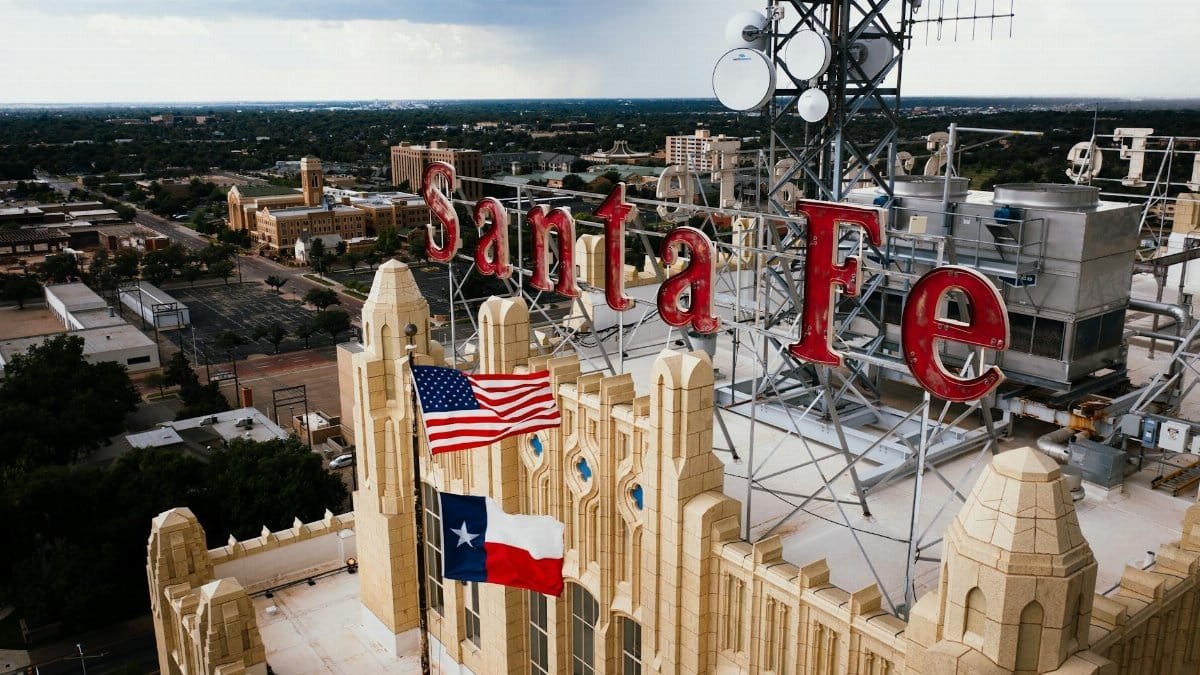
In a significant move to support its working-class residents amid rising costs, the City of Santa Fe has approved a new Mexico living wage increase, bumping its mandatory living wage to $15.40 per hour starting March 1, 2026. This adjustment, detailed on the [city’s official website](https://santafenm.gov/), aims to shield employees from the bite of local inflation and a fiercely competitive housing market. But the news comes with a stark warning from city officials: a $30 million shortfall in federal SNAP funding could plunge over 20,000 residents into food insecurity without swift state action. As Santa Fe grapples with these intertwined economic pressures, the wage hike underscores a broader push for stability in everyday life.
A Milestone in Local Wage Standards
Santa Fe’s decision marks a deliberate evolution in how the city approaches fair compensation for its workforce. By elevating the mandatory living wage—the baseline pay required for city contractors and certain employees—the adjustment reflects a commitment to ensuring that paychecks keep up with the realities on the ground. This isn’t just a number tweak; it’s a response tailored to the unique challenges facing New Mexico communities, where everyday expenses have outpaced traditional income growth. City leaders have positioned this as essential for maintaining a stable labor pool, particularly in service and public sector roles that form the backbone of local operations.
Breaking Down the $15.40 Rate

At $15.40 per hour, the new threshold represents a calculated uplift designed to deliver tangible relief. Effective March 1, 2026, it applies directly to those covered under the city’s living wage ordinance, ensuring that affected workers see the change reflected in their earnings without delay. This rate isn’t arbitrary; it’s calibrated to address the erosion of purchasing power in Santa Fe, where costs for basics like groceries and utilities have climbed steadily. For a full-time worker, this translates to roughly $32,000 annually before taxes—a figure city officials argue is critical for basic self-sufficiency in today’s economy.
Tackling Persistent Inflation Pressures

Inflation has been a relentless force in Santa Fe, squeezing household budgets and forcing tough choices for working families. The new Mexico living wage increase directly counters this by bolstering take-home pay at a time when prices for essentials remain elevated. According to the city’s announcement, this step helps working-class residents hold their ground against these upward trends, preventing a slide into deeper financial strain. It’s a recognition that stagnant wages in the face of rising costs can trap people in cycles of debt, making even modest adjustments like this one a vital buffer.
Navigating a Tight Housing Market

Housing in Santa Fe has become a battleground, with demand far outstripping supply and rents soaring beyond reach for many. The competitive market has turned homeownership or stable renting into luxuries rather than norms, particularly for those in lower-wage jobs. By raising the living wage to $15.40, the city is injecting resources directly into the pockets of those hit hardest, enabling them to compete for scarce affordable units. This adjustment acknowledges how intertwined wages are with shelter costs—a dynamic that has defined economic struggles here for years, pushing more families toward instability.
The Shadow of the SNAP Funding Crisis

Beyond wages, Santa Fe faces an acute vulnerability in food assistance programs. A $30 million gap in federal SNAP funding looms large, threatening the safety net that millions rely on nationwide—but hitting this city with outsized impact. City officials, as reported by [santafenm.gov](https://santafenm.gov/), have flagged this shortfall as a ticking clock, one that could unravel recent gains from wage policies if not addressed. SNAP, which helps cover grocery bills for low-income households, is under strain from federal cutbacks, amplifying the urgency of local responses like the living wage hike.
20,000 Residents on the Brink

The human stakes couldn’t be clearer: over 20,000 Santa Fe residents now teeter on the edge of food insecurity due to this funding void. For these families—many already juggling multiple jobs—the loss of SNAP support could mean skipping meals or rationing staples, deepening poverty in a city known for its cultural vibrancy but economic divides. Officials warn that without intervention, this crisis will compound the very inflation and housing woes the wage increase targets, creating a perfect storm for vulnerable populations. It’s a sobering reminder of how interconnected economic policies truly are.
A Call for State-Level Backup

Santa Fe isn’t standing alone in this fight. City leaders are pressing New Mexico state officials to step in and bridge the $30 million SNAP gap, framing it as a shared responsibility. This advocacy highlights a growing frustration with federal inconsistencies, urging Albany Street in Santa Fe to collaborate on statewide solutions. The plea ties directly into the new Mexico living wage increase, positioning it as part of a larger strategy to fortify community resilience. Research from the Economic Policy Institute underscores how such state-federal alignments can amplify local wage gains, helping low-income workers weather funding disruptions more effectively.
Implications for Working-Class Futures

For Santa Fe’s working class, this wage adjustment offers a foothold in uncertain times. It signals that policymakers are attuned to the grind of daily life, where inflation nibbles away at progress and housing scarcity looms large. Yet the SNAP warning tempers optimism, illustrating the fragility of isolated fixes. As the March 2026 rollout approaches, residents and employers alike will watch how this plays out—potentially setting a template for other New Mexico cities eyeing similar living wage increases. In a landscape of economic headwinds, these moves foster hope that collective action can sustain families through the long haul.
Ultimately, Santa Fe’s strategy weaves wage equity with calls for broader aid, aiming to build a more secure foundation for its people. While challenges persist, the path forward emphasizes proactive governance in the face of federal gaps.