
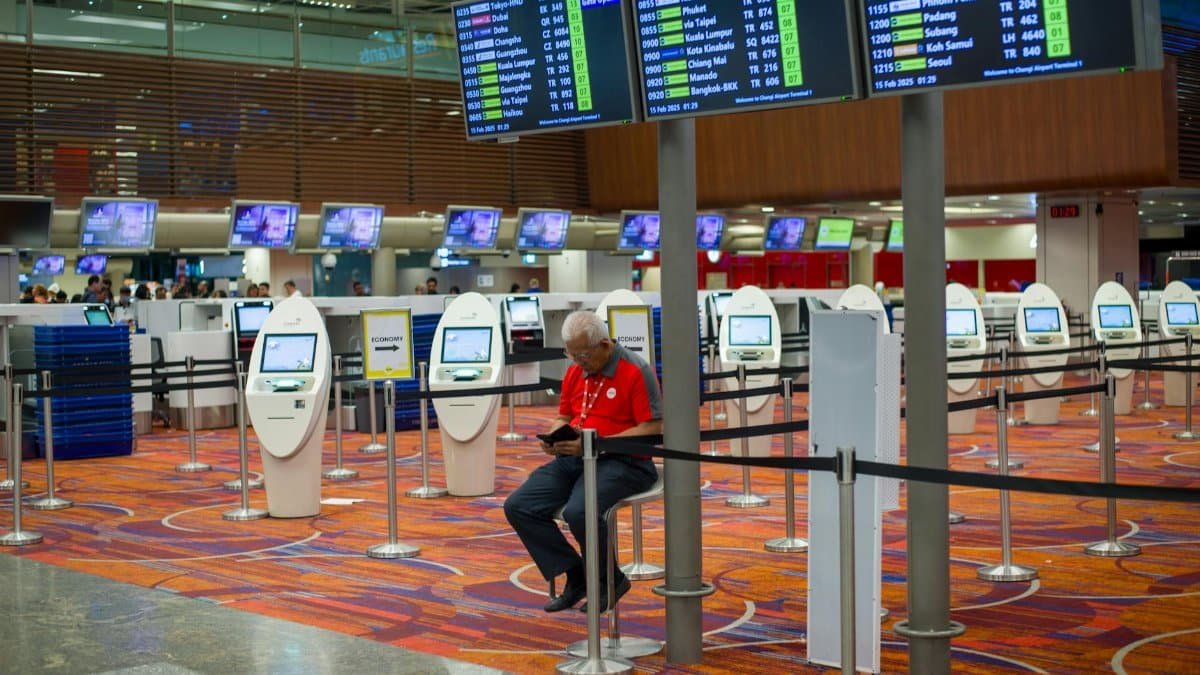
February 2026 brought a whirlwind of challenges and innovations to the world of air travel news, as airports grappled with closures sparked by unrest and TSA operations faced unexpected shutdowns. While these disruptions tested the resilience of the global aviation network, airlines responded with forward-thinking upgrades, including plush new premium services and revamped in-flight meals. Amid the turbulence, major aircraft orders underscored a robust confidence in the industry’s rebound, even as travelers honed their adaptability with greater flexibility. According to a comprehensive roundup from TravelPulse, the month highlighted a dual focus on restoring safety and streamlining efficiency, reminding us that aviation’s evolution often thrives under pressure.
Airport Closures Disrupt Key Hubs
The most immediate headlines in air travel news for February centered on a series of airport closures triggered by localized unrest. These shutdowns rippled through schedules, grounding flights and stranding passengers at major gateways. What began as isolated incidents quickly snowballed into broader operational headaches, forcing airlines to reroute and consolidate services. The unrest, varying in nature across regions, underscored the vulnerability of aviation infrastructure to ground-level volatility. Travelers arriving at affected terminals encountered barricades and canceled boards, turning what should have been routine trips into exercises in patience.
As reported by TravelPulse, these closures weren’t mere blips; they reshaped daily itineraries for thousands, prompting a reevaluation of how airports balance security with accessibility. The disruptions highlighted the need for contingency planning, with some facilities pivoting to limited operations to maintain essential connectivity.
TSA Shutdowns Amplify the Chaos

Compounding the airport woes were sudden TSA shutdowns, which paralyzed screening processes at multiple locations. These halts, linked to the same undercurrents of unrest, led to cascading delays as security lines ground to a standstill. Passengers faced hours-long waits or outright flight cancellations, with ripple effects felt across domestic and international routes. The federal agency’s temporary pauses emphasized the interconnectedness of air travel’s safety net—when one thread frays, the entire fabric strains.
In the thick of February’s air travel news, these events forced a stark reminder of protocol’s role in passenger confidence. Airlines and authorities worked overtime to communicate updates, but the human toll was evident in frustrated queues and rescheduled plans.
Premium Services Emerge as a Bright Spot

Not all news was grounded in disruption; airlines seized the moment to unveil exciting premium service upgrades. These enhancements promised a more luxurious journey, from spacious seating configurations to personalized amenities that catered to weary flyers. In an era where comfort can make or break loyalty, carriers rolled out these offerings to differentiate themselves amid the month’s turbulence. The upgrades signaled a strategic pivot toward passenger-centric experiences, even as external pressures mounted.
TravelPulse noted how these innovations arrived at a pivotal time, offering a counterbalance to the closures and shutdowns. For frequent fliers, the promise of elevated service turned potential frustration into anticipation.
In-Flight Meals Get a Gourmet Makeover

Elevating the onboard experience further, February saw airlines introduce revamped in-flight meals designed with fresher ingredients and diverse menus. These weren’t just refreshments; they represented a thoughtful nod to wellness and variety, incorporating options for dietary preferences and regional tastes. Passengers on long hauls could savor elevated cuisine that bridged the gap between economy and first-class indulgences, making altitude feel a little less ordinary.
Such upgrades, as detailed in the TravelPulse report, reflected broader efforts to humanize air travel. In a month dominated by logistics gone awry, these culinary advancements provided a tangible uplift, blending efficiency with enjoyment.
Major Aircraft Orders Signal Industry Optimism
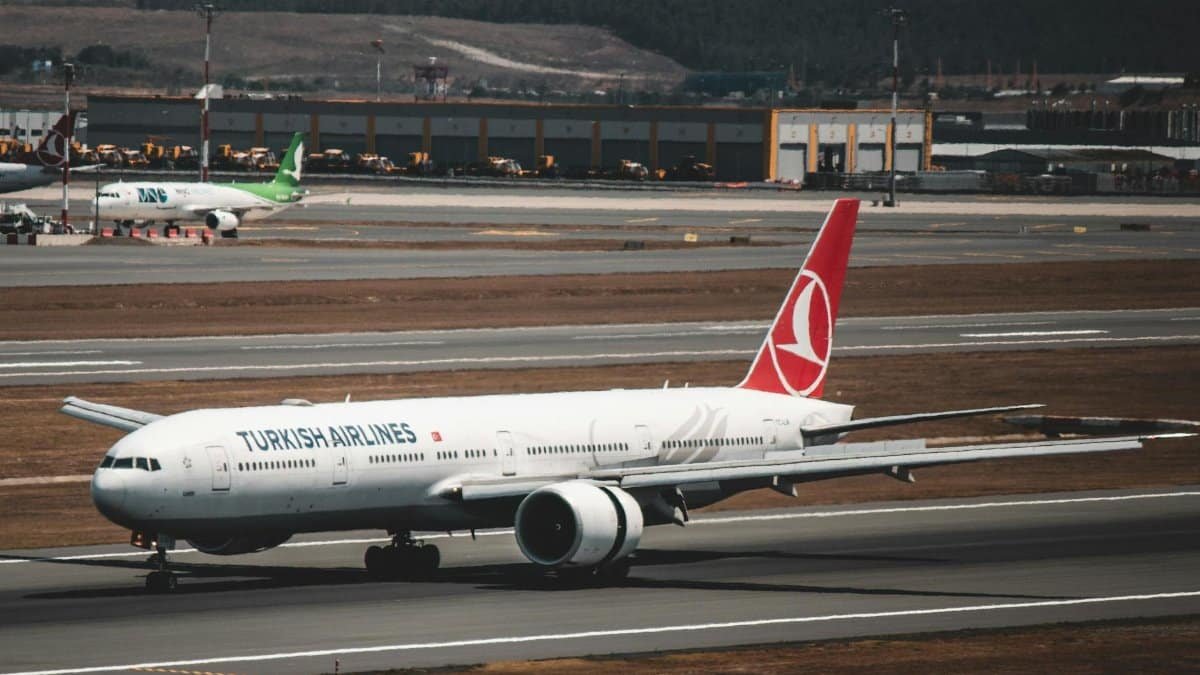
Beneath the surface disruptions, a surge in major aircraft orders painted a picture of unwavering confidence. Airlines committed to expansive fleets, betting big on future demand despite February’s hiccups. These multi-billion-dollar deals, spanning wide-body jets and efficient short-haul models, spoke volumes about executives’ faith in aviation’s trajectory. They weren’t impulsive; rather, they positioned carriers for expansion once stability returned.
This facet of air travel news February underscored a resilient mindset. As TravelPulse observed, such investments amid unrest demonstrated that strategic foresight often outpaces immediate setbacks, fueling long-term growth.
Travelers Adapt with Remarkable Flexibility

At the heart of the month’s story were the travelers themselves, who adapted with impressive flexibility. Facing closures and TSA halts, many embraced app-based rebooking, alternative routes, and even multimodal trips combining rail or rideshares. This shift highlighted a maturing traveler profile—one more agile and less wedded to rigid plans. Anecdotes from affected hubs revealed stories of ingenuity, from overnight layovers turned into mini-adventures to seamless pivots via airline loyalty perks.
Research from the International Air Transport Association has long shown that flexible itineraries reduce stress in disruptions— a principle that rang true here, blending human adaptability with technological aids for smoother recoveries.
Safety Takes Center Stage

Throughout the upheavals, safety remained paramount, with airlines and regulators doubling down on protocols. Enhanced briefings, bolstered crew training, and real-time monitoring became focal points, ensuring that even amid closures, no corners were cut. The unrest-driven challenges prompted swift audits and redundancies, reinforcing the aviation mantra that protection precedes all else. Passengers, in turn, appreciated the transparency, which helped rebuild trust lane by lane.
TravelPulse’s coverage emphasized this priority, framing safety as the unshakeable foundation upon which February’s air travel news was rebuilt.
Efficiency Drives the Path Forward

Looking ahead, efficiency emerged as the guiding star for aviation’s recovery. Airlines streamlined operations post-disruptions, integrating lessons from closures and shutdowns into smarter scheduling and resource allocation. The premium upgrades and aircraft orders dovetailed with tech infusions like AI-driven routing, promising fewer delays and greener flights. Travelers, now savvier, contributed by opting for flexible fares that eased system-wide pressures.
In this lens of air travel news February, efficiency wasn’t just reactive—it was transformative, setting the stage for a more robust network. As carriers and passengers align on these fronts, the industry edges toward a steadier horizon, where innovation tempers unpredictability.