
In the misty winds of Northumberland’s Holy Island, a simple walk in February 2026 unearthed what many are calling the smiling fossil of Northumberland—a tiny pebble that grinned back like a set of false teeth from deep time. What started as a curious beach find has been confirmed by experts as a 300-million-year-old crinoid stem fossil from the Carboniferous period, its “smiling” beads actually ossicles, the segmented plates of an ancient sea creature. Shared on a fossil enthusiasts’ Facebook group, the discovery sparked quick verification and local delight. Now destined for a museum display, this fossil underscores Holy Island’s rich trove of prehistoric marine relics, tied to its storied past with St. Cuthbert. As reported by the BBC, it’s a reminder of the ancient oceans that once lapped these shores.
A Serendipitous Stroll Turns Prehistoric
Picture a crisp February day on Holy Island, off the coast of Northumberland, where the tide recedes to reveal secrets buried for eons. A lone walker, out for what was likely a routine ramble across the pebbled shores, spotted something unusual amid the drift: a small stone mimicking the uncanny grin of fake teeth. It wasn’t some modern oddity discarded by the sea, but a fossilized relic that would soon captivate fossil hunters and locals alike. These chance encounters with the past are the stuff of geological dreams, turning an ordinary outing into a portal to 300 million years ago.
Holy Island, also known as Lindisfarne, has long been a place where the boundary between land, sea, and history blurs. The walker’s pebble, unassuming at first glance, held within it the structured elegance of a crinoid stem—those ancient marine animals whose remains often wash up here, delighting those attuned to the whispers of the Carboniferous seas.
The Grin That Captured Imaginations

At the heart of this discovery is the fossil’s playful moniker: the smiling fossil of Northumberland. Its “teeth” are no accident of erosion but the ossicles—tiny, bead-like segments that once formed the flexible stem of a crinoid. These plate-like structures, stacked like a necklace of prehistoric pearls, create an optical illusion of a mischievous smile when viewed just right. It’s this whimsical appearance that has endeared it to finders and experts, transforming a scientific specimen into something almost personable.
Crinoids, often likened to feather stars or sea lilies, anchored themselves to the ancient seafloor, their feathery arms filtering food from the water. The smiling fossil northumberland embodies that eerie charm, where nature’s geometry fools the eye into seeing joy in stone.
From Social Media Post to Scientific Nod

In today’s connected world, a fossil find doesn’t stay solitary for long. The walker, sensing the pebble’s potential, snapped photos and posted them to a dedicated fossil Facebook group—a vibrant online community where amateurs and pros swap stories of shoreline treasures. The response was swift: members buzzed with recognition, urging expert input. Soon, paleontologists weighed in, confirming the ossicles’ identity as part of a crinoid stem from the Carboniferous period, roughly 300 million years old.
This digital pathway from beach to verification highlights how social platforms have democratized fossil hunting, bridging the gap between casual discoverers and specialists. What began as a shared image evolved into irrefutable evidence of deep time preserved on Holy Island’s sands.
St. Cuthbert’s Beads: A Saintly Nickname

The fossil’s ossicles bear a particularly fitting local name: St. Cuthbert’s beads. Holy Island is indelibly linked to St. Cuthbert, the 7th-century monk whose shrine draws pilgrims to this day. Legend and lore have long associated these bead-like fossils with the saint, who is said to have lived among the island’s tides and miracles. Finds like this smiling fossil northumberland reinforce that connection, as if the saint himself scattered these ancient tokens across his beloved shores.
Generations of islanders and visitors have pocketed similar “beads,” mistaking them for rosary remnants or divine gifts. Yet science reveals their true origin: remnants of crinoids that flourished in the warm, shallow seas of the Carboniferous, a time when vast marine ecosystems teemed with life forms now etched in stone.
Unpacking the Carboniferous Connection

The Carboniferous period, spanning from about 358 to 299 million years ago, was a golden age for marine diversity, including crinoids that carpeted the ocean floors. These echinoderms, relatives of modern starfish and sea urchins, built their stems from interlocking ossicles for flexibility and strength—perfect for swaying in ancient currents. The smiling fossil of Northumberland hails from this era, when what is now Holy Island lay submerged beneath tropical waters teeming with bizarre life.
Blended seamlessly into the rock record, such fossils offer tangible links to that vanished world. As reputable paleontological records note, Carboniferous crinoid stems are common in northern England’s sedimentary layers, their ossicles enduring as durable testaments to prehistoric abundance.
Local Excitement Builds Around the Find

News of the discovery rippled through Northumberland like a tide. Locals, no strangers to the island’s paleontological perks, expressed genuine thrill at this latest gem. “It’s like the island is smiling back at us,” one might say, capturing the communal joy. The fossil’s journey didn’t end on the beach; it’s now headed for a museum, where it will join other treasures, educating visitors about the region’s hidden depths.
This enthusiasm isn’t fleeting. Holy Island’s history of such finds fosters a culture of curiosity, where every low tide promises potential revelation. The smiling fossil northumberland has reignited that spark, drawing eyes to the pebbles underfoot.
Spotlighting Northumberland’s Ancient Marine Legacy
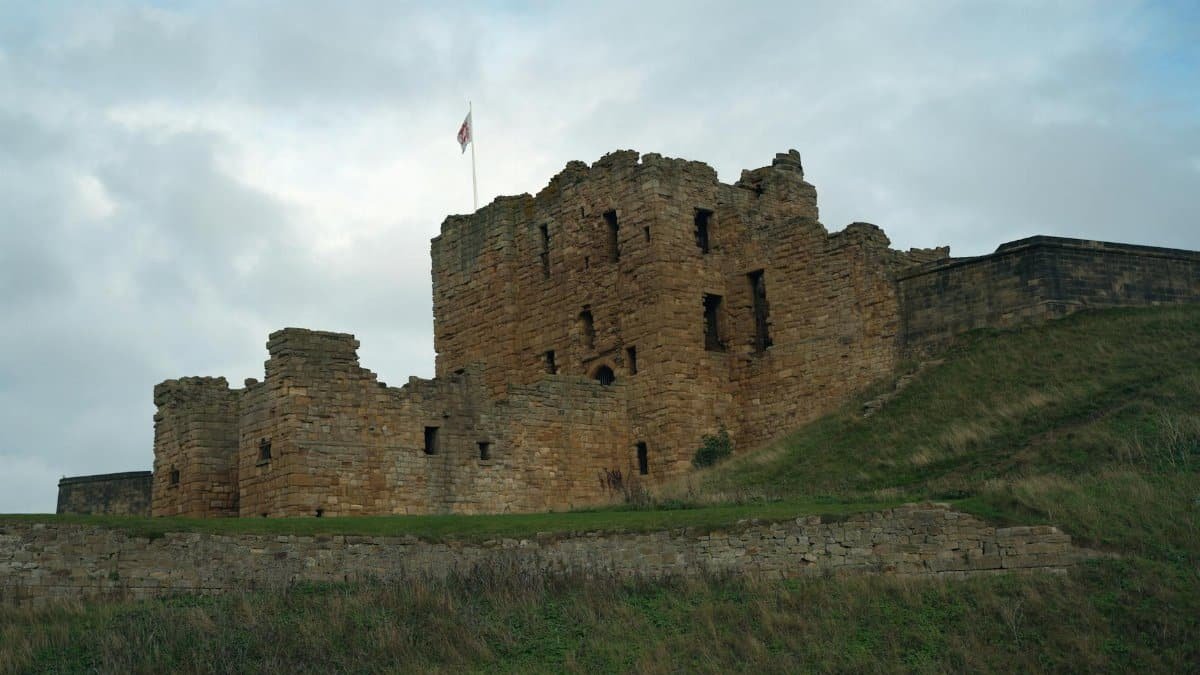
Beyond the charm of its grin, this fossil illuminates Holy Island’s profound geological story. Once part of a vast Carboniferous sea, the area preserved countless crinoid stems amid layers of limestone and shale. These smiling fossils northumberland serve as ambassadors for that marine past, reminding us that the rugged coastline we tread today was once a bustling underwater realm.
In an age of rapid change, such discoveries ground us in immensity. They highlight how Northumberland’s shores continue to yield echoes of ancient life, inviting walkers, scientists, and storytellers to ponder the smiles hidden in stone. As the fossil takes its place in a museum, it ensures this tale of time endures for future generations.