
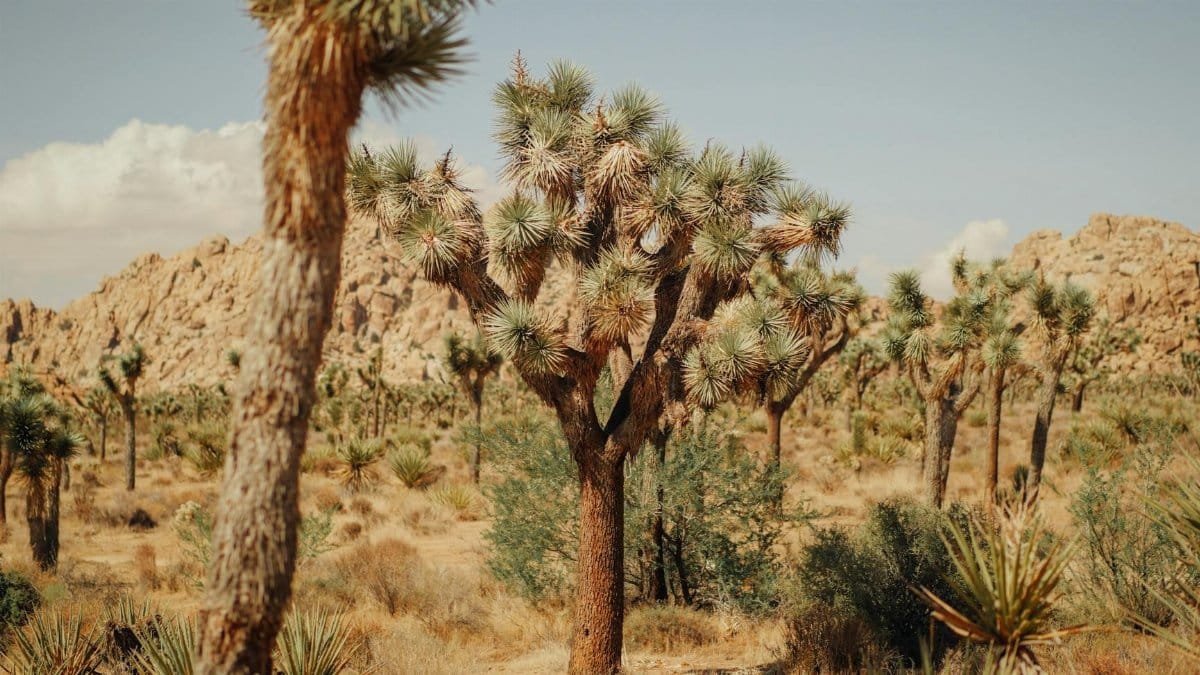
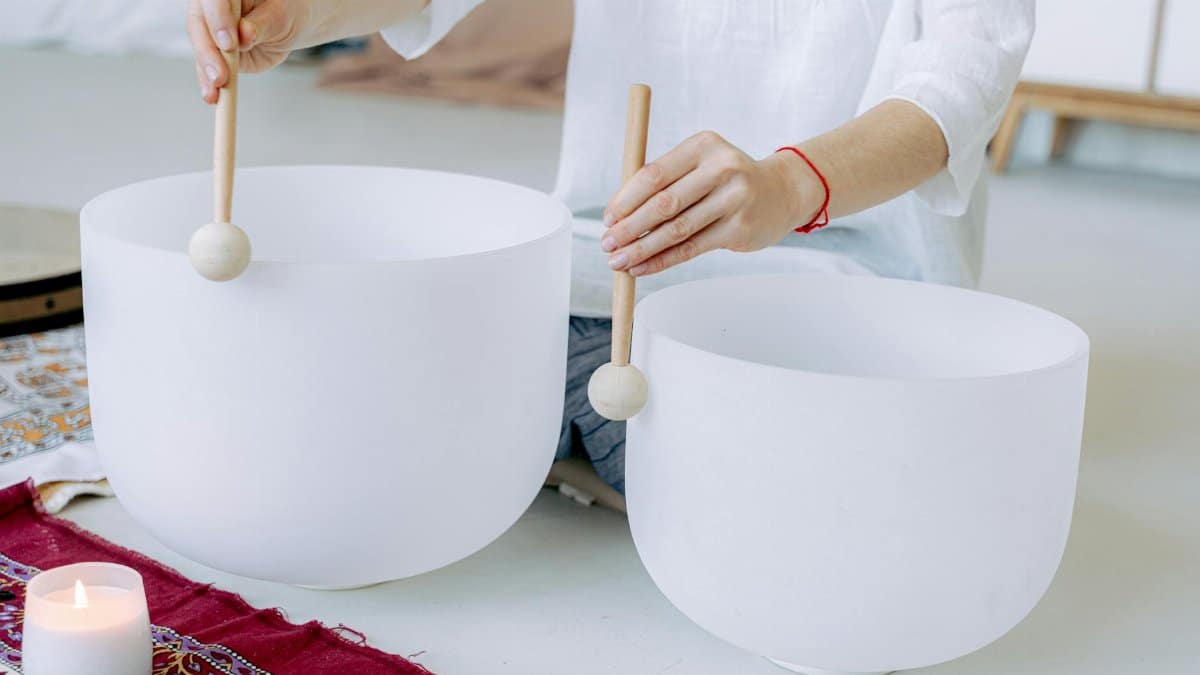
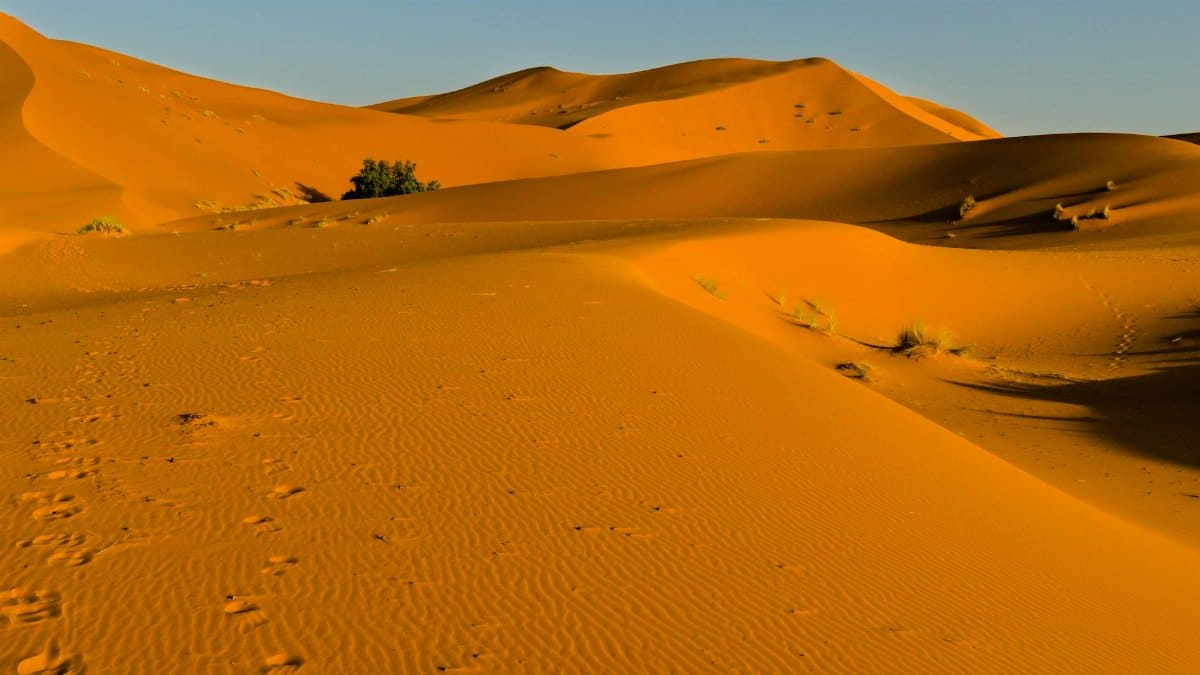
As the sun dips below the jagged peaks of the Mojave Desert, a low hum rises from the boulders scattered across the high desert floor. Deep in Joshua Tree National Park, a circle of musicians sits cross-legged, eyes closed, while a facilitator strikes massive Tibetan singing bowls. The vibrations ripple through the crisp night air, syncing with the distant howl of coyotes. This is no ordinary jam session. For artists battling creative droughts, Joshua Tree has emerged as a sanctuary where sound baths promise not just relaxation, but a rebirth of melody and muse. Once a haven for bohemian seekers and rock climbers, the area now draws Grammy winners and indie darlings seeking sonic salvation amid its otherworldly yucca forests.
The Mystic Pull of the Desert Soundscape
The desert around Joshua Tree possesses an acoustic purity rare in our noise-saturated world. Free from urban clamor, the landscape amplifies subtle frequencies, turning natural echoes into a canvas for healing. Sound bath practitioners here capitalize on this, positioning sessions amid ancient rock formations that naturally resonate like giant amplifiers. Musicians arrive weary from tour schedules and studio pressures, drawn by tales of breakthroughs under these vast skies.
Birth of a Sound Healing Hub
The transformation began in the late 1990s, when wellness pioneers like gong master Thomas Barquee set up camp in the area. Barquee, who has led sessions for decades, recalls how the sparse population and spiritual vibe of Joshua Tree mirrored the meditative states needed for deep listening. By the 2010s, word spread through music circles. Festivals like Joshua Tree Music Festival incorporated sound baths, blending electronic beats with crystal bowl harmonies and attracting acts from Bon Iver to St. Vincent affiliates.
Musicians Drawn to the Gong’s Call
High-profile artists have made pilgrimages here. Fleet Foxes frontman Robin Pecknold retreated to a Joshua Tree cabin during a songwriting slump, emerging with tracks infused with ethereal drones inspired by local sound sessions. Similarly, producer Rick Rubin, known for his bare-bones approach with Johnny Cash and Adele, frequents desert retreats. He speaks of the bowls’ overtones as unlocking subconscious rhythms, a tool for stripping away ego in composition.
Unpacking the Sound Bath Experience
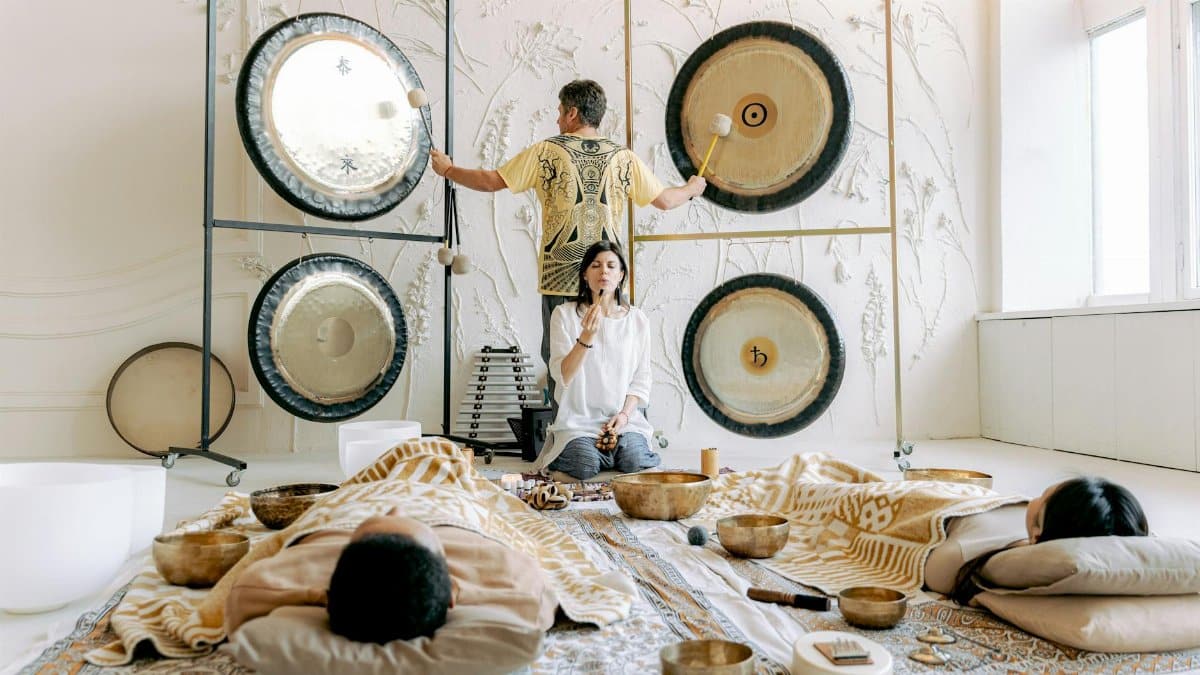
At its core, a sound bath immerses participants in waves of sound from instruments like gongs, chimes, and tuning forks. No water involved; the “bath” refers to the enveloping vibrations that massage the body at a cellular level. Sessions last 60 to 90 minutes, often outdoors at dawn or dusk. In Joshua Tree, facilitators like those at the Integratron—a dome built in the 1940s by UFO enthusiast George Van Tassel—claim the structure’s acoustics enhance the therapy, drawing sound waves into a perfect spiral.
Science Behind the Serenity

Emerging research supports these claims. A 2016 study from the University of California, Davis, found that sound therapy reduces cortisol levels by up to 30 percent, aiding stress relief crucial for creative blocks. Another paper in the Journal of Evidence-Based Integrative Medicine detailed how binaural beats from bowls induce theta brain waves, mirroring states of deep meditation or flow—ideal for songwriters. While skeptics question the mechanisms, musicians report tangible shifts: ideas flowing freer post-session.
Retreats Tailored for Touring Artists

Joshua Tree now boasts specialized offerings. The Joshua Tree Lake RV & Campground hosts private sound immersions for bands, complete with geodesic domes for overnight vibes. Pura Vida offers musician-focused weekends pairing baths with breathwork and silent hikes. Prices range from $150 for group sessions to $1,000 for bespoke retreats, with many spots booking months ahead during festival season.
Writer’s Block Meets Desert Echoes

For those gripped by creative paralysis, the area’s isolation proves potent. Indie rocker Angel Olsen described her Joshua Tree sound bath as “melting the ice around my melodies,” crediting it for her album Whole New Mess. The process quiets the inner critic, allowing raw emotion to surface. Local lore abounds with stories of lyrics scribbled at midnight after a gong finale, the desert wind carrying away old doubts.
The Landscape as Silent Co-Conductor

Joshua Tree’s terrain—twisted trees, wind-sculpted rocks, endless horizons—amplifies the ritual. Participants often trek to sites like Arch Rock or Hidden Valley, where granite amplifies tones. This symbiosis fosters a sense of timelessness, syncing human breath with earth’s pulse. Environmentalists note the low-impact appeal, as sessions leave no trace beyond lingering harmonics.
Building a Community of Sonic Seekers
Beyond celebrities, a grassroots scene thrives. Monthly full-moon gatherings at the Joshua Tree Healing Sanctuary draw locals and pros alike, fostering collaborations. Drummer Zach Hill of Death Grips has jammed post-bath with sound healers, blending experimental noise with therapeutic drones. This exchange has birthed hybrid events, like the Sound Healing Summit, where panels discuss vibration’s role in modern music production.
Challenges in Paradise

Growth brings tensions. Overcrowding strains resources, with some retreats facing noise complaints from residents. Preservationists worry about commercialization eroding the wild essence that lures artists. Yet organizers adapt, capping groups and emphasizing sustainability—solar-powered bowls, anyone? The balance keeps Joshua Tree authentic amid rising demand.
A Global Ripple from Desert Waves
The Joshua Tree model influences worldwide scenes. Studios in Sedona and Ibiza now mimic its blueprint, but purists argue none match the Mojave magic. As streaming demands constant output, sound baths offer a counterpoint: unplugging to recharge. For musicians, it’s not fad; it’s future-proofing creativity in a burnout era.
In the end, Joshua Tree endures as more than a destination. It’s a reminder that amid chaos, silence—and its sonic echoes—holds the key to harmony. Artists leaving these sands carry not just songs, but a resonant peace that outlasts the fade of any final chord.