
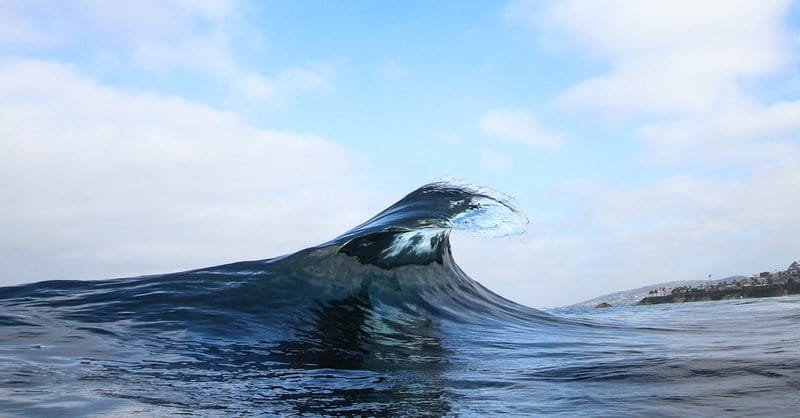
Is California surf freedom the ultimate expression of the American spirit? Along the Golden State’s iconic coastline, surfers aren’t just chasing waves—they’re embodying a lifestyle of independence and rebellion. From Huntington Beach to Santa Cruz, this ethos, often dubbed California surf freedom, defines a culture that rejects conformity and embraces the raw power of the ocean. As 2025 brings new challenges to coastal communities, this unique blend of sport and philosophy remains a powerful symbol of individuality.
Roots of a Movement
Freedom on the Waves

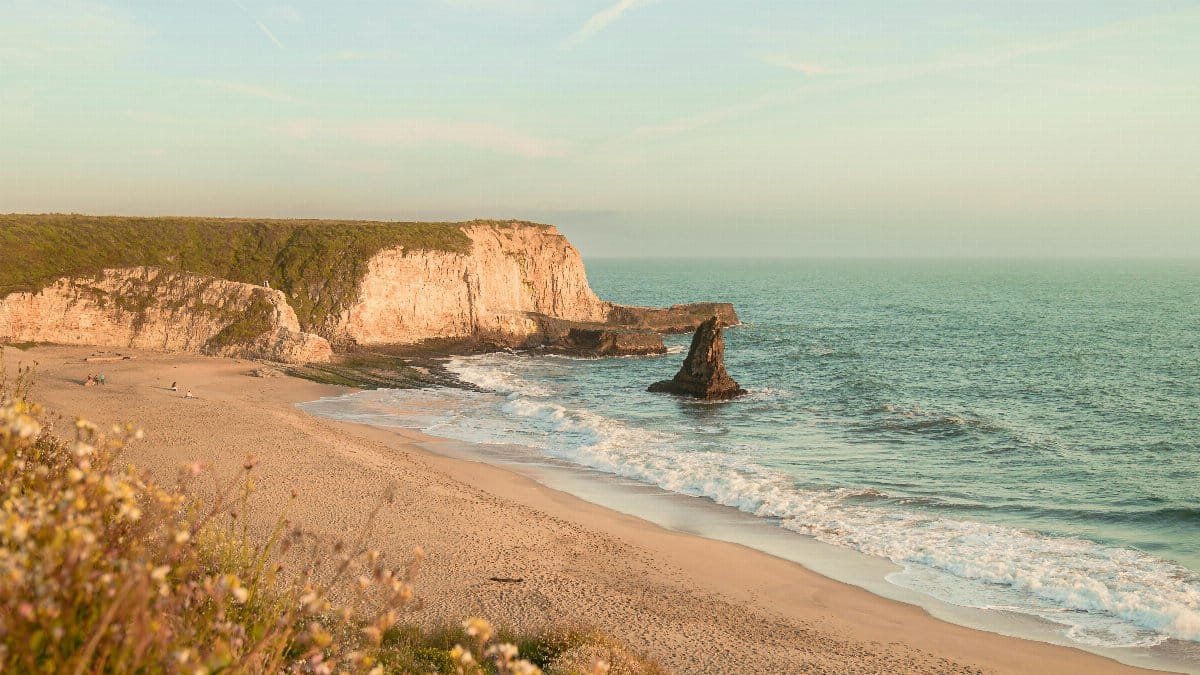
California surf freedom isn’t just a catchy phrase; it’s the feeling of paddling out, leaving rules and restrictions on shore. Surfers describe an almost spiritual connection to the ocean, where personal struggles fade with each wave. This autonomy draws thousands yearly to California’s shores, from novices to pros, all craving that unshackled rush.
Coastal Identity in 2025

As of 2025, California’s coastal towns remain bastions of surf culture, despite rising costs and environmental threats. Places like San Diego and Newport Beach still host competitions that celebrate this legacy. Local businesses, from board shops to beachside cafes, thrive on the influx of wave-riders chasing that free-spirited vibe. Yet, gentrification looms, pricing out some longtime surfers.
Environmental Challenges

The ocean that fuels California surf freedom faces serious issues. Pollution and climate change threaten iconic breaks, with rising sea levels and stronger storms reshaping coastlines. According to a report from the U.S. Geological Survey, California’s beaches are eroding at alarming rates. Surfers are often at the forefront of cleanup efforts, fighting to protect their sacred playground.
Cultural Impact Beyond the Beach
Facing Modern Pressures

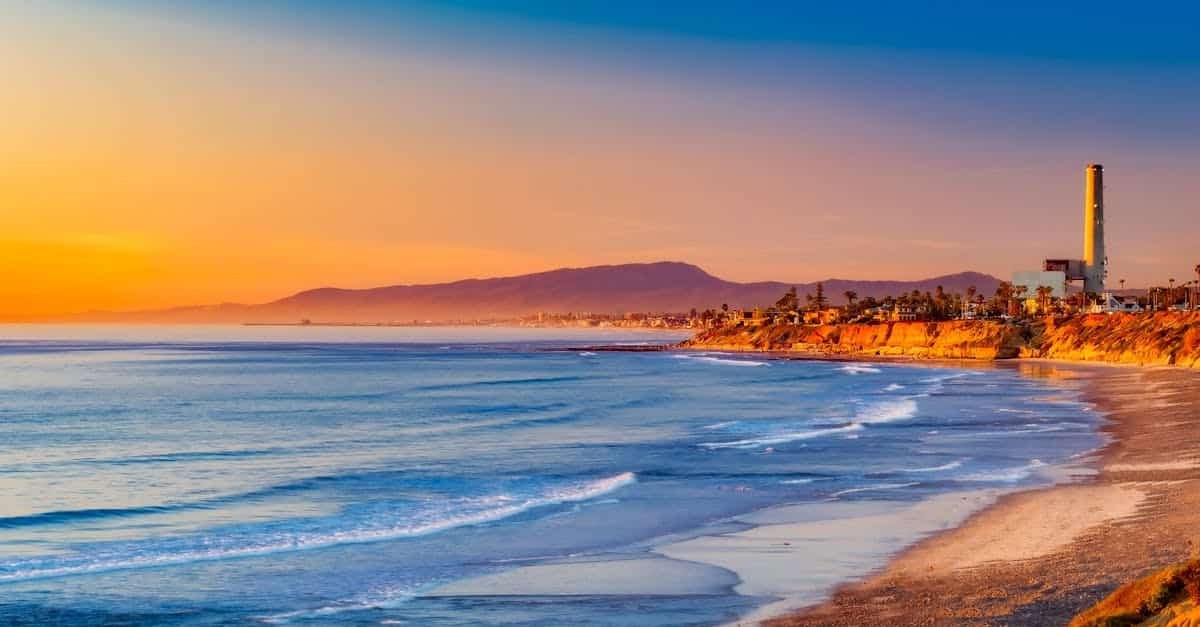
While the spirit of California surf freedom endures, modern pressures test its resilience. Overcrowded breaks spark tensions among locals and tourists. Social media amplifies the sport’s popularity, drawing inexperienced surfers into dangerous waters. Meanwhile, regulations on beach access and board rentals frustrate purists who see their lifestyle under siege. “It’s harder to feel free when every spot’s a circus,” laments longtime surfer Jake Torres of Santa Barbara.
The Fight for Access

Public access to beaches, a cornerstone of surf culture, isn’t guaranteed. Private developments and restricted zones challenge the notion of freedom. Advocacy groups, supported by data from the California Coastal Commission, push for open shores, arguing that the coastline belongs to everyone. In 2025, legal battles over access continue to rage, with surfers often leading the charge.
A Timeless Rebellion

Despite the hurdles, California’s surf scene remains a beacon of defiance. It’s more than a sport—it’s a refusal to be boxed in, a middle finger to the mundane. As long as there are waves to ride, surfers will paddle out, chasing that fleeting, untamed high. The fight for California surf freedom, in all its forms, isn’t just about the ocean. It’s about preserving a way of life.
Related Post: 8 Strategies to Manage Stress Effectively