

Can’t taste your food? You might have “vape tongue.” Reports from February 12, 2026, highlight doctors observing a massive rise in patients who have lost their sense of taste due to chronic vaping. This emerging issue strikes vapers who suddenly find meals bland and flavors muted. Medical professionals note the trend is accelerating, prompting concern over vaping’s hidden toll on daily sensory experiences. As cases climb, the condition demands attention in clinics across the U.S.
What Is Vape Tongue?
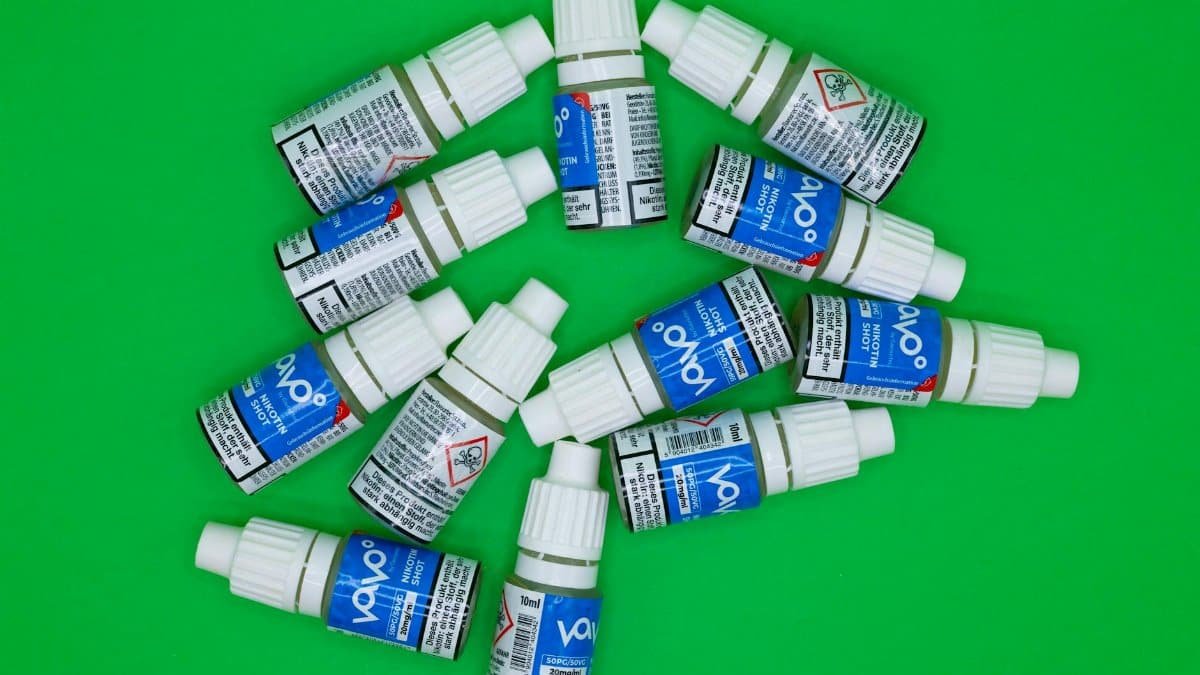
Vape tongue describes the sudden or gradual loss of taste among chronic vapers. Patients report an inability to savor food, from sweet desserts to savory dishes. Doctors link it directly to prolonged vaping exposure. The term captures a straightforward yet alarming symptom: flavors vanish, leaving eaters frustrated. This isn’t a minor annoyance—it’s a sensory disruption tied to vaping habits. Medical reports from early 2026 underscore its prevalence, marking it as a key vaping side effect.
A Massive Rise in Cases

Doctors are swamped with complaints. A sharp increase in patients seeking help for taste loss points to vaping as the trigger. February 2026 data reveals the surge, with clinics noting more cases weekly. Chronic users dominate these visits, their stories consistent: vaping daily leads to dulled taste buds. U.S. trends show this climbing fast, overwhelming routine checkups. The volume signals a broader public health shift.
Doctors Sound the Alarm

Physicians on the front lines report the pattern clearly. “Massive rise” defines their experience, as chronic vapers fill waiting rooms. These experts connect the dots: heavy vaping precedes taste disappearance. Early 2026 brings fresh urgency, with offices tracking the uptick. Their observations carry weight, urging vapers to reconsider habits. No longer anecdotal, the issue hits hard in everyday practice.
Chronic Vaping: The Clear Culprit

Prolonged vaping stands at the center. Patients with long-term use suffer most, their sense of taste eroded over time. Doctors emphasize this link, spotting it in histories of daily puffs. The February 12 report cements the association—no other factors dominate these cases. U.S. vaping culture fuels the problem, with sustained exposure numbing senses. Breaking the cycle appears key to recovery, per medical insights.
For deeper context on vaping’s health impacts, see the CDC’s e-cigarette health effects page.
Symptoms Striking Vapers
Loss of taste hits abruptly for some, fades slowly for others. Food loses appeal; coffee tastes flat, fruits go unnoticed. Chronic vapers describe a world without flavor, prompting clinic visits. Doctors confirm this as vape tongue’s hallmark. The 2026 rise amplifies reports, with patients struggling through meals. Sensory change disrupts routines, highlighting vaping’s reach beyond lungs.
Daily Life Disrupted

Imagine meals without joy. Vape tongue robs that pleasure, turning dinners dull. Patients adapt poorly, skipping foods or over-seasoning in vain. Doctors see frustration in every case, a massive wave since early 2026. Chronic vaping’s toll extends here, affecting nutrition and mood. U.S. vapers grapple silently until taste vanishes completely, then seek answers.
Medical Trends in 2026

This year marks a turning point. February reports capture the momentum, with doctors logging unprecedented numbers. Chronic vaping drives the stats, patient loads swelling. U.S. healthcare tracks the pattern, alerting networks. The surge demands response, as taste loss joins vaping’s warning signs. Vigilance rises alongside cases.
Reputable sources detail related risks; review the Cleveland Clinic on vape tongue for clinical breakdown.
Why It Matters Now

Taste loss signals deeper concerns. Doctors’ massive caseload in 2026 spotlights vaping’s stealth effects. Chronic users face not just bland bites, but potential long-term sensory shifts. Public awareness lags, but clinic trends push urgency. U.S. patients drive the narrative, their experiences echoing widely. Addressing vape tongue means confronting vaping head-on.
Patient Experiences Echo

Across offices, stories align. Chronic vapers arrive baffled by flavorless worlds. Doctors diagnose swiftly, tying it to habits. The February surge amplifies voices, a collective wake-up. Taste recovery varies, but recognition grows. This U.S.-wide pattern reshapes conversations on vaping safety, one patient at a time.
Looking at the Bigger Picture

Vape tongue exemplifies vaping’s expanding footprint. Massive rises in taste-loss cases, per 2026 reports, warn of unchecked use. Doctors urge monitoring, as chronic exposure claims senses. The issue permeates U.S. health discussions, blending personal stories with clinical data. Awareness builds, countering the habit’s grip.