

New data shows 35% of couples have filed for “Sleep Divorce,” choosing separate beds to safeguard their mental well-being. Released on February 2, 2026, these sleep divorce stats mark a pivotal shift in relationship norms. Far from signaling a split, this practice is hailed as a breakthrough that prioritizes rest over rigid traditions. Couples are redefining intimacy by sleeping apart, proving that quality sleep can fortify bonds rather than fracture them.
The Emergence of Sleep Divorce
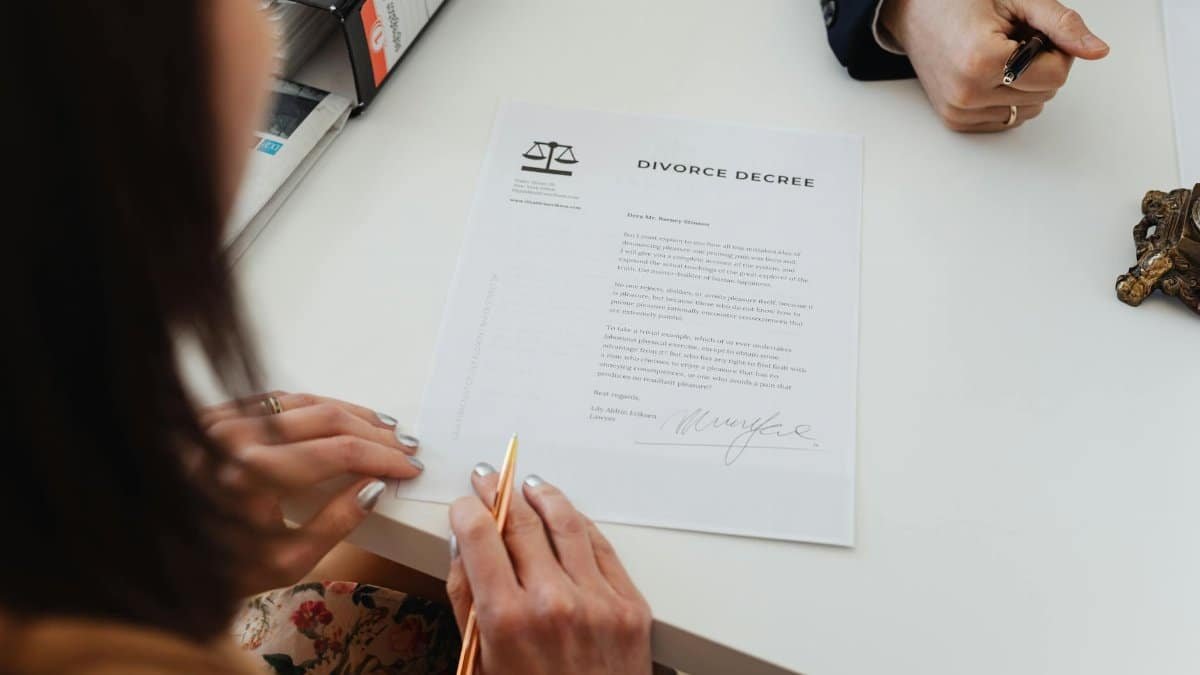
On February 2, 2026, fresh statistics hit the headlines, spotlighting a quiet revolution in bedrooms across the U.S. The term “Sleep Divorce” captures couples who formally agree to separate sleeping arrangements. This isn’t about emotional distance. It’s a deliberate choice to enhance daily life through uninterrupted rest. The data underscores how modern pressures demand innovative solutions for shared spaces.
Key Statistic: 35% Adoption Rate

At the core of the report lies a stark figure: 35% of couples now embrace sleep divorce. This percentage reflects filings where partners document their decision to sleep separately. sleep divorce stats reveal no minor trend. One in three pairs has taken this step, signaling widespread acceptance. The numbers suggest a tipping point where sleep quality outweighs convention.
Defining the Practice

Sleep divorce means partners maintain their relationship but divide bedtime locations. Separate beds or even rooms become the norm. The summary frames it clearly: it’s not a breakup. Couples file for this arrangement to address sleep disruptions that erode sanity. This formal step adds structure, ensuring both parties commit to the change without misunderstanding.
Choosing Separate Beds
Why separate beds? The data points to practical realities. Shared beds often lead to disturbances—tossing, snoring, or clashing schedules. By opting out, couples reclaim restful nights. sleep divorce stats show this choice preserves daytime harmony. Partners wake refreshed, ready to connect rather than clash. It’s a simple fix with profound ripple effects.
Saving Sanity as the Goal

The phrase “save their sanity” dominates the findings. Chronic sleep loss fuels irritability, resentment, and strain. Sleep divorce counters this head-on. Couples report mental clarity post-adoption, though the data focuses on the intent. This trend aligns with broader sleep health research, such as insights from the Sleep Foundation, which highlights how separate sleeping improves overall well-being for pairs.
A Breakthrough, Not a Breakup

Headlines emphasize: “It’s not a breakup; it’s a breakthrough.” This framing reframes sleep divorce as proactive. Relationships endure because sleep issues no longer fester. The 35% figure proves viability. Partners stay together, stronger. The data challenges old stigmas, positioning separate beds as a smart strategy in 2026’s fast-paced world.
Implications for Relationships

These sleep divorce stats carry weight for U.S. couples navigating stress. Better sleep fosters patience and intimacy. The February release timing coincides with resolutions around health. Filing formalizes commitment to mutual rest, preventing minor annoyances from escalating. This approach sustains long-term unions amid evolving lifestyles.
Broader Sleep Health Context

Couples’ decisions echo national sleep priorities. Poor rest impacts health, productivity, and bonds. The National Heart, Lung, and Blood Institute emphasizes sleep’s role in mental health, supporting trends like sleep divorce. Access their resources at the NHLBI Sleep Disorders page. The 35% mark indicates couples act on such knowledge, choosing sanity over sacrifice.
Shifting Bedroom Norms in 2026

By early 2026, sleep divorce has surged into mainstream discourse. The data’s release amplifies voices long advocating separate sleep. No longer taboo, it’s a filed choice for 35% of couples. This evolution reflects adaptive relationships. Partners balance closeness with individual needs, ensuring rest bolsters rather than burdens their connection.
These developments signal deeper changes. As sleep divorce stats climb, expect more couples to prioritize nights apart for days together. The breakthrough continues.