

Pink’s health update stunned fans worldwide: the pop superstar rang in 2026 from a hospital bed after emergency surgery to replace two cervical discs in her neck. Shared on January 5, the revelation came with a candid admission—”This wasn’t the resolution I planned”—highlighting a far cry from typical New Year’s celebrations. The procedure underscores the unpredictable nature of health challenges, even for global icons.
A Shocking New Year’s Eve

Pink, known for her high-energy performances, faced an abrupt twist as 2025 ended. Instead of fireworks and festivities, she welcomed 2026 amid medical monitors and surgical lights. The timing amplified the drama, turning what should have been a night of resolutions into one of recovery. This pink health update, delivered just days into the new year, pulled back the curtain on a personal ordeal that demanded immediate intervention.
Emergency Surgery Unveiled
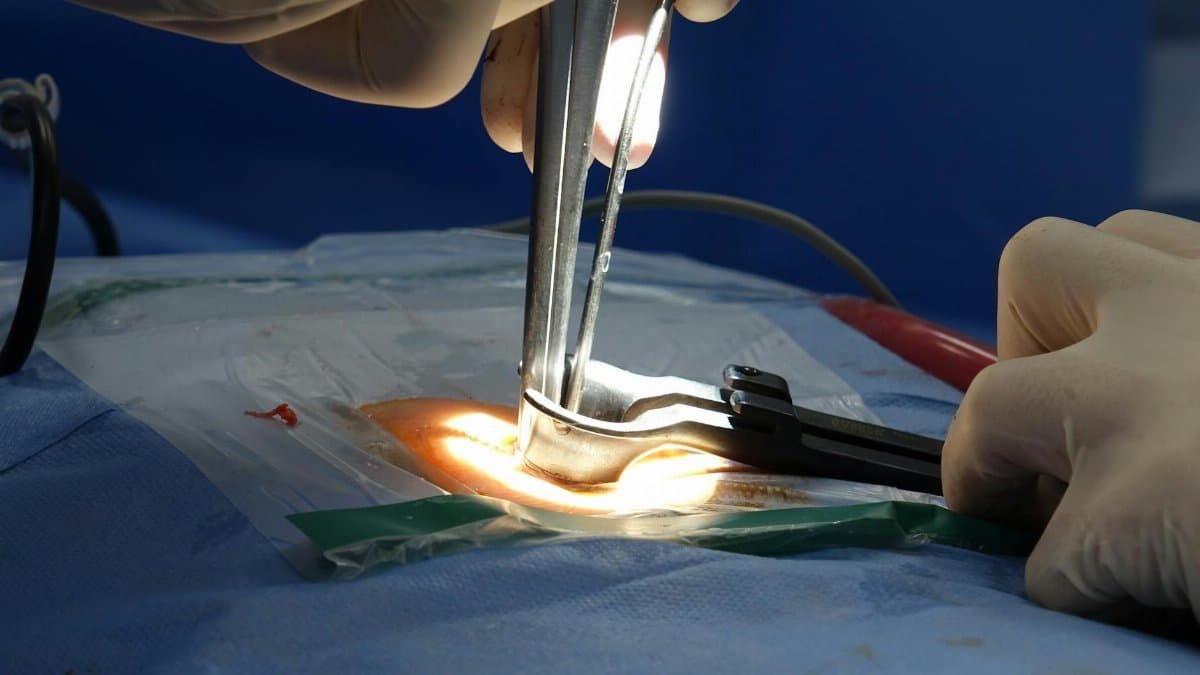
The surgery was not elective but urgent, addressing issues in her cervical spine. Pink’s disclosure on January 5 detailed the necessity of replacing two discs, a procedure aimed at restoring mobility and alleviating pain. Hospitals across the U.S. handle thousands of such cases annually, but for a celebrity of her caliber, the news rippled through entertainment circles. The pink health update emphasized the speed of the response, prioritizing her long-term well-being over holiday cheer.
Inside Cervical Disc Replacement
Cervical discs act as cushions between vertebrae in the neck, and when they degenerate, surgery becomes essential. Pink underwent replacement of two such discs, a modern alternative to fusion that preserves motion. For context, this procedure targets conditions like herniation or wear, common in active lifestyles. Detailed information from medical experts outlines the process: surgeons remove damaged discs and insert artificial ones via small incisions.Mayo Clinic on Cervical Disk Replacement Recovery typically involves rest and therapy, aligning with Pink’s forward-facing message.
Pink’s Raw Quote Resonates

“This wasn’t the resolution I planned.” Those words, shared publicly on January 5, captured the singer’s frustration and realism. Far from sugarcoating, the statement humanized her struggle, connecting with fans navigating their own setbacks. In 2026’s health-conscious landscape, such transparency from stars like Pink fosters open discussions on spinal health and unexpected medical needs.
From Celebration to Hospital Bed
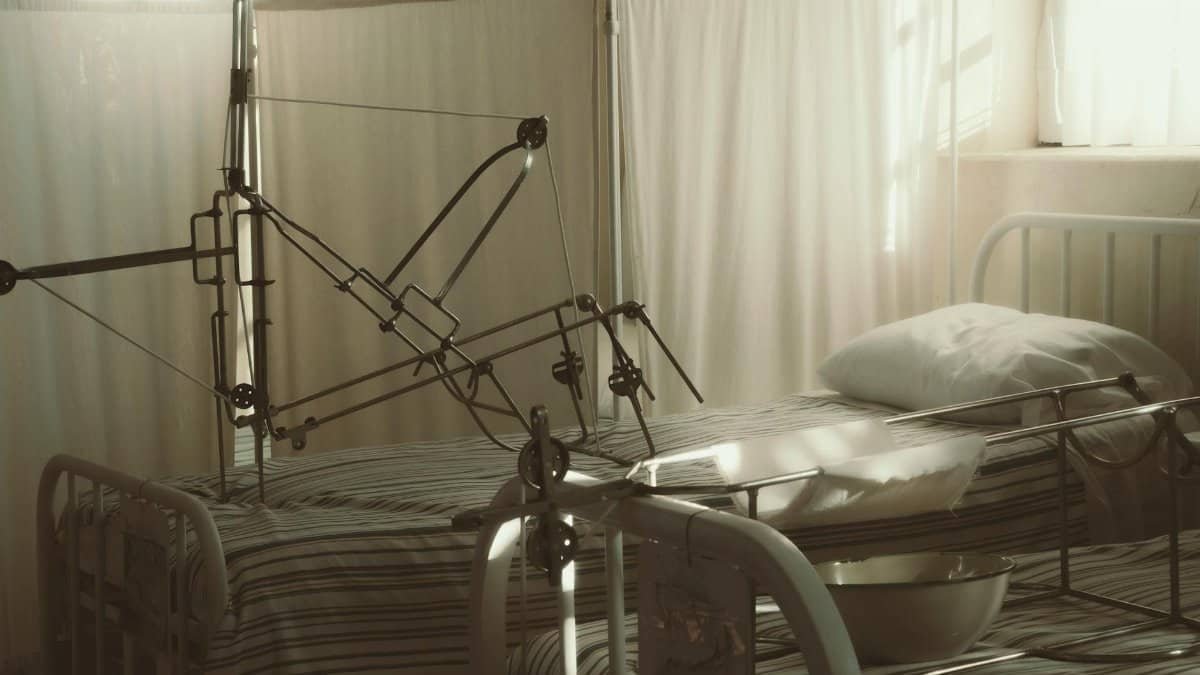
Ringing in the new year from a hospital bed marked a stark pivot. Pink’s update painted a vivid picture: no parties, just post-op care as midnight struck. This scenario highlights how health emergencies disregard calendars, striking when least expected. Her case spotlights the resilience required in the face of such disruptions, especially for someone with a demanding career.
Implications for Recovery Ahead

Post-surgery, focus shifts to healing. Replacing cervical discs often leads to improved neck function, though initial weeks demand caution. Pink’s pink health update signals optimism amid challenge, as she eyes a return to form. U.S. medical guidelines stress gradual rehab, including physical therapy to rebuild strength. Resources from leading institutions affirm success rates for such interventions.Johns Hopkins on Cervical Disc Replacement Surgery
Celebrity Health in the Spotlight

Pink’s revelation fits a pattern where stars share intimate health battles, destigmatizing procedures like disc replacement. Announced on January 5, 2026, it arrived amid broader conversations on spinal wellness in America. Active performers face heightened risks from repetitive strain, making her story relatable. The update not only informs but inspires proactive care.
Broader Context of Spinal Surgeries
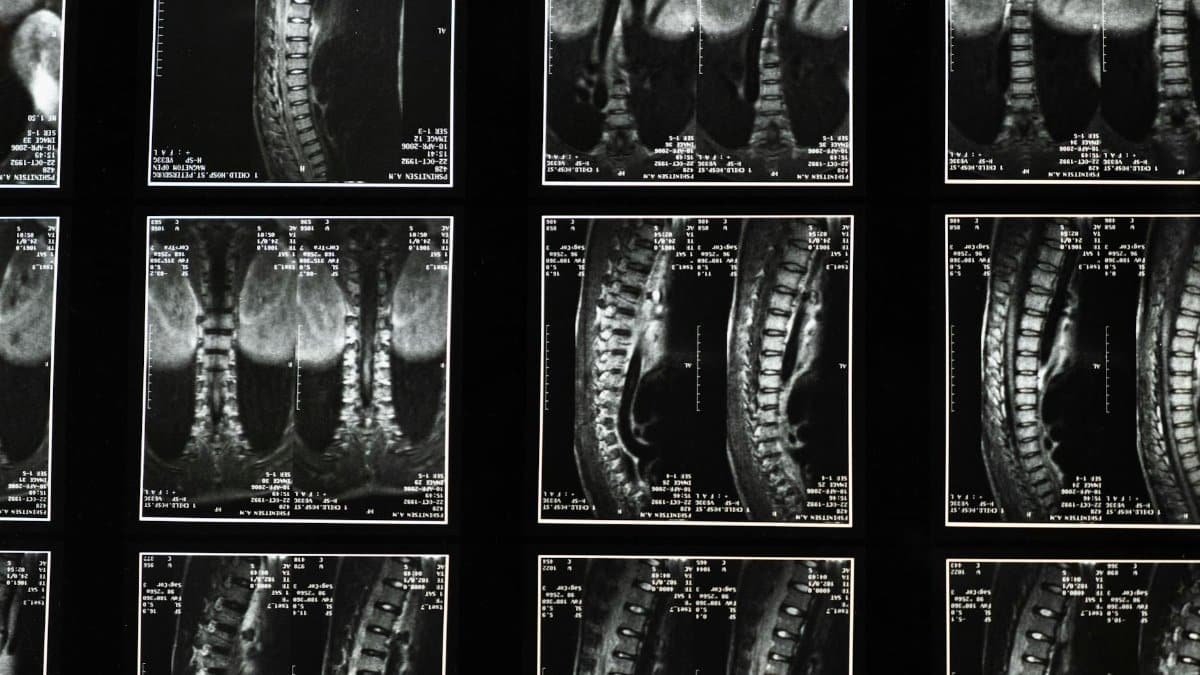
In the U.S., cervical issues affect millions, with disc replacement gaining traction for its motion-preserving benefits. Pink’s emergency case exemplifies why timely action matters—delays can worsen outcomes. Her hospital stay over New Year’s underscores the procedure’s role in modern medicine, offering relief where conservative treatments fall short. This pink health update serves as a timely reminder in 2026.
By Natasha Weber