

Is leaving your spouse at home the key to a thriving marriage? In 2026, “separate vacations”—where couples take solo trips to recharge—are gaining traction as the ultimate relationship hack. A January 30 report highlights this shift: “Love your spouse? Leave them at home.” Couples are ditching joint getaways for individual escapes, aiming to return refreshed and stronger. This trend promises to save marriages by fostering personal renewal amid everyday strains.
The Rise of Separate Vacations
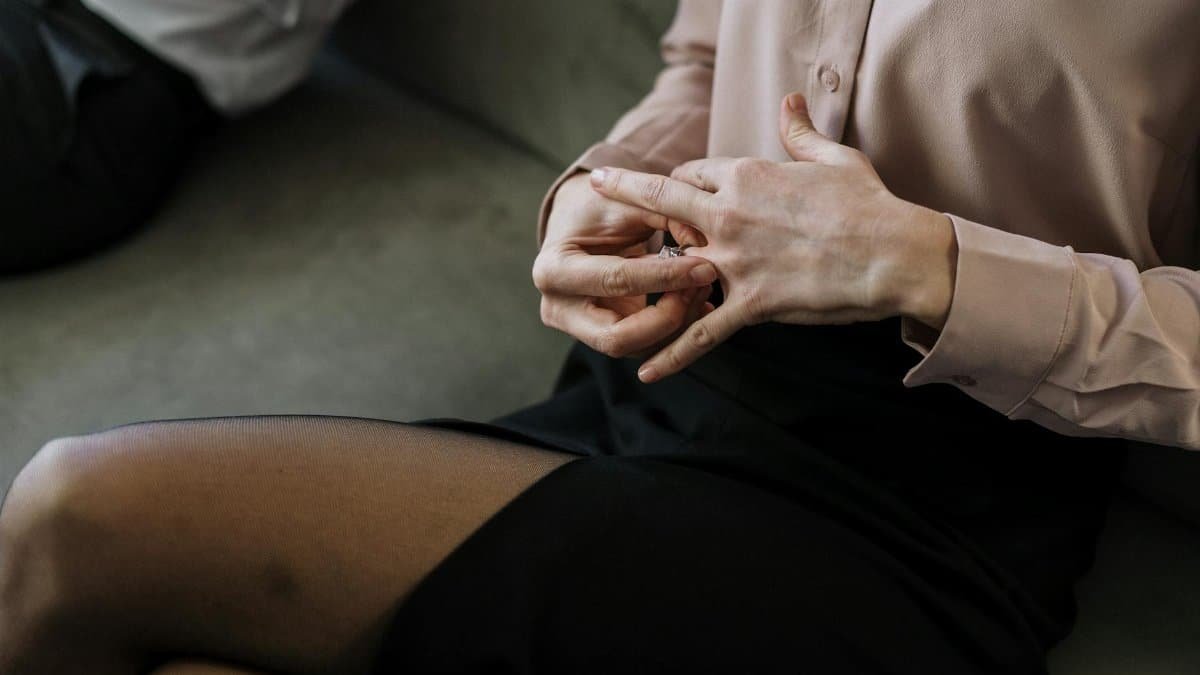
Couples nationwide are embracing separate vacations as a fresh approach to marital health. The concept flips traditional togetherness on its head. Instead of shared itineraries, partners pursue solo adventures. This practice, spotlighted in early 2026 coverage, positions individual time away as essential. Spouses depart independently, seeking spaces to reset without the dynamics of daily companionship. The result? Renewed energy upon reunion. Reports frame it as a deliberate strategy, not a sign of trouble, but a proactive step for longevity in love.
Solo Trips Defined

Separate vacations mean exactly that: one partner travels alone while the other stays put or goes elsewhere. No coordinating flights or hotel bookings together. The focus lands on personal recharge. Picture a spouse heading to a quiet beach retreat or a city exploration, free from couple routines. This setup allows uninterrupted self-reflection and relaxation. The January 30 insight captures it bluntly—love means granting that freedom. It’s not abandonment; it’s intentional space to breathe, tailored to individual needs in a busy world.
The Recharge Mechanism

Recharging forms the core appeal of separate vacations. Daily life grinds down even the strongest bonds—work, chores, endless decisions. Solo trips break that cycle. Partners return with clearer minds and lighter hearts. The hack lies in this renewal: time alone rebuilds personal reserves depleted by togetherness. Without the other’s input, individuals reconnect with their own rhythms. This solo infusion prevents resentment buildup. In 2026, it’s hailed as a simple yet powerful fix, turning potential burnout into balanced harmony.
Saving Marriages in Practice
How does leaving a spouse behind save a marriage? Separate vacations inject vitality where routine dulls it. Couples report—through trend observations—deeper appreciation post-trip. Absence sharpens affection, as the adage goes, but here it’s planned and purposeful. The 2026 buzz positions it as a lifesaver for strained unions. By prioritizing solo recharge, partners sidestep common pitfalls like codependency or fatigue-fueled fights. Reunions spark excitement, not obligation. This hack sustains what constant proximity erodes.
Couples Taking the Leap

Across U.S. households, more pairs are opting for separate vacations. The trend resonates with those feeling the weight of nonstop togetherness. One spouse jets to mountains for hiking solitude; the other unwinds at a lakeside cabin. No jealousy, just mutual support for growth. Early 2026 signals show adoption accelerating. It’s a quiet revolution in relationship maintenance, proving space strengthens rather than severs ties. Participants view it as modern self-care extended to partnership health.
Philosophy of ‘Leave Them at Home’

The provocative tagline—”Love your spouse? Leave them at home”—encapsulates the ethos. It challenges norms of perpetual unity. Separate vacations affirm that true love accommodates independence. Granting a partner unchallenged downtime signals trust and respect. This mindset shift, prominent in 2026 discourse, reframes solo time as generous, not selfish. Marriages thrive when individuals flourish apart, converging stronger. The hack demystifies it: absence, when strategic, fuels presence.
U.S. Context and Relationship Dynamics
In the American landscape, separate vacations align with evolving couple norms. Long work hours and family demands leave little room for personal reset. This trend offers a counterbalance. Research on marital satisfaction underscores the value of individual pursuits; for instance, studies show space reduces conflict and boosts happiness. See Pew Research Center on marriage trends. Similarly, psychological insights highlight autonomy’s role in lasting bonds, as detailed by the American Psychological Association.
Why 2026 Signals Lasting Change
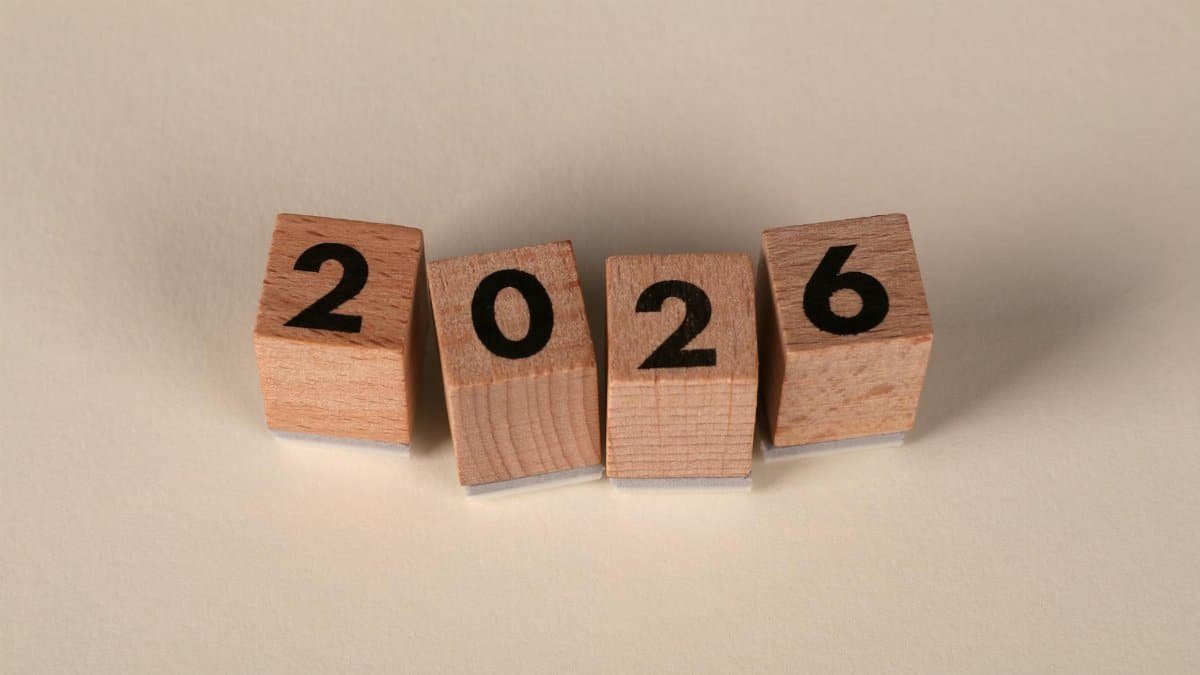
January 30, 2026, marks the moment separate vacations hit mainstream radar. As the year unfolds, expect wider embrace. The hack’s simplicity—no therapy sessions, just a ticket away—drives its appeal. Marriages on the brink find salvation in this breather. It’s not fleeting; it’s a blueprint for endurance. Couples who integrate solo trips report revitalized connections, proving the formula works. In a culture craving authenticity, leaving a spouse at home emerges as profound love in action.
This surge redefines romance for the modern era. Separate vacations prove that sometimes, the best way to stay together is to go alone.