
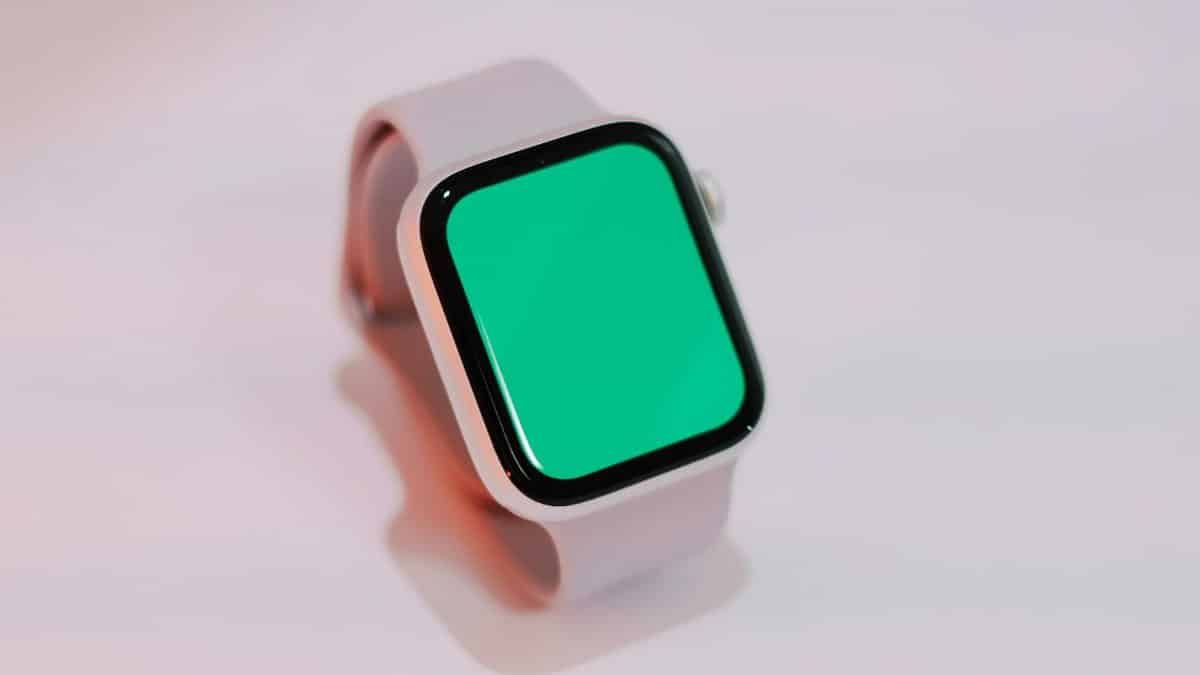
Tired of your smartwatch buzzing with step reminders? The dumb watch trend is sweeping 2026, as people ditch anxiety-inducing devices for classic Casio timepieces. Announced on January 14, this shift marks a bold fashion statement. No more obsessive tracking—just simple, reliable timekeeping that lets wearers reclaim peace from constant notifications and metrics.
The Dumb Watch Defined

The dumb watch trend boils down to a deliberate rejection of high-tech wearables. It champions basic analog or digital watches like classic Casios over smartwatches packed with fitness trackers, heart rate monitors, and endless alerts. This movement gained traction as users sought relief from the mental load of data overload. In place of screens demanding attention, dumb watches offer unadorned functionality: telling time without the guilt of unmet goals. The trend positions simplicity as stylish rebellion against gadget dependency.
Smartwatches Fueling User Anxiety
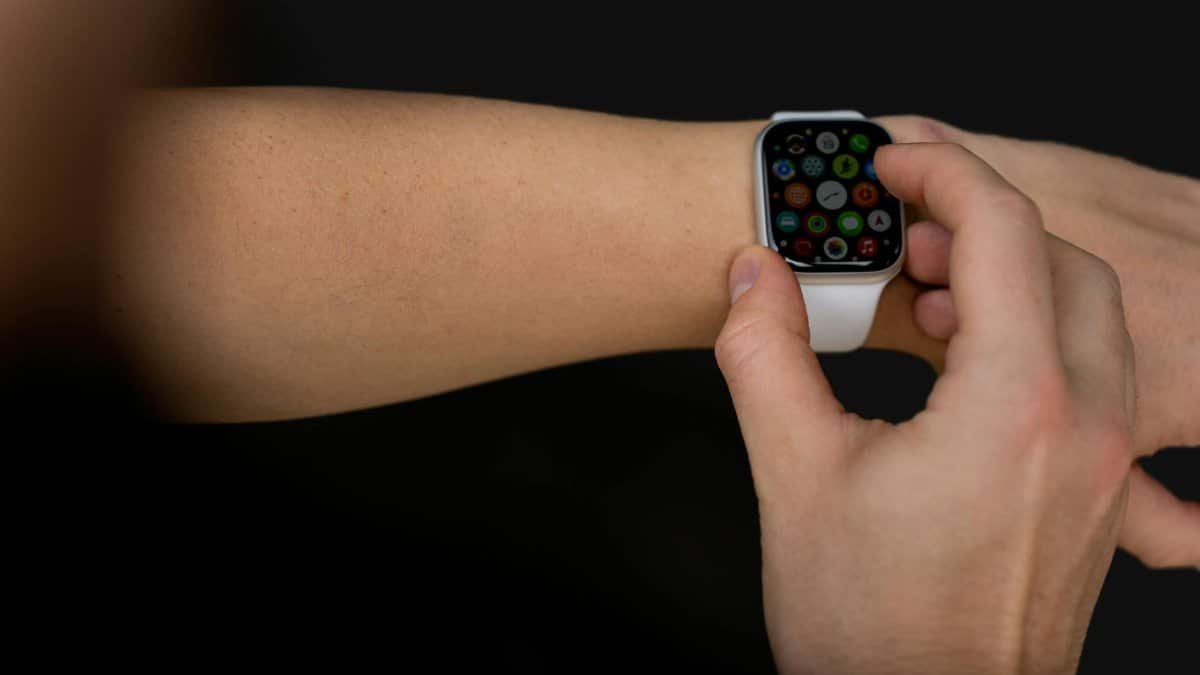
Smartwatches have turned wrists into stress zones. Constant step counts, calorie burns, and sleep scores create pressure to perform. Missing a daily target triggers guilt, while vibrations interrupt focus, heightening anxiety. The summary highlights this as a key driver for change—devices meant to improve health often do the opposite by fostering obsession. Users report feeling chained to their gadgets, always chasing numbers rather than living in the moment. This backlash underscores a broader push for mental wellness in daily tech use. For context on wearable stress, see coverage from The Verge on fitness tracker anxiety.
Classic Casios Step In
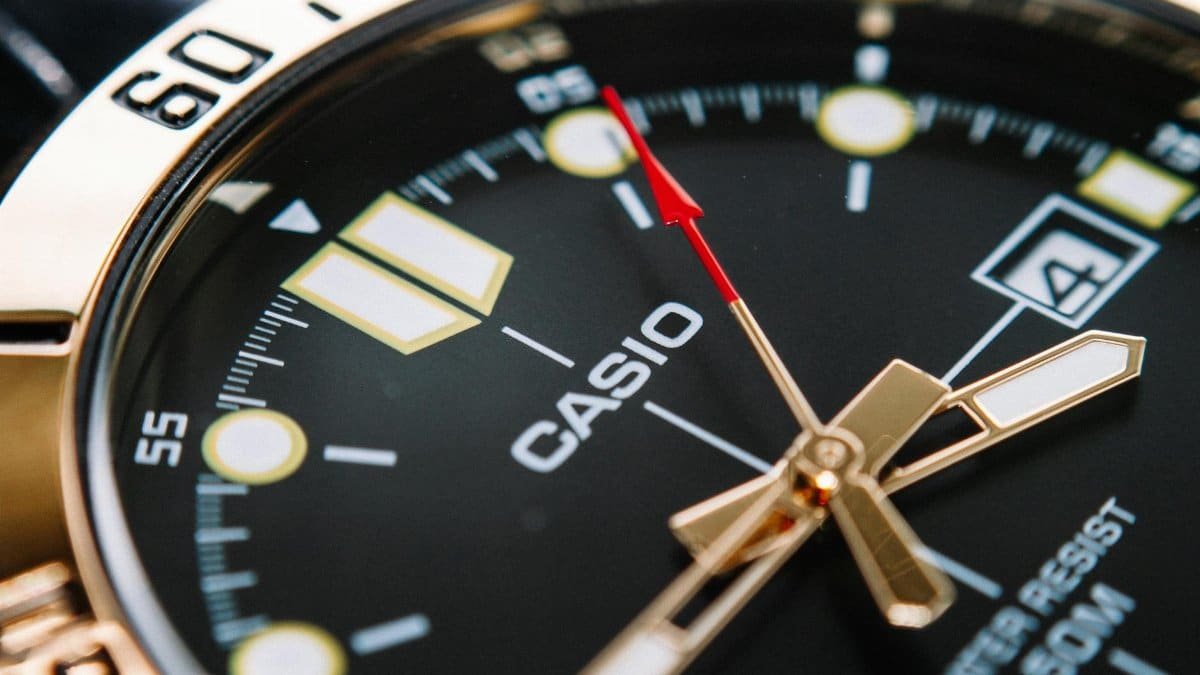
Casio watches embody the dumb watch ideal. Known for rugged, no-frills designs, these classics feature basic LCD displays or analog faces without smart features. Models like the vintage series deliver accurate timekeeping, alarms, and stopwatches—essentials minus the excess. Their affordability and durability appeal to trendsetters tired of pricey, battery-hungry smartwatches. Casio’s retro aesthetic adds vintage cool, blending practicality with edge. Check Casio’s lineup at Casio Vintage Watches, where timeless pieces fuel the surge.
Fashion Statement of the Year

In 2026, the dumb watch crowns simplicity as high fashion. Swapping sleek Apple Watches for chunky Casios signals anti-tech chic. This look thrives on runways and streets, where minimalism counters digital saturation. The trend elevates basic watches to status symbols, proving less tech equals more style. Wearers pair them with streetwear or suits, turning timepieces into conversation starters about unplugging. It’s a visual manifesto: prioritize presence over performance metrics.
Ending the Step-Counting Obsession

“Stop counting your steps” captures the trend’s core message. Smartwatches gamify movement, but this often backfires into fixation. Dumb watches free users from the cycle, allowing natural activity without judgment. No apps log data; no goals loom unmet. This liberation reduces decision fatigue, letting walks happen for joy, not quotas. The shift promotes intuitive living, where health stems from habit, not harassment by a wrist device.
Roots in Broader Wellness Push

The dumb watch emerges from growing fatigue with quantified life. As smartwatches proliferate, so does regret over their intrusiveness. The January 14 announcement spotlights this pivot, framing Casios as antidotes to overload. In U.S. culture, where hustle culture reigns, opting out resonates. Professionals, athletes, and parents alike embrace the change, finding calm in analog assurance. This trend reflects a maturing view of technology: useful as a tool, not a tyrant.
Impact on Wearable Market

The rise challenges smartwatch dominance. While giants push advanced features, consumers vote with wrists for basics. Casio benefits as demand spikes for its uncomplicated lineup. This could signal a market split: tech for enthusiasts, dumb watches for the masses seeking sanity. Fashion’s endorsement amplifies reach, potentially slowing smartwatch growth. The trend proves reliability trumps bells and whistles when anxiety is at stake.
Embracing the Dumb Watch Lifestyle
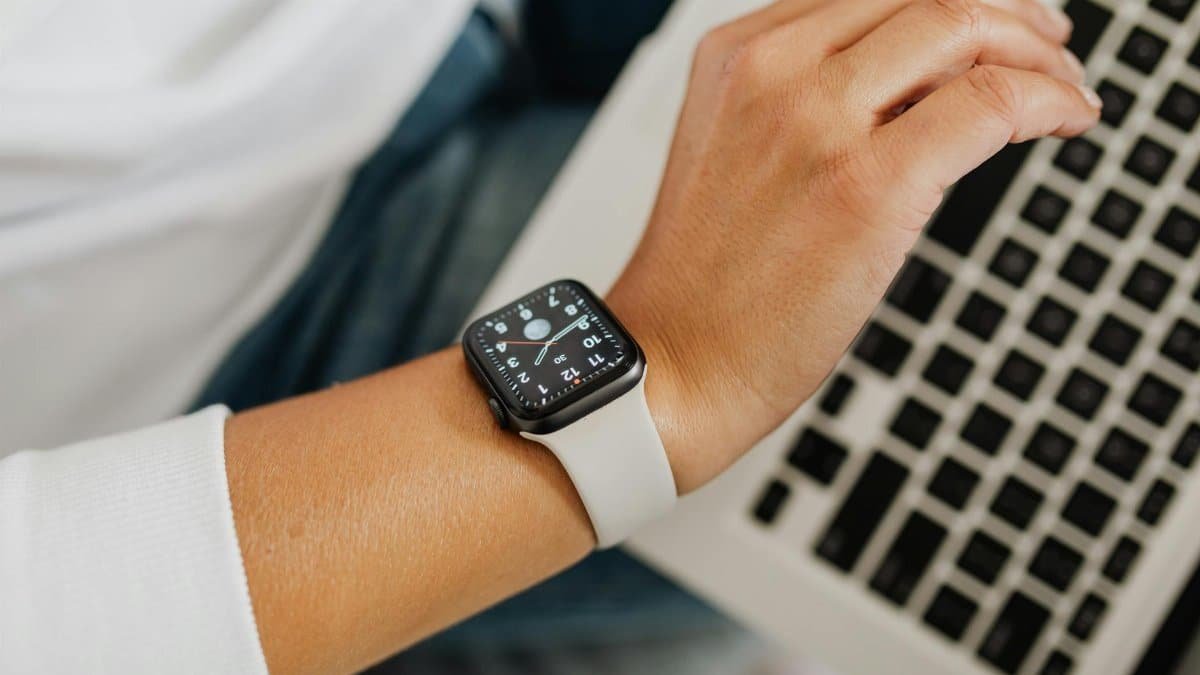
Adopting a dumb watch starts with selecting a Casio that fits your vibe—vintage digital for edge or calculator-style for nostalgia. Wear it daily, ignoring the urge to track. Notice the mental space gained: fewer glances, more engagement. As 2026 unfolds, this habit builds resilience against tech creep. It’s not anti-progress; it’s pro-balance. The fashion statement endures because it delivers real relief in a wired world.
By Natasha Weber