
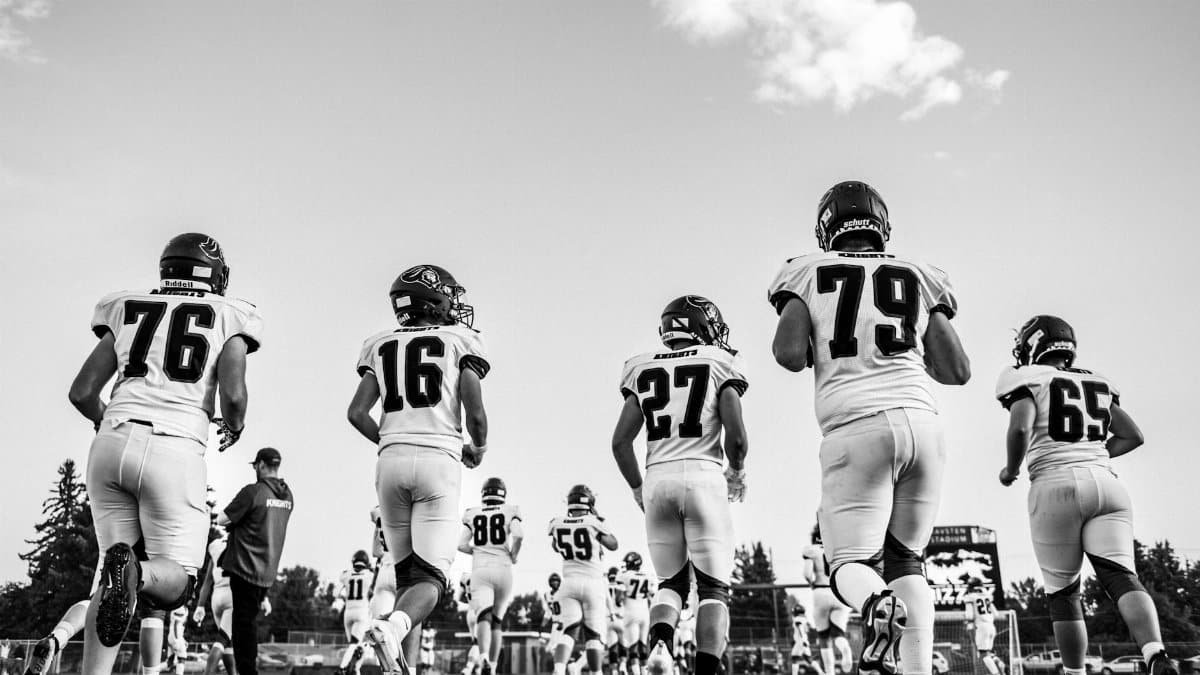
On January 22, 2026, a tech rebellion ignited across US high schools. Dubbed the “Luddite Teen” movement, it sees popular students ditching sleek iPhones for rugged Nokias. The goal? Curb rising anxiety linked to constant connectivity. This pushback marks a sharp turn from digital dependence, with teens embracing simplicity amid mental health pressures. Schools nationwide report the trend spreading fast, challenging the smartphone grip on youth culture.
The Rebellion Takes Hold

The movement exploded into view this week. Teens, tired of screen overload, declared war on smart devices. High school hallways buzz with talk of unplugging. Popular cliques, often trendsetters, lead the charge. They view iPhones as anxiety amplifiers, not lifelines. Nokias—basic flip phones with no apps or social feeds—offer escape. This isn’t fringe behavior. It’s a coordinated swap reshaping social dynamics in classrooms coast to coast.
Defining Luddite Teens

Luddite teens echo 19th-century machine wreckers who smashed factory tech threatening jobs. Today’s version targets personal gadgets fueling stress. The label fits: these students rebel against addictive smartphones. iPhones symbolize endless notifications, doomscrolling, and FOMO. Nokias deliver calls and texts only. No Instagram reels. No TikTok traps. The movement prioritizes mental clarity over digital dazzle, proving low-tech can reclaim attention spans.
Sweeping US High Schools

From California to New York, the trend dominates. High schools see clusters of Nokia users forming organically. Lunch tables divide between iPhone addicts and flip-phone converts. The sweep suggests broader discontent. Teens report clearer heads without algorithmic pulls. Schools note improved focus in class. This nationwide momentum builds on quiet gripes about tech’s toll. By 2026, it’s no whisper—it’s a roar echoing through lockers and cafeterias.
Popular Kids Drive the Shift

It’s not outsiders pushing this. The most influential students spearhead it. Jocks, cheerleaders, and social media stars lead. Their endorsement flips the script: coolness now means going analog. Swapping iPhones signals strength, not deprivation. Peers follow, fearing exclusion from the new elite. This top-down adoption accelerates spread. Popularity, once tied to follower counts, hinges on unplugging. The irony? Rejecting tech boosts real-world status.
iPhones Out, Nokias In
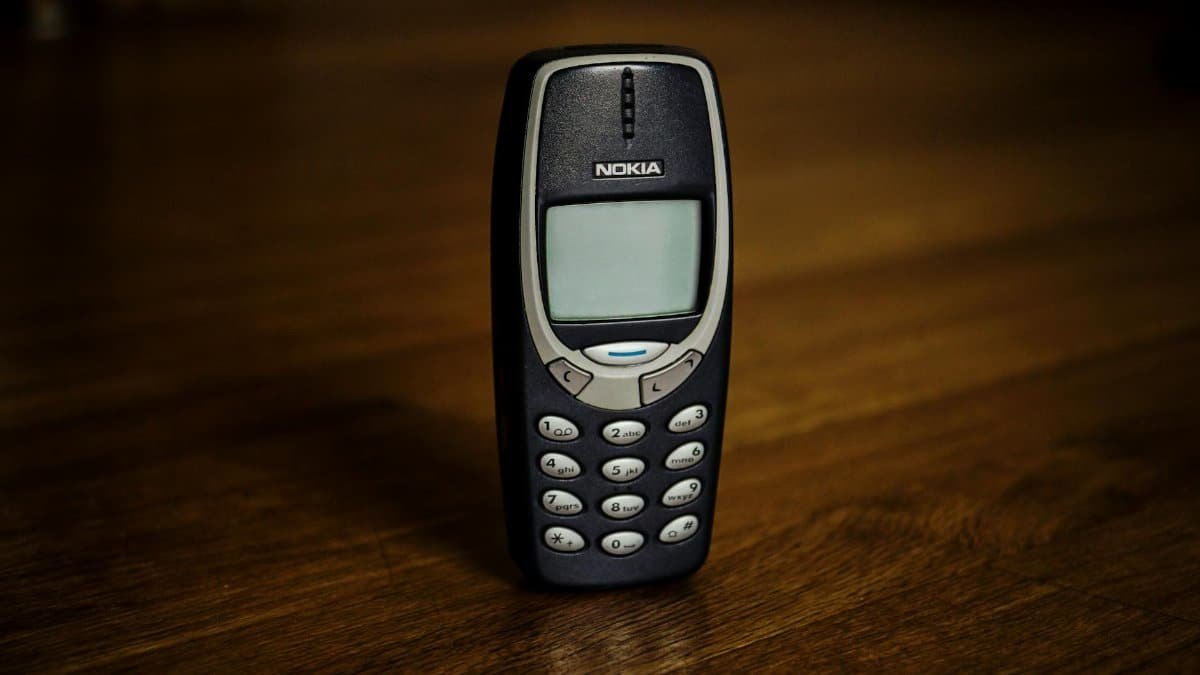
The swap is literal and symbolic. iPhones hit the drawer; Nokias emerge from storage. These indestructible flips—relics of the early 2000s—handle basics without bells. No cameras. No browsers. Battery lasts days. Teens stock up on eBay models, customizing with stickers. The ritual draws crowds. Friends cheer first calls on the old tech. This hardware pivot underscores commitment. Smartphones gather dust as anxiety dips.
Anxiety as the Core Target

Anxiety fuels the fire. Constant pings spike stress, studies confirm. Excessive screen time correlates with teen mental health woes, per CDC data on youth risk behaviors. Luddite teens act on it. Ditching apps cuts comparison traps. Sleep improves sans blue light. Face-to-face chats replace swipes. Early adopters claim calmer minds, sharper focus. The movement positions Nokias as therapy tools, not toys.
Why the Nokia Comeback?
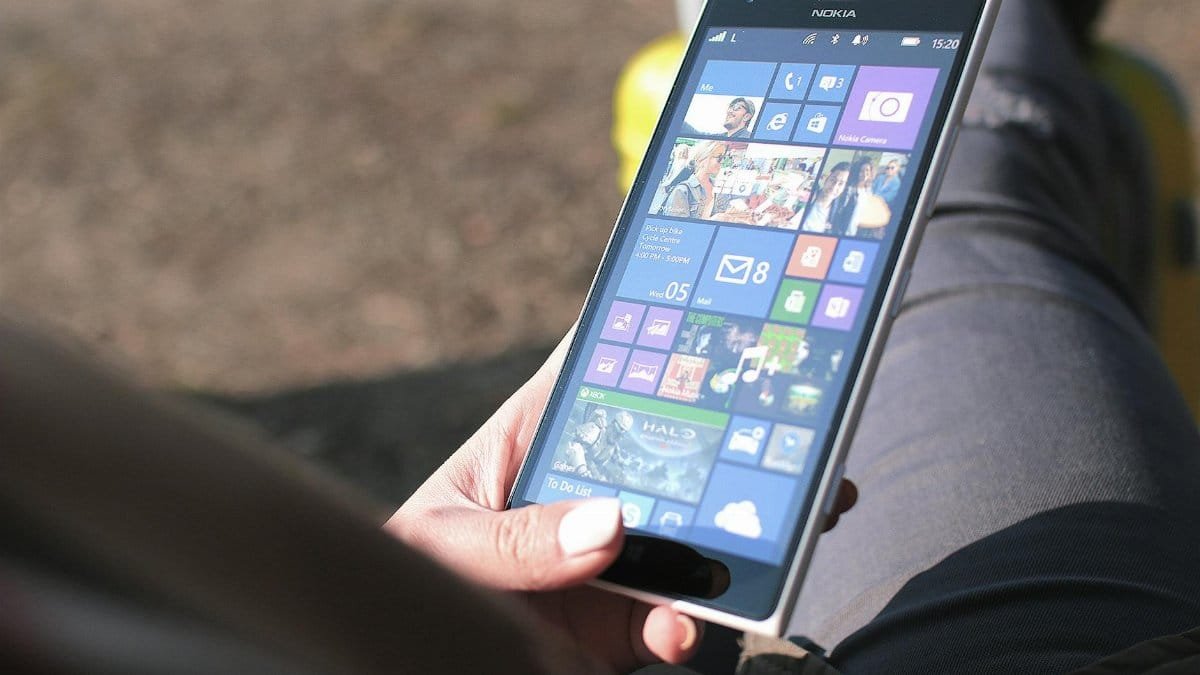
Nokias embody reliability. Snake game nostalgia helps, but function rules. Indestructible builds survive drops. Long talk times beat iPhone drains. No updates needed. Teens praise the freedom: walk without GPS leash. Parents approve, citing safety sans tracking apps. Retailers report flip-phone surges. This revival taps 2026’s fatigue with fragility. Luddite teens prove durable tech endures.
Signs of Lasting Change

Momentum builds toward permanence. Groups form around no-smartphone pledges. Influence spreads via word-of-mouth, ironically avoiding social media. Schools eye policies supporting the shift. Mental health advocates nod approval, linking reduced use to better outcomes, as detailed in Pew Research on teen tech habits. Luddite teens challenge norms. If anxiety eases, expect wider adoption. The rebellion tests if America’s youth can rewrite tech’s rules.
Challenges Ahead for the Movement

Not all buy in. Social isolation looms for holdouts. Coordinating hangouts sans apps tests grit. Emergencies demand workarounds. Yet converts push through. Popularity shields doubters. The movement’s strength lies in communal buy-in. As 2026 unfolds, watch high schools. Luddite teens could redefine normal, proving less screen yields more life.