
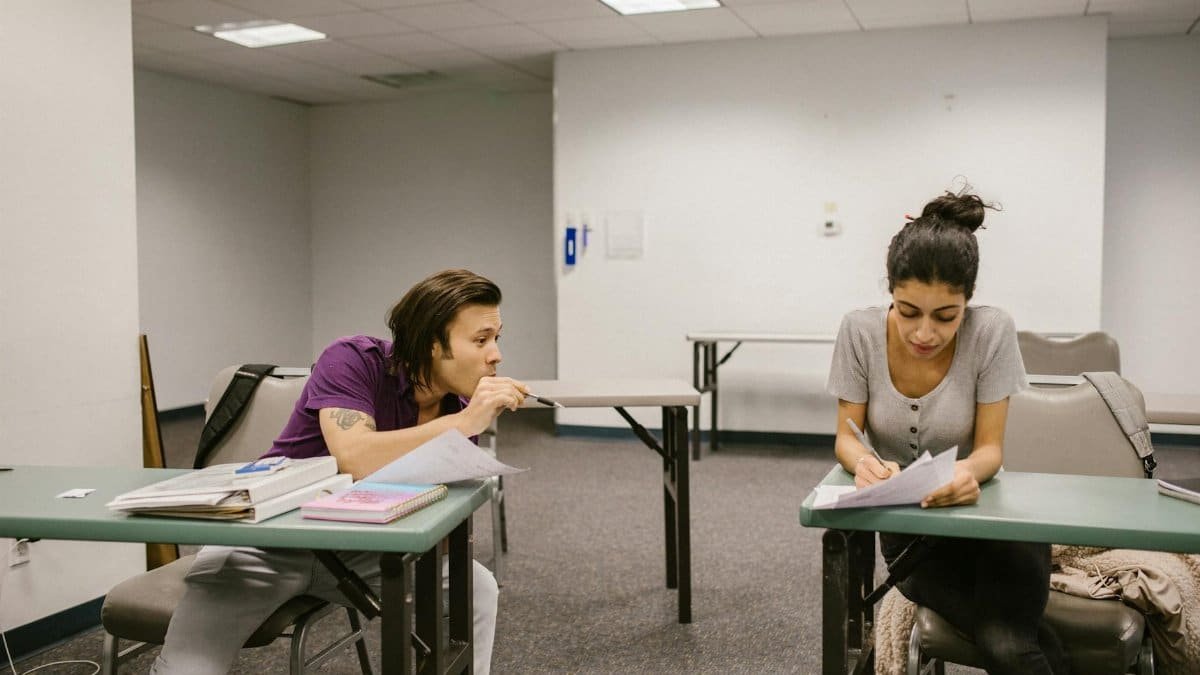
Did you survive “Janalogue”? On January 15, 2026, participants reflected on the grueling month-long push to ditch digital life entirely. Thousands took up the janalogue trend, committing to a fully analog January—no apps, no streaming—for 31 straight days. The goal? Reset their brains amid constant screen overload. This offline movement gained traction as a radical detox, testing resolve in an always-connected world.
What Sparked the Janalogue Challenge?

The janalogue trend emerged as a direct response to digital fatigue. By January 2026, screens dominated daily routines, from morning alarms to bedtime scrolls. Participants sought a clean break. The challenge demanded total immersion in analog living: physical books over e-readers, face-to-face talks instead of texts, and quiet evenings without video feeds. Thousands answered the call, turning January into a nationwide experiment in disconnection.
Strict Rules Defined the Experience
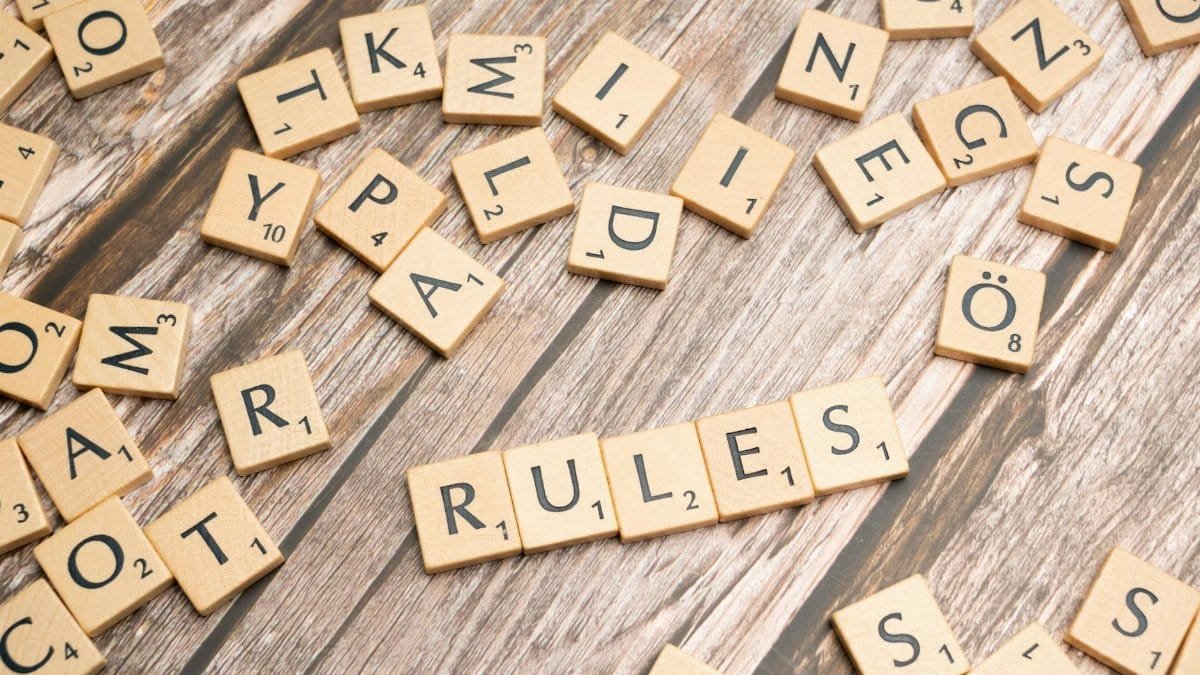
No apps meant no smartphones for navigation, fitness tracking, or social feeds. Streaming services stayed off-limits, eliminating Netflix binges and YouTube rabbit holes. Clocks ticked on walls, not wrists. Music came from vinyl or live instruments. For 31 days, every interaction reverted to pre-digital basics. This setup forced reliance on memory, maps, and real-world cues, stripping away the crutches of modern tech.
Thousands Embraced the Offline Shift
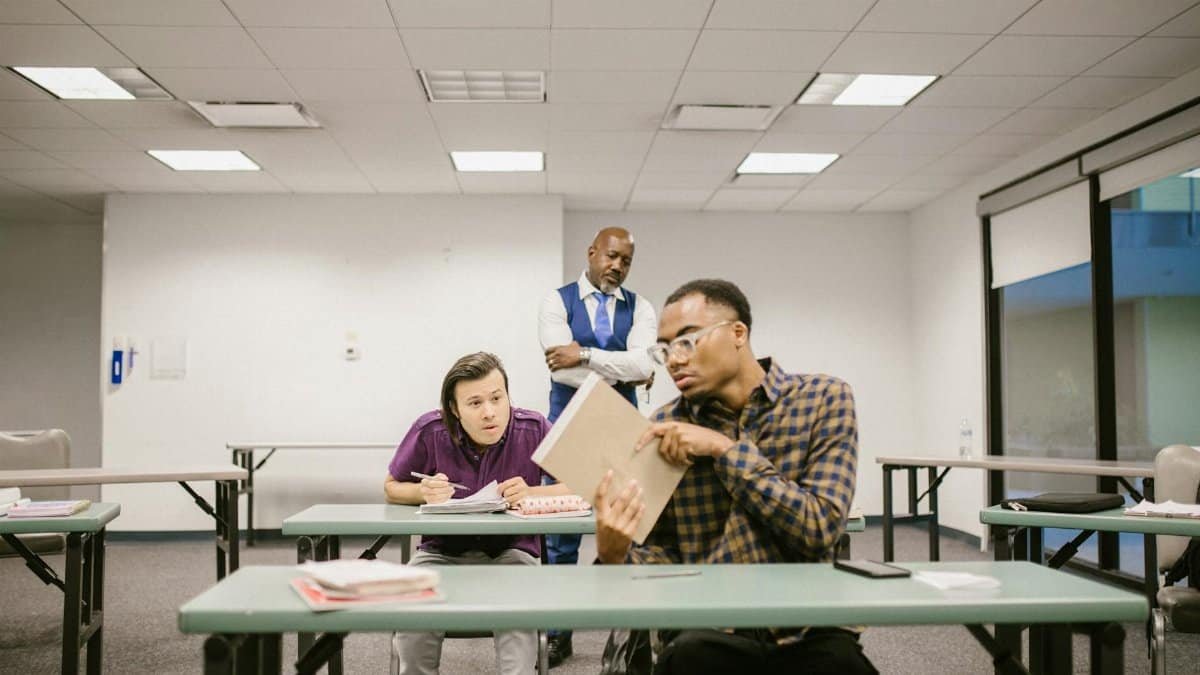
Participation swelled into the thousands across the U.S. Friends shared paper journals. Families gathered around board games. The scale surprised even organizers, as word spread through non-digital channels like flyers and word-of-mouth. By mid-January, stories of endurance filled community spaces. The janalogue trend tapped into a collective craving for simplicity, proving broad appeal in a tech-saturated era.
Brain Reset as the Core Promise
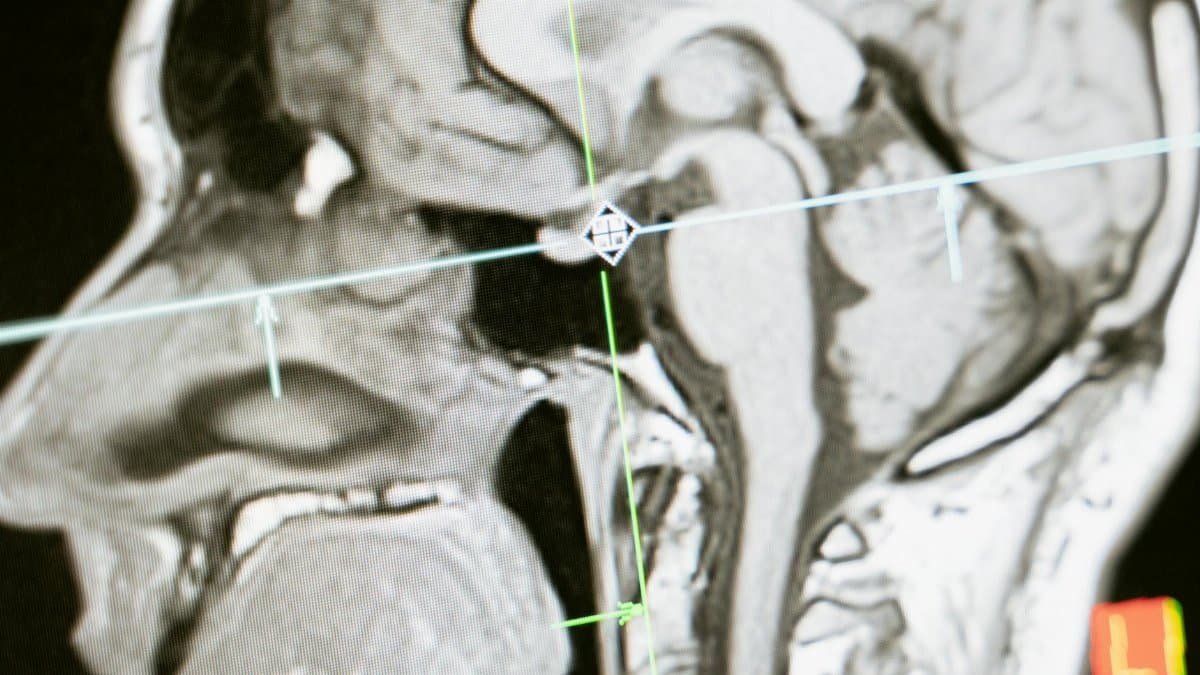
At its heart, Janalogue aimed to rewire overstressed minds. Constant app notifications and streaming marathons fragment attention, research shows. Pew Research Center data highlights how Americans average hours daily on social platforms, fueling anxiety. Going analog promised mental clarity: deeper sleep, sharper focus, reduced doom-scrolling. Participants bet on this reset to reclaim cognitive space lost to screens.
Daily Life Transformed by No-Tech Rules
Mornings started with sunlight, not alarms. Navigation relied on landmarks and compasses. Cooking drew from recipe cards, not apps. Even exercise went old-school—jogging without trackers, yoga by feel. Streaming bans killed passive entertainment, pushing active pursuits like reading or hobbies. The 31-day stretch revealed how deeply apps and streams embed in routines, making every hour a negotiation with boredom or ingenuity.
Challenges Tested Participant Grit

Surviving Janalogue was no small feat. Cravings for quick dopamine hits from likes or episodes hit hard. Social isolation loomed without digital check-ins. Workarounds emerged: landline calls, library visits. Yet thousands persisted, building resilience. The January 15 checkpoint marked halfway victories, with many reporting initial fog lifting into heightened awareness. This grit underscored the trend’s intensity.
Mental Health Gains in Focus
The brain reset targeted overload’s toll. Health experts link excessive screen time to sleep disruption and mood dips. National Center for Complementary and Integrative Health notes digital habits’ role in stress. Janalogue countered this with analog rhythms: nature walks, unfiltered conversations. Participants eyed lasting benefits—better concentration, calmer nerves—beyond the 31 days.
Broader Ripples in 2026 Culture
By 2026, the janalogue trend signaled pushback against tech dominance. It echoed rising offline movements, from phone-free zones to slow living. Thousands’ involvement hinted at mainstream potential. Communities formed around shared analog tools: pen pals, film cameras. The challenge spotlighted vulnerability to digital pull, urging reflection on balanced lives. January’s trial run set the stage for year-round adaptations.
Reflections at the Halfway Mark

January 15 brought candid assessments. Many celebrated small wins: rediscovered hobbies, stronger bonds. Others admitted slips but recommitted. The trend’s survival question—”Did you make it?”—captured its trial-by-fire essence. Thousands’ stories, swapped in cafes, fueled momentum. Janalogue proved disconnection builds unexpected strengths, reshaping how people view tech’s grip.
The janalogue trend wrapped January 2026 with lessons in limits. Thousands emerged analog-tested, brains ostensibly rebooted. As screens beckon back, the movement lingers as a reminder: true reset demands full unplug. Will it inspire February holdouts? Time will tell.