

Why break up with your bestie when professional help is available? Friendship therapy is surging in 2026, offering platonic pairs a structured way to mend fraying bonds. Modeled after couples counseling, this emerging practice targets best-friend relationships on the brink. Instead of ghosting or drifting apart, friends now turn to therapists to unpack conflicts, rebuild trust, and strengthen connections. Therapists guide sessions focused solely on non-romantic ties, addressing issues like mismatched expectations or life-stage shifts. As social isolation rises, this trend signals a shift: friendships deserve the same investment as romantic partnerships.
What Drives the Rise of Friendship Therapy?
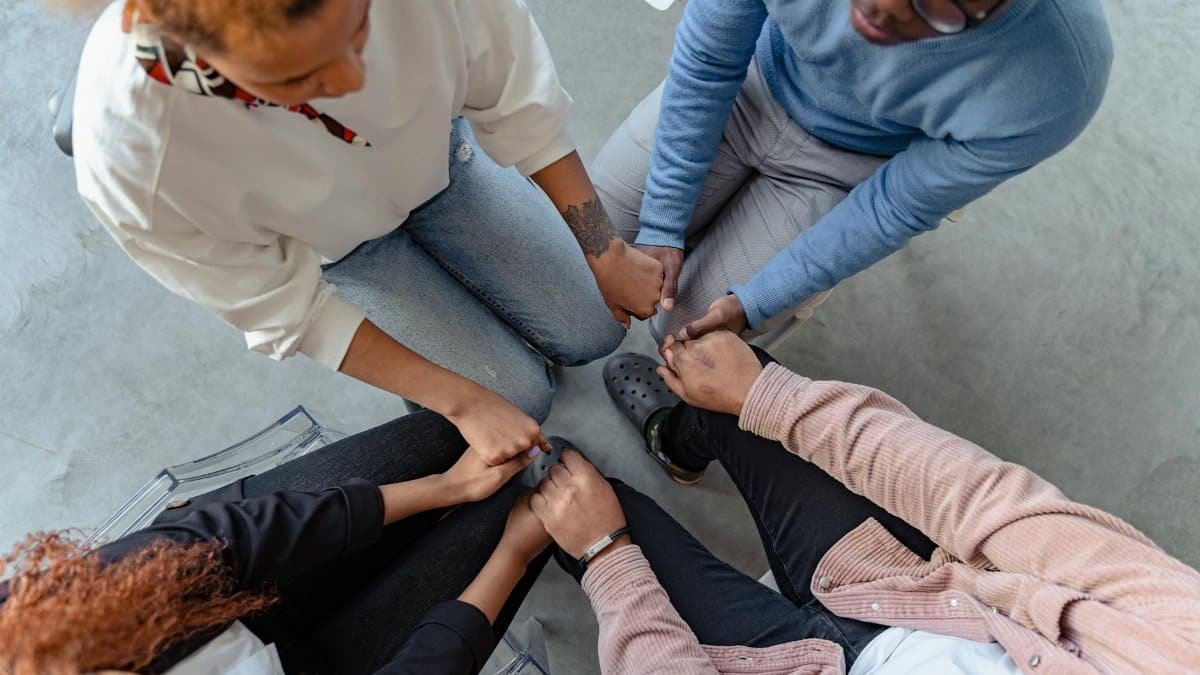
In 2026, friendship therapy gains traction amid busy lives and evolving social norms. Platonic pairs seek it to avoid “breakups” with their closest allies. The core appeal lies in professional intervention before resentment builds. Therapists help friends navigate unspoken tensions, much like marriage counselors do for spouses. This isn’t casual advice—it’s targeted sessions unpacking communication breakdowns. Demand spikes as people recognize besties as vital support networks, especially post-pandemic when isolation highlighted relational fragility. Early adopters report renewed closeness, proving therapy’s value beyond romance.
How Friendship Therapy Mirrors Couples Counseling

Friendship therapy borrows heavily from couples counseling playbooks. Both involve neutral facilitators mediating disputes. Sessions dissect patterns like one-sided emotional labor or jealousy over new circles. Unlike romantic therapy, though, it skips intimacy issues, zeroing in on loyalty and shared history. Therapists use tools like active listening exercises tailored for friends. The goal: salvage irreplaceable bonds. This parallel underscores a broader truth—any deep connection risks fracture without maintenance. In 2026, clinics adapt couples models for platonic duos, filling a market gap.
Common Triggers for Platonic Pairs

What pushes best friends to therapy? Life changes top the list. Moves, career pivots, or family demands strain old rhythms. One friend might outgrow the dynamic, leaving the other feeling sidelined. Unresolved grudges from past slights fester unchecked. Social media amplifies comparisons, breeding envy. Without romantic stakes, friends often avoid confrontation, letting rifts widen. Therapy intervenes here, validating both perspectives. It reframes “bestie” roles realistically, preventing total fallout. This proactive step defines 2026’s trend: treating friendships as worthy of rescue.
The Structure of a Typical Session

Friendship therapy sessions unfold methodically. Couples start with ground rules; platonic pairs do the same, committing to honesty. Therapists probe origins of discord—perhaps neglected birthdays or unbalanced support. Exercises include role reversals, where friends voice each other’s frustrations. Homework reinforces insights, like scheduled check-ins. Multiple sessions build momentum, culminating in action plans. Unlike self-help books, this hands-on approach yields accountability. Professionals emphasize boundaries, ensuring therapy strengthens rather than exposes vulnerabilities. Results? Deeper, more resilient ties.
Benefits Beyond Saving the Friendship

Therapy for friends yields ripple effects. Participants gain communication skills applicable elsewhere—work, family, new bonds. It combats loneliness, a public health crisis. Studies on social connections affirm friendships’ role in mental health, akin to exercise for the body.American Psychological Association research highlights how strong platonic ties buffer stress. In 2026, this therapy empowers individuals to nurture networks intentionally. Friends emerge equipped, reducing reliance on overburdened romantic partners.
Challenges in Seeking Platonic Help

Not every duo embraces therapy. Stigma lingers—friends hesitate, fearing it signals weakness. Cost barriers hit harder without insurance parity to couples coverage. Finding specialized therapists proves tricky; many train primarily in romance. Scheduling clashes disrupt momentum. Yet, 2026 sees platforms emerge, matching platonic pairs virtually. Persistence pays off, as early hurdles fade against progress. Critics question if friendships warrant such effort, but proponents counter: why discard history lightly? Overcoming these makes success sweeter.
Real-World Impact in 2026

Across U.S. cities, friendship therapy reshapes social landscapes. Urban professionals, juggling demands, lead adoption. Virtual options expand access, democratizing help. Therapists note quicker resolutions than in romantic cases—no breakup ultimatums complicate matters. Anecdotal shifts appear: fewer “friendship ghostings” in social feeds. This trend aligns with wellness culture, prioritizing all relationships. As platonic pairs invest, communities strengthen. Data from mental health outlets tracks the uptick, mirroring meditation’s mainstreaming.Psychology Today insights on relational therapy underscore the timeliness.
Why Fight for Your Bestie Now?
Breakups with besties leave voids no new acquaintance fills. Friendship therapy flips the script, arming pairs against drift. It validates platonic love’s depth, urging action over apathy. In 2026, as connections fray under digital distractions, this practice stands out. Professionals guide without judgment, fostering empathy. The payoff: enduring allies through life’s turns. Skipping it risks regret—why let besties fade when help abounds? This rise proves friendships merit the fight, just like any vital bond.
Word count: 842