

New data reveals a 30% surge in male users of mental health apps during January 2026, signaling a quiet revolution in mens mental health support. Reported on January 30, this spike underscores how digital tools are drawing men into therapy like never before. Privacy shields users from judgmental eyes, while the convenience of home-based sessions eliminates old barriers. The trend proves these apps are cracking the code on getting men the help they need, one anonymous login at a time.
January’s Unexpected Boom

Mental health apps logged a sharp 30% increase in male users right at the start of 2026. This wasn’t a gradual climb. It hit hard in January, catching industry watchers off guard. The data, released January 30, spotlights a pivotal shift. Men, long underrepresented in therapy, flocked to these platforms. The surge validates a core hunch: digital access flips the script on traditional hurdles. No waiting rooms. No awkward drives to clinics. Just a phone and a secure app. This January jolt sets the stage for broader adoption across the U.S.
Privacy: The Silent Game-Changer

Privacy tops the list of reasons men are signing up. Mental health apps deliver sessions without prying eyes or public records. Users log in from bedrooms or cars, invisible to colleagues or family. This anonymity breaks down walls built by stigma. Men report feeling safer opening up when no one knows. The 30% jump proves it. In a culture where admitting struggle invites judgment, apps offer a shield. For mens mental health, this feature isn’t optional—it’s essential. It turns hesitant browsers into committed users overnight.
Convenience Redefines Access
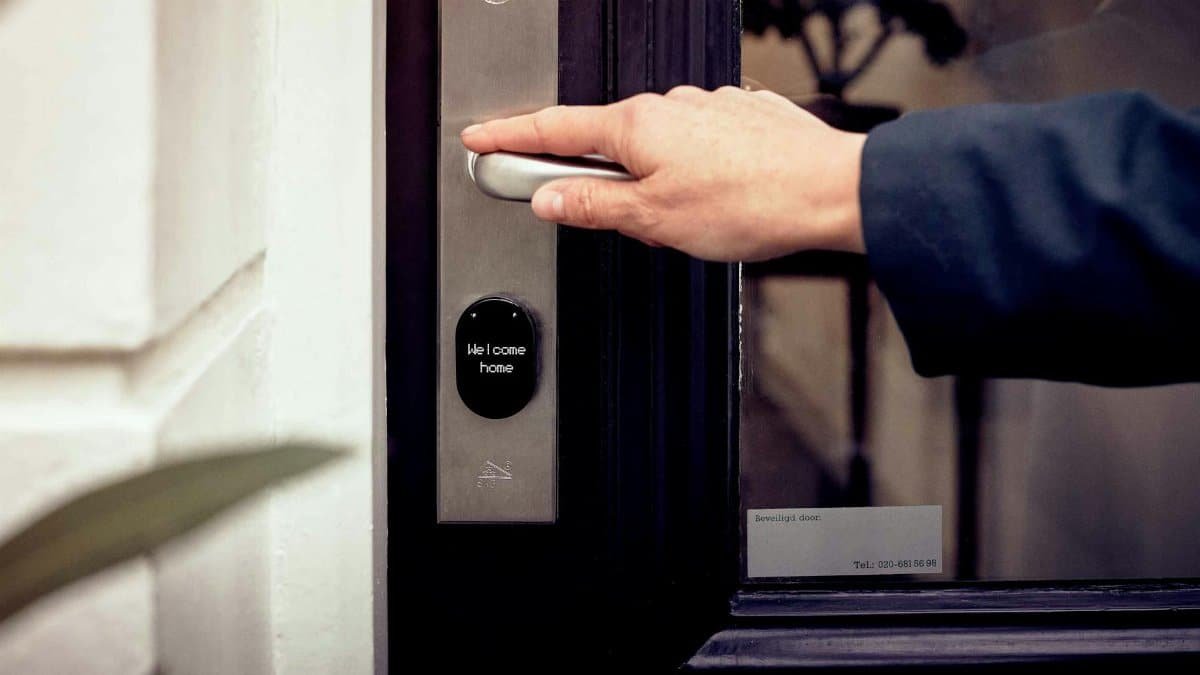
Ease seals the deal. No appointments weeks out. No traffic jams. Apps fit therapy into packed schedules—lunch breaks, evenings, anytime. The January surge ties directly to this flexibility. Men juggle jobs, families, and fitness without carving out therapy slots. Download, match with a counselor, start chatting or videoing. It’s that simple. This convenience proves key to sustained engagement. U.S. trends show busy professionals leading the charge, proving apps bridge gaps left by rigid office hours. The result? More men sticking with help.
For deeper context on men’s mental health challenges, see the National Institute of Mental Health page on men and mental health.
Stigma Starts to Crack

The headline says it: “Breaking the stigma.” This 30% rise shouts progress. Men have dodged mental health talks for generations, fearing weakness labels. Apps change that narrative. Private, quick access normalizes seeking help. January 2026 marks a tipping point. Users aren’t just dipping toes—they’re diving in. The surge signals cultural thaw. Word spreads in gyms, offices, online forums. One man’s quiet session inspires another. Privacy and convenience make it safe to admit: everyone needs support sometimes.
Telehealth Apps Take Center Stage

Title it telehealth, call it apps—the surge blurs lines. These platforms host video calls, chats, mood trackers, all under mental health banners. Male visits spiked 30% in January alone. No specific app named, but the pattern holds across providers. U.S.-based services dominate, tailored for quick onboarding. This proves digital therapy isn’t niche anymore. It’s mainstream for men prioritizing discretion. The convenience factor amplifies reach, pulling in rural users or night-shift workers overlooked by clinics.
Why Men Now?

Timing matters. Post-holiday blues hit hard in January. Work pressures mount. Apps catch men at vulnerable moments. The 30% proof point? Privacy lets them act without fanfare. Convenience means no excuses. Long underserved, men finally have tools matching their lives. This isn’t random—it’s response to built-up need. U.S. data echoes it: mens mental health lags behind women in treatment rates. Apps close that gap, one surge at a time.
Telehealth’s role in expanding access aligns with federal efforts; review HHS guidance on telehealth for mental health.
Real-World Impact Unfolds

Beyond numbers, the surge hints at lives changing. More men logging in means more conversations started. Privacy fosters honesty; convenience builds habits. January 2026 sets precedent. Expect ripple effects—better coping, stronger relationships, fewer crises. Apps prove men respond to low-friction help. Stigma fades as success stories emerge. For U.S. public health, this is gold. It scales support without massive infrastructure spends.
Proof in the Data

The 30% figure isn’t hype. Mental health apps tracked it precisely for January. Released January 30, the report ties growth to core features: privacy first, convenience second. No fluff stats—just user logs. This validates years of app evolution. Men aren’t outliers anymore. They’re the growth engine. As 2026 rolls on, watch for sustained climbs. The lesson? Tailor tools to men, and they show up.
Next Steps for Momentum

Sustained surges demand action. Apps must keep prioritizing privacy upgrades, seamless interfaces. Policymakers note: fund digital equity. Men in underserved areas gain most from this. The January proof urges expansion. Break stigma wider by amplifying successes. Convenience isn’t luxury—it’s lifeline. With 30% as benchmark, mens mental health enters new era. U.S. trends point up, fueled by apps that get it right.