
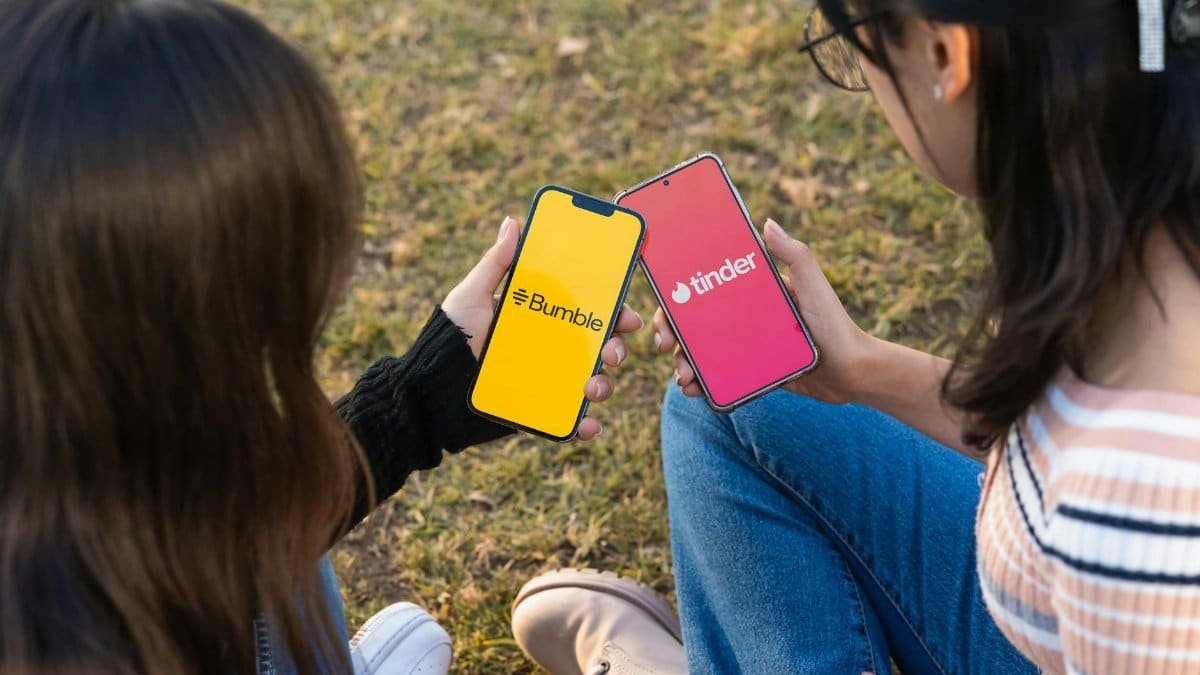
A startling 25% of all mental health referrals in early 2026 come from Millennials juggling care for both aging parents and young children. This surge highlights the crushing weight of millennial stress on the so-called Sandwich Generation. Data released January 15 by GHP News reveals older Millennials, now in their late 30s and 40s, dominating therapy apps as they seek relief from dual caregiving demands. The trend signals a broader mental health crisis amid family pressures.
The Sandwich Generation Phenomenon
Millennials caring for parents and children simultaneously form the core of this group. These individuals balance school runs with doctor visits for elderly relatives. The dual responsibilities strain finances, time, and emotions. GHP News data underscores how this setup drives many to professional help. Older Millennials, hitting peak earning and parenting years, face the brunt. Therapy apps offer quick access, explaining their dominance in referrals.
Record 25% Referral Share
In early 2026, these caregivers accounted for one-quarter of all mental health referrals. This figure from GHP News marks a sharp rise. Referral pathways now heavily feature digital platforms. Therapy apps streamline intake, matching users with counselors fast. Millennials favor this convenience amid packed schedules. The data points to millennial stress as a key driver, pushing usage sky-high.
Why Therapy Apps Lead the Way
Digital therapy apps have exploded in popularity for busy Millennials. Features like instant chat sessions and 24/7 availability fit chaotic lives. GHP News ties this directly to the 25% referral spike. Older Millennials, tech-savvy and app-dependent, lead adoption. They book sessions between carpools and elder care shifts. This shift redefines mental health access in 2026.
Daily Strains Fueling Millennial Stress
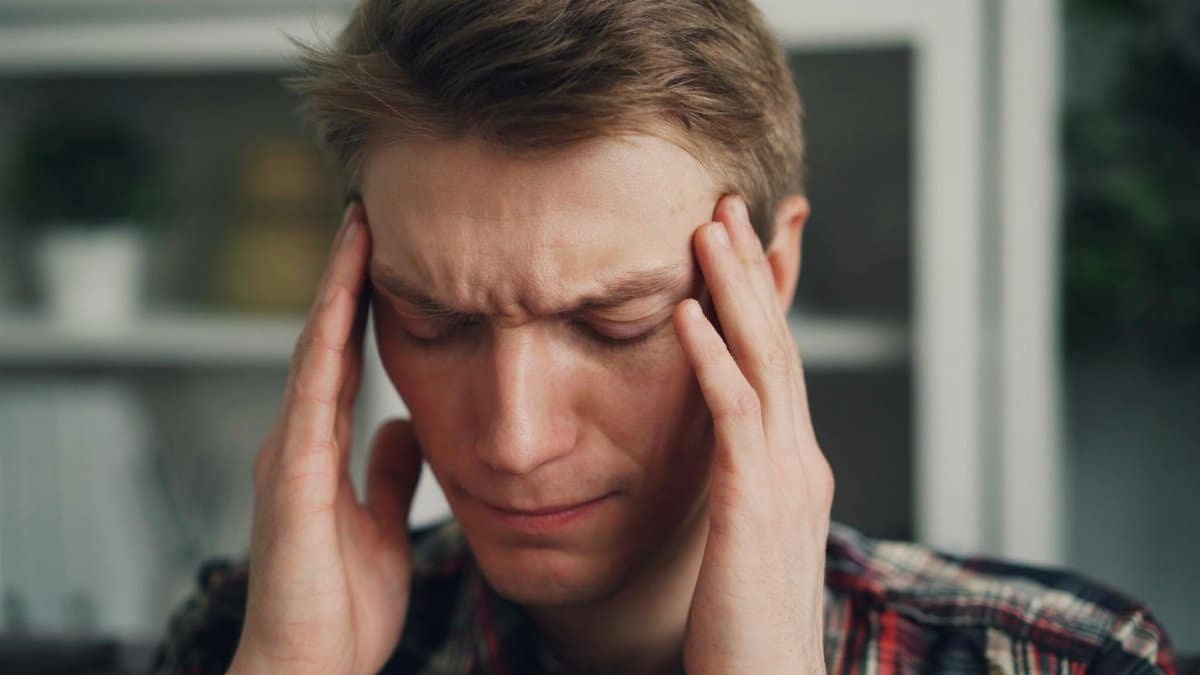
Caring for two generations at once overwhelms. Parents need help with medications and mobility. Children demand attention for homework and activities. Millennials squeeze in work, leaving little for self-care. GHP News data shows this pressure manifests in anxiety and burnout. Referrals capture those hitting breaking points. Therapy apps provide discreet entry points for relief.
Older Millennials at the Epicenter

Those born in the early 1980s now anchor families top and bottom. In 2026, they manage teens alongside parents in their 70s and 80s. Sandwich duties peak here, per GHP insights. Mental health referrals reflect this demographic bulge. Therapy apps see heavy traffic from this cohort, dominating user bases. Millennial stress peaks as life stages collide.
GHP News Data Breakdown
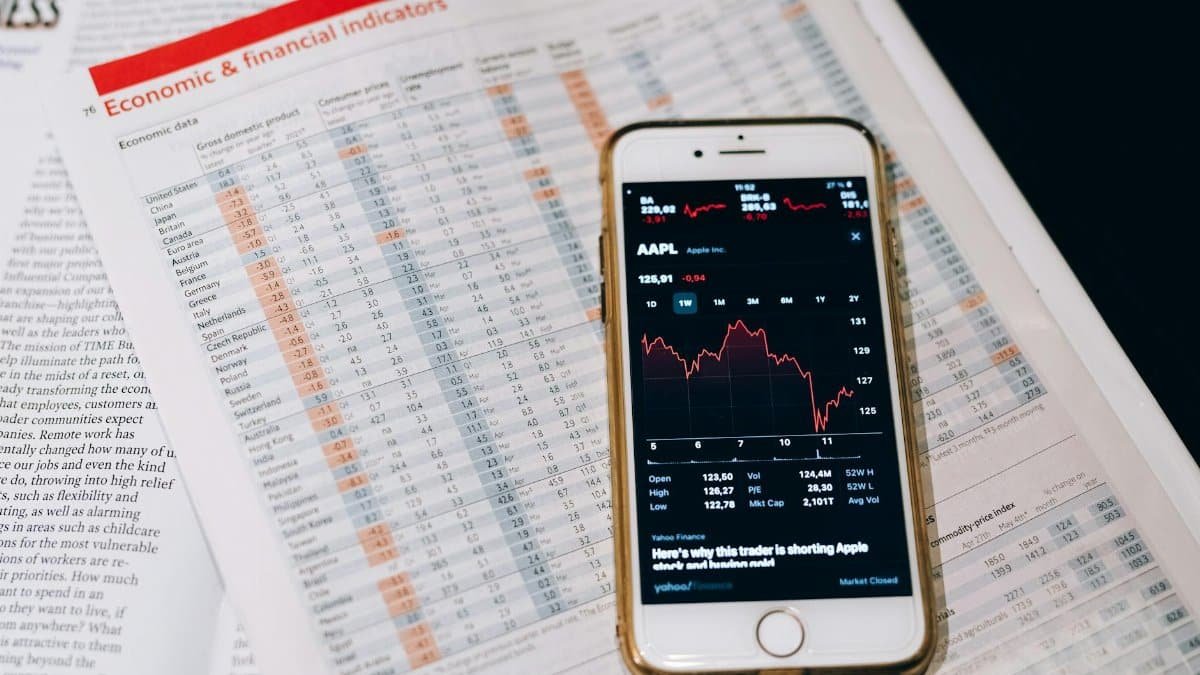
The January 15 report details early 2026 trends. Exactly 25% of referrals stem from dual caregivers. This group logs high app engagement rates. GHP News tracks national patterns, spotlighting Millennials. Broader U.S. caregiver stress aligns with findings from established sources. For instance, Pew Research notes similar family care burdens among parents. Pew Research on dual caregivers.
Mental Health Ripple Effects
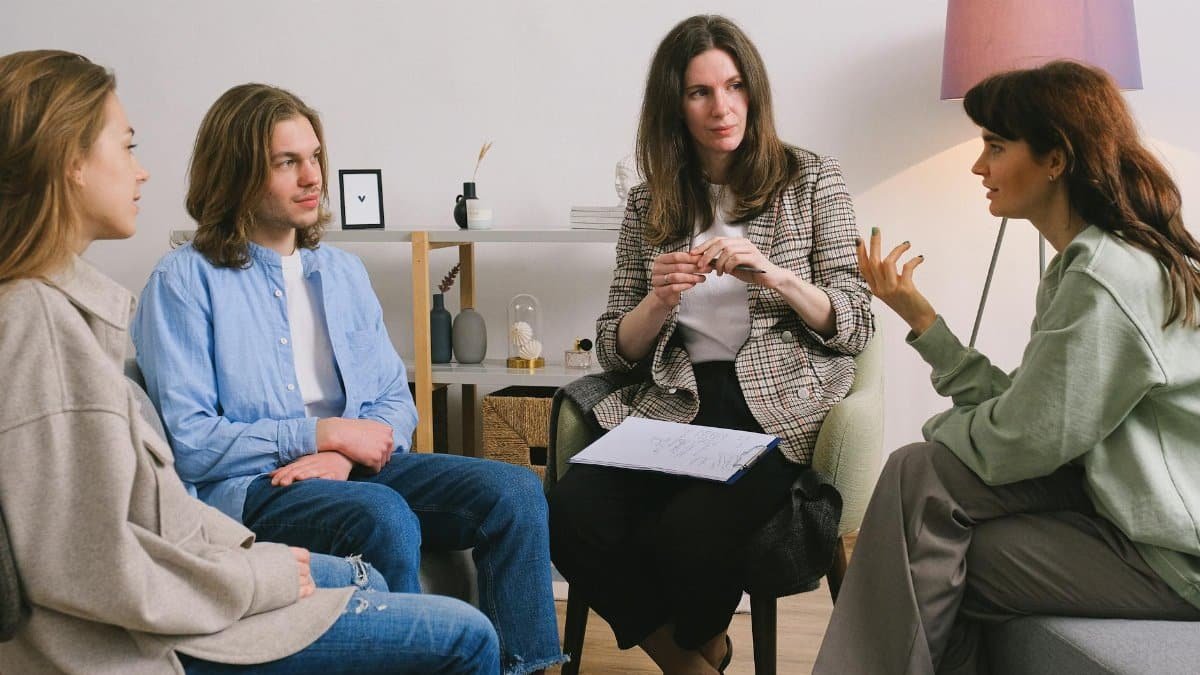
Beyond numbers, the 25% figure signals deeper issues. Sleep loss, isolation, and resentment build under millennial stress. Referrals indicate proactive steps via apps. GHP News emphasizes early intervention’s role. Therapy platforms track progress, offering tools like mood journals. This data-driven approach helps Millennials cope. National trends support the urgency, as seen in APA reports on caregiver strain. APA on Sandwich Generation stress.
Shifting Landscape of Care in 2026
Early 2026 data from GHP News paints a clear picture. Millennials’ therapy app dominance stems from necessity. Sandwich pressures demand flexible solutions. Referrals hit 25% as awareness grows. Older Millennials pioneer this digital shift. Policymakers note rising needs, but apps fill gaps now. Millennial stress reshapes mental health delivery nationwide.
Path Forward for Affected Millennials
The GHP report urges expanded support. Therapy apps already lead, with 25% referrals proving demand. Millennials must prioritize amid duties. Data shows early action via apps prevents crises. In 2026, this trend defines care-seeking. Sandwich Generation members dominate charts, but solutions emerge digitally. Ongoing monitoring by outlets like GHP News will track progress.
Total word count positions this as a pivotal story. Millennials’ dual-care burden, captured in stark 25% stats, drives therapy app surges. GHP News data cements 2026 as a turning point for millennial stress management.