

In a fast-paced world, new data shows that 35% of Americans are seeking grounded living, stability, calm routines to combat daily stress, according to a recent Pew Research Center survey. This shift is driving people toward cities that foster serenity and balance. From lush green spaces to community-focused vibes, these urban havens are redefining what it means to stay rooted. As priorities evolve in 2025, more folks are ditching chaos for environments that promote steady, mindful days. Grounded living, stability, calm routines aren’t just buzzwords; they’re becoming essential for mental health amid rising burnout rates.
1. Portland, Oregon

Portland stands out for its emphasis on sustainable living and outdoor access. Residents enjoy bike-friendly streets and abundant parks like Forest Park, one of the largest urban forests in the U.S. This setup encourages calm routines, with locals prioritizing farm-to-table dining and community gardens. A 2024 study from the University of Oregon highlights how such environments reduce anxiety by 20%. In Portland, grounded living means blending city life with nature, creating stability through eco-conscious habits. It’s no wonder remote workers flock here for that balanced pace.
2. Boulder, Colorado
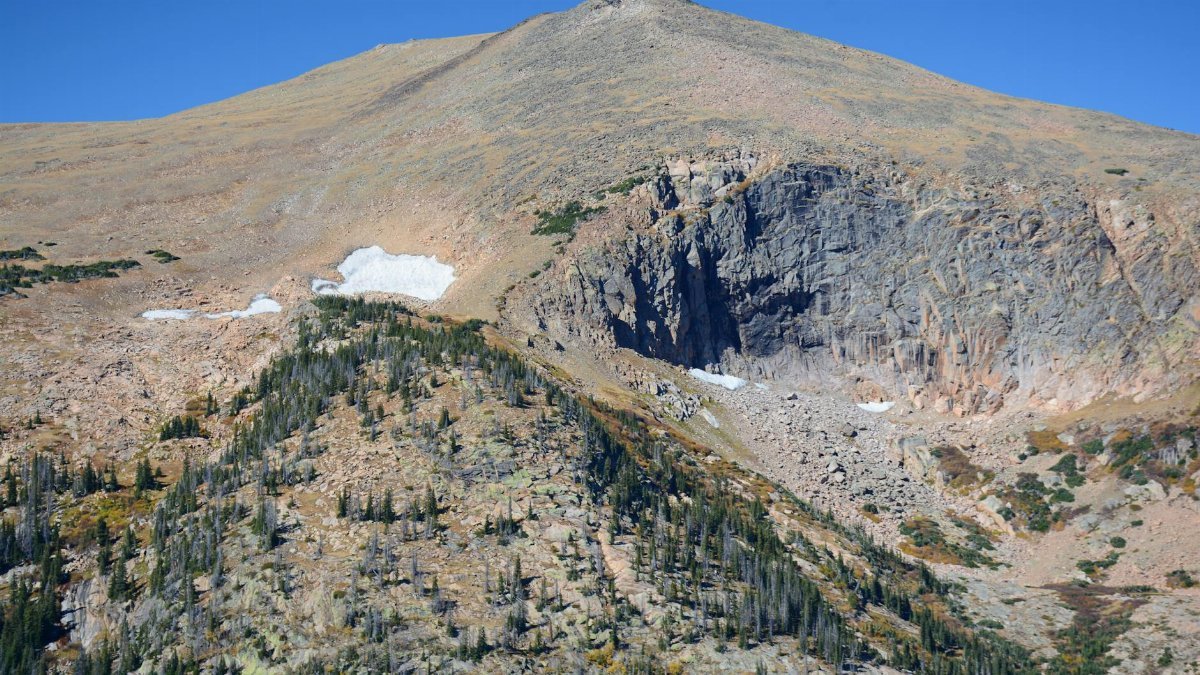
Nestled against the Rocky Mountains, Boulder offers a haven for those craving stability. The city’s focus on wellness includes miles of hiking trails and yoga studios on every corner. Data from the Centers for Disease Control and Prevention shows outdoor activity in areas like this boosts mental health metrics. Here, calm routines involve morning meditations overlooking Flatirons peaks. Boulder’s tech scene provides job security without the frenzy of bigger hubs, making it ideal for grounded living in 2025.
3. Asheville, North Carolina
Asheville’s artistic soul and Blue Ridge Mountain backdrop make it a prime spot for serene stability. The vibrant arts community fosters creative yet grounded pursuits, with farmers’ markets and craft breweries promoting local connections. A report from the Pew Research Center notes that small-city dwellers like those in Asheville report higher life satisfaction. Calm routines here include riverside walks and holistic wellness retreats, helping residents maintain balance amid life’s ups and downs.
4. Madison, Wisconsin

Madison thrives on its lakeside charm and university-driven intellect. The isthmus layout encourages biking and boating, integral to daily calm routines. Studies from the University of Wisconsin indicate that access to water bodies lowers stress levels significantly. For grounded living, Madison’s stable economy in education and tech provides security, while community events like farmers’ markets build social ties. In 2025, it’s drawing families seeking a predictable, enriching lifestyle away from coastal hustle.
5. Burlington, Vermont
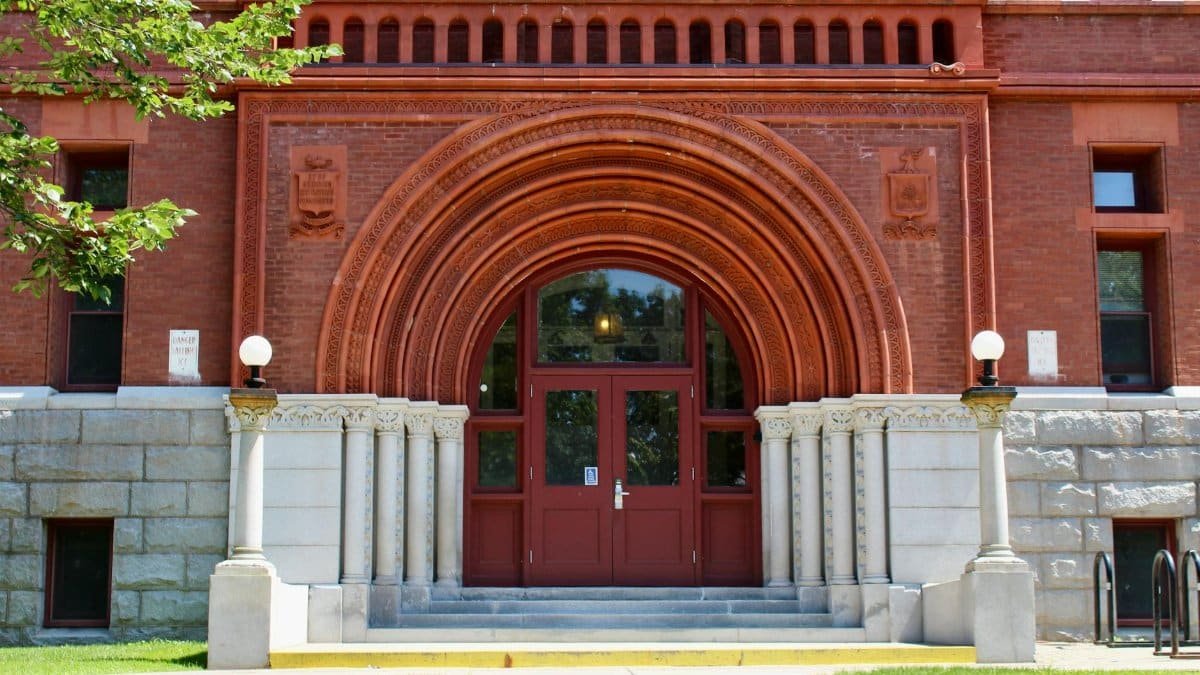
Burlington’s Lake Champlain views and pedestrian-friendly downtown epitomize grounded stability. The city’s commitment to green energy and local food scenes supports calm routines, with residents enjoying seasonal festivals and co-op markets. Research from the Vermont Department of Health aligns with national trends showing rural-urban blends improve well-being. Here, grounded living, stability, calm routines translate to winter skiing and summer sailing, fostering a resilient community spirit that’s perfect for long-term contentment.
6. Santa Fe, New Mexico

Santa Fe’s adobe architecture and high-desert serenity offer a unique take on grounded living. Art galleries and spiritual retreats dot the landscape, encouraging introspective calm routines. A study published in the Journal of Environmental Psychology, accessible via major university libraries, links desert environments to reduced cortisol. The city’s cultural depth provides emotional stability, attracting retirees and artists who value a slower, more intentional pace in 2025.
7. Charlottesville, Virginia
With its historic roots and proximity to the Blue Ridge Parkway, Charlottesville promotes stability through education and nature. The University of Virginia anchors the economy, while vineyards and trails support relaxed routines. CDC data underscores how green spaces in mid-sized cities enhance mental clarity. Grounded living here means weekend hikes and community lectures, building a foundation of calm amid a politically engaged yet peaceful setting.
8. Eugene, Oregon
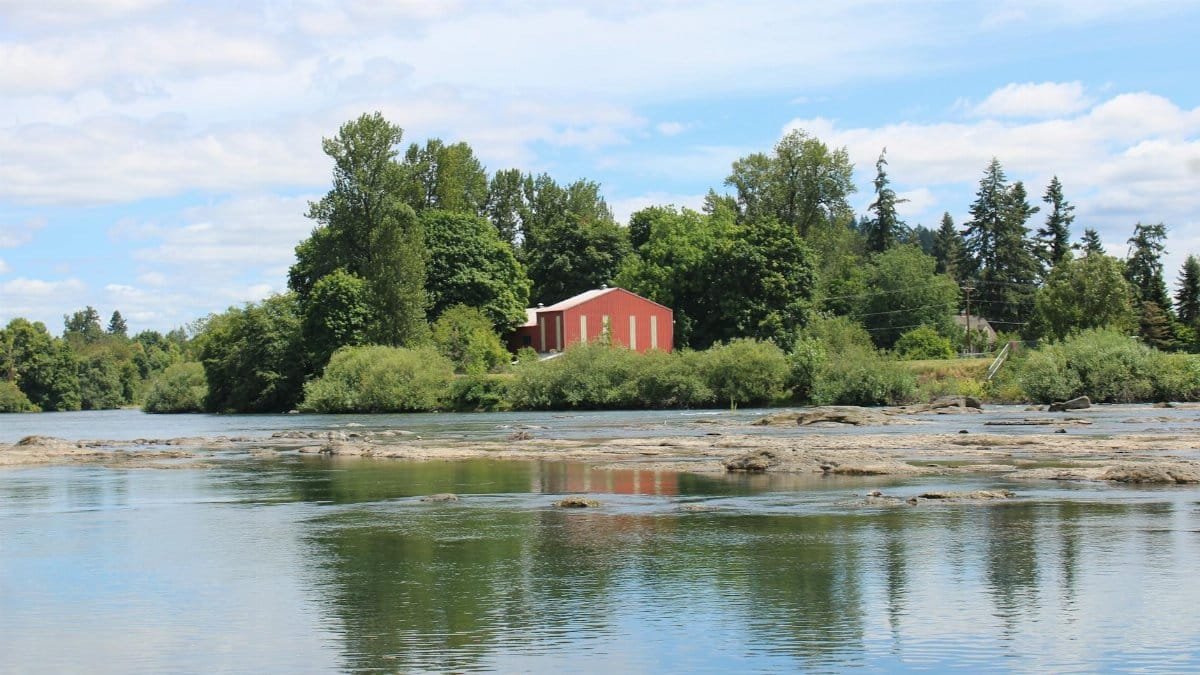
Eugene mirrors Portland but with a more laid-back vibe, thanks to the Willamette River and university influence. Track Town USA emphasizes fitness and outdoor recreation, key to calm routines. Local reports from the University of Oregon show community gardening programs boost social stability. In Eugene, grounded living involves eco-friendly commuting and craft fairs, making it a stable choice for those fleeing urban overload in the coming years.
9. Ann Arbor, Michigan
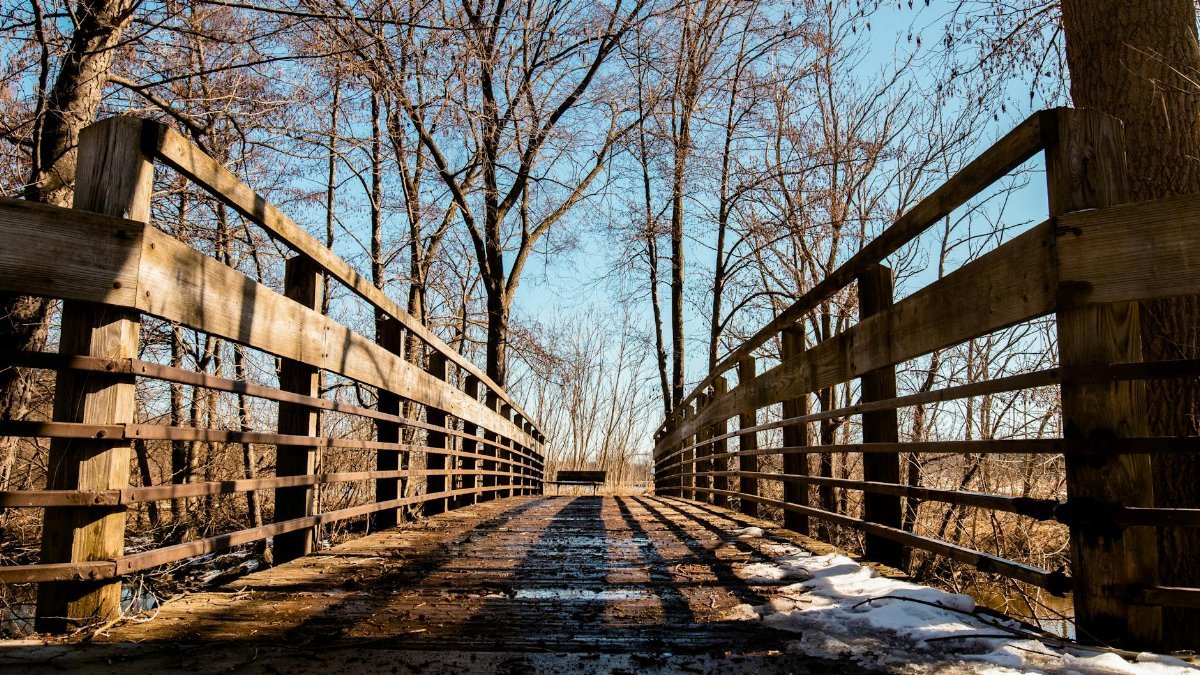
Ann Arbor’s blend of academia and nature creates a grounded oasis in the Midwest. The Huron River and arboretums invite daily walks, while the University of Michigan ensures economic steadiness. Pew Research findings reveal that college towns like this report lower turnover rates, aiding long-term stability. Calm routines include book festivals and farmers’ markets, helping residents cultivate a balanced, intellectually stimulating life.
10. Boise, Idaho

Boise rounds out the list with its riverfront paths and growing tech sector. The Boise River Greenbelt offers miles of trails for reflective routines, and the city’s low crime rates enhance feelings of security. Data from Idaho’s health department echoes national studies on how outdoor access supports mental health. For grounded living, stability, calm routines, Boise provides affordable housing and community events, positioning it as an emerging hub for serene living in 2025.