

Intro

New data shows 40% of Americans report higher stress levels in 2025, according to a recent Pew Research survey. Amid economic pressures and daily chaos, habits calming stress are gaining traction as simple fixes. From deep breathing to mindful walks, these practices promise quick relief without fancy tools. Experts say incorporating them daily can lower cortisol and boost focus. In Washington state, where tech hubs amplify burnout, residents are turning to these habits calming stress to reclaim calm. This shift highlights a broader U.S. trend toward accessible mental health strategies.
1. Deep Breathing Techniques
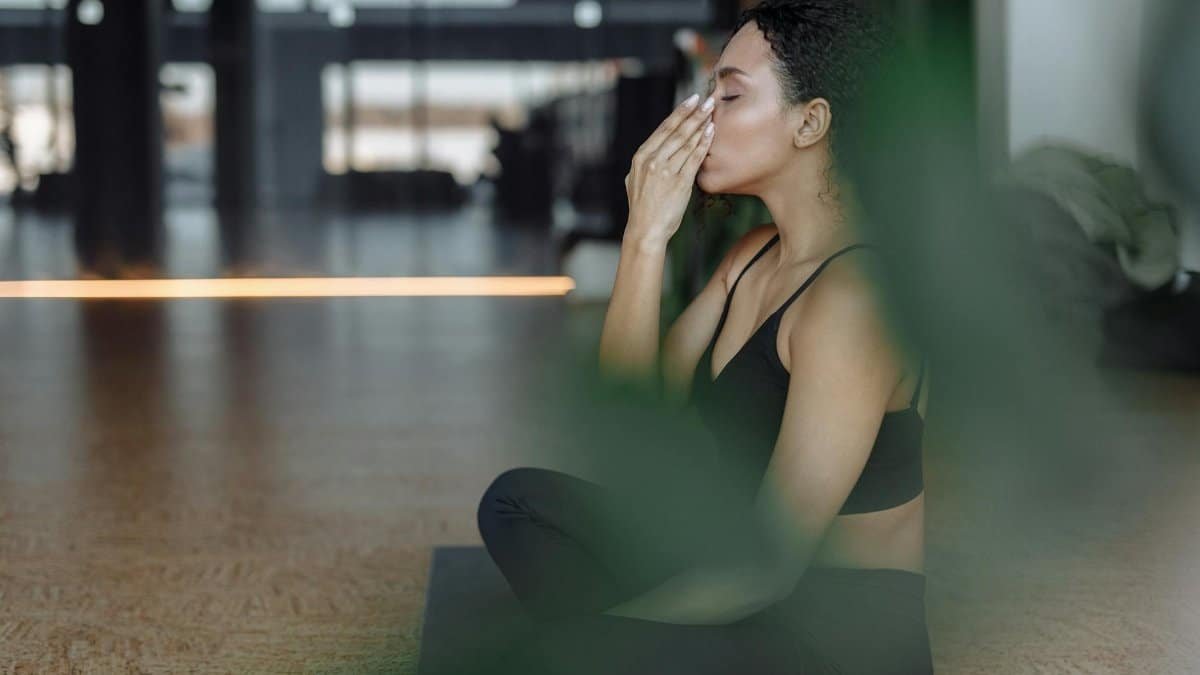
Start with the basics. Deep breathing tops the list for immediate stress relief. Inhale slowly for four counts, hold, then exhale. It’s a go-to in high-pressure spots like Seattle offices. A study from the National Institutes of Health links this to reduced anxiety. Workers report sharper decisions after just minutes. No equipment needed, making it ideal for on-the-go calm. In 2025, apps amplify its reach, but the core remains simple. Try it during commutes or breaks. Consistency turns it into a reflex against tension.
2. Progressive Muscle Relaxation
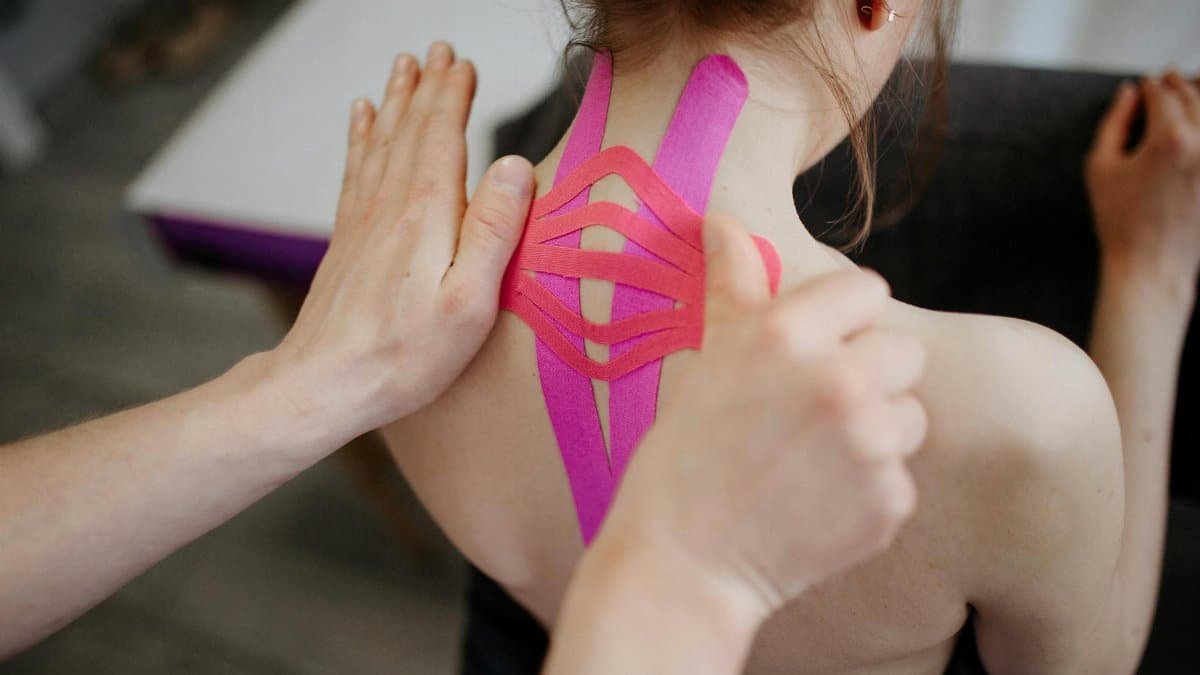
Tense and release muscle groups one by one. This habit eases physical stress buildup. Begin with toes, work up to the head. Research from the American Psychological Association shows it cuts stress hormones effectively. Washingtonians use it post-hike or after long drives. It’s discreet, perfect for desk jobs. Pair with evening routines for better sleep. Users say it melts away the day’s knots. In bustling cities like Tacoma, it’s a quiet rebellion against constant hustle. Build it into your schedule for lasting benefits.
3. Mindful Meditation Sessions

Sit quietly and focus on the present. Even five minutes counts. This habit calming stress rewires the brain over time. A Harvard study confirms it strengthens emotional regulation. In Washington’s rainy climate, indoor sessions fit seamlessly. Tech pros in Redmond swear by morning meditations. It curbs reactive responses to emails or deadlines. Free guides abound online, democratizing access. Track progress with journals. As 2025 brings more remote work, this practice keeps minds grounded amid virtual noise.
4. Nature Walks and Outdoor Time

Step outside for a brisk walk. Nature exposure slashes stress, per findings from the University of Washington. Forests or parks work wonders. In the Evergreen State, trails offer prime spots. It boosts endorphins and clears mental fog. Aim for 20 minutes daily. Urban dwellers adapt with city parks. Combine with light stretching for extra punch. Studies link it to lower blood pressure. In 2025, with climate awareness rising, it’s a green way to unwind. Make it a family affair for added connection.
5. Journaling for Reflection

Write down thoughts to process emotions. This habit organizes chaos. A report from the American Psychological Association highlights its role in stress management. Washington residents use it to navigate seasonal affective disorder. Jot gratitudes or worries nightly. It prevents buildup of unresolved issues. Digital or paper works. Therapists recommend it alongside talk sessions. In fast-paced 2025, it fosters self-awareness. Start small to avoid overwhelm. Over time, patterns emerge, guiding better choices.
6. Herbal Tea Rituals
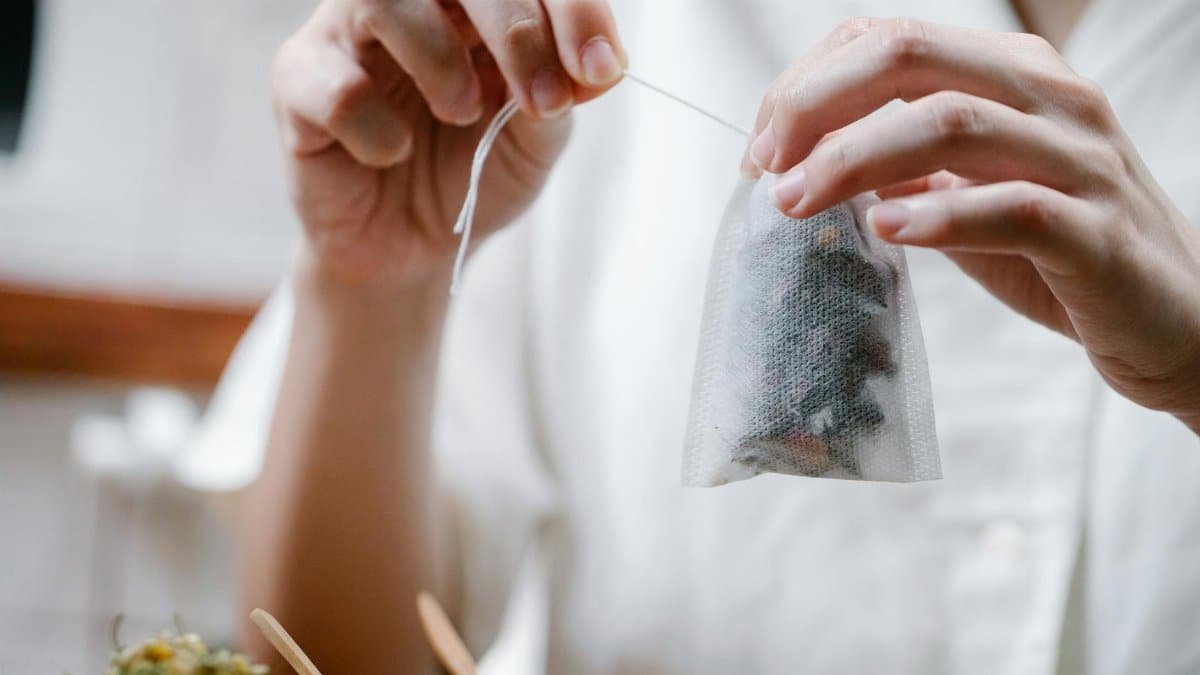
Sip chamomile or lavender tea mindfully. These herbs promote relaxation naturally. Evidence from the National Center for Biotechnology Information supports their calming effects. In cozy Washington cafes, it’s a staple. Brew and savor without distractions. It signals the body to unwind. Pair with reading for downtime. Avoid caffeine after noon. Users report smoother evenings. As holistic trends surge in 2025, this habit gains fans for its simplicity and low cost.
7. Physical Exercise Bursts

Incorporate short workouts like yoga or jumping jacks. Movement releases tension. The CDC notes regular activity combats stress nationwide. Washington’s outdoor culture amplifies this. Try 10-minute sessions multiple times daily. It elevates mood via endorphins. Adapt to fitness levels. Gyms in Spokane offer quick classes. In 2025, with hybrid work, it’s easier to fit in. Track energy levels to see improvements. This habit builds resilience against daily pressures.
8. Social Connection Practices
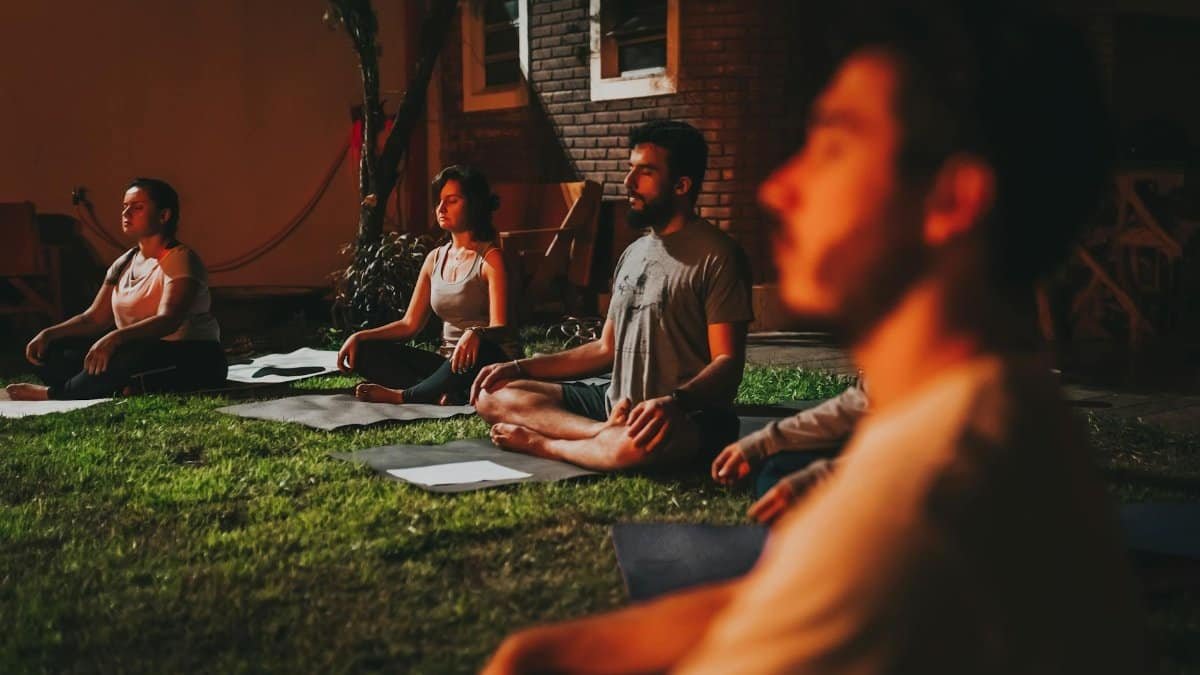
Reach out to friends or join groups. Human bonds buffer stress. A Pew Research study from 2025 shows social ties enhance well-being. In isolated Washington winters, virtual check-ins help. Share laughs or vents. It lightens emotional loads. Community events in Portland or Vancouver foster this. Set weekly calls. Experts say it prevents loneliness spikes. As remote life persists, prioritize real talks. This habit calming stress turns support networks into lifelines for tough times.