

In the bustling heart of Indianapolis, a quiet revolution is underway. Stroll through neighborhoods like Broad Ripple or downtown, and you’ll spot wellness studios and clinics buzzing with a new vibe. People from all walks of life—stressed office workers, parents juggling endless demands—gather for sessions that blend ancient practices with modern needs. This surge reflects a broader cultural shift toward holistic mental health approaches. Sound relaxation healing, once dismissed as fringe, now draws crowds seeking relief from the grind. Clinics across the city are integrating it into programs, tapping into a growing demand for non-traditional therapies that promise calm amid chaos. As workplace pressures mount and awareness of mental wellness spreads, this trend shows no signs of fading.
The Roots of Sound Relaxation Healing
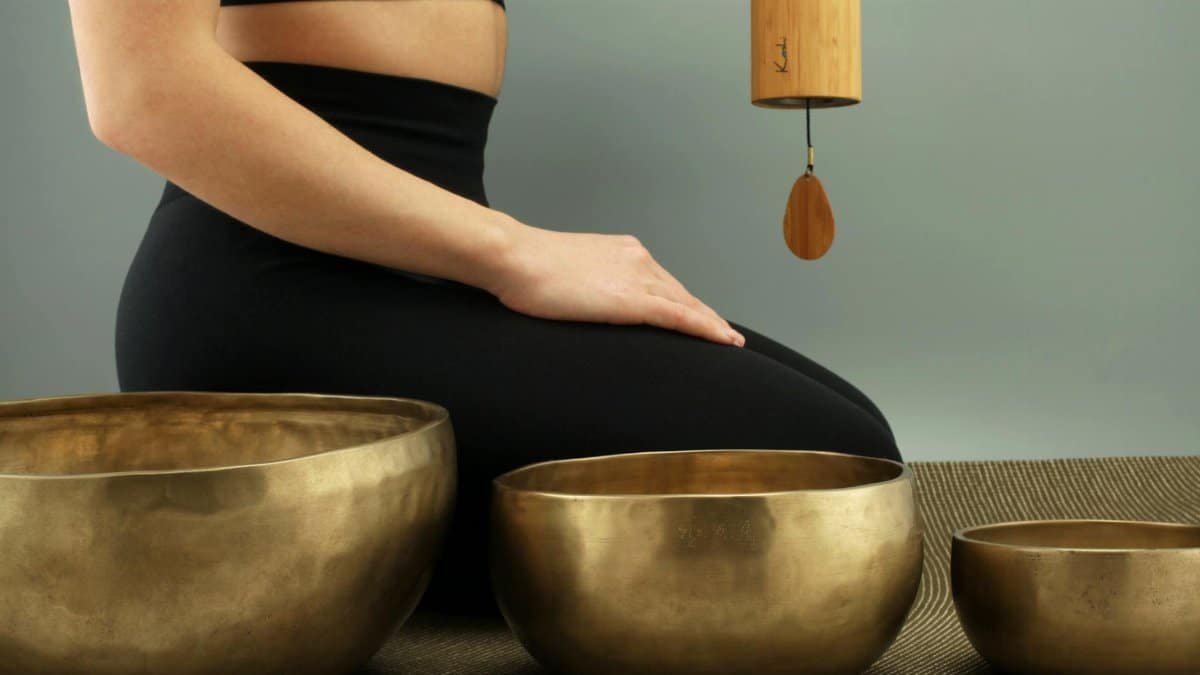
Sound has long served as a balm for the human spirit. Think back to indigenous cultures around the world, where drums and chants wove into rituals for healing and community. In the U.S., this practice gained traction in the 20th century, influenced by Eastern philosophies and the wellness boom of the 1970s. Today, sound relaxation healing involves tools like singing bowls, gongs, or even recorded frequencies designed to resonate with the body’s natural rhythms. It’s not just about listening; it’s about immersion. Practitioners argue that vibrations can shift brainwaves, easing anxiety and promoting deeper rest. A study from the National Institutes of Health highlights how music-based interventions, a close cousin, reduce stress hormones. For more details, check this NIH overview on music and health. In Indianapolis, this ancient art meets contemporary science, offering a bridge between tradition and evidence-based care.
One local therapist recalled a session where a client, overwhelmed by job loss, lay still as gong tones filled the room. “It was like the sound washed away the static in my mind,” the client later shared. Such moments illustrate how sound relaxation healing taps into something primal, yet profoundly relevant in a city where urban noise never quite fades.
Why Indianapolis Is Embracing This Trend

Indianapolis, with its mix of manufacturing roots and growing tech scene, faces unique mental health pressures. The city’s workforce often grapples with long hours and economic shifts, fueling a rise in burnout. Recent data from the Indiana Department of Health shows anxiety rates climbing, especially post-pandemic. Enter sound relaxation healing as a timely response. Clinics like those affiliated with IU Health have started incorporating it, driven by patient demand for alternatives to medication. It’s part of a larger Midwestern push toward integrative medicine, where holistic options complement therapy.
Picture a group session at a northside clinic: participants recline on mats, eyes closed, as a facilitator strikes a crystal bowl. The air hums with low frequencies, and tensions seem to dissolve. This isn’t hype; it’s grounded in community needs. A report from the American Psychological Association notes that sound-based therapies can enhance mindfulness practices. See their insights here: APA on mindfulness. In 2025, as remote work blurs boundaries, expect more Hoosiers to seek these sessions for balance.
How Clinics Are Integrating Sound Healing
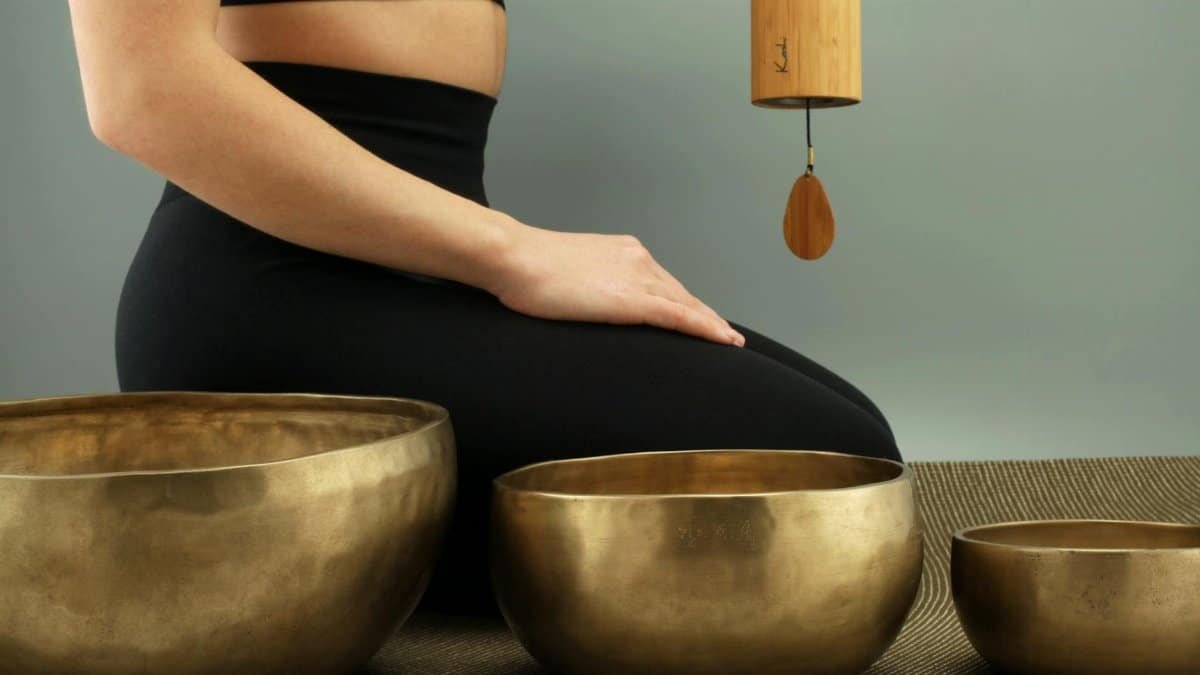
Integration doesn’t happen overnight. At places like the Indianapolis Integrative Health Center, sound relaxation healing slots into existing mental health programs seamlessly. Therapists pair it with cognitive behavioral techniques, creating hybrid sessions. For instance, a depression group might start with guided breathing, then transition to binaural beats that sync brain hemispheres. The goal? To amplify emotional processing without overwhelming participants.
Challenges arise, though. Not every clinic has the space or trained staff. One administrator admitted, “We had to invest in certification courses to get this right.” Yet the payoff shows in retention rates. Patients report feeling more engaged, turning one-off visits into ongoing commitments. Drawing from broader research, a Mayo Clinic piece on relaxation methods underscores the value of such combinations. Explore it at Mayo Clinic on relaxation techniques. In Indianapolis, this adaptive approach is reshaping how care is delivered, one resonant note at a time.
Benefits Backed by Science and Stories

What does the evidence say? Sound relaxation healing isn’t a cure-all, but studies suggest it lowers cortisol levels and improves sleep quality. A 2023 review in the Journal of Evidence-Based Integrative Medicine found participants experienced reduced symptoms of PTSD after sound therapy sessions. For the full study, visit Journal of Evidence-Based Integrative Medicine article. In everyday terms, it means less rumination for those battling chronic stress.
Take Sarah, a fictional composite based on real accounts: a 45-year-old accountant in Carmel who turned to a clinic after insomnia gripped her life. “The first session felt odd, all those chimes,” she said. But weeks in, she noticed sharper focus at work. Online discussions echo this— one anonymous post described a similar breakthrough, noting how the practice “unlocked a quiet I hadn’t felt in years.” These narratives highlight tangible shifts, from better mood regulation to enhanced resilience against daily pressures.
Navigating Skepticism and Challenges
Not everyone buys in. Critics argue sound relaxation healing lacks rigorous clinical trials, labeling it pseudoscience. Fair point— while promising, more large-scale studies are needed. In Indianapolis, some traditional psychiatrists hesitate, worried it diverts from proven methods. Yet proponents counter with patient outcomes, emphasizing it’s a supplement, not a replacement.
Consider the tension in a recent panel discussion at a local health fair. A doctor questioned the vibrations’ “healing power,” while a sound therapist demonstrated with a tuning fork, letting the audience feel the hum. It sparked debate, but also curiosity. This push-pull drives innovation, ensuring practices evolve. For balanced views, the Cleveland Clinic offers a take on complementary therapies: Cleveland Clinic on complementary therapies. Addressing doubts head-on could solidify its place in mental health arsenals.
Patient Experiences Lighting the Way

Stories bring the abstract to life. At a downtown clinic, group sessions often end with shared reflections. One middle-aged man, dealing with grief, found solace in the communal vibrations. “It wasn’t just sound; it was connection,” he explained. These vignettes reveal how sound relaxation healing fosters community in a sometimes isolating city.
Another layer emerges from diverse backgrounds. Immigrants in Indianapolis, navigating cultural transitions, use it to blend heritage with new routines. A brief anecdote: during a session, a participant from India incorporated familiar mantras, enriching the group’s experience. Such inclusivity broadens appeal, making it accessible beyond wellness enthusiasts.
The Role in Workplace Wellness

Workplace stress fuels much of the demand. With Indiana’s economy tied to logistics and auto industries, employees face relentless demands. Clinics now offer corporate packages, bringing sound relaxation healing onsite. Imagine a lunch break transformed by a quick gong meditation— it’s happening at firms downtown.
Data supports this: a Gallup poll shows U.S. workers reporting record burnout. Integrating sound practices could mitigate that. Gallup’s workplace insights are available here: Gallup on workplace unhappiness. In 2025, as hybrid models persist, expect clinics to expand these offerings, helping Hoosiers reclaim equilibrium.
Looking Ahead: Expansion and Accessibility

Forecasts point to growth. With public interest spiking, Indianapolis clinics plan to add more sessions, perhaps even virtual ones for rural areas. This aligns with national trends toward mental wellness equity. Yet affordability remains key— sessions can cost $50-$100, a barrier for some.
Innovations like app-based sound tools could democratize access. One clinic pilots free community events, drawing crowds. As 2025 unfolds, this momentum might inspire policy shifts, like insurance coverage for integrative therapies. It’s a reminder that healing evolves with society’s needs.
Blending Tradition with Modern Care

Ultimately, sound relaxation healing thrives when woven into broader care. In Indianapolis, it’s not about choosing sides but combining strengths. Therapists train in both realms, creating personalized plans. A young professional might pair it with talk therapy, finding synergy.
This blend reflects a maturing field, where ancient wisdom meets empirical rigor. As more clinics adopt it, the city’s mental health landscape diversifies, offering hope to those weary of conventional paths. It’s a subtle shift, but one with resonant potential.