
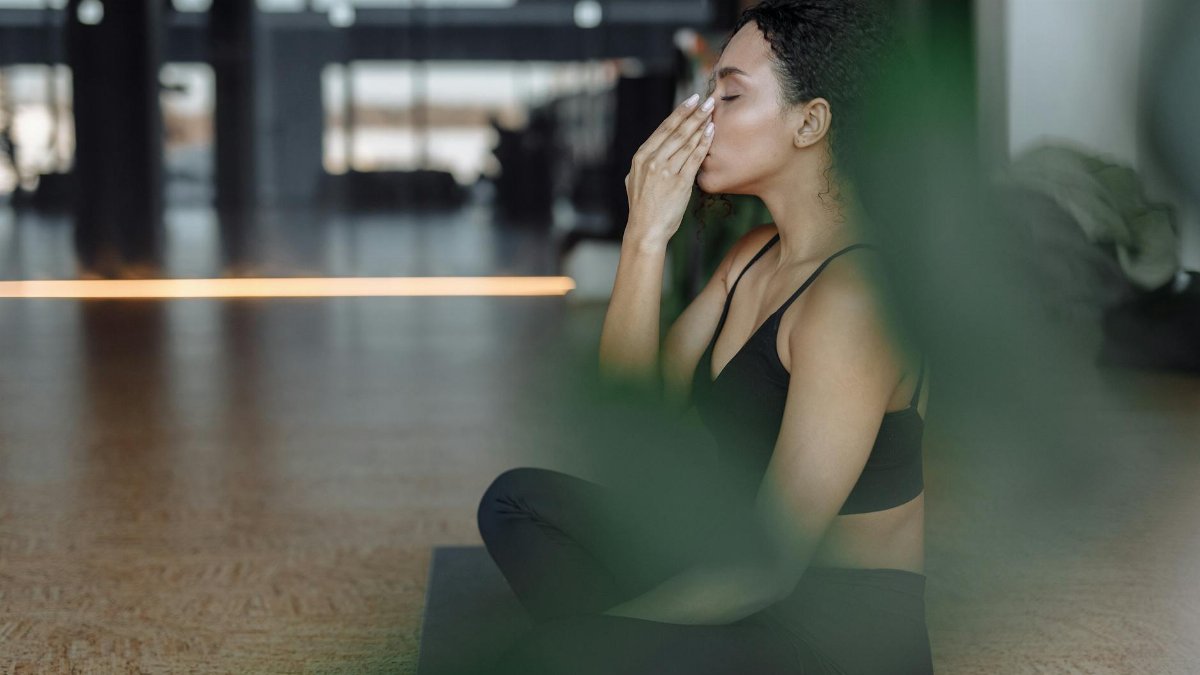
In a surprising twist, a recent survey from the American Psychological Association reveals that 42% of U.S. adults are incorporating breathwork into their routines to combat daily stress, up from just 25% five years ago. This surge highlights how practices centered on breathing, oxygen, and clarity are transforming lives amid rising mental health concerns. From busy Chicago professionals to suburban parents, people are turning to these techniques for quick relief and long-term benefits. But what exactly makes breathwork a game-changer in 2025? It boils down to simple, science-backed methods that enhance oxygen flow and mental sharpness, offering hidden perks that go beyond the obvious.
Unlocking Mental Clarity Through Controlled Breathing

Breathwork isn’t just about inhaling and exhaling—it’s a deliberate practice that boosts brain function. By focusing on deep, rhythmic breaths, individuals increase oxygen delivery to the brain, which can sharpen focus and reduce mental fog. Experts note that even five minutes a day can make a difference. In Chicago, where fast-paced urban life often leads to burnout, locals are using apps and classes to integrate this into their mornings. Studies show improved cognitive performance, with participants reporting better decision-making after consistent sessions.
Reducing Stress and Anxiety Levels

One of the most immediate benefits of breathwork is its power to dial down stress. Techniques like the 4-7-8 method, popularized by Dr. Andrew Weil, activate the body’s relaxation response, lowering cortisol levels. A study from the National Center for Complementary and Integrative Health confirms that such practices help manage anxiety disorders. In 2025, with economic pressures mounting, Americans are embracing this free tool to stay grounded without relying on medication.
Enhancing Physical Health and Immunity

Beyond the mind, breathwork supports the body by optimizing oxygen intake, which aids cellular repair and boosts immunity. Athletes in Chicago’s fitness scene swear by it for recovery, noting faster healing from workouts. Research indicates that controlled breathing can improve lung capacity and even lower blood pressure. According to data from the Centers for Disease Control and Prevention, incorporating these habits could reduce the risk of respiratory issues, a timely benefit as seasonal illnesses persist.
Improving Sleep Quality Naturally

Struggling with insomnia? Breathwork offers a nonpharmaceutical solution by calming the nervous system before bed. Practices like diaphragmatic breathing help transition into restful states, leading to deeper sleep cycles. A report from the Harvard Health Publishing explains how this regulates heart rate variability, essential for quality rest. Users report falling asleep faster and waking up refreshed, making it a staple for night owls in bustling cities.
Boosting Emotional Resilience

Daily breathwork builds emotional strength by fostering mindfulness and self-awareness. It helps process feelings more effectively, reducing reactivity to stressors. In group sessions across Chicago, participants share stories of overcoming personal challenges through these exercises. Psychological research supports this, showing decreased symptoms of depression with regular practice. As mental health awareness grows in 2025, this approach empowers individuals to handle life’s ups and downs with greater ease.
Integrating Breathwork into Busy Schedules

The beauty of breathwork lies in its accessibility—no gym membership required. Start with short sessions during commutes or breaks at work. Chicagoans are adapting it to public transit rides, turning downtime into productive self-care. Apps provide guided routines, making it easy for beginners. Consistency is key, with experts recommending building up from one minute to ten over time for maximum impact.
Potential Drawbacks and How to Avoid Them

While beneficial, breathwork isn’t without risks for everyone. Some may experience dizziness from hyperventilation if done incorrectly. Beginners should consult professionals, especially those with respiratory conditions. Guidelines from health organizations emphasize starting slow and listening to your body. In Chicago’s wellness community, certified instructors ensure safe practices, helping users avoid common pitfalls.
Real-Life Stories from Practitioners

Take Mark Johnson, a Chicago teacher who credits breathwork with saving his career amid pandemic burnout. “It gave me the clarity to manage classroom chaos,” he says. Similar accounts flood online forums, with users detailing transformations in productivity and mood. These anecdotes underscore the practice’s real-world value, backed by growing community support in urban hubs.
Future Trends in Breathwork Adoption

As 2025 unfolds, expect breathwork to integrate with technology, like VR-guided sessions and wearable trackers monitoring oxygen levels. Corporate wellness programs are already adopting it, with companies in Chicago offering on-site classes. This evolution points to broader acceptance, potentially reshaping public health strategies nationwide.