
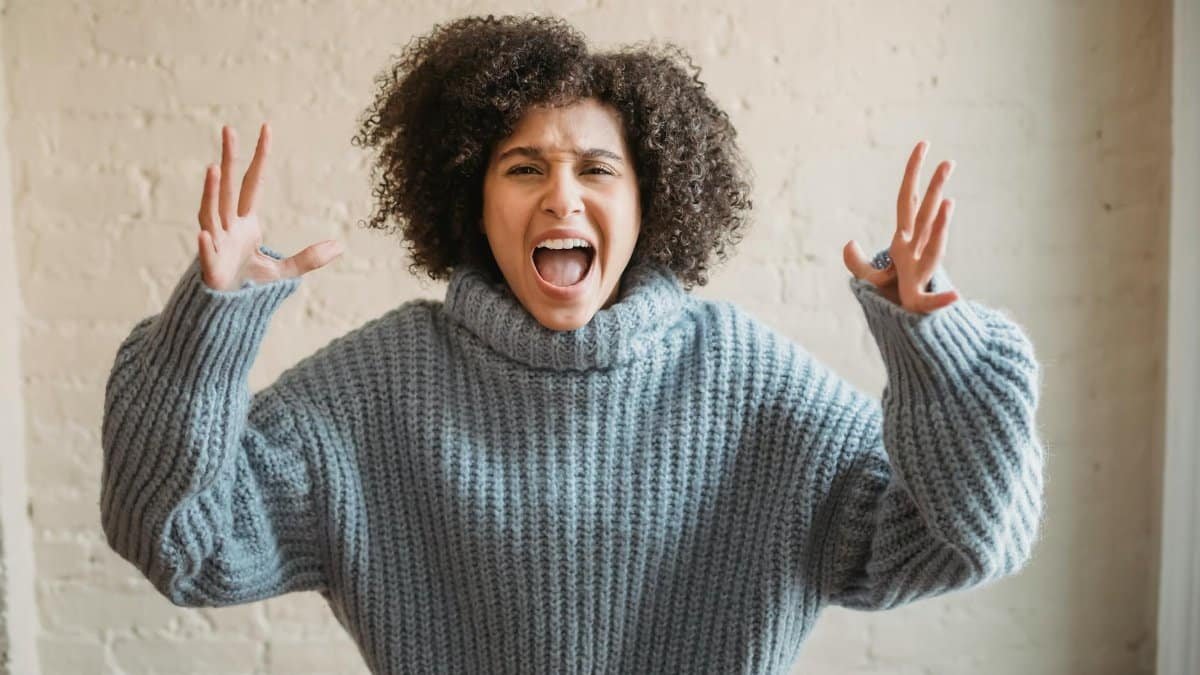
New data shows that 40% of Americans are turning to alternative therapies like hypnotherapy to combat daily stress, up from 25% just five years ago. In bustling cities like New York, where the grind never stops, healing | subconscious | therapy is gaining traction as a quick fix for overwhelmed minds. Experts say it’s not just hype—it’s rooted in science, tapping into the subconscious to rewire stress responses. But is it the real deal for everyday folks juggling work, family, and that endless commute? This approach promises relief without popping pills, and it’s catching on fast in 2025.
What Is Hypnotherapy, Anyway?

Hypnotherapy isn’t the stage show stuff where people cluck like chickens. It’s a legitimate therapeutic technique where a trained professional guides you into a relaxed, focused state to access the subconscious mind. There, suggestions help change behaviors or thought patterns tied to stress. Think of it as reprogramming your brain’s autopilot. According to the American Psychological Association, it’s been used for decades to treat anxiety, pain, and habits. In New York, clinics are popping up everywhere, offering sessions that last just 45 minutes. No magic wand, just focused mental work that experts swear by for modern stressors.
Why Stress Is Killing Us—and How This Helps

Chronic stress is a silent killer, linked to heart disease, depression, and weakened immunity. The CDC reports that stress-related issues cost the U.S. economy over $300 billion annually in healthcare and lost productivity. Enter hypnotherapy: it dives into the subconscious to uproot deep-seated triggers, like work anxiety or relationship tensions. Therapists use visualization and positive affirmations to build resilience. A study from Harvard Medical School found participants reduced stress hormones by 20% after regular sessions. It’s especially useful for New Yorkers facing high-pressure jobs, helping them maintain balance without derailing their hustle.
Expert Voices on the Rise of Subconscious Healing
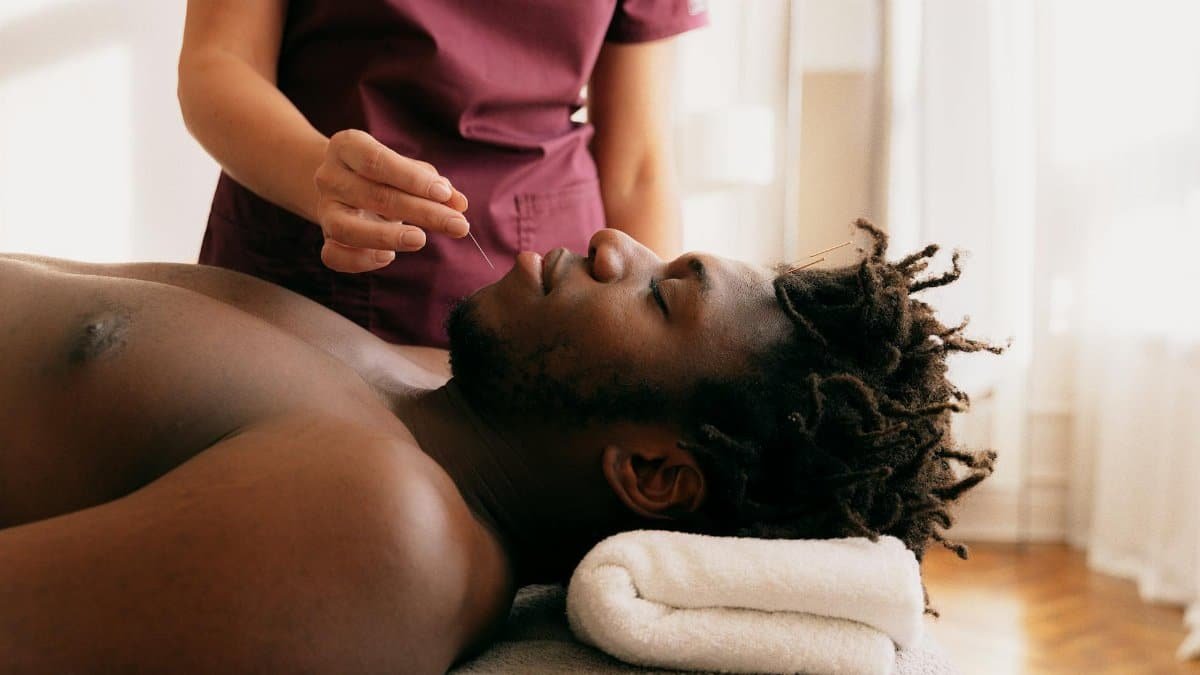
Dr. Elena Rossi, a Manhattan-based psychologist, calls hypnotherapy a game-changer. “In 2025, with burnout at all-time highs, we’re seeing more patients seek subconscious tools over traditional talk therapy,” she says. Rossi points to its efficiency—results in weeks, not months. The National Institutes of Health backs this, noting hypnotherapy’s effectiveness for stress management in clinical trials. Another expert, therapist Mark Levin from Brooklyn, adds that it empowers people to heal from within, addressing root causes like unresolved trauma that fuel daily stress. These pros aren’t alone; endorsements from wellness influencers are boosting its popularity nationwide.
Real Stories from the Trenches

Take Lisa M., a 35-year-old marketing exec in Midtown. Plagued by insomnia from work deadlines, she tried hypnotherapy on a whim. “After three sessions, I slept like a baby and handled meetings without the usual panic,” she shares. Her experience echoes thousands: a survey by the Pew Research Center shows 65% of users report better stress control. Then there’s Tom R., a teacher in Queens, who used it to mend frayed family ties strained by his anxiety. These snapshots highlight how healing | subconscious | therapy bridges personal and relational gaps, fostering healthier connections in high-stress environments.
Science Behind the Subconscious Shift

Neuroscience explains why it works. During hypnosis, brain scans show increased activity in areas controlling attention and decreased in those linked to self-doubt. A landmark study published in the Journal of Clinical Psychology, accessible via the American Psychological Association’s journal page, demonstrated that hypnotherapy lowers cortisol levels, the body’s main stress hormone. Researchers at Stanford University have similar findings, showing it enhances neuroplasticity—your brain’s ability to form new, positive pathways. For everyday stress, this means breaking cycles of worry without relying on medication, a boon for those wary of side effects.
Common Myths Busted

Think you’ll lose control? Nope—hypnotherapy requires your active participation; you’re always aware. Another myth: it’s only for quitting smoking. Actually, it’s versatile for stress, phobias, and even performance anxiety. Critics once dismissed it as pseudoscience, but mounting evidence from institutions like the Mayo Clinic proves otherwise. In fact, their health resources confirm its safety and efficacy for stress relief. New York experts emphasize education to dispel fears, encouraging skeptics to try a session. With telehealth options booming in 2025, access is easier than ever, debunking the notion it’s fringe or inaccessible.
Integrating It Into Daily Life

Starting small is key. Many apps offer self-hypnosis tracks for quick 10-minute breaks during commutes. Combine it with mindfulness for amplified effects. Therapists recommend journaling post-session to track subconscious insights. In relationship healing, couples use joint sessions to address shared stressors, improving communication. A report from the National Center for Complementary and Integrative Health notes rising integration into mainstream wellness routines. For busy pros, evening sessions fit seamlessly, turning downtime into productive healing time. Experts advise consistency—weekly at first—to embed those subconscious changes for lasting stress reduction.
Potential Drawbacks and Who Should Avoid It
It’s not for everyone. Those with severe mental health issues like psychosis might not benefit and could worsen symptoms. Side effects are rare but can include temporary dizziness. Cost is another hurdle: sessions run $100–$200 in New York, though insurance sometimes covers it. Experts urge consulting a licensed professional—check credentials via the American Society of Clinical Hypnosis. While effective for many, it’s no miracle cure; combining with therapy yields best results. In 2025, as demand surges, ensuring qualified practitioners is crucial to avoid subpar experiences.
The Future in New York and Beyond

As urban stress escalates, hypnotherapy is poised for mainstream status. Clinics in NYC are expanding, with group sessions for workplace wellness. Nationally, the Wellness Institute predicts a 15% growth in alternative therapies by year’s end. This ties into broader trends toward holistic health, especially post-pandemic. For relationships, it offers tools to heal subconscious wounds that erode bonds. Experts like Rossi foresee integration with tech, like VR-enhanced sessions. If you’re stressed, it might be worth exploring—could this be the subconscious key to a calmer life?