

In a surprising twist, a recent study from the American Psychological Association found that nearly 40% of U.S. adults report persistent communication breakdowns in their relationships, up from 25% a decade ago. This spike highlights a growing disconnect amid busy lives and digital distractions. Enter the concept of trust, communication, and healing – a holistic approach that’s gaining traction, especially in places like Dallas, where community workshops and therapy sessions are popping up to address these issues. As we step into 2025, more people are turning to relationship healing to rebuild bonds, reduce stress, and foster deeper connections. It’s not just about fixing what’s broken; it’s about nurturing growth in everyday interactions. For middle-aged folks juggling careers, family, and personal goals, recognizing the signs can be a game-changer. This article outlines 24 indicators that it might be time to explore this path, drawing from expert insights and real-life trends.
1. Frequent Misunderstandings

Arguments erupt over small things, like who forgot to unload the dishwasher. These aren’t isolated incidents; they pile up, leaving resentment in their wake. In Dallas, couples often share stories of how simple talks turn into battles. A brief anecdote from a local support group illustrates this: one woman described how her partner’s innocent comment about dinner plans spiraled into a full-blown fight, revealing deeper trust issues. Relationship healing emphasizes active listening techniques to bridge these gaps. Experts note that without addressing them, misunderstandings erode the foundation. Consider how this pattern affects your daily peace.
2. Lingering Resentment

Old grudges simmer beneath the surface, popping up during unrelated conversations. You might forgive, but forgetting proves harder. This resentment acts like a slow poison, according to psychologists. In 2025, with rising awareness of mental health, many are seeking ways to heal these wounds. Think of it as clearing emotional clutter. One anonymized account from online discussions captured it well: someone shared feeling weighed down by past betrayals, only to find relief through guided forgiveness exercises. It’s a sign that deeper work on trust and healing could restore balance.
3. Avoidance of Tough Topics
Steering clear of discussions about money, intimacy, or future plans? That’s a red flag. Avoidance builds walls, making true connection elusive. Relationship experts stress that open communication is key to healing. In bustling cities like Dallas, where life moves fast, this habit often stems from fear of conflict. Dive into why: perhaps past experiences taught you silence is safer. But ignoring issues doesn’t make them vanish; it amplifies them. If this rings true, 2025 might be your year to break the cycle.
4. Feeling Emotionally Distant

You’re together, yet miles apart emotionally. Shared moments feel hollow, lacking the spark they once had. This distance often signals unmet needs in trust and communication. A study from the American Psychological Association’s relationships page links such feelings to higher stress levels. Picture a couple in a Dallas café, sitting in silence over coffee – it’s more common than you think. Healing practices, like joint journaling, can reignite that closeness. Recognize this as an invitation to rebuild.
5. Constant Criticism

Feedback turns into nitpicking, chipping away at self-esteem. When every action draws critique, it’s exhausting. This pattern undermines trust, making vulnerability scary. Relationship healing encourages constructive dialogue instead. In 2025 trends, therapists in Texas are promoting empathy-building workshops to counter this. One illustrative snippet: a man recounted how his wife’s ongoing complaints about his work habits left him defensive, until they learned to frame concerns positively. It’s a clear indicator that healing could transform your dynamic.
6. Lack of Physical Intimacy

Touch, once natural, now feels forced or absent. This shift often reflects deeper emotional rifts. Healing involves reconnecting on multiple levels, including physical. Data from the National Institutes of Health study on intimacy shows how stress impacts this area. In Dallas’s vibrant scene, couples are exploring touch therapy to bridge the gap. If hugs feel obligatory rather than affectionate, it’s time to address the underlying trust issues.
7. Jealousy Without Cause

Unfounded suspicions creep in, fueled by insecurity. This erodes trust, turning love into a battlefield. Communication breakdowns exacerbate it, leaving room for doubt. Relationship healing focuses on building security through transparency. A recent Pew survey on relationships notes a rise in such issues post-pandemic. Imagine scrolling through a partner’s phone, heart racing – it’s a common tale. In 2025, tackling this head-on could lead to stronger bonds.
8. Repeating the Same Arguments

Like a broken record, fights loop over familiar ground without resolution. This cycle signals unresolved healing needs. Experts advise pattern-breaking techniques, such as timeout strategies. In Dallas, group sessions help couples identify triggers. One story stands out: a pair argued weekly about chores until they mapped out shared responsibilities, fostering better communication. If history repeats, consider this your cue for change.
9. Feeling Unappreciated
Efforts go unnoticed, breeding frustration. Appreciation is the glue of relationships, and its absence highlights communication gaps. Healing practices include gratitude rituals. According to the Pew Research Center’s social trends page, many Americans feel undervalued in partnerships. A quick reflection: when was the last thank you? In 2025, nurturing this aspect can revitalize your connection.
10. Isolation from Friends and Family

Your relationship pulls you away from social circles, creating an unhealthy bubble. This isolation can mask deeper problems in trust. Healing encourages balanced networks. Therapists warn that over-dependence strains bonds. In urban areas like Dallas, community events are countering this trend. If loved ones express concern, it’s a sign to evaluate and heal.
11. Persistent Anxiety About the Relationship
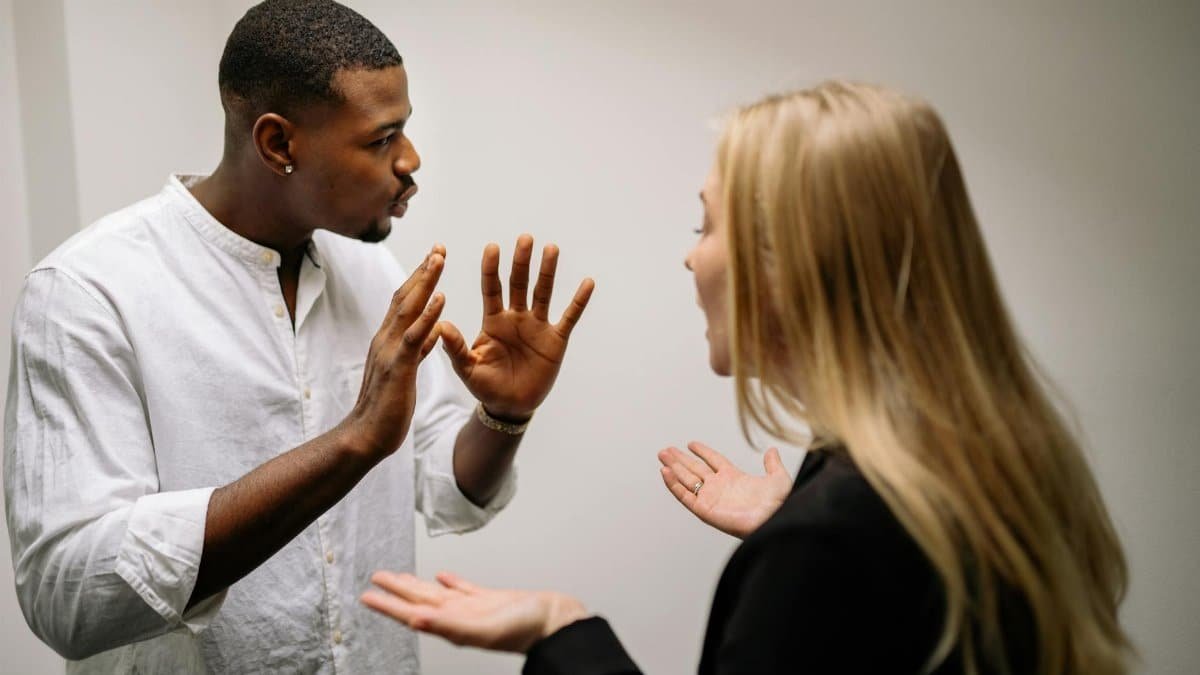
Worry gnaws at you, even in calm times. This anxiety often stems from unhealed wounds. Communication tools in healing can alleviate it. A CDC report on mental health ties relationship stress to broader well-being issues. Picture lying awake, mind racing – it’s draining. 2025 offers opportunities for professional guidance to ease this burden.
12. Loss of Shared Goals

Dreams that once aligned now diverge, leaving you adrift. Realigning through trust-building exercises is key. Relationship healing revives that synergy. Insights from marriage studies show goal alignment boosts satisfaction. In Dallas, couples retreats focus on this. If your paths feel separate, it’s time to reconnect.
13. Defensive Reactions

Every comment sparks defensiveness, halting real talk. This barrier blocks healing. Active listening workshops help dismantle it. Psychologists note it’s a common trust issue. One online share described a breakthrough: admitting vulnerability shifted the dynamic. Recognize this as a pivotal sign.
14. Emotional Exhaustion
The relationship drains rather than energizes you. Exhaustion points to imbalances in communication and healing. Self-care integration is vital. The CDC’s mental health resources emphasize relational impacts on fatigue. In fast-paced 2025, Dallas residents are prioritizing recovery. If you’re spent, healing awaits.
15. Idealizing Past Relationships

Comparing current to former flames idealizes the past, diminishing the present. This nostalgia signals unmet needs. Healing involves present-focused mindfulness. Experts suggest reframing memories. It’s a subtle but telling indicator for trust work.
16. Difficulty Expressing Needs
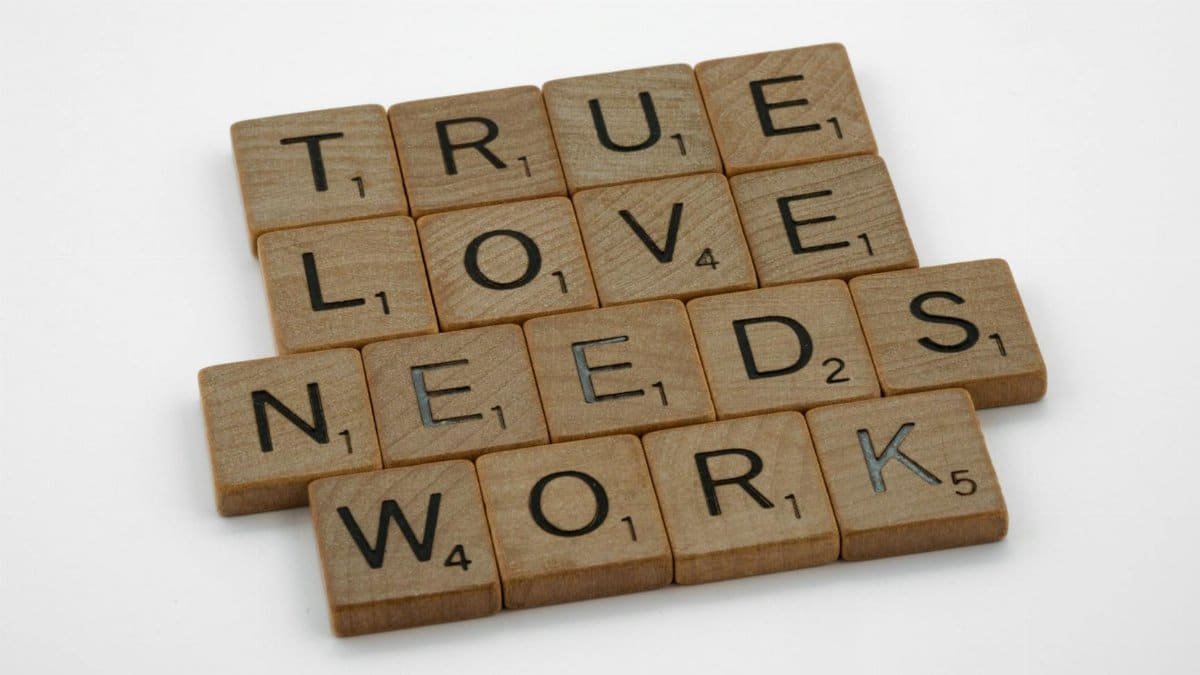
Voicing what you want feels impossible, leading to frustration. Communication healing unlocks this skill. Studies link it to stronger bonds. In Texas therapy circles, assertiveness training is popular. If silence reigns, 2025 could change that.
17. Scorekeeping
Tallying favors creates competition, not partnership. This erodes trust. Healing promotes generosity without strings. Anecdotes from couples show how dropping the ledger brings peace. It’s a classic sign of needed repair.
18. Lack of Laughter

Joy and humor have faded, leaving interactions flat. Reintroducing playfulness aids healing. Research ties laughter to resilience. In Dallas’s lively culture, comedy nights for couples are emerging. If smiles are rare, heed this.
19. Financial Secrets
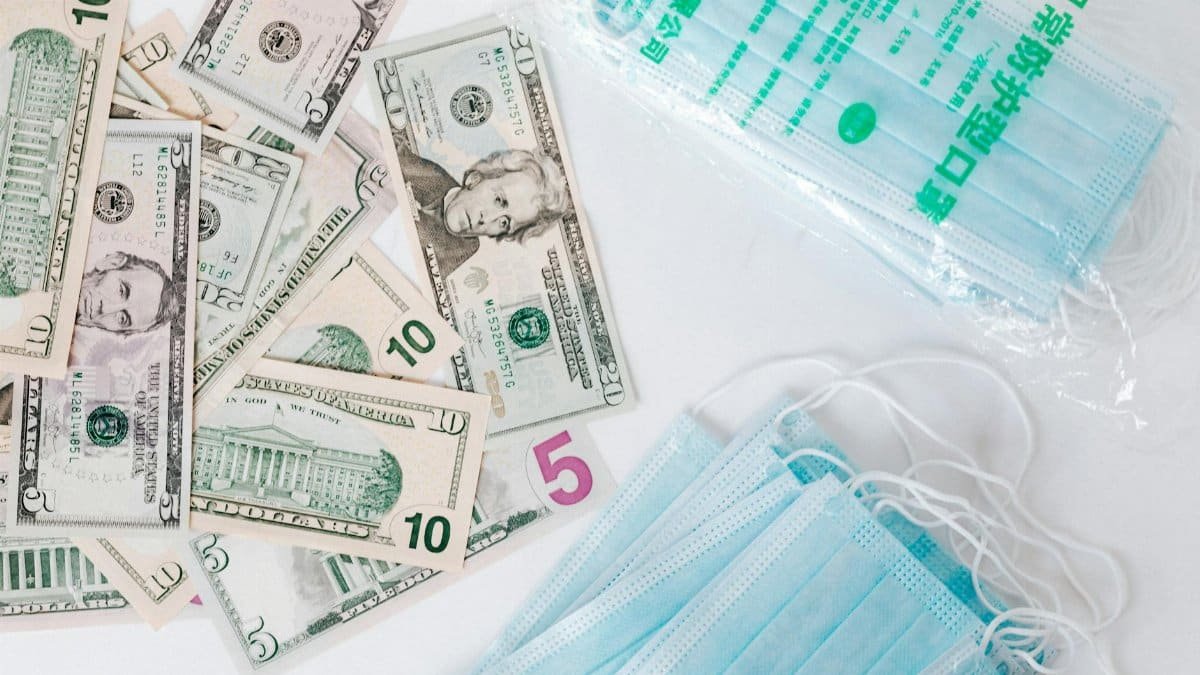
Hiding spending or debts fractures trust. Open financial talks are essential for healing. A Pew economic study highlights transparency’s role. Address this to prevent bigger rifts in 2025.
20. Over-Reliance on Technology for Communication
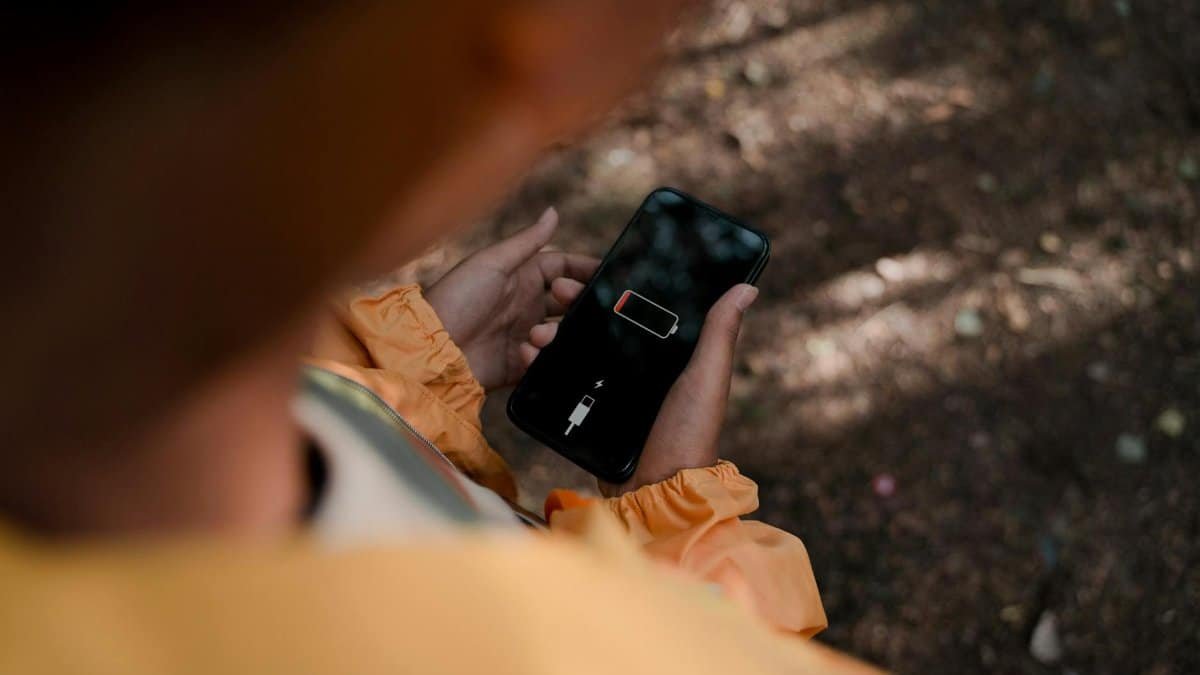
Texts replace face-to-face talks, diluting depth. Healing encourages direct interaction. Tech’s impact on relationships is well-documented. In urban settings, unplugging retreats help. If screens dominate, it’s a modern sign.
21. Feeling Trapped

The relationship feels confining, not supportive. This sensation calls for boundary work in healing. Therapists advise exploring autonomy. It’s a profound indicator of imbalance.
22. Ignoring Personal Growth

Individual development stalls amid relational focus. Healing balances both. 2025 trends emphasize self-in-relationship growth. If you’re stagnant, consider this prompt.
23. Recurrent Breakup Thoughts

Fleeting or frequent escape fantasies arise. Addressing root causes through communication can heal. Experts view this as a cry for change, not end.
24. Yearning for Deeper Connection

A quiet ache for more intimacy persists. This yearning is the ultimate sign for trust, communication, and healing. In Dallas, where community ties run deep, many are answering it. As 2025 unfolds, embracing relationship healing could fulfill that longing, leading to richer, more balanced lives.