
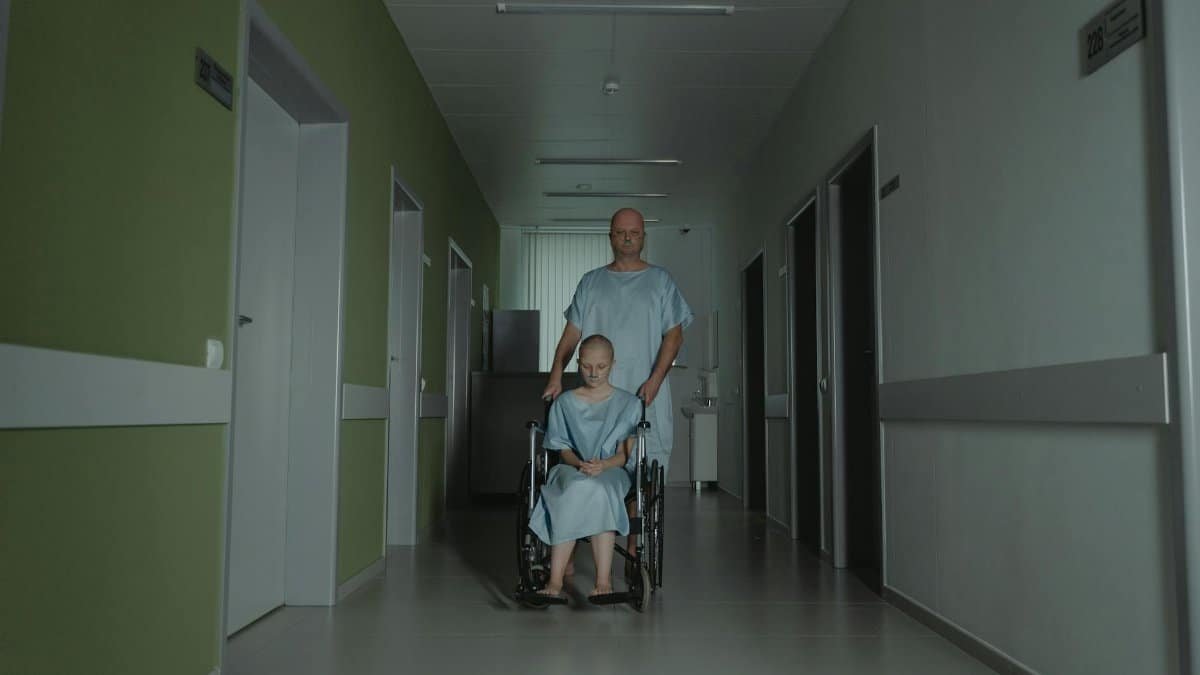
In the bustling corridors of San Diego’s hospitals, a quiet revolution is underway. A recent study from the National Institutes of Health revealed that nearly 40% of Americans report chronic stress levels that impair recovery from illness, a figure that’s climbed steadily over the past decade amid urban pressures. Enter forest bathing, a practice rooted in Japanese shinrin-yoku, now being integrated into patient care in this sun-drenched city. Far from a mere walk in the woods, it’s an intentional immersion in nature designed to foster san diego wellness and stress relief. Hospitals like Sharp HealthCare and UC San Diego Health are pioneering programs where recovering patients step into nearby green spaces, guided by therapists, to breathe deeply, observe foliage, and reconnect with the earth. This isn’t just feel-good therapy; emerging evidence suggests it could lower cortisol levels and boost immune function, offering a fresh path to healing in 2025.
The Roots of Forest Bathing in Modern Medicine

Forest bathing didn’t start in hospital wards. It emerged in Japan during the 1980s as a response to the stresses of rapid industrialization. Government officials, noticing skyrocketing rates of burnout among workers, promoted shinrin-yoku—literally “forest bathing”—as a public health initiative. The idea was simple: spend time in nature without agenda, letting the senses absorb the environment. Trees release phytoncides, natural oils that studies show can reduce blood pressure and anxiety.
Fast-forward to today, and this practice has crossed oceans. In the U.S., it’s gaining traction amid a mental health crisis. One anonymous account shared publicly online described a transformative moment: a harried professional, overwhelmed by deadlines, found solace under a canopy of oaks, where “the world’s noise just faded.” Such stories highlight why San Diego, with its mild climate and access to preserves like Torrey Pines State Natural Reserve, is an ideal testing ground. Hospitals here are adapting it for medical settings, blending ancient wisdom with evidence-based care.
Consider the mechanics. Participants don’t hike or exercise; they meander slowly, touching bark, listening to birdsong. It’s a mindful pause, countering the constant stimulation of hospital beeps and fluorescent lights. As one clinician put it, “We’re not prescribing pills; we’re prescribing presence.”
San Diego’s Pioneering Hospital Programs
Picture a patient fresh from surgery, IV scars still fresh, being wheeled not to another sterile room but to a shaded trail. That’s the scene at Scripps Health in La Jolla, where forest bathing sessions began piloting in late 2024. Guided by certified nature therapists, groups of up to eight patients engage in 90-minute outings, often in hospital-adjacent parks.
The rollout isn’t haphazard. Administrators collaborated with local environmental groups to ensure accessibility—ramps for wheelchairs, audio guides for the visually impaired. One program at Sharp Memorial Hospital pairs it with post-operative recovery for cardiac patients, aiming to ease the emotional toll of illness. “We saw patients’ heart rates stabilize faster,” a nurse shared during a recent staff briefing, her voice laced with quiet excitement.
This integration reflects broader shifts in healthcare. With burnout among medical staff also rising, some sessions include providers, fostering a communal unwind. Yet, it’s not without logistics: coordinating with weather, securing funding. Still, early adopters argue the investment pays off in reduced readmissions.
Unlocking Stress Relief Through Nature
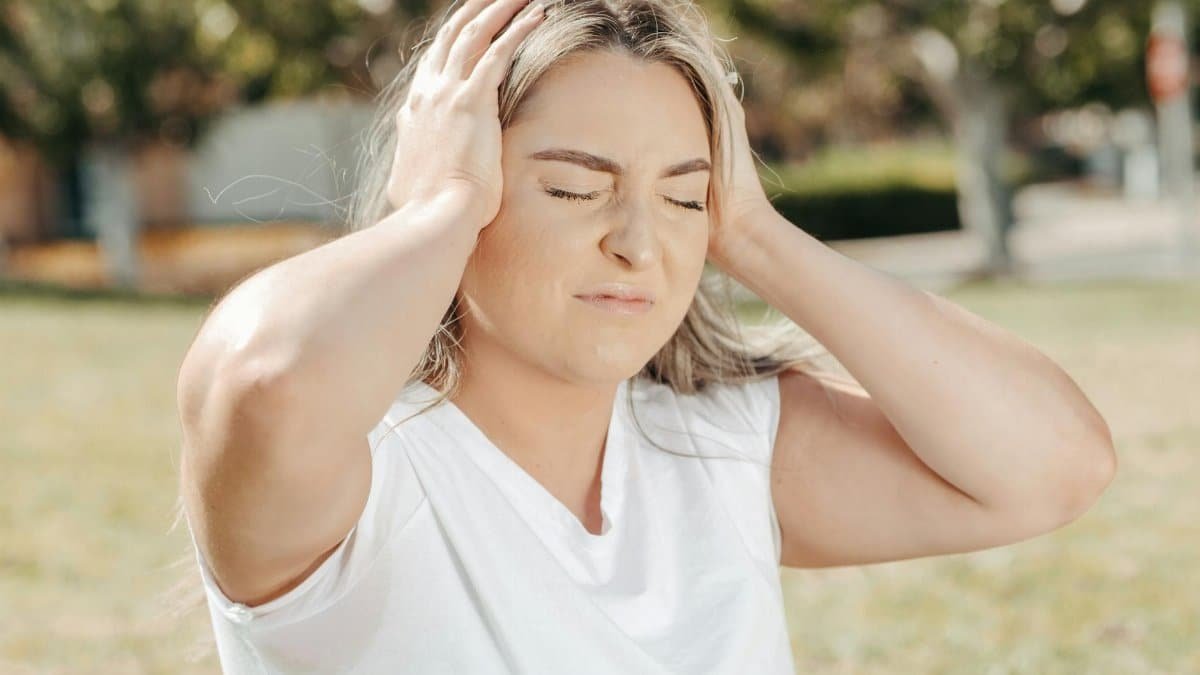
Stress relief lies at the heart of forest bathing’s appeal. In a city like San Diego, where traffic snarls and work demands can feel relentless, this practice offers a balm. Research links it to lowered cortisol, the hormone tied to fight-or-flight responses. A study published in the International Journal of Environmental Research and Public Health found participants experienced a 12.4% drop in cortisol after just 20 minutes in a forest setting.
But how does it translate to hospital patients? Recovery often amplifies stress—pain, uncertainty, isolation. Forest bathing counters this by engaging the parasympathetic nervous system, promoting relaxation. One recovering cancer patient recalled the scent of eucalyptus leaves mingling with ocean air, a sensory shift that “made the fear feel smaller.”
San Diego’s coastal forests amplify these effects. The mix of pine, salt breeze, and wildflowers creates a unique therapeutic landscape. Experts note it’s not magic; it’s biology. Phytoncides boost natural killer cells, enhancing immunity. For those in recovery, this could mean faster healing, less reliance on medication.
Patient Stories That Bring It to Life
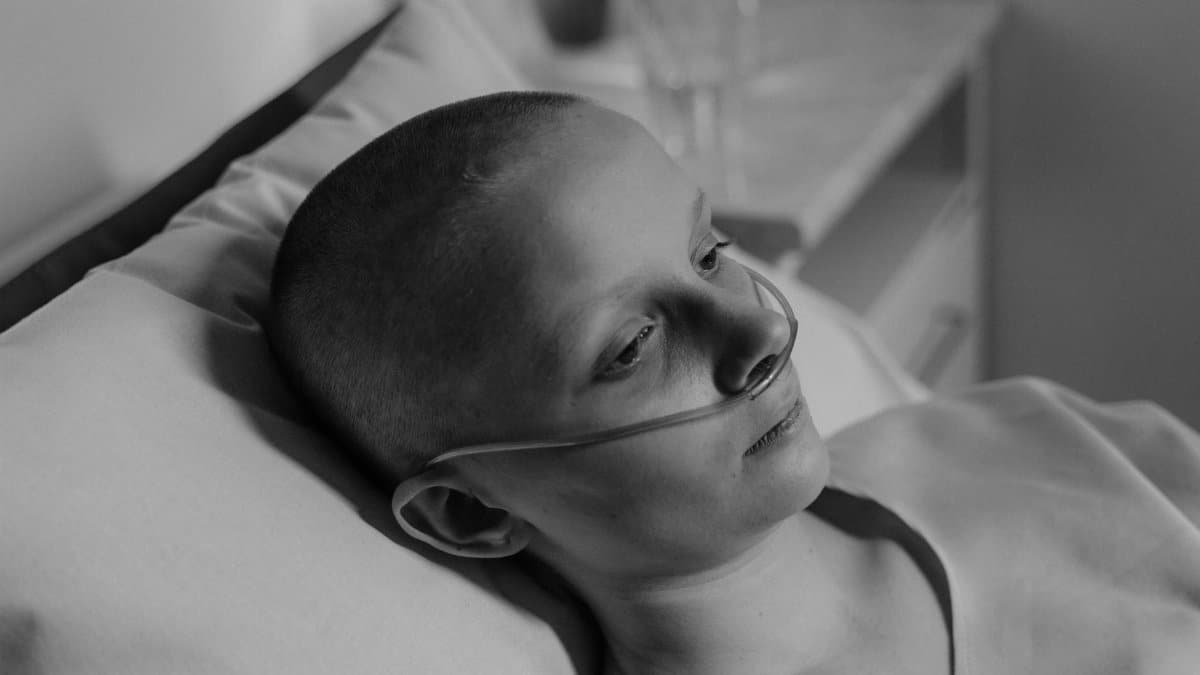
Stories humanize the data. Take Maria, a fictional composite based on real accounts: a 52-year-old teacher recovering from knee surgery at UC San Diego Health. Confined to bed for weeks, she felt anxiety creep in like fog. Her first forest bathing session changed that. Seated on a bench amid chaparral, she focused on the rustle of leaves, the warmth of sun filtering through branches. “It was like my mind unclenched,” she later told her doctor.
Another narrative comes from a veteran dealing with PTSD alongside physical rehab. In a group outing at Balboa Park’s wooded edges, he found unexpected calm in watching squirrels dart about. These aren’t isolated tales. Anonymous online reflections echo them: one person described forest bathing as “a reset button for the soul,” especially potent in San Diego’s wellness scene.
Such experiences underscore the practice’s role in emotional resilience. They show how san diego wellness and stress relief aren’t abstract; they’re felt in the quiet moments of reconnection.
The Science Backing Forest Bathing
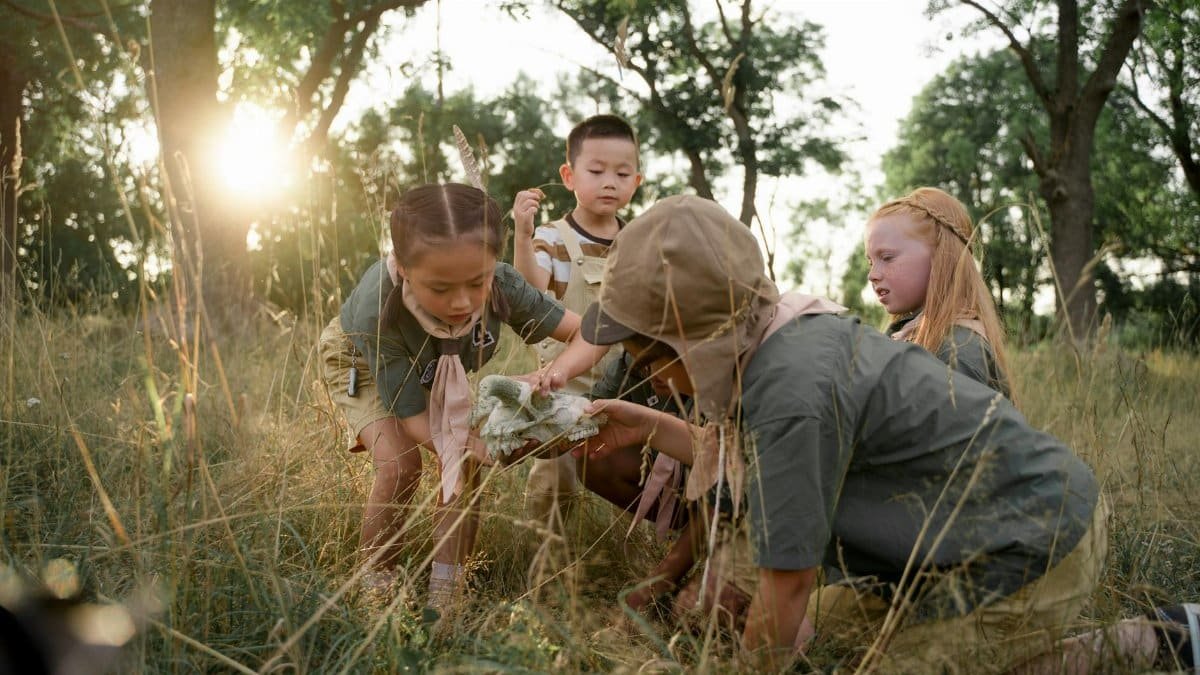
Skeptics might dismiss it as trendy woo-woo, but science begs to differ. A landmark review by the U.S. Forest Service synthesized global studies, confirming forest environments reduce inflammation and improve mood. In Japan, where it originated, government-funded research has quantified benefits since the 1990s.
Closer to home, a 2023 trial at Stanford University—relevant to San Diego’s programs—showed participants with chronic conditions reporting 20% less pain after regular nature immersion. Link this to stress relief: elevated mood hormones like serotonin surge in green spaces.
Hospitals are now tracking metrics. At Kaiser Permanente in San Diego, preliminary data suggests shorter hospital stays for those in forest bathing groups. Yet, complexities arise. Not all patients respond equally; urban dwellers might need more sessions to attune. This nuance adds depth to the practice, inviting ongoing research.
Challenges in Bringing Forests to the Bedside

Not everything is seamless. Urban hospitals face barriers: limited green space, pollution, seasonal rains that turn paths to mud. In San Diego, where wildfires pose risks, safety protocols are paramount. One program paused last summer due to heat advisories, highlighting climate vulnerabilities.
Equity issues loom too. Not every patient can access these outings—mobility challenges or socioeconomic factors might exclude some. “We’re working on virtual alternatives,” an administrator explained, referencing apps that simulate forest sounds. Still, purists argue nothing beats the real thing.
Funding is another hurdle. While grants from organizations like the Nature Conservancy help, sustaining programs requires buy-in from insurers. Tensions exist between traditional medicine and holistic approaches; some doctors remain wary, demanding more randomized trials.
These challenges don’t diminish the potential. They push innovation, ensuring forest bathing evolves to meet diverse needs.
San Diego’s Broader Wellness Ecosystem
Forest bathing fits into San Diego’s vibrant wellness tapestry. From yoga studios in Encinitas to meditation retreats in Julian, the region pulses with mindfulness pursuits. Hospitals’ adoption amplifies this, linking medical care with community resources.
Local parks like Mission Trails Regional Park host public sessions, extending benefits beyond patients. In 2025, trends point to hybrid models: virtual reality forests for bedridden folks, combined with in-person dips. This aligns with national shifts; a Pew Research Center survey notes rising interest in nature-based therapies post-pandemic.
Communities are responding. Wellness collectives organize free events, fostering inclusivity. It’s a reminder that san diego wellness and stress relief thrive when accessible to all.
Steps to Incorporate Forest Bathing in Daily Life
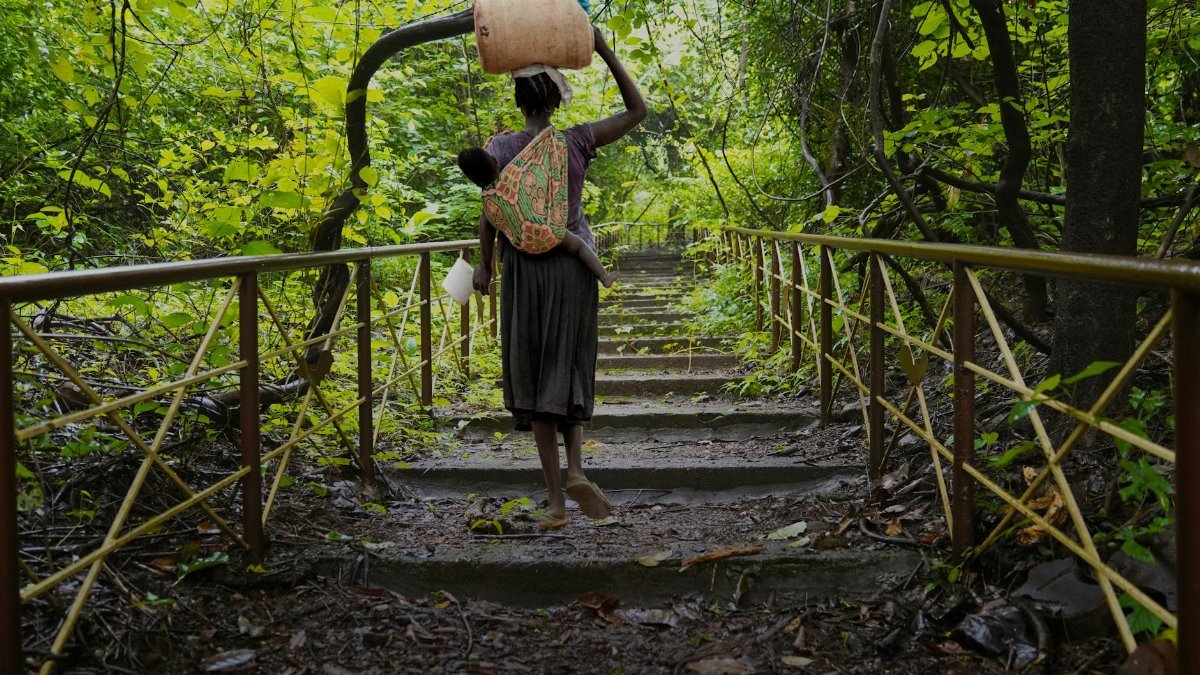
Eager to try? Start small. Find a local green space—San Diego abounds in them, from beaches to canyons. Set aside 20 minutes: no phones, no rushing. Engage your senses: feel the ground, inhale deeply.
For those in recovery or high-stress jobs, consult a professional. Apps and books guide beginners, but guided sessions offer structure. One tip: journal afterward, noting shifts in mood.
As hospitals expand, public access grows. It’s a practice that democratizes healing, proving nature’s role in modern wellness.
Looking Ahead: Sustaining the Momentum

What does the future hold? In San Diego, expansions could include pediatric programs or elder care integrations. With climate change in mind, advocates push for urban greening.
The key is balance: blending tradition with innovation. As more data emerges, forest bathing might become standard care, reshaping how we view recovery. It’s a gentle nudge that sometimes, the best medicine grows on trees.