
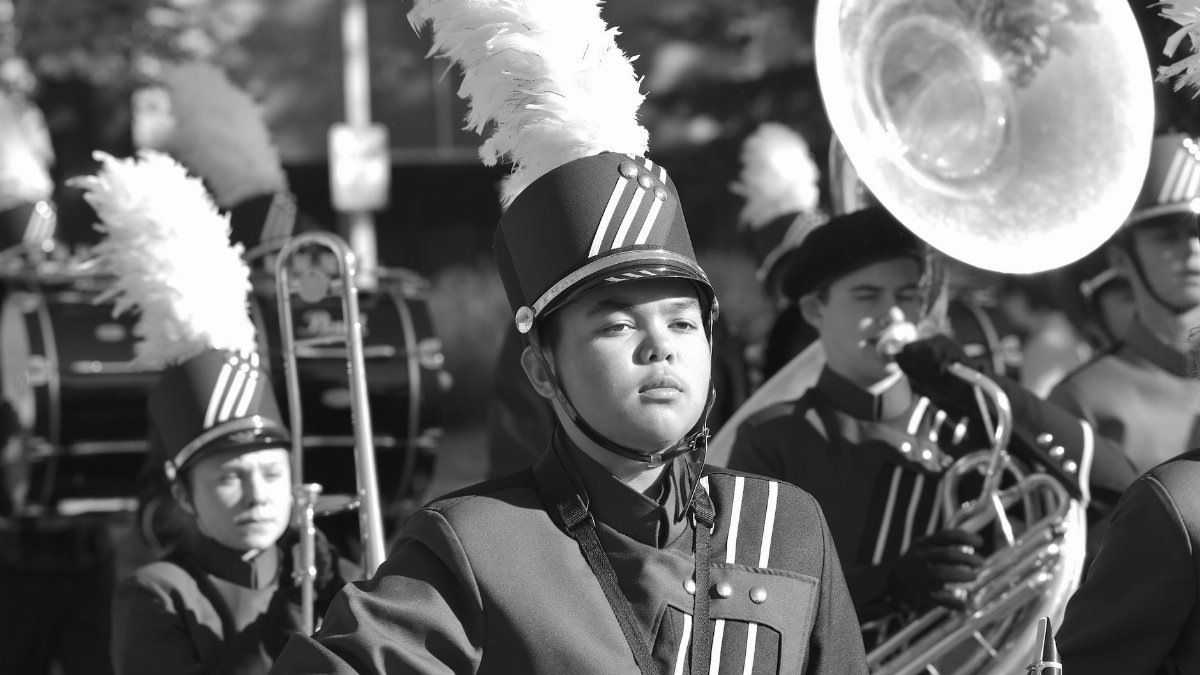
On a cold morning in Champaign, the sound arrives before the formation does. Brass catches on the wind, a whistle cuts the count, and wool coats shift as students find their marks on pavement that still holds last night’s frost. The Marching Illini Macy’s parade appearance is days away, yet the rehearsal already carries the weight of a promise made in public. Four hundred University of Illinois musicians are preparing to carry Sufjan Stevens and his song Chicago down a New York avenue while a national broadcast marks a parade at one hundred years.
A campus ritual pointed toward a city street
Marching bands live by repetition. The same phrase is drilled until muscle memory outruns nerves, until a turn that looks simple on a field survives a curb, a camera crane, and a crowd that does not know the chart. At Illinois, that discipline has a particular flavor. The Marching Illini are not a novelty act borrowed for a holiday. They are a student ensemble with a long memory of autumn Saturdays, of halftime pictures built for stadium scale, of alumni who still hum parts they have not played in decades.
What changes in New York is not the standard so much as the frame. A football field offers width and a captive audience already invested in the home team. A parade route offers neither. The block is narrower. The viewers are strangers. The television cut may last only a few minutes, which means every entrance, every release, every visual line has to read at a glance. Rehearsal, in that light, is less a warmup than a translation. Music written for a recording and a stadium has to become music that can walk.
Why Chicago, the song, belongs on this route
Sufjan Stevens wrote Chicago as a song of departure and return, of mistakes tallied on the road and of a city that functions less as a pin on a map than as a feeling of possibility. All things go, all things go, the refrain insists, and the line has traveled far beyond the album that first held it. For an Illinois band, the choice is both local and larger than local. Chicago is the state’s great stage, the place students visit for internships, concerts, and first jobs. It is also a national shorthand for ambition, weather, and reinvention.
Heard through a marching band, the song sheds some of its bedroom intimacy and gains lift. Woodwinds can sketch the restless pulse. Brass can open the chorus until it feels like a skyline. Percussion keeps the feet honest. None of that erases the lyric’s tenderness. It simply places tenderness inside a public ritual, which is what a Thanksgiving morning broadcast has always been, whether or not the producers would use that word.
Four hundred bodies and the problem of space
Four hundred musicians is a number that looks impressive in a press note and punishing on a map. Each player needs room to step, to pivot, to keep a bell clear of the person ahead. Flags and drum majors add width. Equipment trucks, staff, and medical support add a tail the cameras may never show. Parade planners think in intervals and gaps, in how long a unit takes to pass a given corner, in whether a formation that dazzles on a practice field will collapse when the street pinches.
The students feel that arithmetic in their legs. A halftime show might last eight or twelve minutes with water waiting at the sideline. A parade asks for stamina of a different kind: standing, waiting, starting cold, then performing while walking, often after hours of logistics that began before dawn. Directors talk about pacing not as an abstraction but as care. A cracked lip or a turned ankle is not a metaphor. It is a person who flew to New York to play one song.
What rehearsal is willing to show
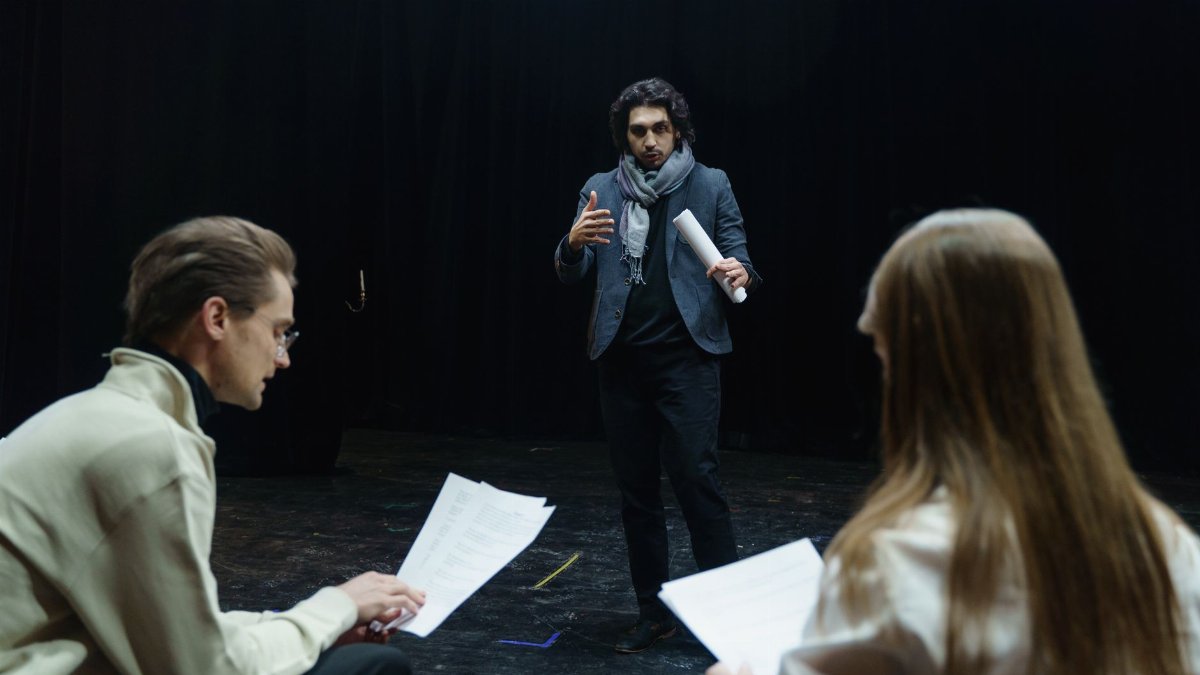
The public has been invited, in the way these things now work, to watch pieces of the preparation. Clips travel faster than full performances. A clean hit on a chorus can gather more attention in a day than a season of home games. That attention is a gift and a pressure. Players know that a missed entrance captured on a phone may outlive the polished broadcast.
Still, there is something honest about letting people see the work before the confetti. Rehearsal strips away the television glow. You hear a director stop the ensemble mid phrase. You see a rank reset because one step drifted. You notice how quiet a large group can become when it is listening. For viewers who will later catch only the finished minute, those rough edges are a reminder that spectacle is built, not summoned.
A parade that has learned to carry memory
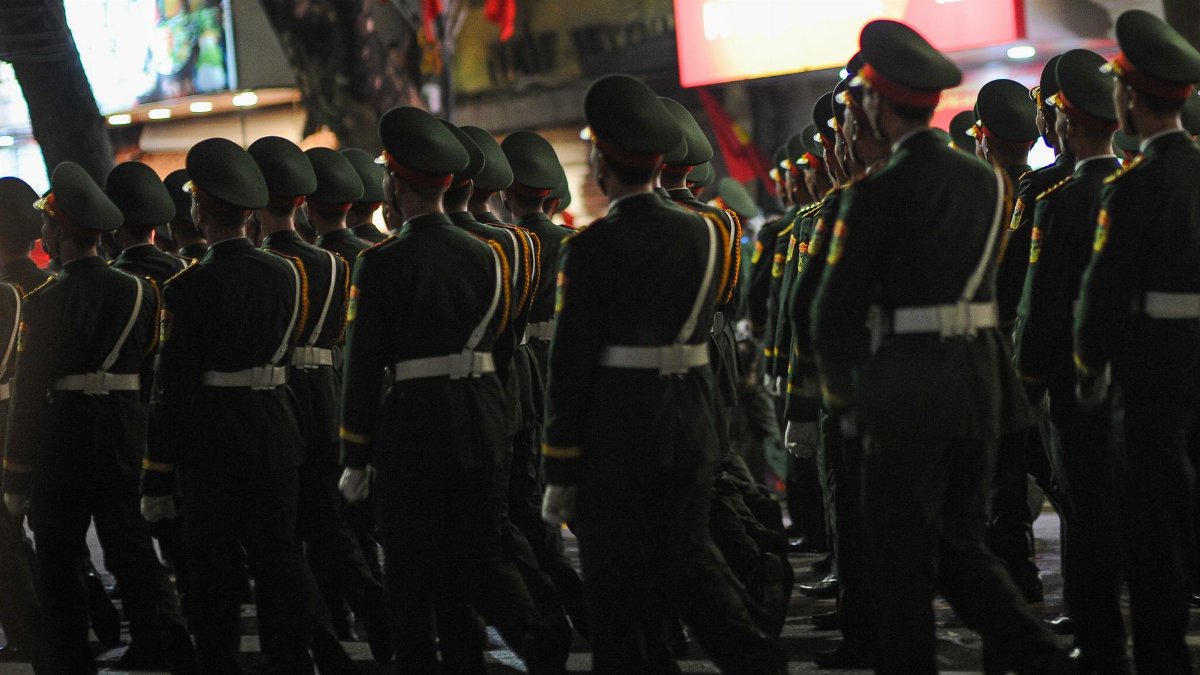
The Macy’s Thanksgiving parade has spent a century teaching the country how a holiday can look on a screen: balloons tethered by handlers, Broadway casts singing into cold air, bands from campuses most viewers will never visit. Its one hundredth year is not merely a round number. It is a chance to notice how a commercial procession became a shared calendar mark, the thing families time a meal around, the thing children remember as the official start of a season.
Bands occupy a particular place in that memory. They are not characters in a story the producers invented. They arrive with their own colors, their own histories, their own reasons for wanting the block. When Illinois takes the route, it brings a Midwest cadence into a Manhattan morning. The cameras will flatten distance. The sound, if the mix is kind, will not.
Illinois hearing itself from far away

There is a small shock, for people who live near the university, in seeing their band rendered as national scenery. Friends text from kitchen tables. Parents record the television with their phones, as if the official broadcast might vanish. Alumni in other cities pause whatever they are doing and wait for the block I on a jacket or the particular attack of the brass.
That recognition is not only pride. It is orientation. A state as large as Illinois contains arguments about cities and farms, about who gets seen and who gets summarized. A marching band cannot settle those arguments. It can, for a few minutes, offer a picture of young people from many hometowns moving in the same direction. The Marching Illini Macy’s parade slot makes that picture unavoidable, which is rarer than it sounds in a media landscape that usually edits regions into stereotypes.
The spiritual weather of a shared morning

Call it gratitude if you like, or simply attention. A parade on this morning asks millions of people to look at the same street at the same hour. Some are cooking. Some are lonely. Some are in hospital rooms where the television is the only window. The music does not fix any of that. It does offer a common pulse, and common pulses are not nothing.
Stevens’s Chicago is unusually well suited to that role because it refuses easy triumph. It admits restlessness. It admits the wish to be remade. Played by students who are themselves in the middle of becoming, the song gains a second life. They are not actors hired to signify youth. They are youth, tired and precise, walking a route that older bands walked before them. If there is a devotion here, it is to craft and to one another, the quiet faith that if everyone hits the release together, the street will hold.
Sound, cameras, and what survives the mix
Television sound is a negotiation. Street noise, wind, and the bleed of the unit ahead all compete with the ensemble. Arrangers who understand parade broadcasts write for clarity: strong unisons, phrases that bloom even if a microphone catches only part of the line, percussion that reads when the picture cuts wide. Subtlety is not banned. It is simply expensive. A inner voice that would bloom in a concert hall may vanish between buildings.
Listeners at home can help themselves by remembering the gap between what they hear and what the players hear. In the street, the sound is physical. Bells flare. Snares crack. The person beside you is loud in a way a living room speaker will never reproduce. The broadcast is a portrait, not the room. Judged on those terms, a successful pass is one in which the melody remains legible and the formation does not fight the cut.
Students carrying more than instruments
Behind the uniforms are semesters, part time jobs, early classes, and families who stretched to pay for travel or who could not come at all. A national appearance looks, from the outside, like a reward. From the inside it is also a logistics problem: flights, hotels, meals, the instrument that cannot be checked without prayer, the parent who has to choose between a shift and a sidewalk spot in Herald Square.
Directors and student leaders spend as much energy on those details as on musical ones, because a band is a community before it is a picture. The players who stand in the back row matter as much as the ones the crane loves. When the unit finally moves, the achievement is collective in the old sense of the word. No single soloist can carry four hundred people past a reviewing stand.
How a rehearsal clip teaches the live minute
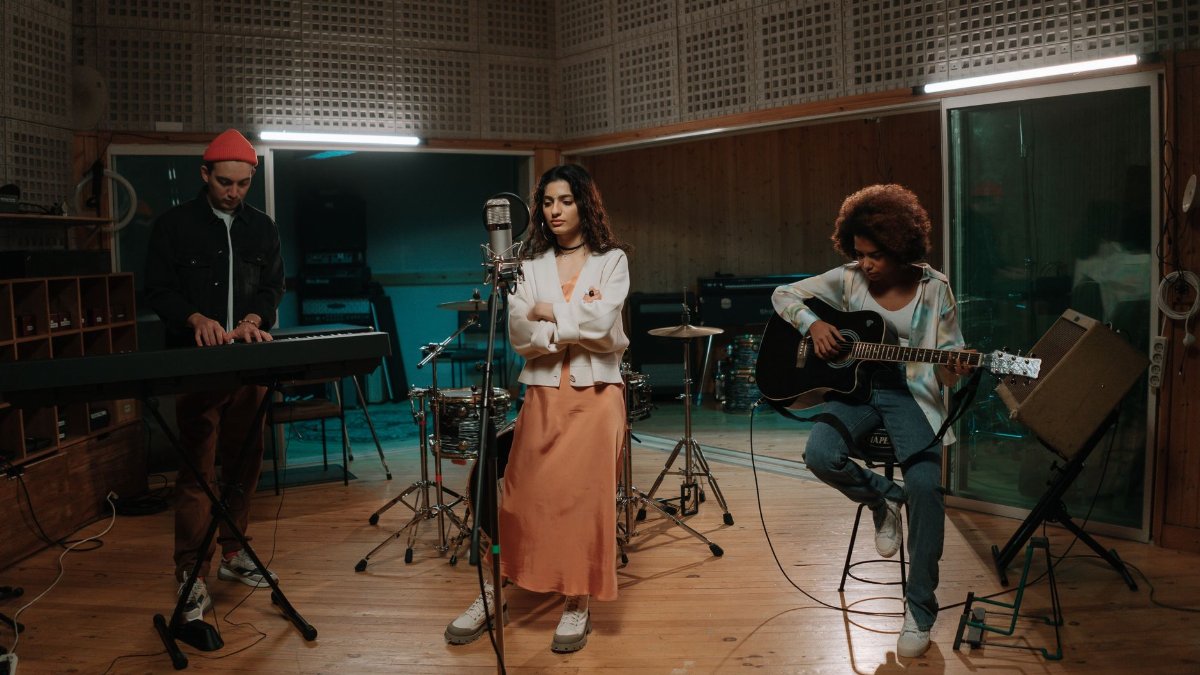
Short videos from practice have a way of setting expectations that the live minute must then meet or gently revise. A clip can isolate a gorgeous phrase and hide the wind. The broadcast will not be so kind, and that is fine. Viewers who watched the rehearsal are not owed a duplicate. They are offered a continuation. The same hands, the same charts, a different air.
That continuation is the point of letting the public in early. It builds a small congregation of listeners who know what to listen for: the way the chorus opens, the moment the percussion locks the stride, the visual hit that should coincide with a harmonic bloom. Informed attention is a form of respect. It treats the students as artists rather than as decoration between balloons.
Chicago as idea, Illinois as messenger

There is a pleasant irony in an Illinois band offering New York an ode to Chicago. The triangle is not a rivalry so much as a map of American appetite. New York hosts. Chicago is named. Illinois sends the players who have lived in the shadow and the light of that naming. Some of them grew up in the city the song describes. Some grew up hours away and know it mainly as a train ride and a skyline seen from a highway. Both kinds of knowledge belong in the arrangement.
Stevens did not write a chamber of commerce jingle, and the band would cheapen the morning if it played the tune that way. The better reading is aspirational without being smug. A city can be a destination and a mirror. A campus can send its young musicians to speak, in brass and woodwind, for a feeling that is larger than any one zip code. The Marching Illini Macy’s parade performance, if it lands, will sound like that kind of speech: proud, a little windswept, unwilling to pretend that longing is the same thing as arrival.
After the cameras move on
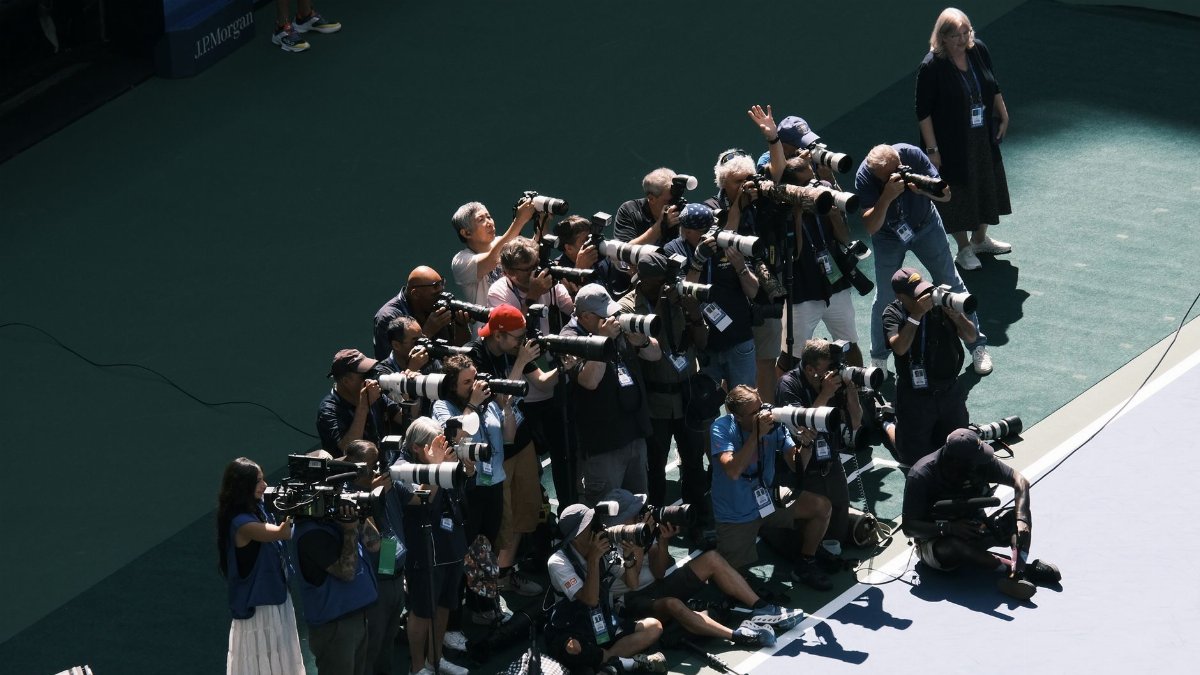
Parades end abruptly for the people in them. One block you are the picture. The next you are folding equipment in a side street while the broadcast has already introduced a balloon. The emotional drop can be steep. Smart programs plan for it: a meal, a place to sit, a word from a director that names the work rather than only the result. Students will carry the day in different registers. Some will post. Some will sleep. Some will not grasp the scale until a stranger mentions it months later.
What remains for the rest of us is smaller and, in its way, sturdier. A song many people already loved will have been walked through a city that did not write it. A university band will have spent its attention in public, which is a vulnerable thing to do. And a holiday morning will have included, among its familiar balloons and familiar commercials, a few minutes of Midwest breath. That is enough of an epic for a street. Epics, in ordinary life, are often just that: a group of people agreeing to move together, in time, while the rest of us watch and, if we are lucky, remember the tune.
Listening as a kind of company

If you catch the segment live, you do not need a specialized ear. Listen for the refrain’s lift. Watch whether the ranks stay calm when the avenue narrows. Notice the faces that are not smiling for the lens because they are counting. Those details are the human remainder inside a highly produced hour.
The Marching Illini Macy’s parade turn will pass quickly, as these turns do. What it asks of a viewer is not fandom so much as presence. Stay through the whole phrase. Let Chicago, the idea and the song, occupy the room you are actually in. Somewhere between a campus rehearsal and a centennial route, a student ensemble will have done what ensembles exist to do: make many separate efforts sound, for a moment, like one voice. That voice will not solve the morning. It may keep it company, which on this particular Thursday is its own kind of news.