
On a gray morning along Michigan Avenue, volunteers already trade clipboards while commuters hurry toward the train. The posters look early and the slogans still feel unfinished, yet the contest is close enough to touch. Chicago will choose its next mayor on Feb. 23, 2027, and the Chicago mayoral election has already drawn a field large enough to test the patience of even devoted civic watchers. Sixteen people want the job, or at least a line on the ballot, including Mayor Brandon Johnson and City Comptroller Susana Mendoza. Lawyers are already pressing challenges that could shrink that list before a single vote is cast. In a city that follows politics with unusual intensity, the prelude may matter as much as election night itself.
A crowded field takes shape
Sixteen names on a mayoral ballot, or even on a preliminary list of hopefuls, is not a curiosity. It is a statement about ambition, grievance, and the belief that City Hall remains winnable. Chicago has seen large fields before, and voters know what follows: a scramble for signatures, a fight over who qualifies, and a campaign season in which no one candidate can assume a clear lane. According to reporting by WTTW, the early roster includes people who are running and people still weighing a run, a distinction that matters in a city where timing is a strategy.
A wide field can look like democracy at full volume. It can also look like fragmentation. When many candidates split similar constituencies, a frontrunner needs fewer votes to survive the first round, and a lesser known contender can force a longer campaign simply by staying organized. That arithmetic is not abstract. It decides whether neighborhood captains spend February knocking on the same doors three times or whether a message about schools ever reaches a voter who works nights.
The size of the field also raises a quieter question. Are these candidacies expressions of distinct governing ideas, or are some of them protests, vanity projects, or bargaining chips? Voters will sort that out, but only if the process gives them a fair look at who is serious.
The incumbent and the comptroller
Mayor Brandon Johnson enters the race as the person who already holds the office. Incumbency brings a record, a staff, and a city that has spent years forming an opinion. It also brings every unsolved problem to the debate stage. Public safety, housing costs, school governance, and the condition of the budget will not be theoretical subjects. They will be questions about what happened on his watch and what he would do differently in another term.
City Comptroller Susana Mendoza arrives with a different kind of familiarity. She has won citywide office, built a reputation around fiscal oversight, and carries a name that many Chicagoans already know from earlier campaigns. A comptroller running for mayor invites a particular argument: that the next leader should be judged first on numbers, contracts, and the discipline of the balance sheet. Supporters of that view will say the city needs a manager. Critics will say a spreadsheet is not a vision for neighborhoods that feel overlooked.
Neither biography settles the race. Johnson can claim the authority of the office. Mendoza can claim independence from the current administration and a record outside the fifth floor of City Hall. The voters who decide between them, and between them and everyone else, will be less interested in résumés than in whether daily life feels safer, fairer, and more affordable.
What the calendar requires
Feb. 23, 2027, is the date that organizes everything else. Petition season, challenge hearings, fundraising quarters, and the last weekend of door knocking all bend toward that Tuesday. Chicago municipal elections are nonpartisan, which means party primaries do not do the winnowing. The ballot itself is the first filter, and a candidate who fails to win a majority faces a later runoff. That structure rewards breadth in the first round and intensity in the second.
For campaigns, the calendar is a budget. Money spent in summer on name recognition may be gone by the time voters start paying attention after the holidays. Money saved for February can arrive too late if a candidate never cleared the signature hurdle. Staffing decisions follow the same logic. A field operation that looks impressive in October can collapse if it was built for a candidacy that never made the ballot.
Residents feel the calendar in smaller ways. Community meetings fill up. Pastors, ward offices, and block clubs get asked to host forums. People who rarely follow city politics start seeing the same faces on the evening news. The Chicago mayoral election becomes unavoidable not because every resident loves the sport of it, but because the office touches rent, buses, schools, and the police district down the street.
Ballot challenges and the fight to stay on
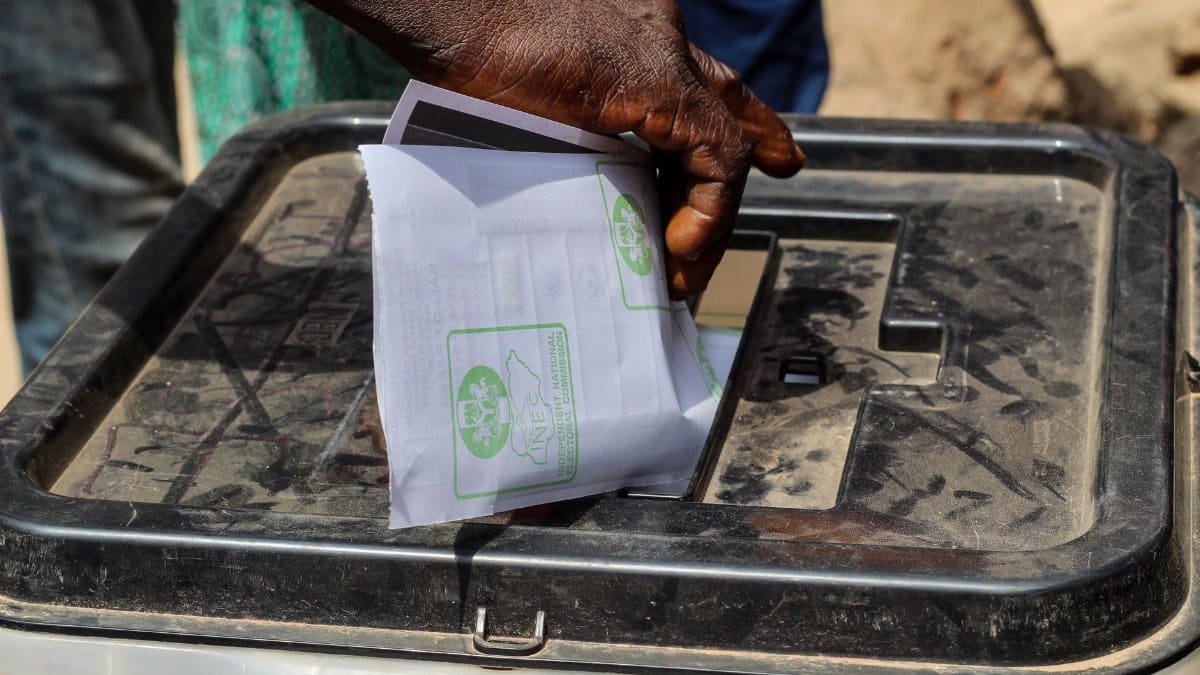
Before most voters choose a mayor, lawyers choose who is allowed to ask. Ballot challenges are a Chicago tradition as old as the modern petition rules, and they are not a side show. A missing page, a duplicated signature, or a circulator who did not follow the statute can end a campaign that spent months collecting names in the cold. The early phase of this contest is already shadowed by those fights.
Defenders of the system say strict rules protect the ballot from frivolous entries and force candidates to prove they have real support. Critics say the rules favor insiders who can afford election lawyers and punish newcomers who have neighbors but not a compliance team. Both descriptions can be true at once. A process can be lawful and still feel stacked. A challenge can be technical and still be decisive.
Readers should watch not only who files an objection but who survives one. If the field of sixteen shrinks sharply, the race will change character. Donors will consolidate. Endorsements that were hedged will become public. Voters who liked an eliminated candidate will have to find a second choice. That reshuffling often matters more than any single debate clip.
The issues that will decide the race
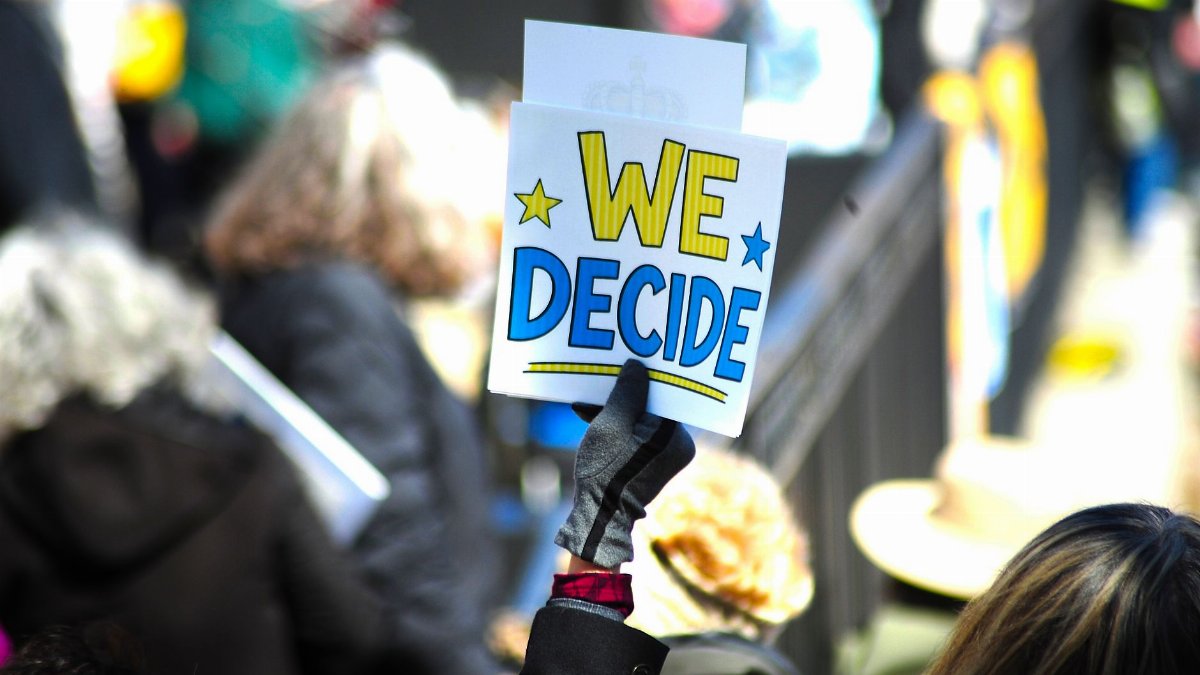
Every Chicago mayor inherits a short list of problems that do not retire when the inaugural speech ends. Crime and the sense of safety remain at the center, not as a slogan but as a daily calculation about where to send a child, when to ride the train, and whether a business stays open after dark. Candidates will argue about policing, prevention, and prosecution. Voters will listen for specifics they can picture on their own block.
Housing sits beside safety. Rents, property taxes, and the slow work of building homes people can actually afford shape who gets to remain in the city. A mayor cannot decree prosperity, but a mayor can speed permits, steer incentives, and decide how aggressively the city uses its land and its borrowing power. Those choices sound technical until a family is priced out of a parish they have attended for decades.
Schools, transit, and the budget complete the core. Chicagoans argue about who should govern the schools, how often the buses run, and whether the city is living within its means. None of these fights is new. What changes from election to election is which failure feels most urgent, and which candidate seems least likely to explain it away.
Neighborhoods and the map of power
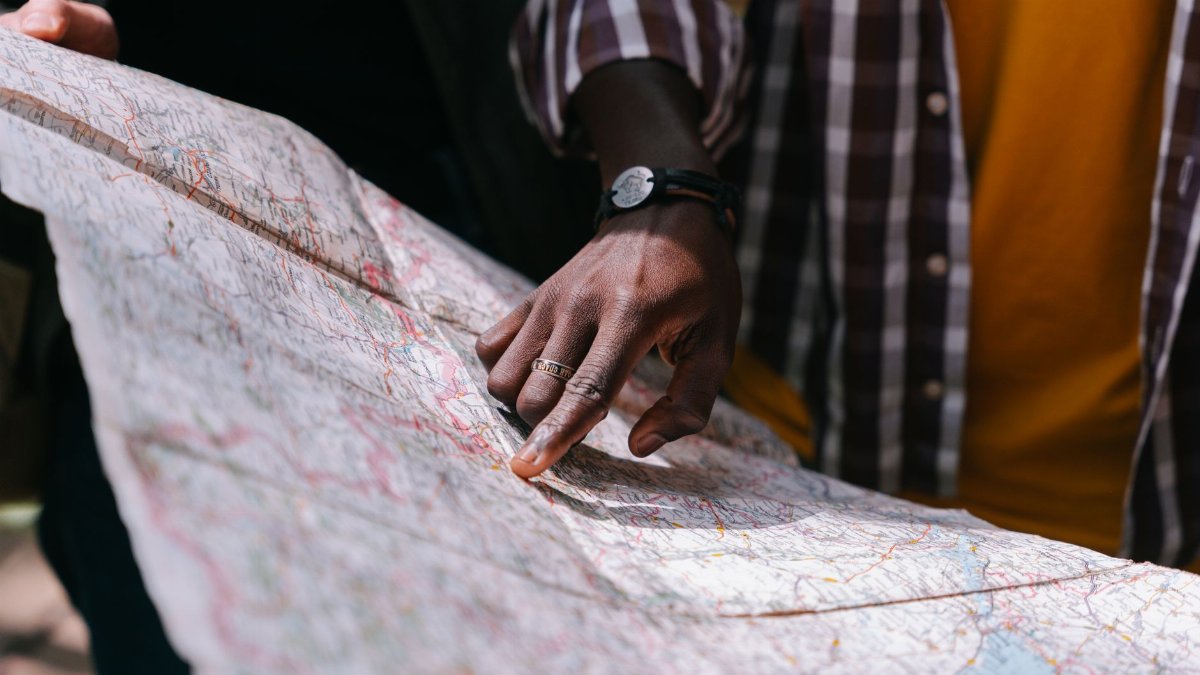
Chicago does not vote as a single mood. The North Side, the South Side, the West Side, and the bungalow belts along the edges have different memories of City Hall and different thresholds for trust. A candidate who is inevitable in one set of wards can be invisible in another. That geography is why retail politics still matters here, even in an age of online video. A handshake at a church basement or a union hall can move more votes than a polished advertisement that never leaves downtown.
Race, class, and immigration patterns run through that map, and any honest account of the contest has to say so without turning voters into categories. Black, Latino, white, and Asian communities are not blocs that move on command. They contain landlords and renters, city workers and small business owners, people who want more policing and people who want it constrained. The candidate who speaks to only one of those tensions will discover the others on election night.
Ward organizations, labor unions, neighborhood newspapers, and informal networks of precinct workers still shape turnout. National attention, when it arrives, tends to flatten those textures into a morality play. Local voters rarely experience the race that way. They experience it as a choice about who will answer the phone when a ward needs a street repaired or a school kept open.
Money, endorsements, and organization
A large field is expensive. Every additional candidate is another ask to the same donors, the same unions, and the same business leaders who prefer to bet on a winner. Early money does not guarantee victory, but the absence of money can end a campaign before voters ever hear the argument. Watch who can pay for field staff after the challenges end. That is often a clearer signal than a splashy announcement.
Endorsements will arrive in waves. Some will be genuine reflections of shared priorities. Others will be transactions dressed as principle. Chicagoans have seen both, and they have learned to ask what an endorsement actually delivers: volunteers, money, a mailing list, or merely a quote. Labor support can put hundreds of people on sidewalks. A celebrity nod can fill a timeline and still leave a precinct empty.
Organization is the unglamorous advantage. The candidate who knows which buildings have working buzzers, which congregations meet on which night, and which voters need a ride is usually the candidate who outperforms the polls, if polls even capture a field this large. In the Chicago mayoral election, romance belongs to the speech. Power belongs to the list.
Faith, ritual, and the moral language of the race
Campaigns in this city still pass through sanctuaries, mosques, temples, and storefront churches, not because politics and worship are the same thing, but because those rooms remain among the few places where strangers agree to sit together and listen. Candidates ask for prayers and for votes in the same breath. Congregations decide, sometimes quietly, whether a visitor is a guest or a regular.
That intersection deserves care. Faith communities are not campaign props, and moral language can be used to dodge hard tradeoffs. A promise to heal the city means little if it never specifies who pays, who waits, and who is protected. At the same time, the older civic habits of these rooms, the potluck, the voter registration table, the ride to the polls, still do work that no consultant can fully replace. They remind residents that an election is a common obligation, not only a contest of personalities.
What a runoff would change
If no candidate wins a majority on Feb. 23, the city will narrow the choice and ask voters to look again. A runoff changes incentives. The two finalists must reach people who preferred someone else. Negative attacks carry a new risk, because the voters being courted may have liked the person being attacked. Coalitions that were impossible in a sixteen person field become necessary in a two person field.
Runoffs also exhaust people. Volunteers who gave February away may not have March to give. Donors grow cautious. News coverage intensifies, and so does fatigue. The candidate who conserved energy, and who treated eliminated rivals with enough respect to inherit their supporters, often has the advantage. None of that is guaranteed. It is only the pattern Chicago has watched often enough to recognize.
How to read the weeks ahead
The useful habit, for anyone trying to follow this without being spun, is to separate announcement from qualification. A video is not a petition. A poll of insiders is not a hearing before the election board. A crowded press conference is not a ward operation. The Chicago mayoral election will produce plenty of noise. The signal sits in a shorter list of facts: who stays on the ballot, who can fund a citywide effort, and who can speak about safety, housing, schools, and money without pretending the tradeoffs do not exist.
Johnson and Mendoza give the early story two poles, the incumbent and a seasoned citywide official. The other candidates, however many survive the challenges, will test whether those poles are as fixed as they look. Some will fade after a news cycle. A few may reorder the race by finding voters the better known names have taken for granted.
A choice that outlasts the headlines
Mayors govern long after the cameras leave the victory party. They appoint people, set budgets, and decide which crises get a sustained response and which get a press release. That is why the mechanics of this contest, the petitions, the objections, the forums in cold church basements, deserve more attention than they usually receive. They are not prelude to the real story. They are the story of who is allowed to offer a future and who is forced to watch from the sideline.
Chicago has a gift for treating politics as destiny and a habit of discovering, the morning after, that destiny was a turnout number. The next mayor will not save the city alone and will not ruin it alone. The office is powerful and limited at the same time. Voters who keep that scale in mind will be harder to flatter and harder to frighten. They will also be better prepared for Feb. 23, 2027, when the Chicago mayoral election stops being a list of names and becomes a government.