

On a gray morning after the latest river crest, county crews in rubber boots walked a stretch of road that had been pavement the week before and was now a shallow channel. Downtown, the calendar was already full of budget briefings that would not get kinder with time. Girmay Zahilay had not been handed a quiet opening chapter. The office arrived with standing water in low valleys, a $120 million hole in the books, a regional rail system staring at a $35 billion shortfall, and a federal government more interested in confrontation than partnership.
A county that was already tight

King County is not a small town with a single problem. It is a dense, expensive, politically divided place that runs jails, public health, buses, courts, elections, and emergency response for more than two million people. Growth filled apartments and clogged highways. Rents climbed faster than wages for a large share of workers. Homelessness remained visible on sidewalks and in parks. None of that paused because a new executive took the oath.
The structural squeeze was already familiar to anyone who has sat through a county hearing. Sales tax revenue moves with the economy. Property tax growth is capped in ways that do not match the cost of labor, medical care, or construction. State law limits how freely local leaders can invent new revenue. When inflation lifts the price of everything from diesel to shelter beds, a government can look richer on paper and poorer in the services it can actually buy.
That is the backdrop for the money crunch now defining the executive’s early months. A gap of $120 million is not an abstract spreadsheet line. It is the size of programs that residents notice only when they vanish: outreach teams, clinic hours, maintenance deferred one more year, positions left empty because filling them would force a cut somewhere else.
Floodwater does not wait for a vote

Weather made the politics immediate. Heavy rain pushed rivers over their banks and turned fields, roads, and basements into problems that could not be postponed until the next biennium. Flood response is the least theoretical part of local government. People need sand, pumps, temporary housing, debris removal, and a clear answer about whether their street will be passable by morning.
The cost arrives twice. First comes the emergency spending, often authorized in a rush because delay is its own form of harm. Then comes the repair bill, which lands on a capital plan already crowded with bridges, levees, and buildings that were due for work before the storm. Federal disaster aid can help, but it is slow, partial, and wrapped in rules that do not match a county’s cash flow. Local leaders front the money and hope reimbursement arrives before the next season of high water.
For an executive still learning which levers actually move, a flood is a brutal tutor. It reveals which departments coordinate and which ones wait for someone else to call. It also reveals the political risk of looking managerial while people are still mopping mud out of living rooms.
The shape of a $120 million gap

Budget holes of this scale rarely come from a single mistake. They accumulate. Labor agreements raise pay to keep nurses, deputies, and social workers from leaving for better offers. Health care for employees and for people in county custody grows faster than general inflation. Legal obligations, from public defense to election administration, do not shrink because revenue is soft. One time money used in a prior year to avoid a painful cut becomes a hole the following year when that money is gone.
Closing $120 million means choosing among bad options. Across the board trims sound fair and usually are not, because some departments are already near a legal minimum and others carry costs that spike if you cut the wrong staff. Targeted cuts require a theory of what the county is for. Is the priority jail safety, homelessness response, public health clinics, or the unglamorous work of maintaining pipes and roads that fail expensively when ignored?
Reserves can buy time. They cannot buy a new fiscal structure. Spending them down to avoid a tax vote or a layoff is a choice with a date attached. The next executive, or the same one a year later, inherits a thinner cushion and the same underlying math.
Rising taxes and the argument for them

Asking residents to pay more is never a technical memo. It is a moral and political claim: that the services at risk are worth the hit to a household budget already strained by rent, groceries, and childcare. In a high cost region, that claim meets skepticism even among people who vote for Democrats. They have heard promises before. They have watched projects run long and levies stack on levies.
Property owners feel increases directly. Renters feel them indirectly when landlords pass costs through. Businesses argue that another local tax pushes marginal employers toward places with lower burdens. Supporters answer that letting transit, courts, and public health degrade is its own tax, paid in time, danger, and lost wages.
The executive’s job is to make the trade visible rather than to pretend it is painless. A levy or a council approved increase needs a plain account of what the money buys, what happens if it fails, and how the county will show results in a year rather than in a slogan. Without that account, rising taxes read as inertia. With it, they can read as a decision the public was trusted to understand.
Sound Transit and a bill measured in decades

If the county gap is a one year crisis, Sound Transit’s $35 billion shortfall is a generational one. The agency is building the rail network voters were told would stitch the region together. Costs for concrete, steel, labor, real estate, and delay have blown past the estimates that sold those ballot measures. A shortfall of that size cannot be patched with a clever accounting entry.
The executive does not run Sound Transit alone. The board is a coalition of cities, the county, and the state, which is both a strength and a way for everyone to blame someone else. Still, King County is the population and tax base at the center of the system. What the executive says about timelines, station cuts, tax capacity, and honesty with riders will shape whether the public stays with the project or turns on it.
Riders care less about governance charts than about whether a train arrives and whether fares and taxes keep climbing while openings slip. Construction workers and small businesses near work zones care about whether pause and restart cycles waste years. A $35 billion gap forces a public conversation the region has postponed: what gets built, what gets deferred, and who pays for the difference between the map on the poster and the map that can actually be financed.
Fighting Washington from a county office
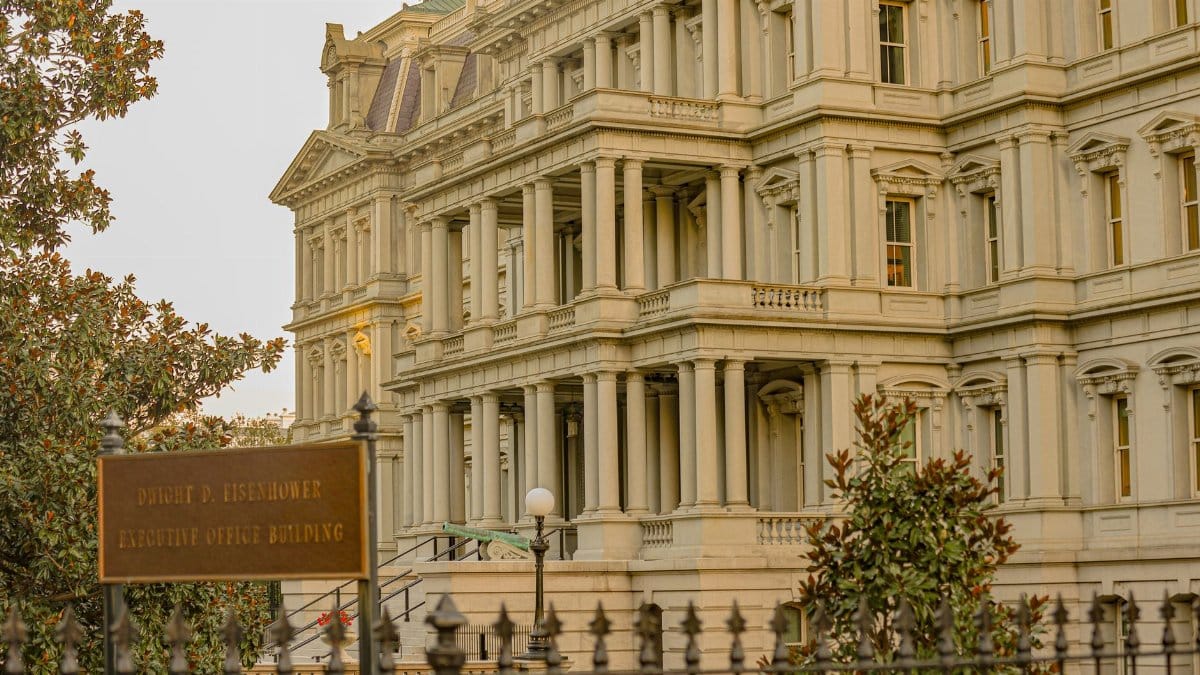
Local executives do not set federal immigration policy, federal transit grants, or the tone of a national administration. They do absorb the consequences. Clashes with President Trump’s administration are not theater for a county that depends on federal dollars for housing, disaster relief, public health, and transportation. A hostile White House can slow grants, reinterpret rules, and use investigations or funding threats as leverage against places that vote the other way.
Fighting that pressure has two tracks, and they can collide. One track is legal and rhetorical: joining lawsuits, issuing statements, refusing to lend county staff to federal actions the executive believes are unlawful or cruel. The other track is practical: keeping the money flowing for clinics, levees, and rail so that constituents are not punished for a political fight they did not individually choose.
The risk of the first track is performance without protection. The risk of the second is silence that looks like consent. A competent executive has to say, in public, which federal demands the county will resist and which partnerships it will keep because a flood wall or a vaccine clinic should not become a casualty of national grievance. That distinction is harder to hold when cable news rewards the loudest sentence and punishes the careful one.
What the office can actually move

County executive is a powerful title and a constrained job. The council writes ordinances and adopts the budget. Courts interpret the law. Cities control much of the land use that drives housing supply. The state legislature decides which taxes are even legal. An executive who campaigns as a singular problem solver discovers, quickly, a calendar full of meetings in which other people hold the votes.
Influence still matters. The executive proposes the budget, sets the administrative tone, appoints department leaders, and decides which crises get a public face. In a flood, that face is either calming and specific or absent. In a tax debate, that face either explains the math or hides behind process. In a fight with federal agencies, that face either coordinates with cities and the state or discovers, too late, that allies were not consulted.
Staff quality is the quiet variable. A new administration inherits managers who know where the bodies of old decisions are buried. Replacing them too fast loses memory. Keeping everyone in place can freeze the very habits the election was meant to change. The first year is often spent learning which warnings from the bureaucracy are self protection and which ones are the only reason a program has not already failed.
Who feels a cut before a headline does

Budget language flattens people into line items. The residents who feel a reduction first are rarely the ones with lobbyists. They are families who use a public health clinic because private insurance is a theory, not a card in the wallet. They are defendants waiting on a public defender whose caseload just grew. They are bus riders whose route is thinned because operations money went to keep a capital project alive. They are renters in the valley whose street floods and whose landlord is not in a hurry.
King County’s inequality makes those choices sharper. A tax increase that a household in a high income neighborhood can absorb may push a service worker toward a longer commute or a missed bill. A service cut that looks small in a council packet can be the difference between a shelter bed and a night outside. An executive who talks only to civic boards will misread the temperature. An executive who talks only in the language of crisis will exhaust the public before the hard vote arrives.
The fair question for any new spending or any new cut is simple enough to ask in a town hall: who pays, who waits, and who is already waiting?
A coalition that has to be rebuilt

Winning an election is not the same as holding a governing majority a year later. Labor unions want contracts honored. Business groups want predictability and lower friction. Housing advocates want money and land. Suburban cities want flood control and roads without feeling like they subsidize Seattle’s arguments. Immigrant communities want protection from federal overreach and also functional services that do not require a lawyer to obtain.
These groups overlapped on election night. They do not overlap on a tax rate. The executive has to disappoint some of them in public, early enough that the disappointment is a choice rather than a surprise leaked from a draft budget. Trust, in this setting, is not warmth. It is the belief that the numbers were not cooked and that the people who lose a round will still be in the room for the next one.
Media attention will follow the fight with Trump because it is national and loud. The money crunch will decide whether the administration is remembered as competent. Both can be true at once, which is awkward for a political style that prefers a single story.
The next budget is the real referendum

Voters will not grade the first year by the elegance of a speech. They will grade it by whether the rivers were managed, whether a bus still came, whether a clinic stayed open, and whether a tax increase, if it passed, bought something they can point to. The $120 million gap and the $35 billion transit shortfall will not be solved in one cycle. Pretending otherwise is how local leaders lose the room.
What can be solved, or at least faced, is the habit of treating each emergency as unrelated. Flood costs, operating deficits, delayed rail, and federal hostility land on the same households. A budget that names those connections is harder to write and easier to defend. A budget that hides them will be rewritten by events anyway.
Girmay Zahilay’s early record will be read in that light: not as a symbol, and not as a cable news combatant, but as the person who had to say which bills get paid when the water is up and the accounts are short. The county is watching for that sentence, in plain language, before the next storm and the next levy ask arrive together.