
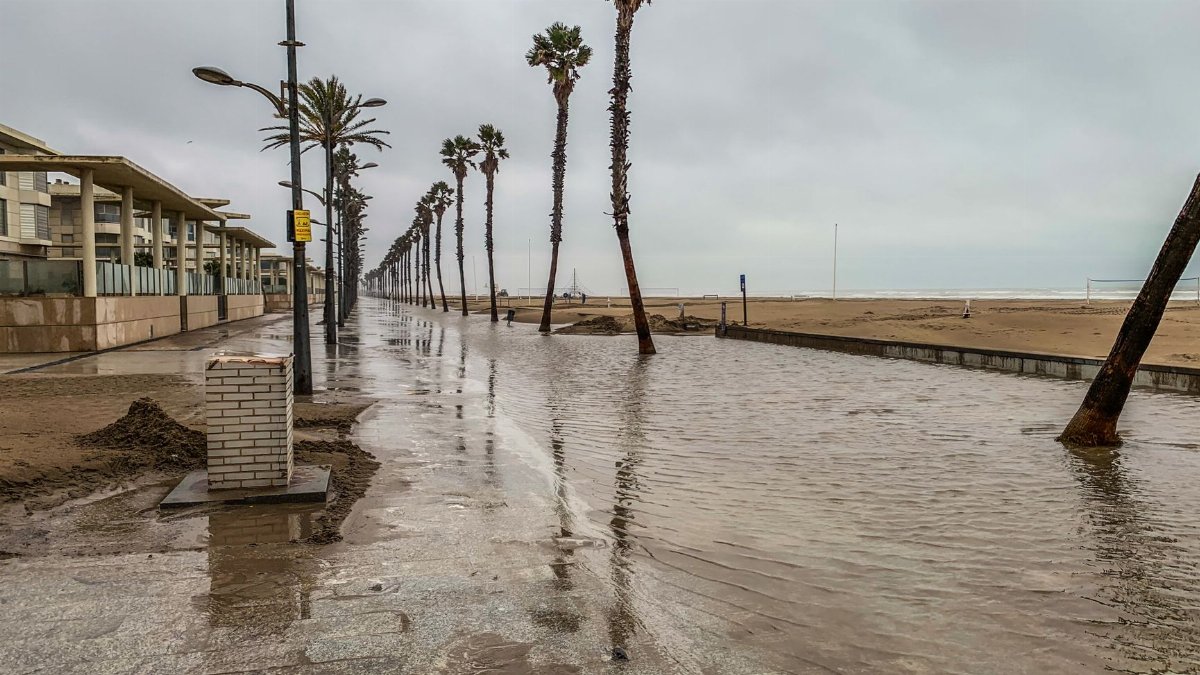
On a gray morning after the king tides, Pacifica looked less like a postcard and more like a place the ocean had argued with and won. Sand lay in sheets across Beach Boulevard. A stretch of seawall had crumbled. Homes sat in floodwater that did not belong in living rooms. And the Pacifica pier collapse turned a familiar walk into a broken line above the surf, the kind of sight that makes a city stop and recalculate what it thought was permanent. For a town that has spent decades negotiating with erosion, this was not an abstract climate lecture. It was a weekend of closed sand, closed water, and neighbors measuring loss in wet floors and missing railings.
A coastline that has been warning the city for years
Pacifica did not meet this storm as a stranger to erosion. The city sits on a restless edge of San Mateo County, where winter surf regularly tests bluffs, roads, and the thin margin between a front door and the beach. Residents have watched buildings come down, streets narrowed by emergency work, and familiar viewpoints shift inland by inches that eventually become rooms. In 2016, cliffside apartments were demolished after the ground beneath them failed, a scene that still organizes local memory. That history changes how people read a single violent weekend. When king tides stack on storm swell, the damage feels sudden. The conditions that made it possible have been gathering for years, in higher water, stronger winter pulses, and a shoreline that does not keep a human calendar.
What the king tides did along Beach Boulevard
King tides are not a surprise. They arrive on a published schedule, the highest reaches of the tidal cycle, and coastal cities plan around them. What they cannot schedule is the company they keep. A Pacific storm can pile swell on top of an already extreme tide, so water arrives higher, harder, and for longer than a seawall was asked to bear on an ordinary afternoon. Along Beach Boulevard, that combination shoved sand across the road, worried the wall, and left sections crumbled rather than merely scarred. Flooded homes followed where the barrier and the grade could no longer keep the Pacific in its assigned place. For people who live on that street, the ocean is not a view. It is a neighbor with a key.
The pier as a public living room
The municipal pier has long functioned as something more ordinary, and therefore more precious, than a landmark. Fishers stand shoulder to shoulder in weather that would empty a park. Teenagers walk out to feel the drop of the water under their feet. Older residents treat the rail as a bench with a better horizon. I have walked it on calmer days, and the ordinary noise of it, reels clicking, gulls arguing, a radio turned low, is what makes a broken span feel so abrupt. The Pacifica pier collapse was not only a structural failure. It removed a free room that did not require a reservation, a membership, or a car that could climb a hill. In a city pressed between highway and surf, that kind of room is civic infrastructure.
Flooded homes and the private inventory of loss
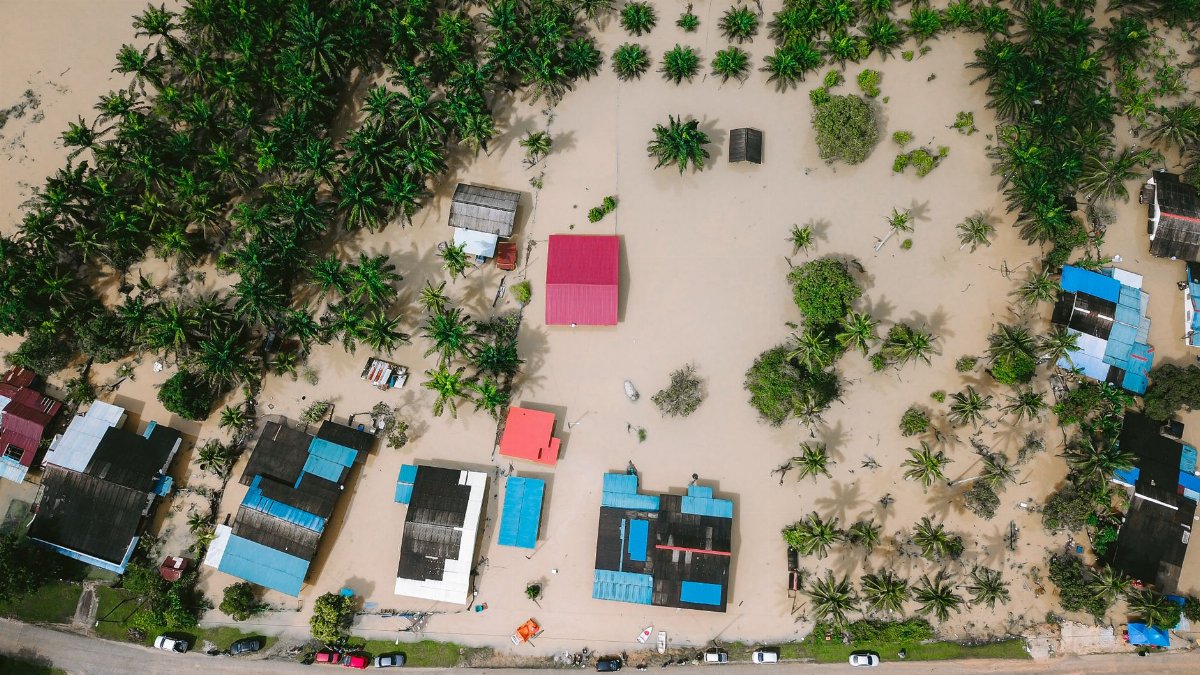
Public pictures tend to linger on the dramatic edge, the missing concrete, the brown fan of sand, the caution tape. Inside flooded homes the accounting is smaller and meaner. Wet drywall. A rug that will never dry right. Photographs in a low drawer. The particular smell of seawater in a place meant to smell like coffee. Middle aged homeowners on this coast often carry two mortgages in the emotional sense, one to a bank and one to the bet that the bluff will hold through their working years. A storm does not care about that bet. Cleanup starts with buckets and phone calls, then with the slower discovery of what insurance will name and what it will refuse. Neighbors trade shop vacuums and extension cords because formal help moves on a different clock.
Why the beach and the water stayed closed
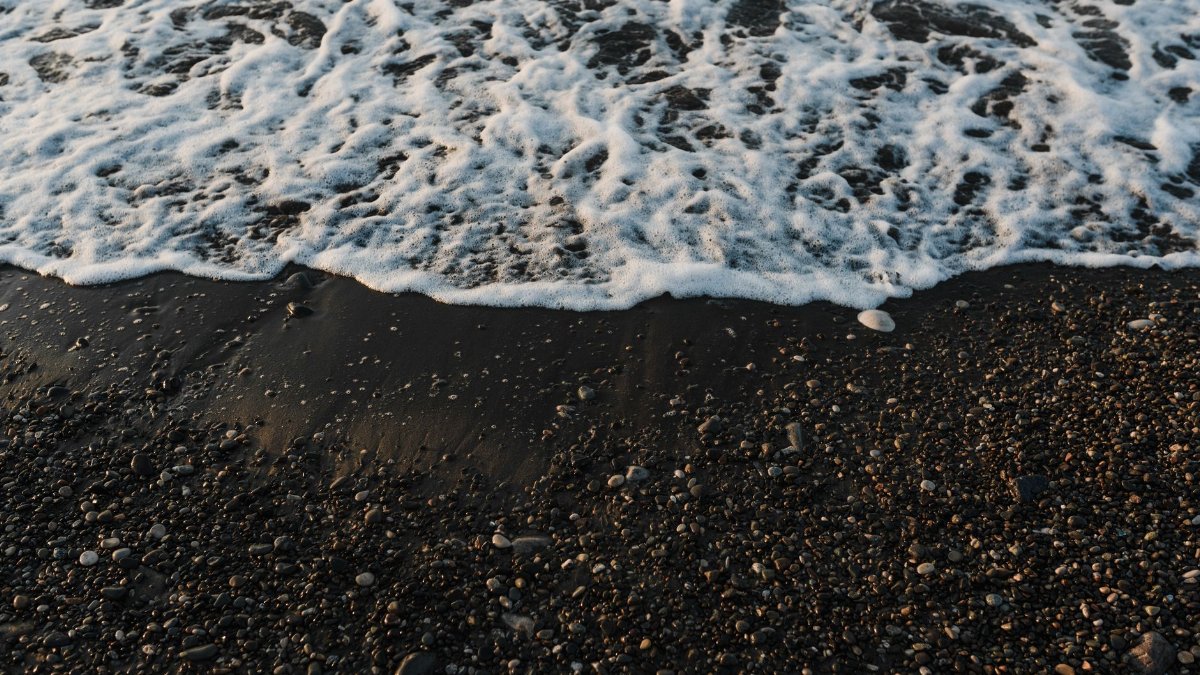
Officials kept the beach and the nearby water closed, a decision that frustrates surfers and fishers and still reads as the conservative choice when a wall has failed and a pier is no longer whole. Broken concrete, exposed reinforcing steel, unstable sand, and unseen debris in the wash are not scenic inconveniences. They are hazards that a strong set can move without warning. Until inspectors finish their work, the closure that followed the Pacifica pier collapse remains the clearest public fact on offer. Closure is also a kind of speech. It tells residents that the city does not yet know the full shape of the damage, and that curiosity is not a sufficient reason to walk out for a photograph. The ocean will still be there when the tape comes down.
How a small city absorbs a very large shock
Pacifica is not a metropolis with a bench of spare engineers and a rainy day fund that can swallow a pier. It is a coastal city that already spends a remarkable share of attention on the simple act of remaining where it is. A crumbled seawall competes with every other duty a city owes, schools, streets inland of the spray, the daily business of permits and payroll. Emergency declarations can unlock outside money, but they do not conjure crews, barges, or a calm week of weather in which to work. Residents feel that squeeze as delay. Delay, on a shore like this, is not neutral. Another high tide arrives whether the bid documents are ready or not. The civic skill required here is triage without pretense.
Concrete, rock, and the limits of holding the line
A seawall is a promise written in concrete, and like most promises it has terms. It can deflect a season of waves. It can buy time for the road behind it and the houses that treat that road as a guarantee. It cannot repeal erosion, and it can sometimes shift the problem, scouring sand from the beach in front or pushing wear toward the ends of the wall. Rock barriers, beach nourishment, and managed changes to streets each carry their own bill and their own losers. After a weekend like this one, the argument returns in a sharper voice. Repair what failed, and accept that repair is a lease. Or begin, in public, the harder conversation about what should not be asked to stand in the same place for another fifty years. Neither answer is cheap, and neither is purely technical.
What closure takes from daily ritual
The people most immediately deprived are not only homeowners. They are the dawn fishers who measure the year in lingcod and the condition of the rail. They are surfers who know which tide pairs with which wind on this particular beach, knowledge that does not transfer neatly to the next town south. They are walkers whose doctor told them to move every day and who chose the flat promise of the pier over a hill. When access ends, those rituals do not pause in a tidy way. They scatter into parking lots, into arguments online, into a restless sense that the week has lost its hinge. A closed beach is a safety rule. It is also a subtraction from the ordinary religion of repetition that keeps a town feeling like itself.
The quiet search for steadiness
Storm coverage rarely lingers on the spiritual weather, but it is there, and it is not confined to churches. People stand at a safe distance and try to locate themselves against a horizon that has edited their map. Some pray. Some simply refuse to look away, as if attention were a form of loyalty. Parents explain to children why the walk they know now ends in air. In a culture that treats the coast as leisure, a collapse returns it to the older category of reckoning. What do we owe a place that has hosted our ordinary joy, and what do we owe the neighbors whose floors are wet because the shared barrier failed. Those questions do not pour concrete. They do decide whether a city meets the next tide as a crowd of private anxieties or as a public with a memory.
The science is clear, and the choices are not

No serious observer of this coast still treats winter damage as a string of unrelated accidents. Seas are higher than they were when many of these walls and piers were designed. Storm seasons arrive with more moisture and more punch. King tides, once a curiosity for photographers, now function as a preview of water levels that may become less rare. That does not mean every crumbled section was destined, or that maintenance, design, and local geology can be waved away. It does mean that rebuilding to the old assumption is a choice, not a default. Pacifica has been living inside that choice longer than most American towns. The latest damage makes the choice visible to people who do not attend planning meetings and do not read engineering memos.
Money, memory, and who gets protected

Every coastal repair hides a distribution question. Whose street is armored first. Whose view is preserved. Whose losses count as infrastructure and whose count as private misfortune. Beach Boulevard carries homes, a public edge, and a symbolic weight far beyond its length, because so many people can see it fail from the road. A pier, likewise, is easier to mourn than a drain or a pump station, and mourning has political force. The fair outcome is not to sneer at that attachment. It is to spend with open criteria, to say which assets are being bought time, which are being retired, and who bears the cost of either path. Without that candor, each storm becomes a scramble in which the loudest loss sets the budget.
What a repair will have to explain

Any serious repair plan will have to explain the Pacifica pier collapse in plain language. Not as a spectacle, and not as a metaphor, but as a sequence of loads, materials, maintenance, and water levels that either can be answered or cannot. The same honesty applies to the seawall. Residents can accept hard news. They struggle with vague news, the kind that promises assessment and then goes quiet while the next king tide prints a fresh line of foam across the asphalt. Clear timelines, clear closures, and a public account of what failed would not restore a railing. They would restore the minimum trust a coastal city needs when it asks people to stay off their own beach.
Living with a shore that keeps the last word
Pacifica will clean the sand. Crews will test what remains. Some stretch of wall will be patched, and some familiar walk may return, perhaps narrower in spirit even if the concrete looks the same. People will remember the Pacifica pier collapse as the weekend the walkway ended in open water, filed beside other winters when the Pacific revised the city without asking permission. The lesson is not that beauty here is false. The lesson is that beauty here is conditional, leased from a shore that keeps the last word. A grown up coastal politics starts from that fact, then decides, in daylight, what is worth defending and what must be loved from a safer distance.