
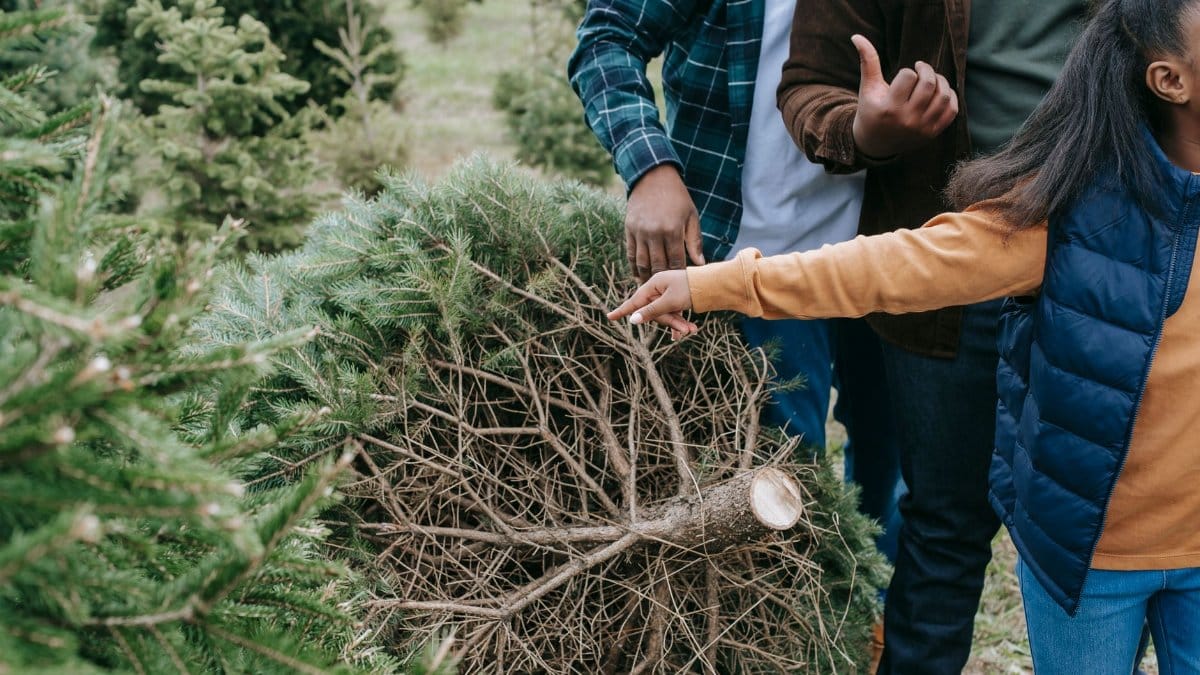
On a cold Saturday in central Massachusetts, a line of cars idled beside a gravel lane while families stepped into rows of fir and spruce. Children argued over which tree looked fullest. Parents checked tags and did quiet arithmetic. For the people who planted these fields years ago, Christmas tree prices are no longer a mystery whispered at the end of the season. They are the figure that will shape payroll, fuel, and whether the lot stays open through the last weekend before the holiday.
Growers expect a busy, not frantic, December
Across New England, farmers describing this fall to regional reporters talk about a market that feels unusually steady. Wholesale quotes have not jumped. The phrase many of them reach for is brisk business, not a boom and not a bust. A healthy crop is moving, and customers who stayed home during leaner years are back to walking the rows.
That calm is itself a story. After several seasons when shortages and shipping snags pushed tags higher, shoppers arrived braced for another surprise. This year the surprise, if it can be called that, is familiarity. A standard cut your own tree on many New England farms is landing near sixty five dollars, with taller specimens and delivery adding to the bill. Flat is not the same as cheap. It is the absence of another sharp climb.
Supply finally caught up with the calendar
Christmas trees are agriculture on a slow clock. A seedling set in the ground this autumn will not be ready for a living room until the early 2030s. The trees on lots now were planted when many of today’s buyers were busy with entirely different worries. That lag is why a tight year can echo for a decade, and why a stretch of decent weather and patient replanting can suddenly look like abundance.
Growers say the pipeline looks better than it did when pandemic buying emptied fields faster than farms could replant. Nurseries have seedlings. Established blocks have fewer gaps. A beautiful tree still takes shearing, fertilizing, and protection from deer, drought, and the odd late frost. The panic buying of recent memory has eased, and customers can be picky again.
What the tag actually pays for

A tree that leaves a farm for sixty or eighty dollars has already absorbed years of rent on the land, fuel for mowers, wages for seasonal crews, and the trees that never made it to market. Farmers are frank about the unglamorous math. Every row includes misses: crooked trunks, sparse branches, insect damage, a dry summer that stalled growth.
Labor is the cost that keeps coming up in conversation. Shearing crews are harder to hire. Local teenagers have more options than they did a generation ago. Some farms now rely on the same small teams year after year, and those teams expect wages that keep pace with other outdoor work. When wholesale prices hold steady, retailers cannot simply pass a fresh increase down the chain. They absorb, trim hours, or hope volume makes up the difference.
Wholesale quiet, retail caution
Brokers who move trees from Maine, New Hampshire, Vermont, and the Canadian border regions into city lots describe a wholesale market without drama. Freight is not the shock it was. Fuel has settled enough that a load of trees does not rewrite the budget overnight. Ask a broker what actually moved, and Christmas tree prices are not the headline. Freight and rent are. That does not mean the corner lot in a dense neighborhood will feel inexpensive. Rent for a paved triangle near a grocery store can dwarf the cost of the trees themselves. City prices often say more about asphalt than about agriculture.
Still, the growers closest to the story expect tags to look familiar to anyone who bought last year. Families planning a December budget have had few categories that behaved. A holiday staple that refuses to spike is, in its small way, news.
How families read the number

In kitchens and group chats, Christmas tree prices get compared the way grocery bills do. One sibling remembers paying less a decade ago and treats the difference as proof that everything has slipped. Another remembers the year the lot was picked clean by the second weekend and is grateful to have a choice at all. Both memories can be true. The sticker is higher than the old family legend, and lower than the fear that took hold when supply was thin.
That private accounting shapes the public season. A household that feels the tag is fair will buy earlier, add a wreath, and maybe pay the farm to shake and wrap the tree. A household that feels squeezed will wait for a markdown or switch to a smaller size. Growers watch that hesitation. Brisk business depends on people deciding the ritual is still worth the line in the cold.
Cut your own still sets the mood

The farms that invite customers onto the land occupy a different economy from the tent in a parking lot. People pay for the walk, the cold air, the photograph, the cider. A sixty five dollar tree can feel like an outing rather than a bare commodity, which is why many growers protect that figure even when a wholesaler quotes something else. The experience carries part of the value.
There is also a practical reason the number holds. Sales on the farm cut out a layer of trucking and lot rental. The farmer captures more of the retail dollar and spends more of the day talking with the people who will put the tree in a stand. Those conversations are not sentimental decoration. They are how a farm hears, early, whether sizes are right and whether anyone is balking at the tag.
Weather remains the uninvited partner

No price list survives a bad stretch of weather unchanged, even if this year’s lists look calm. A dry July can leave needles dull. Heavy snow in early December can turn a parking field into a problem and keep casual buyers home. Farmers plan for that the way they plan for payroll: as a risk, not as a shock.
What they describe now is a season that has cooperated more than it has punished. A shearing schedule that held. The trees, as more than one grower has put it, look beautiful. Beauty here is less a slogan than a report on months of ordinary work that did not get interrupted. When the trees look right, customers linger. That pause sells wreaths and stands, and it plants the decision to come back.
The long view from the nursery
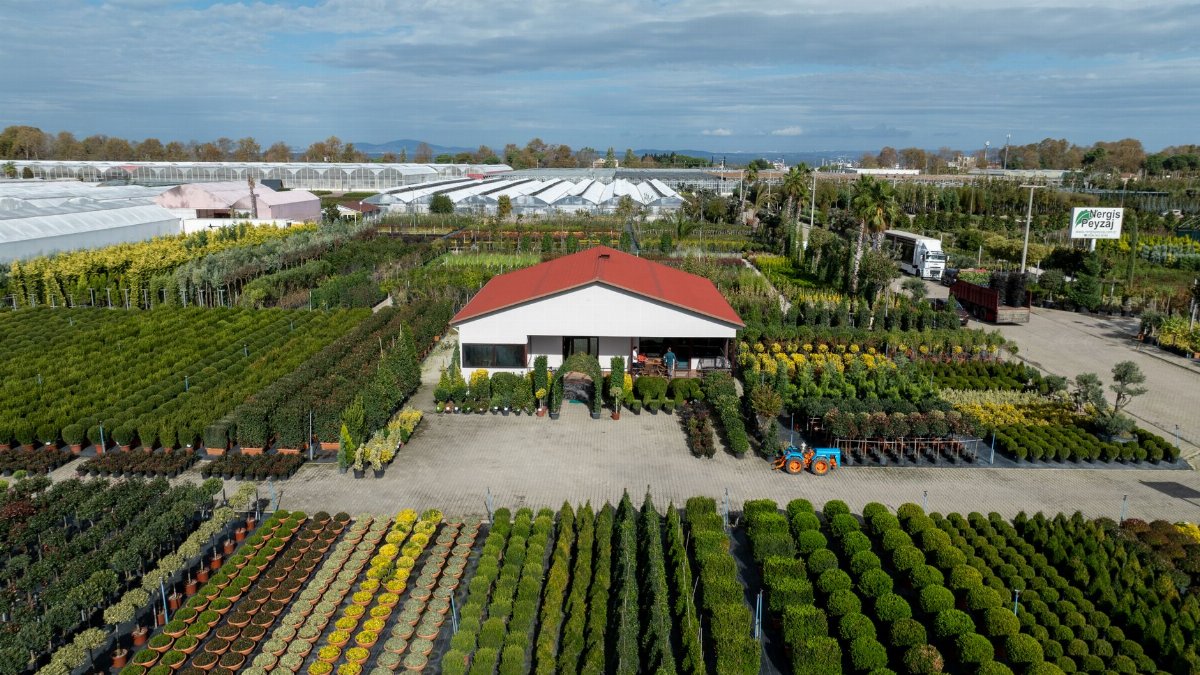
If this December feels orderly, the credit belongs partly to decisions made when the news was worse. Farms that kept planting through the tight years are the ones with rows to sell now. Those that paused, short of labor or cash, are still waiting on younger blocks. The industry’s memory is long because the crop forces it to be.
That memory also explains why few growers are celebrating a flat year as a permanent new normal. Costs have not reversed. Insurance, taxes, and equipment do not get cheaper because wholesale quotes took a breath. A stable retail tag can be a squeeze if the expense side keeps climbing. Steady demand and a full field are what buy time to keep replanting.
City lots and the last weekend
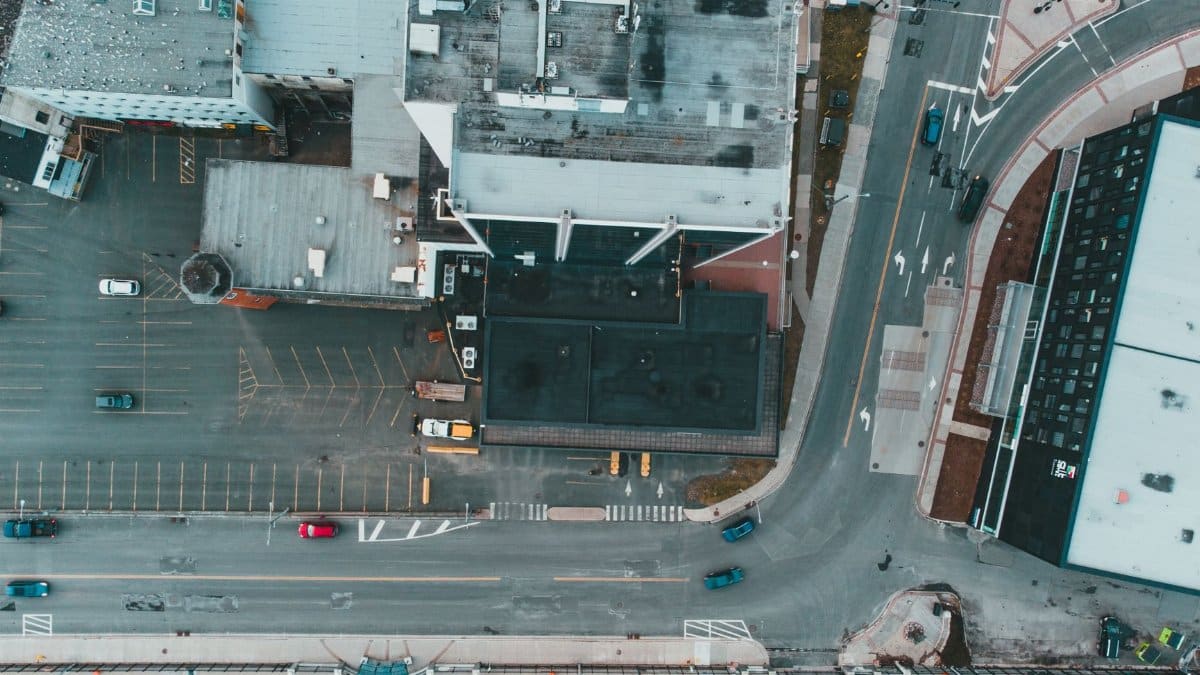
In Boston and the smaller cities around it, the season has its own tempo. Lots open beside subway stops and church parking areas. Some are run by the same families for decades. Others appear with the first hard frost and vanish after the new year. Their customers often want a tree tonight, not an outing next Saturday. For them, Christmas tree prices are a curbside decision made in the dark with a tape measure and a sense of what the hallway can hold.
Those lots live on timing. Early December rewards the prepared. The final weekend rewards the flexible, the people willing to take a slightly thinner tree at a lower tag. Growers upstream watch that late market carefully. A clean sale means they judged volume well. A pile of unsold trees means next year’s order shrinks. This year, the bet is that the pile will be small.
A ritual with a receipt

There is a temptation to treat the whole subject as mere commerce, and a matching temptation to treat it as pure sentiment. Neither tells the truth. A Christmas tree is a purchased object and a marker of the season, sometimes of faith, sometimes of family habit, sometimes of nothing more complicated than the smell of fir in a warm room. The people selling them understand both sides. They also understand that a beautiful tree no one can afford does not complete the ritual.
What New England farmers are preparing for is not a frenzy and not a slump. It is a December in which supply, wholesale calm, and a familiar cut your own figure near sixty five dollars let more households say yes. If the lots stay busy and the tags stay readable, the season will feel, for once, like the holiday people remember rather than the one they brace for.