
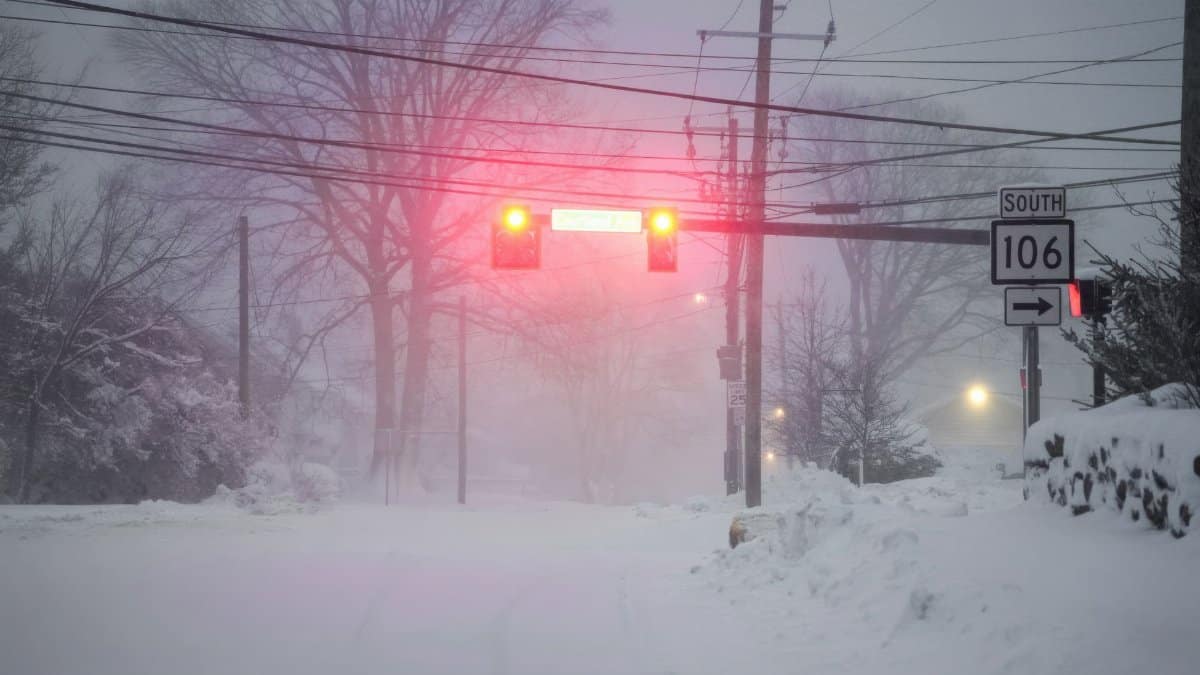
In a Worcester kitchen just after dawn, the coffee maker sat silent and the oven clock was blank. Wet leaves clung to a line that had come down overnight, and a neighbor swept glass from a porch while the street stayed dim. Across the state, the holiday quiet had a sharper edge. Massachusetts power outages still affected more than 6,000 customers on Friday morning, even as a coastal storm that complicated Thanksgiving travel began to ease. The lights were returning in many towns, yet pockets of Worcester County, Berkshire County, and Cape Cod remained dark as crews sorted through soaked limbs and sagging wires. For families who had hosted a full table the night before, the morning felt less like a victory lap and more like a second shift.
A holiday morning that did not reset

Thanksgiving often ends in a soft landing. Guests leave with leftovers, highways thin out, and kitchens return to ordinary noise. This Friday did not offer that clean turn. Wind from a coastal storm had worked on trees already heavy with late autumn rain, and the damage outlasted the worst of the weather. By the time many people woke, the dramatic part of the system was winding down. What remained was the quieter inconvenience of a house that would not heat on schedule, a phone that needed a charge, and a refrigerator full of food that suddenly required a plan.
More than 6,000 customers is not a historic collapse of the grid. It is also not nothing. In a state of millions, that figure can look small on a statewide map and feel total on a single block. The number mattered because it arrived on a morning when people expected relief, not another round of waiting.
Where the outages clustered

The remaining trouble was not spread evenly. Reports pointed to Worcester County, Berkshire County, and parts of Cape Cod as the main concentrations. That geography tells a familiar New England story. Inland hills catch wind in the trees. The Berkshires add elevation, narrow roads, and long runs of line through woods. The Cape adds exposure, salt air, and neighborhoods where a single downed span can darken a string of homes before a crew can reach it.
Cities with buried cable often ride out the same storm with little more than a flicker. Towns threaded with overhead wire do not get that luxury. Friday morning made that difference visible again, town by town, rather than as an abstract talking point about infrastructure.
Worcester County and the weight of wet limbs

Worcester County carried a large share of the lingering Massachusetts power outages. The county is big enough to contain dense neighborhoods and long rural stretches, and both kinds of places lose power for different reasons. In tighter streets, a limb can fall across several spans at once. Farther out, a crew may spend as much time reaching the break as fixing it. Rain had left branches heavy. Soil was soft. Roots that held through drier weeks gave way when the wind found a weak tree.
Residents described the usual sequence, even if they did not use the language of utility reports. A pop in the night. A streetlight gone. A house suddenly loud with its own silence. By morning the storm sounded finished, which made the dark feel more stubborn. People stood in driveways and looked up, trying to guess whether their outage was a neighborhood problem or a single wire in the trees behind the yard.
Berkshire County, where distance slows the repair
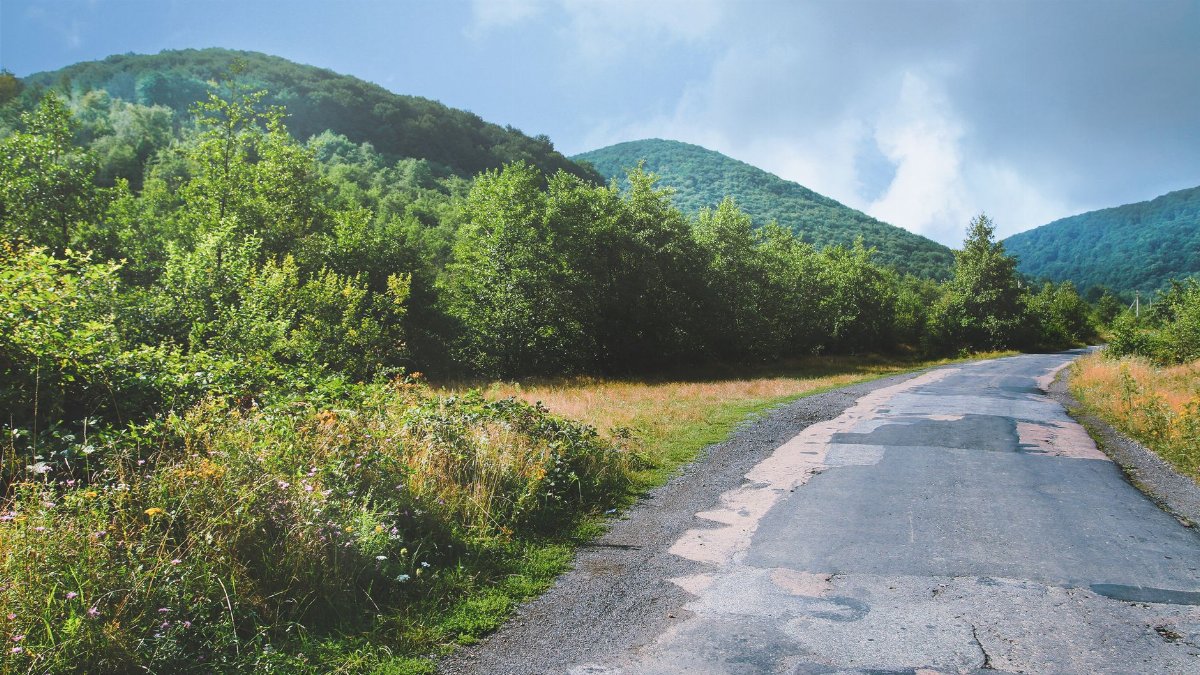
In the Berkshires, the same wind met a different landscape. Hills, valleys, and wooded corridors mean that a modest outage count can still describe a hard morning. A few hundred customers scattered across several towns do not form one neat work site. They form a list. Each address may sit past a closed lane, a low wire, or a tree that has to be cleared before a bucket truck can set its stabilizers.
Cold is the other fact of a late November outage there. A house that loses power after a holiday meal loses more than light. Electric heat stops. Well pumps stop. People who rely on medical devices start the clock they hope they will not need. Neighbors with generators become temporary infrastructure, which is generous and also a reminder that the public system has a gap measured in hours.
Cape Cod after the wind dropped
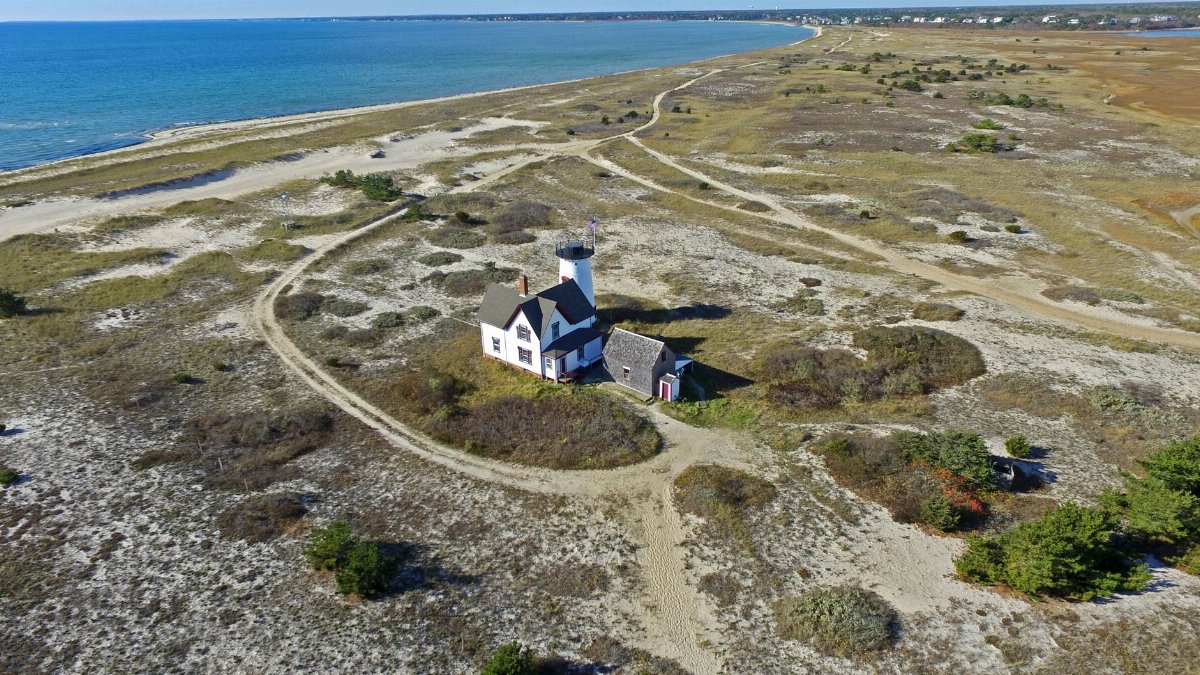
On parts of Cape Cod, the storm had a shoreline personality. Gusts worry shingles, rattle signs, and push spray farther inland than a fair weather day would allow. When the wind eased, the evidence stayed: branches in yards, sand on roads, and pockets of homes still waiting on a crew. Vacation week crowds had thinned after Thanksgiving, which changed the feel of an outage. Fewer visitors meant fewer cars, but also fewer open shops and a quieter main street if the lights were out.
Year round residents know this pattern. A coastal system does not have to become a named disaster to rearrange a Friday. It only has to find the old tree, the tired pole, or the span that has been patched through several seasons. Restoration then becomes a local story, told in group texts and at the counter of whatever store still has power.
What winding down actually means

Meteorologists and ordinary listeners use the phrase winding down in different ways. For a forecast, it can mean the peak gusts have passed and the rain shield is pulling away. For a person with a dark kitchen, it means the dangerous part may be over while the useful part has not started. Lines do not stand themselves back up because the radar has cleared. A storm can leave the region and still own the morning.
That lag is easy to underestimate from a warm newsroom or a house that never lost service. Crews cannot safely climb into the worst of a blow. They wait, then they triage. Hospitals, emergency services, and lines that unlock the largest number of customers tend to come first. A side street with a dozen homes can sit in the queue even after the sky turns ordinary blue.
How utilities sort a morning like this
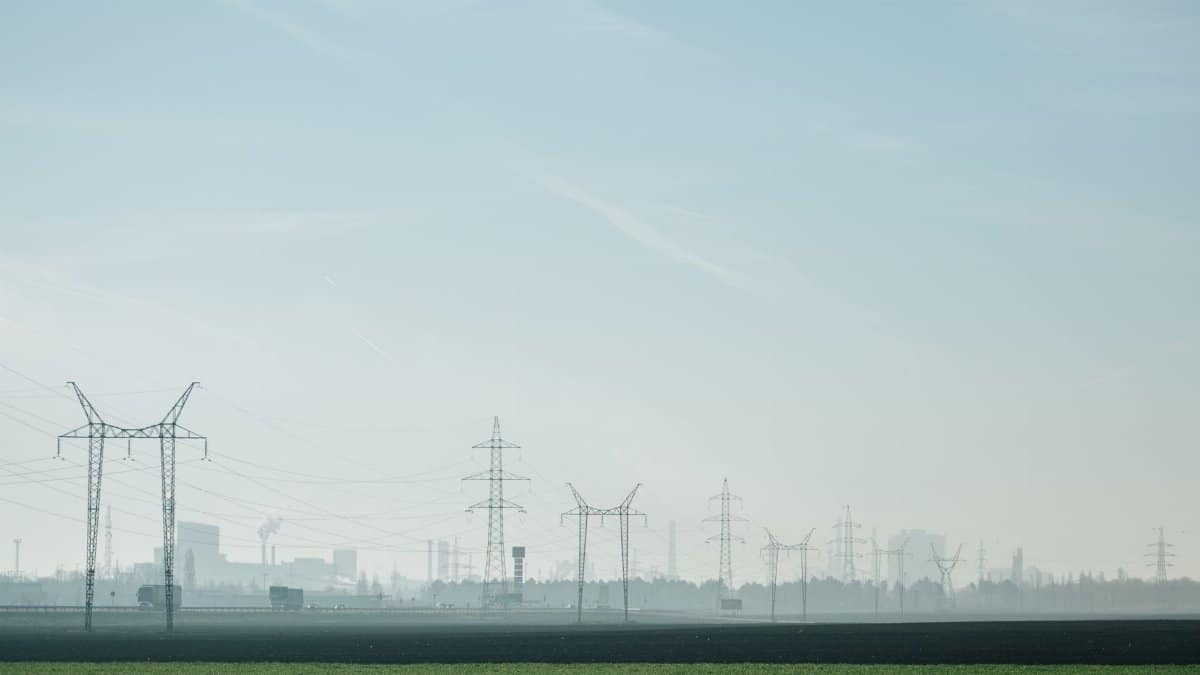
The companies that serve these counties follow a familiar order, even when the public cannot see it. Outage maps update. Calls and app reports cluster into likely device failures rather than thousands of separate mysteries. Assessors drive. Tree crews cut. Line crews rebuild. A switch may restore a whole feeder in minutes once the break is isolated. Another job may take half a day because the pole itself is broken and the ground is soft.
Customers experience that system as a number that moves, stalls, and sometimes jumps backward when a repaired circuit fails again. The backward jump is maddening and also informative. It means the network is being tested under load, not simply painted back onto a map. Friday offered that kind of uneven progress: improvement in the statewide total, persistence in the towns that took the hardest hits.
Food, heat, and the second day of Thanksgiving

A power outage on the morning after Thanksgiving is a household logistics problem with a specific menu. Refrigerators hold turkey, stock, pies, and the casseroles people planned to eat through the weekend. The food safety clock starts when the compressor stops, not when someone notices. A closed refrigerator holds cold longer than an open one. A full freezer holds longer than a near empty one. Those are practical truths, and they shaped how people moved through their kitchens while they waited for news.
Heat raised a parallel question. Homes with gas furnaces still need electricity for fans and controls. Homes with heat pumps or electric baseboard have no such workaround. Families shifted to the warmest room, layered clothes, and in some cases accepted an invitation from relatives whose street had stayed lit. The holiday, which had been about hosting, turned into a smaller geography of whoever still had a working outlet.
Roads, travel, and the long drive home

The storm had already tangled Thanksgiving travel. Friday is often the heavy return day, with airports, rail, and highways absorbing people who stayed one more night. Power trouble added a local complication rather than a statewide shutdown. Dark traffic signals, closed side roads, and work crews parked under still wet trees slowed the last miles more than the interstates. Drivers who had watched the forecast all week discovered that the hazard had moved from the sky to the shoulder.
For people trying to leave a house without power, the departure itself became the restoration plan. Charge the phone in the car. Buy ice. Head to a relative in the next town. None of that appears on an outage map, yet it is how many small crises actually end.
A modest number with a long memory

New England has lived through outages that dwarf Friday morning. Ice storms and hurricanes have darkened hundreds of thousands of homes for days. Remembering those events can shrink a figure like 6,000 until it seems hardly worth a headline. That comparison is only half fair. Scale matters, and so does timing, duration, and who is included. A smaller outage on a cold Friday after a holiday can still strand an older resident, spoil a week of groceries, or interrupt care that depends on a charged device.
The other memory is structural. Each storm asks the same questions about trees planted under lines, poles set for a milder climate, and the pace at which utilities harden circuits or bury them. Those arguments do not get settled between dawn and lunch on a single Friday. They do get illustrated. Massachusetts power outages of this size are a sample, not a verdict, but samples are how the public learns what the grid can and cannot absorb.
What people can do while they wait

Waiting is not the same as doing nothing. Utilities ask customers to report outages rather than assume a neighbor already did, and to treat every downed wire as live. Generators belong outside, far from windows and doors, because carbon monoxide does not announce itself. Food that has warmed past a safe temperature should be discarded even if it smells fine. Phones should be conserved for the call that matters. These steps are plain, and they are the difference between an inconvenience and a second emergency.
There is also a civic habit worth keeping. Check on the person whose lights you cannot see from the road. A holiday weekend can hide isolation. The storm did not invent that fact. It only made it easier to notice.
The weekend ahead

As Friday moved on, the reasonable hope was steady restoration rather than a sudden return to normal in every town at once. Clearing weather gives crews time. It does not erase the backlog of limbs, the need to set new poles, or the chance that a repaired line will reveal the next weak point down the circuit. Residents in the hardest hit pockets should expect updates that arrive in ranges, not promises tied to a single pleasant hour.
By the time leftovers are gone and travel has settled, most of these Massachusetts power outages will likely read as a short chapter. For the homes still dark at midday, the chapter is the whole story of the weekend so far. The storm can wind down. The work of putting the lights back, and of sitting with one another until it is done, takes longer than the wind.