
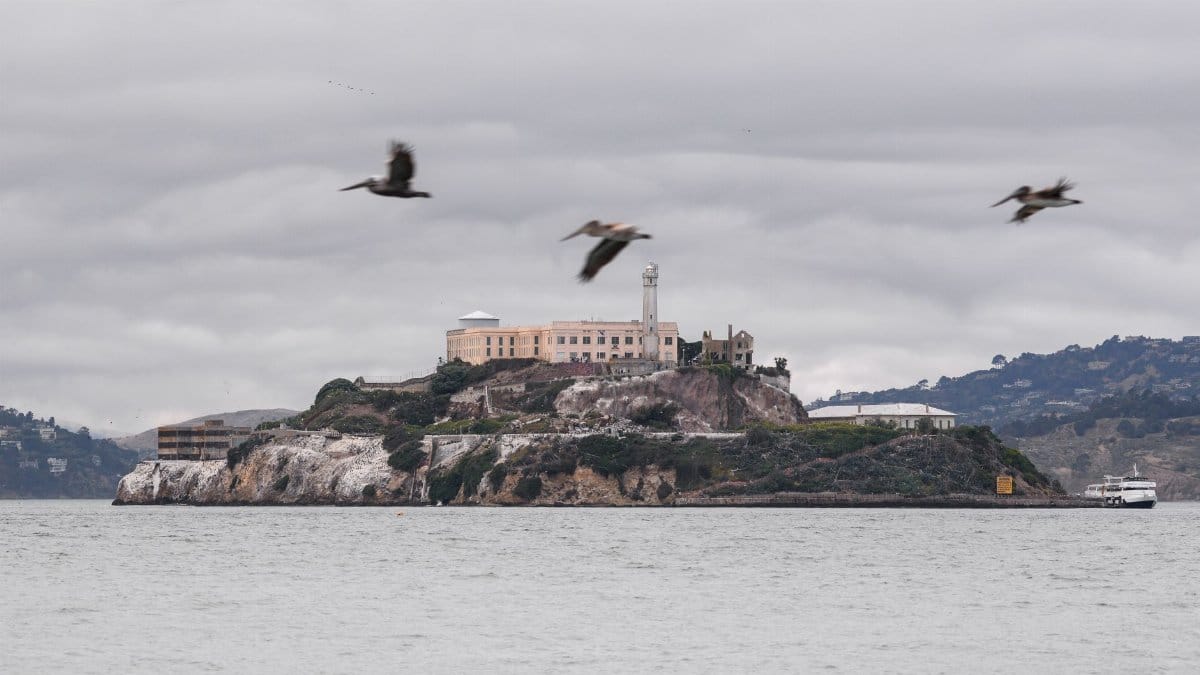
Before dawn on a Thanksgiving morning, the water between San Francisco and Alcatraz usually carries a small fleet of boats toward a circle of prayer. This year that crossing is not happening. The 47th annual Alcatraz Thanksgiving gathering, a ceremony that honors Indigenous peoples and remembers the occupation of the island, has been postponed as the Coast Guard warns of exceptionally high tides and waves. Families who had planned to rise in the dark, elders who mark the day with song, and visitors who come to listen will wait. The island will still stand in the bay. The people who gather there will not, at least not on the morning they had circled on their calendars.
A morning the bay will not allow
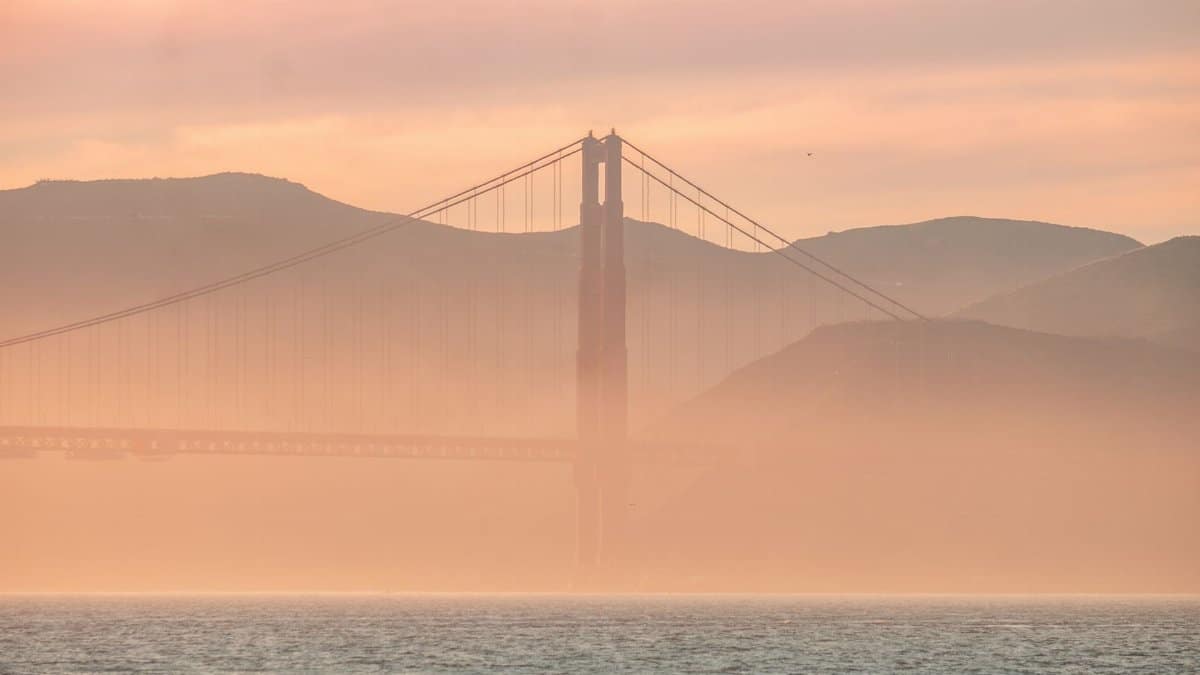
The decision lands in a season when the Pacific already runs high. Late autumn brings king tides to the Golden Gate, the sort of water that climbs stairs, floods low paths, and turns an ordinary crossing into a calculation. Organizers faced a simple problem with no soft answer. A sunrise ceremony depends on boats, on a landing, and on people who include children and elders. When the Coast Guard flags exceptionally high tides and waves, the romantic picture of a quiet island dawn gives way to a practical one: swells against a hull, a slick pier, a rescue that nobody wants to need.
Postponement is not the same as cancellation, and that distinction matters to people who treat the day as an obligation rather than an outing. The gathering has a fixed place in the regional calendar precisely because Thanksgiving is fixed. Moving it asks communities to rearrange travel, time off, and the private work of preparation. It also asks the public to understand that sacred time is not infinitely flexible, even when the ocean insists.
What people come to do
For those who have never stood on the island at first light, the event can look like a protest with drums. It is more precise than that. Participants come to pray, to name the original peoples of this coast, and to refuse the idea that Thanksgiving is only a story of welcome. Speakers often recall the 1969 occupation, when Native activists claimed Alcatraz under a treaty argument and held it for many months. The sunrise gathering grew from that memory into an annual act of presence.
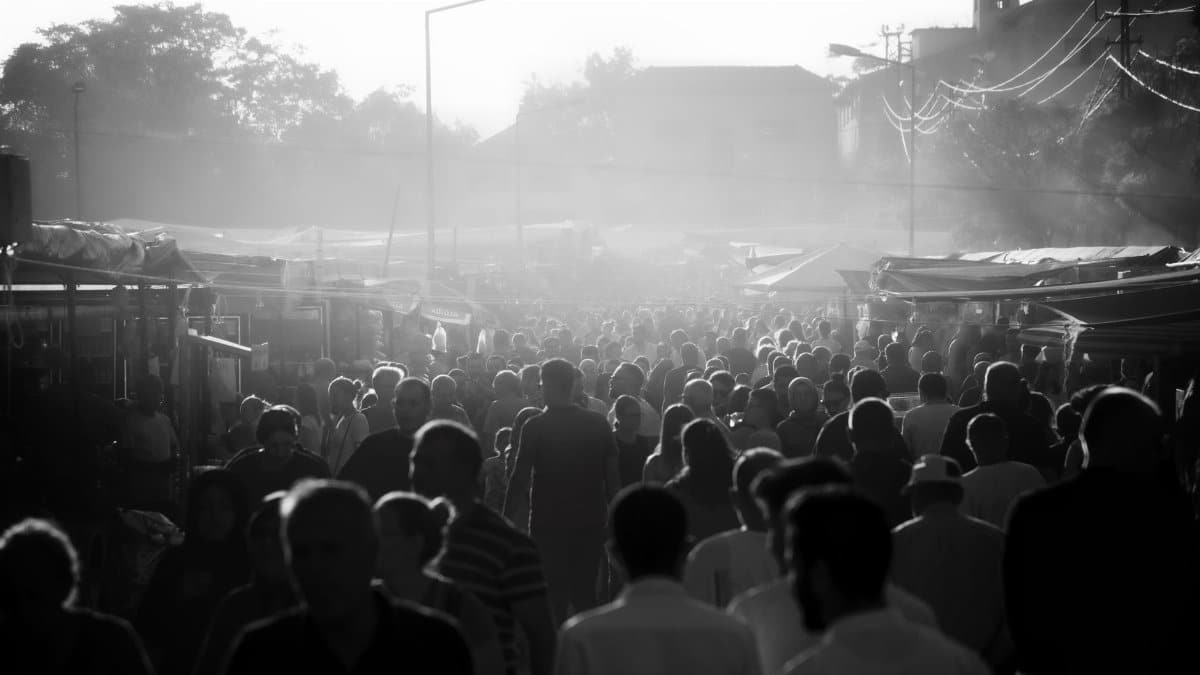
People bring blankets, sage, coffee in thermoses, and names of relatives. Some come from the city by a short ride. Others cross states. The cold is part of the ritual. So is the wait for the sun to clear the eastern hills and strike the old cellhouse. When that light arrives, the gathering is already underway. Song does not wait for perfect weather. It does wait, this year, for water that can be trusted.
Why the island still holds the story
Alcatraz is a federal landmark, a former prison, and a tourist stop on ordinary days. None of those labels explains why Indigenous families return on this particular morning. The rock sits in Ohlone territory, within sight of a city that rarely slows down. Its prison history is taught in classrooms. Its Native history is taught, when it is taught, as a chapter that ended when the occupiers left. The gathering insists the chapter did not end.
Standing there, a person can see container ships, the bridge, and the financial district in one turn of the head. The contrast is the point. A ceremony on a prison island asks what freedom meant in 1969 and what it means when the ferry schedule, the park rules, and the tide all have a say. This year the tide has the loudest say. The postponement does not weaken the claim. It shows how physical the claim remains. You cannot honor a place you cannot safely reach.
The warning and the people who must heed it
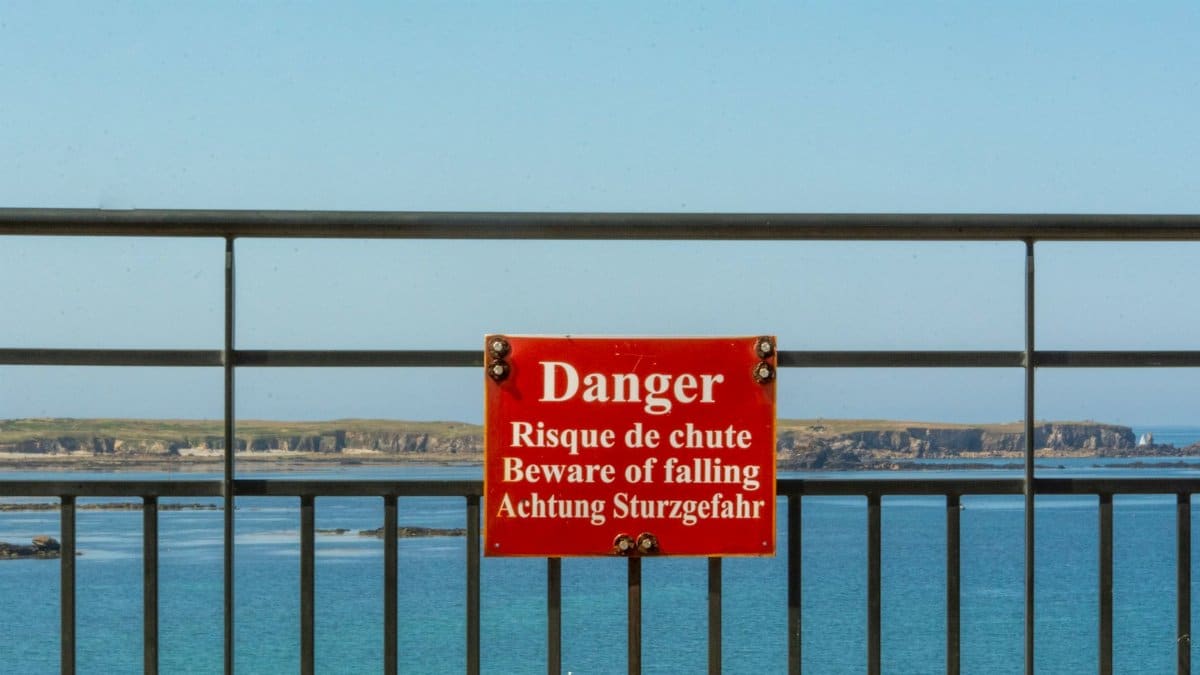
Coast Guard advisories are written for mariners, yet they land on ceremonial life whenever a ritual depends on a boat. Exceptionally high tides and waves are not a mood. They are a set of conditions: water stacked on water, wind against current near the Gate, and less room for error at a landing that was never designed as a gentle dock for elders. Organizers who ignore that kind of warning do not look brave. They look careless with other people’s bodies.
Spiritual practice has always negotiated with weather. Pilgrimages pause for storms. Funerals move indoors. What feels new, in a warming bay with higher seasonal highs, is how often the negotiation favors delay. Communities that mark time by solstice, moon, or national holiday now also mark it by forecast. That is not a loss of faith. It is a form of care. The Alcatraz Thanksgiving gathering can be moved because the people in it are not symbols. They are passengers.
Thanksgiving beside a different story

National Thanksgiving still fills the week with travel and tables. In the Bay Area, a parallel tradition has asked residents to spend at least one dawn considering whose land the tables stand on. Schools sometimes send students. Churches sometimes send delegations. Many attendees are not Indigenous and come to listen rather than to speak. That listening is fragile. It depends on being invited into a circle that is not a show.
A postponement tests whether the wider public treats the event as optional color on a holiday weekend or as a civic date with moral weight. If only the most devoted notice the change, the gathering’s public lesson shrinks to those already convinced. If news of high water sends people back to the history of the occupation, the delay still teaches. Either way, the standard feast will proceed on shore. The island morning will not. The split is instructive. Comfort and ceremony do not always share a clock.
Elders, children, and the ethics of waiting
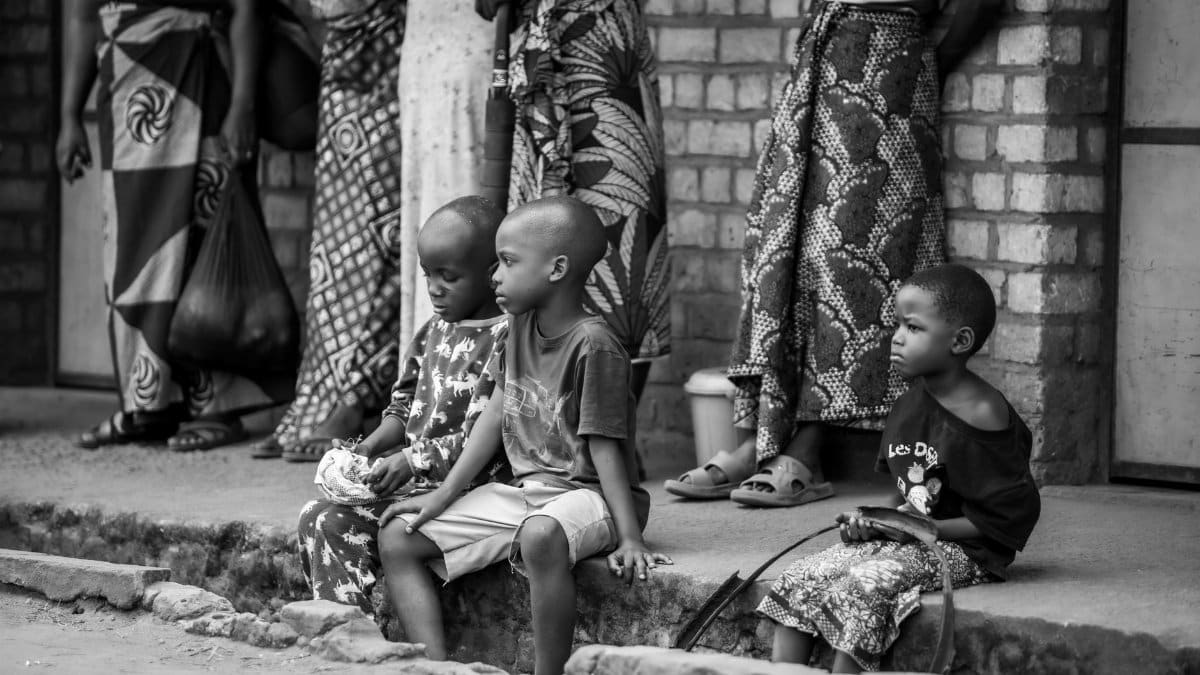
Any outdoor rite that includes the very old and the very young carries an ethical test the moment conditions turn. A wave that is manageable for a fit adult is a different fact for a person with a cane or a toddler in arms. Organizers of long running Indigenous ceremonies often say, in public and in private, that protection of elders is not a side concern. It is the ceremony. To postpone is to rank living people above a perfect photograph of sunrise on stone.
There is grief in that ranking. Some elders measure their remaining years in these mornings. Missing one is not like missing a concert. It can feel like a year removed from a promise. Younger relatives feel that weight when they explain the change to children who had practiced a song. Honesty helps. The water is high. The circle will form when the water allows. A promise deferred is still a promise if the community keeps the date in view.
How a city holds a ritual it does not own
San Francisco likes to claim Alcatraz as scenery. The gathering reminds the city that scenery has hosts. Park access, ferry contracts, and security plans all sit between a prayer and the place where it is offered. When conditions force a change, those systems either help people regroup or they simply go quiet. A respectful city does not fill the gap with a substitute spectacle. It leaves room for Indigenous leadership to name the next morning.
Residents can still mark the day without boarding a boat. They can read the occupation history, support Native led cultural work, and decline the habit of treating Thanksgiving as a story with no argument in it. None of that replaces the circle on the island. It does refuse the idea that a postponed rite is an erased one. Attention is a form of attendance when the pier is closed.
Memory that does not need a clear sky
The occupation itself happened in bad weather and worse logistics. People hauled water, argued over strategy, and kept a fire of publicity alive while the federal government waited them out. The annual gathering is gentler and more liturgical than those months, but it inherits the same insistence on being seen. High tides cannot confiscate that inheritance. They can only change the hour.
Photographs from past years show faces turned toward the east, smoke moving sideways, and the prison walls gone pale gold. Those images will circulate again while people wait. They are not substitutes. They are reminders that the Alcatraz Thanksgiving gathering has already survived schedule changes, political moods, and the ordinary attrition of volunteer work. A monster tide is a serious obstacle. It is not the first obstacle, and it will not be the last story told about this rock.
What postponement asks of the rest of us
Readers far from the bay may see a local weather item. It is also a small lesson in how spiritual life meets infrastructure. A ceremony that requires a vessel, a landing, and a federal island is never only inward. It is negotiated with agencies, forecasts, and the physics of a strait that funnels the Pacific into a narrow gate. When those negotiations end in delay, the faithful response is not to romanticize danger. It is to keep the purpose intact.
That purpose is specific. Honor Indigenous peoples. Remember a takeover that rewrote the meaning of a prison in the middle of a rich city. Refuse to let Thanksgiving pass without a counter story. The 47th annual Alcatraz Thanksgiving gathering will seek another morning because this one belongs to the water. Until boats can cross with a margin of safety, the prayer stays on the mainland, which is still, and always was, Indigenous land.
A later dawn
No one can schedule the next clear crossing from a newsroom desk, and organizers have not asked the public to invent a date on their behalf. What can be said is modest. The warning is real. The postponement follows from it. People who intended to stand in the cold will be asked to stand there on a different day, or to keep faith if travel cannot be remade. The island will take the waves whether or not a circle forms on its concrete.
When the water drops and the boats run again, the gathering will look, to a newcomer, like a small crowd against a famous ruin. To those who return, it will look like continuity. Song will start before the sun. Names will be spoken. The prison will remain a prison in the record and something else in the circle. The Alcatraz Thanksgiving gathering has been asked to wait. Waiting, in this tradition, is not the same as leaving.