
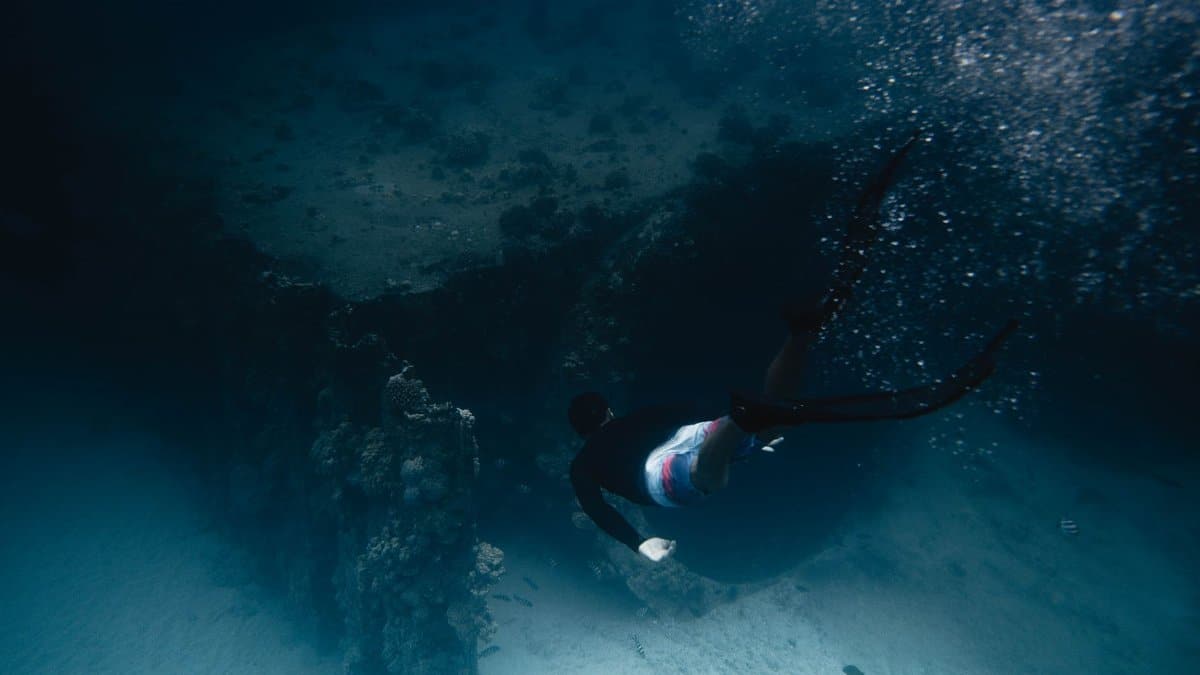
The water off the Florida coast can change from green to a hard blue in the time it takes a boat to settle over a mark. Divers who reached the new reef on a calm morning found a ship that still looked arranged rather than ruined. An early SS United States dive showed open promenades, shafts of sun on pale metal, and schools of fish already threading spaces where stewards once moved. The former Philadelphia ocean liner, placed on the bottom as an artificial reef, had not yet grown a coat of coral. What it offered instead was scale, silence, and the odd courtesy of a vessel that seemed to be waiting.
The liner that outran the Atlantic
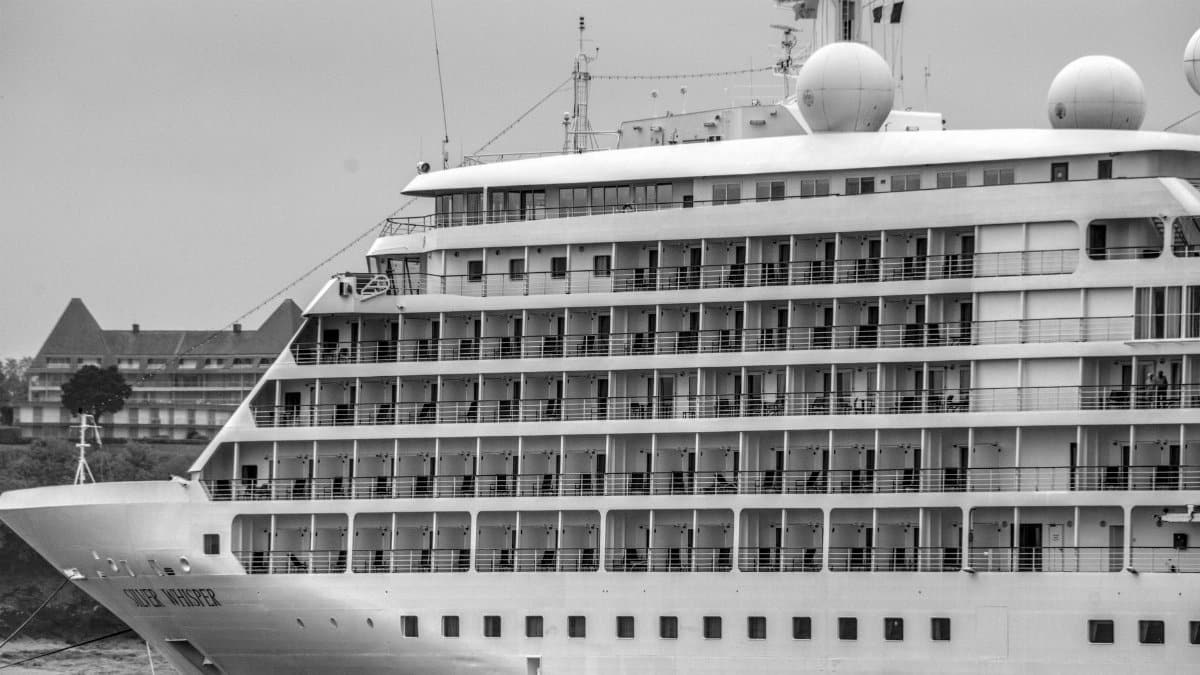
For a generation of travelers, the SS United States was less a boat than a proof. Built in the early nineteen fifties for speed, and for a country that wanted its liners to look inevitable, she crossed the Atlantic faster than any rival and then spent decades as a legend in waiting. After regular passenger service ended, the hull lingered, famous and idle, most memorably along the Philadelphia waterfront. People drove past and argued about what ought to happen next. Some wanted a museum. Some wanted scrap. Florida counties wanted a reef. The argument lasted so long that the ship became a civic riddle: too beautiful to cut, too costly to save in the form her strictest admirers preferred.
That history rides along on every descent. A diver does not need a lecture to feel it. The length of the hull, the repetition of windows, and the confidence of the old design still read clearly underwater. Fame, in this case, is not a caption added later. It is built into the metal.
From a Philadelphia pier to a Florida reef
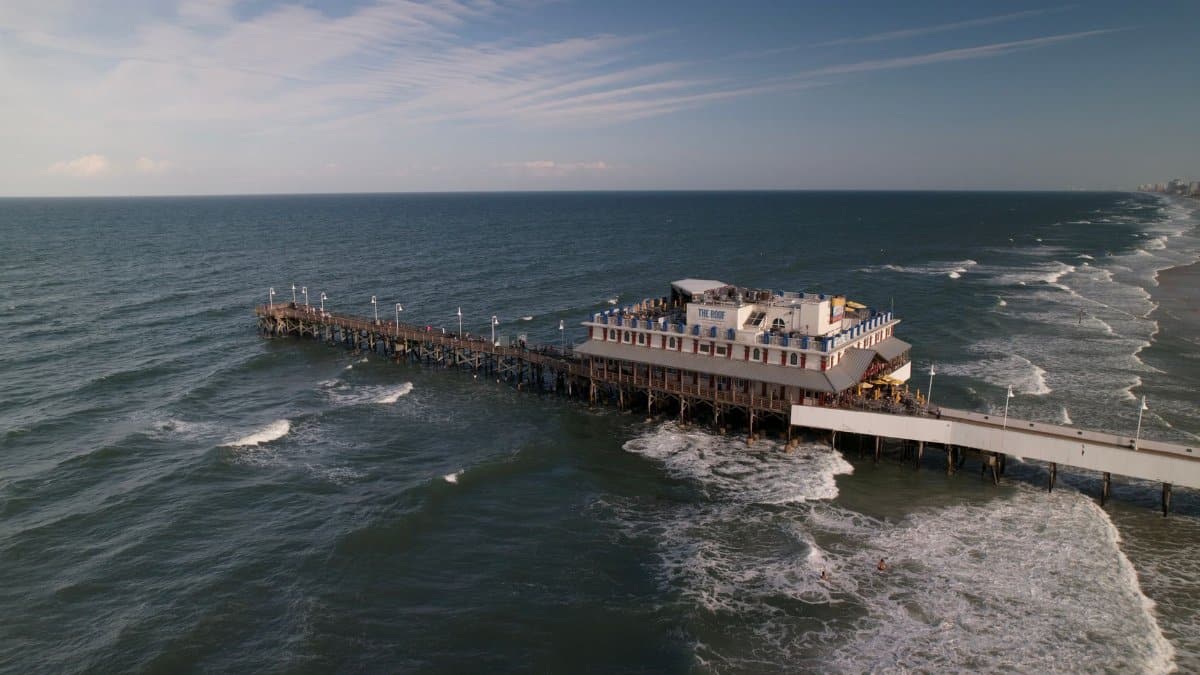
The decision to sink her off Florida did not end the feeling that something irreplaceable was being spent. It only changed the terms. An artificial reef is a practical object. It gives fish structure, gives divers a destination, and gives coastal towns a reason to book boats. It is also a funeral of a particular kind. The ship left the Delaware and traveled south under tow, a red, white, and blue memory reduced to hull, deck, and the long work of making a vessel safe to flood.
Engineers remove fuels, open or close spaces according to plan, and cut passages so that water and people can move. None of that labor is romantic. All of it decides what a later diver will be able to see. The public argument was about destiny. The private work was about holes, weights, and weather windows. Both belong in the story, because the reef that divers meet is the product of paperwork as much as of legend.
The first minutes underwater
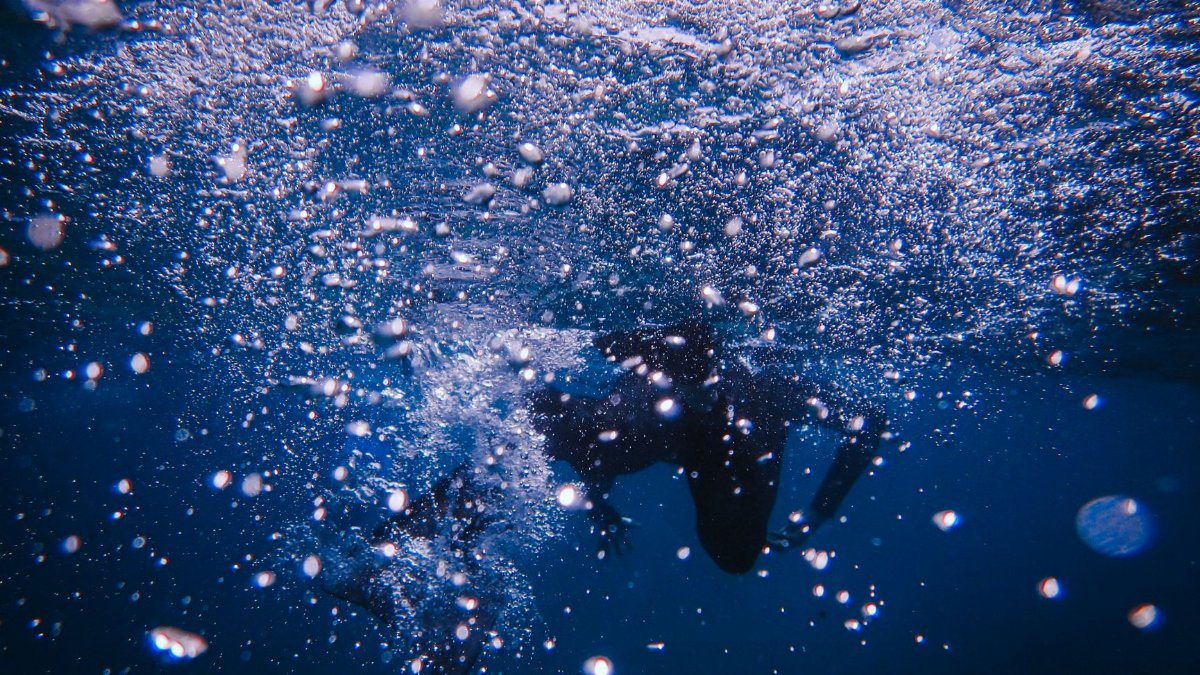
Early accounts describe a descent that felt less like entering a wreck than like stepping into a building that had learned to breathe. Visibility was strong. The superstructure rose in clean planes. Divers could read the length of the ship in a way that is rare on older wrecks, where collapse and growth blur the original drawing. Here the drawing was still visible. Railings held their lines. Deckhouses kept their corners.
The sound was the usual one, a soft mechanical hush from the regulator and the tick of bubbles, but the view kept insisting on architecture. There is a moment on any large wreck when the mind stops saying ship and starts saying street, room, stair, hall. That moment arrived quickly. The Gulf did not erase the liner. It installed her.
Light across the old decks
What startled people was the light. On many large wrecks, interiors go dim within a few yards. On this ship, open decks and cut passages let sun fall in long sheets. A diver looking up saw the surface as a bright ceiling and the hull as a series of rooms that had not yet learned to be dark. That is the picture carried back from the first SS United States dive: light filled decks, metal still showing its original purpose, and a sense that the ship had been placed rather than lost.
The plainness of that picture matters. Wrecks are often sold on mystery, on the thrill of a dark corridor and a story half remembered. This one, at the start, was defined by clarity. You could see where people would have walked. You could see how a designer once imagined air, weather, and ceremony. The sea had taken the ship, but it had not yet rewritten her.
Fish arrive before the coral
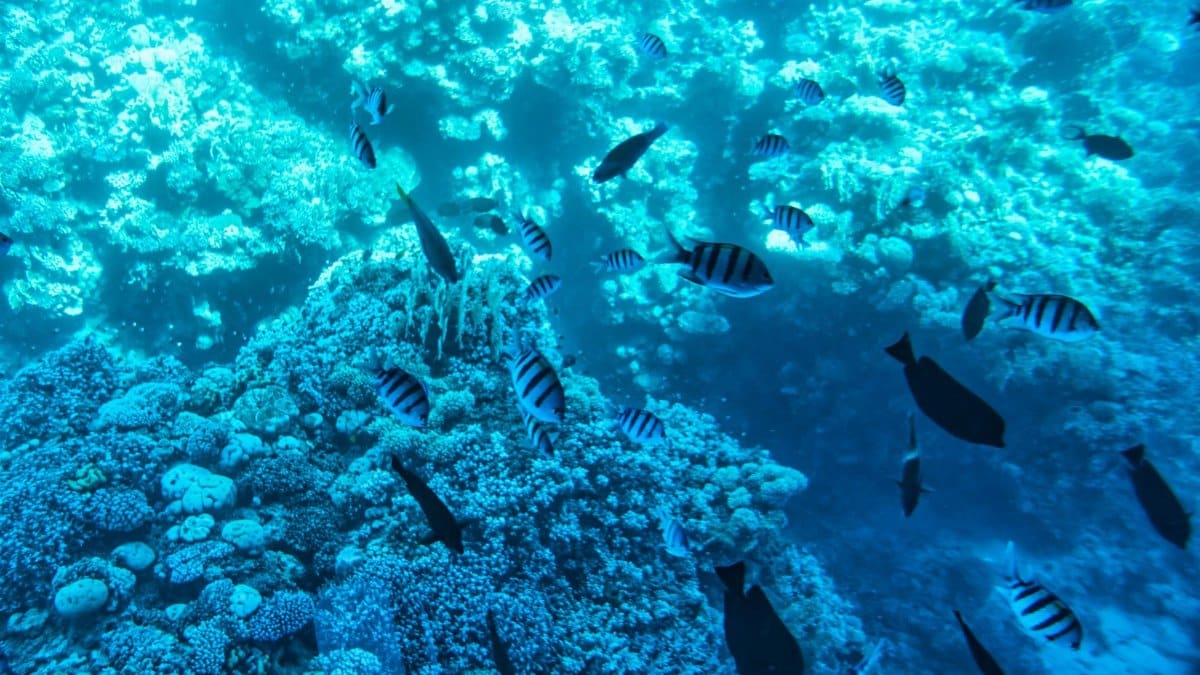
Fish do not wait for a brochure. Within days of a sinking, small schooling fish find shadow, and larger hunters find the schools. Jacks, barracuda, and the silver crowds that make a hull look alive were part of the early picture off Florida. They moved through doorways as if the openings had been cut for them, which in a practical sense they had. A reef is a promise to biology, and biology accepts the offer without ceremony.
Coral will come later, in thin films and then in branches, and sponges will soften edges that now look machined. For the moment the life on the ship is provisional. The hull is a neighborhood under construction, and the first tenants are fast. Divers who return in a year will not see the same ship, even if every plate of steel remains. Color will gather. Lines will blur. The famous profile will become a habitat, which was the point, and also a kind of loss.
Why scale changes the memory of a dive
Most recreational wrecks are fragments or freighters whose charm is texture. This is a liner, and liners are about length. A diver cannot see all of her in one glance, even in clear water, but can feel the repetition of windows, the long run of a promenade, and the way a deck invites a slow swim rather than a quick circle. That difference will shape how people remember an SS United States dive. It is not only a list of openings. It is a passage along a famous name.
The risk, as with any large new wreck, is that fame outruns caution. Big ships reward patience and punish rushed plans. Current, depth, and the simple size of the site can turn a beautiful swim into a tiring one. The photographs flatten that fact. The water does not. Operators who treat the liner as a monument and as a workplace will do more for her future than any slogan about bucket lists.
A visit that feels like a pilgrimage

People bring more than tanks to a wreck like this. Some come because a parent sailed on her, or claimed to have sailed on her, which is its own American story. Some come because they stood on a Philadelphia bank and watched the hull idle in place, and they want to see the ending with their own eyes. There is no chapel on the deck and no ritual required. Still, the dive has the shape of a visit to a grave that remains useful.
The ship is gone from the skyline and present to the hand. That double condition is why the sinking stirred grief and relief in the same week. A reef does not cancel mourning. It gives mourning a place to go. For readers who think of travel as a search for meaning, the appeal is not mystical in a cheap way. It is the plain human wish to stand, or fin, near an ending and find that the ending still does work in the world.
What an early look cannot settle

An early look is an honest look and an incomplete one. Coral cover, fish numbers, and the way storms rearrange sand will take seasons to declare themselves. Metal that looks clean in the first week can stain, pit, and gather fishing line. Moorings may shift. Captains will learn which entrances are kind in a current and which should stay off the plan. The public will see photographs that compress depth, then arrive and discover that beauty and task share the same minute.
None of this argues against the reef. It argues for time, and for the unglamorous work of local crews who will make the site ordinary enough to be safe. Ordinary is a compliment here. A wreck that can be visited year after year, without drama and without damage, is a wreck that has joined the coast rather than merely startled it.
Philadelphia still has a claim

Distance does not settle ownership of memory. In Philadelphia, the ship was a neighbor, awkward and beloved, a stack and a hull against a working river. In Florida, she is an economy and an ecosystem as well as a story. Both claims can be true. The diver who fins along a sunlit deck is not erasing the people who fought for a museum, any more than those advocates erase the fish now using the hull.
The better accounting holds both facts. A preservation battle was lost in the form its strictest supporters wanted, and a different preservation, wet and biological, has begun. Cities lose objects all the time and call the loss progress, or tragedy, depending on who is speaking. This loss is visible enough, and strange enough, that it resists a single label. The ship is absent and occupied at once.
How to think about going
Anyone drawn by the photographs should treat them as an invitation to prepare, not as a map. Conditions off Florida change with wind and season. Training, recent experience, and a crew that knows the site matter more than a famous name on the briefing board. The ship will still be there next month, and the month after that. Being early is a story. Being ready is a responsibility.
The point of an SS United States dive is not to conquer a checklist or to say you were there before the coral thickened. The point is to meet a liner that has changed jobs without quite changing shape, and to leave her as intact as you found her. Light will keep moving across those decks. Fish will keep arriving. The rest is a matter of whether the living treat a famous wreck with the same patience the sea is already showing.