
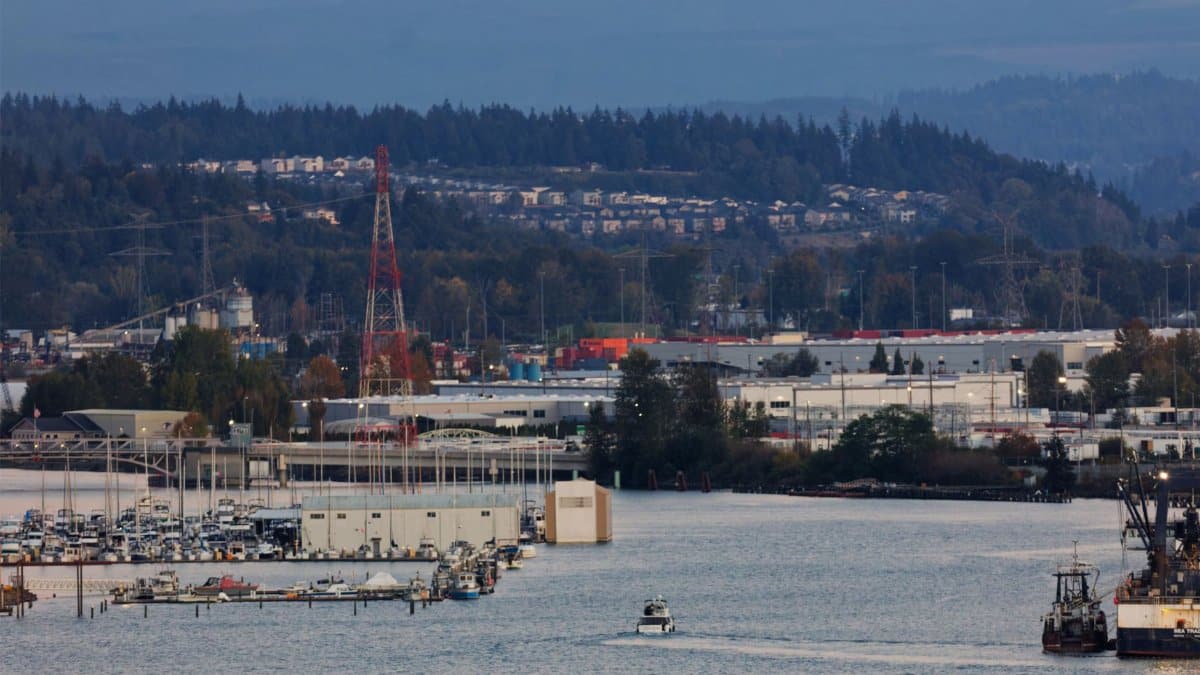
On a gray morning along the industrial edge of Commencement Bay, the numbers do not look like they belong to a fenced compound beside rail spurs and container yards. They look like they belong to a glass tower with a doorman. The federal government paid $453 million for the Tacoma ICE detention center, more than six times the property’s assessed value and nearly $3,000 a square foot. Buyers in Manhattan have spent that kind of money on apartments with river light. Taxpayers just spent it on a jail on the tideflats, and the receipt deserves a slower reading than a press release usually gets.
A price that does not match the map

Stand on the tideflats and the romance of a skyline price falls away. This is working waterfront: cranes, trucks, the smell of diesel, the long geometry of warehouses. It is not a scarce residential block where a view commands a premium and a corner lot is fought over by developers. Land here has value, and industrial land near a deep water port is not cheap. It is also not Manhattan. When a public buyer pays many times assessed value for a building whose purpose is confinement, the gap between the tax roll and the check is the story.
Assessed value is not a perfect measure of what a motivated seller can extract. Appraisals miss contracts, specialized construction, and the peculiar fact that a detention plant has few alternative buyers. Still, a multiple above six is not a rounding error. It is a signal that something other than ordinary real estate math drove the deal. Citizens are entitled to know which something.
What the building actually is
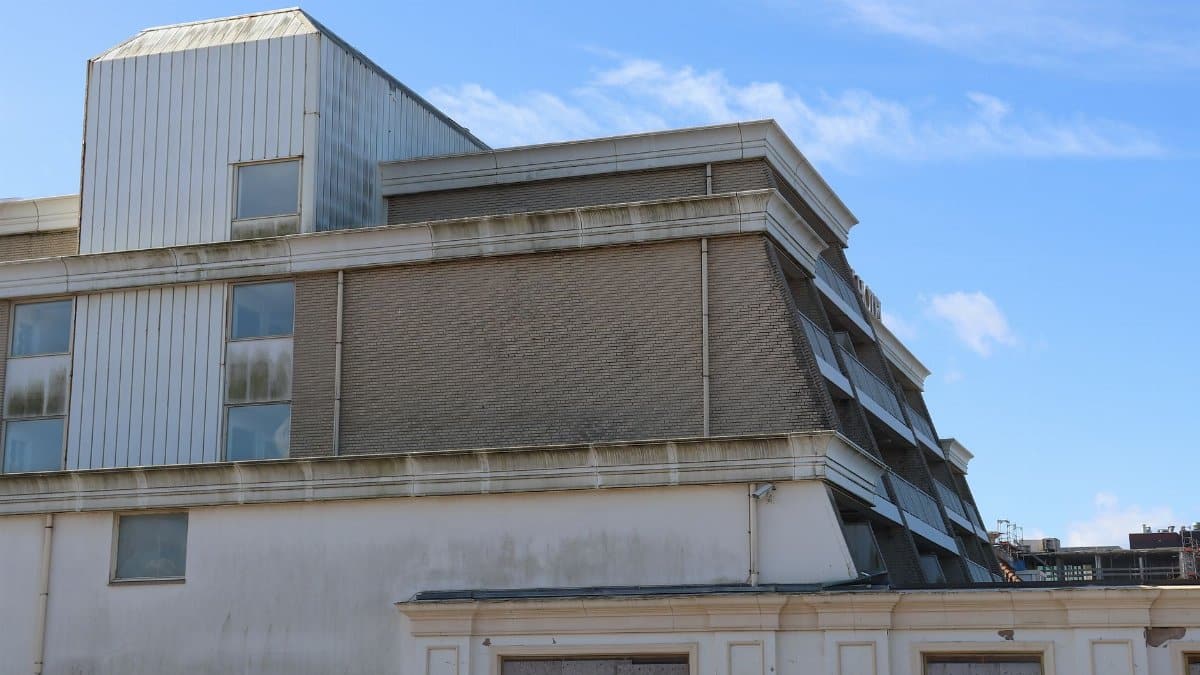
For years the complex has been known in the region as a place where people wait, not a place where they live by choice. Immigration authorities use it to hold people facing civil immigration proceedings. Some have criminal records. Many do not. The legal status of the stay is detention, not a criminal sentence imposed by a judge after a trial, and that distinction matters when the public is asked to treat the campus as a strategic asset worth nearly half a billion dollars.
The operator most associated with the site is GEO Group, a private prison company that has held the federal contract to run daily life inside the fence. Food, medical care, visitation, and the small wages paid for work details have all been subjects of complaint, litigation, and protest. GEO and federal officials have repeatedly defended conditions and pointed to inspections. Advocates have answered with hunger strikes, lawsuits, and a steady file of stories from people who slept there. A purchase does not erase that file.
Manhattan arithmetic on industrial ground
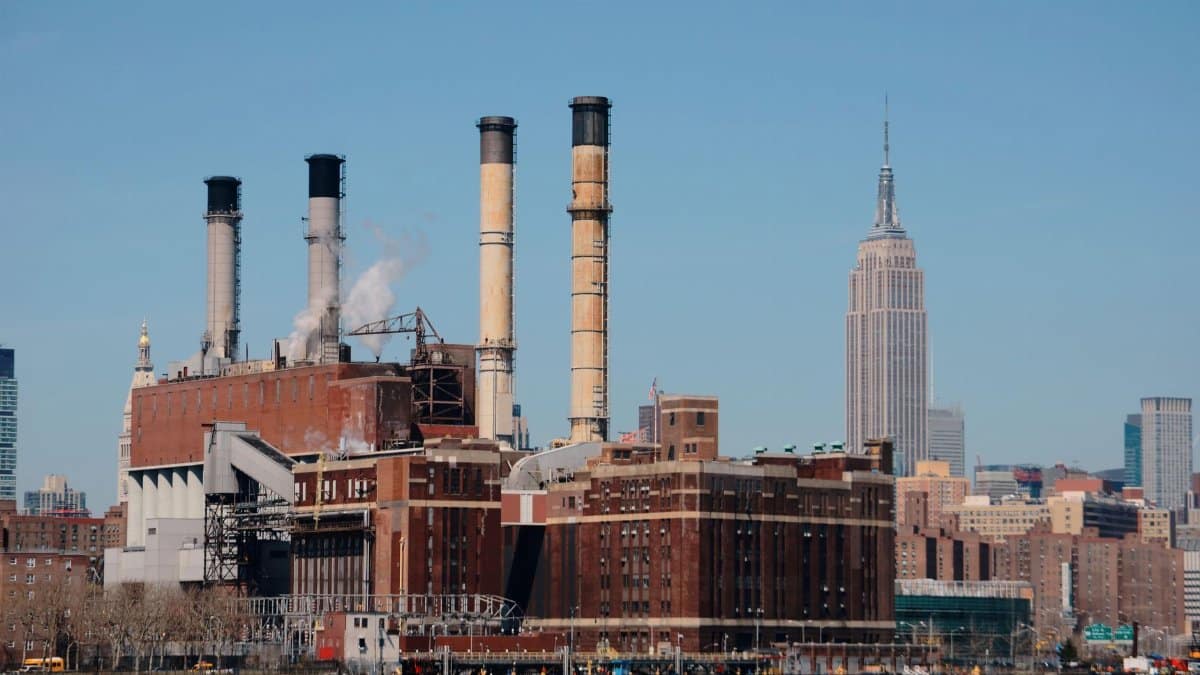
Nearly $3,000 a square foot is a figure that real estate people repeat because it startles them. In prime Manhattan, that range has described trophy apartments and a thin slice of office space, the kind of property sold to funds that can wait out a cycle. On the Tacoma flats, the same number describes a secured facility whose highest and best use, in planner language, is keeping people inside. There is no condo conversion waiting in the wings. There is no retail rent roll. The yield, if one insists on the word, is measured in beds occupied and contracts renewed.
I keep returning to the plainness of that comparison because it strips away jargon. A household in Pierce County can picture a house, a school, a clinic. It can also picture what $453 million would buy if it were aimed at any of those. The point is not that immigration enforcement should be free. The point is that a luxury unit price for a tideflat jail requires an explanation sturdy enough to survive a public meeting.
How a jail becomes a trophy asset
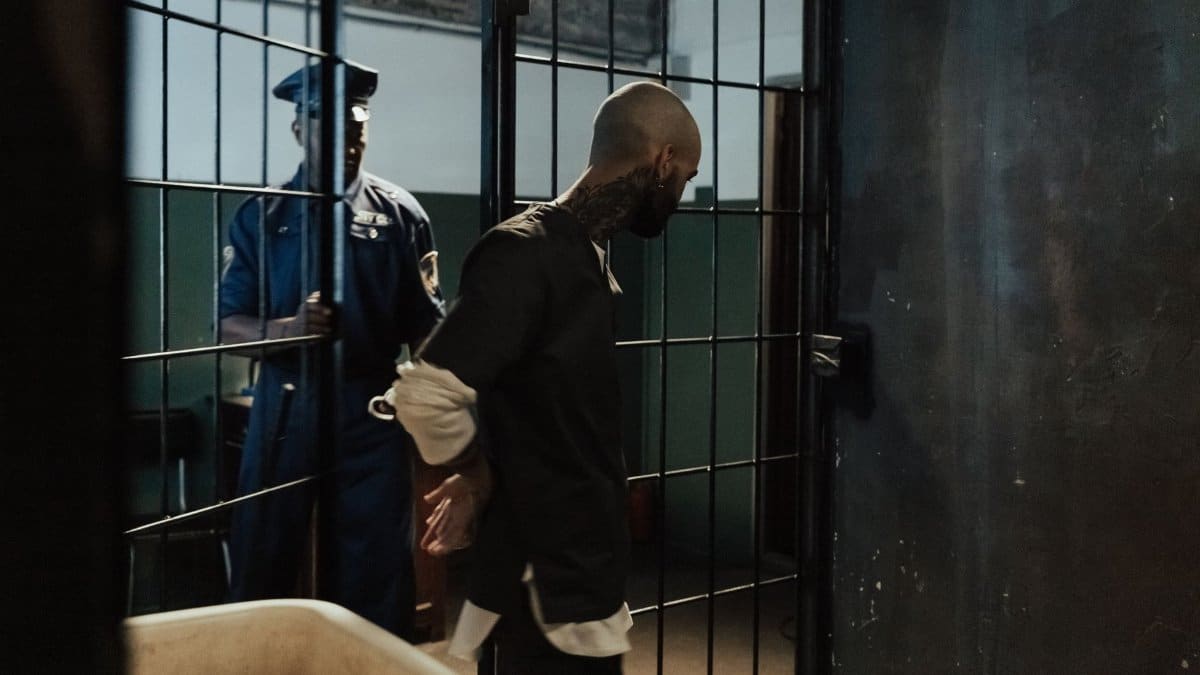
Private detention works, in part, because the building and the contract are braided together. A company finances a plant, signs a long agreement with Washington, and collects a per diem or a guaranteed minimum that makes the debt serviceable. Over time the facility is not merely a structure. It is a cash flow with walls. When the federal government decides to buy rather than keep renting that cash flow, it is buying out a position that was lucrative precisely because the public had few other places to put people.
That structure invites a markup. The seller knows the buyer is not shopping a dozen comparable jails along Commencement Bay. There is one site, one set of permits, one workforce already trained, one political fact that closing it would scatter detainees to other states. Scarcity of this ugly kind is still scarcity. A seller with a captive customer can ask for Manhattan and, if oversight is soft, can get it.
The Tacoma ICE detention center and the people inside
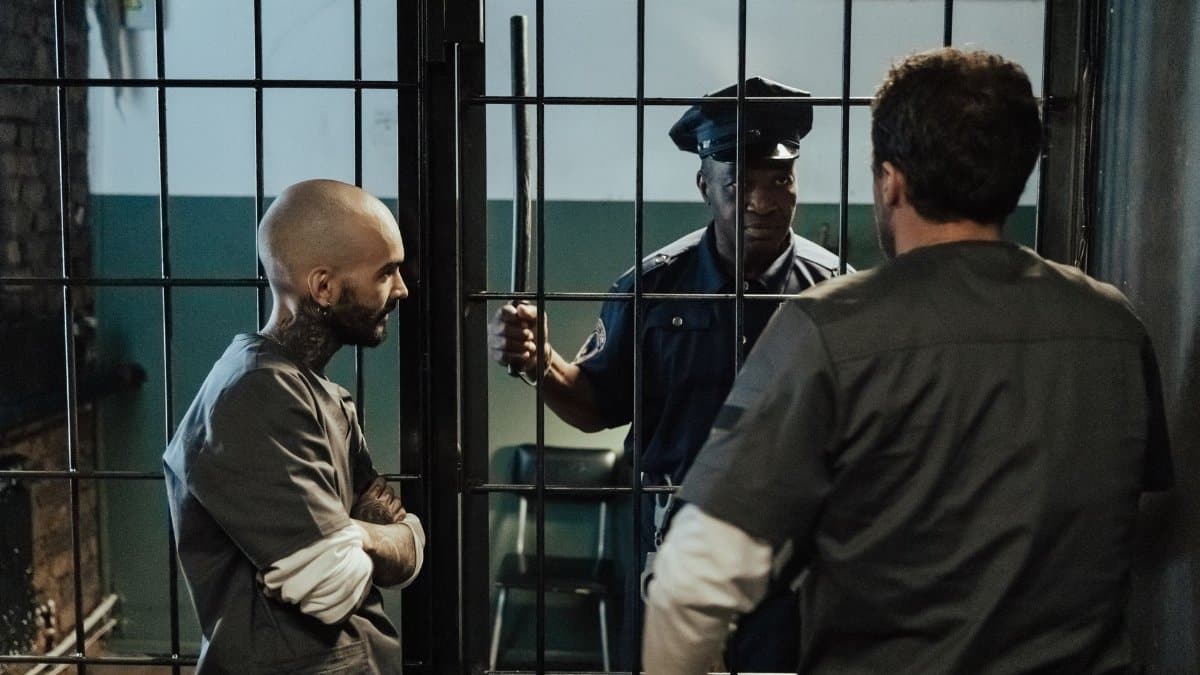
Price talk can float above the reason the building exists. The Tacoma ICE detention center holds human beings in a legal process that is often slow, confusing, and hard to reach from the outside. Families drive from across Washington and beyond for short visits. Lawyers describe delays. Medical advocates have argued for years that care lags what a person would receive in the community. Officials answer that standards are met and that detention is a lawful tool of immigration control.
Both statements can be partly true and still leave the purchase looking strange. If conditions are as sound as contractors claim, the public bought a well run plant at a wild premium. If conditions are as poor as detainees have described, the public bought a troubled plant at a wild premium and inherited the complaints along with the deed. Neither reading is comforting. Ownership clarifies responsibility. It does not, by itself, improve a meal, a sick call, or a hearing date.
What neighbors already knew
Tacoma did not discover this facility last week. For a long time the tideflats campus has been a site of vigils, marches, and city arguments about whether a working port should also be a place of prolonged confinement. Local elected officials have pressed ICE on transparency. Community groups have kept a kind of informal watch, tracking buses and bond drives and the names of people transferred out in the night. That civic memory is an asset the purchase price does not capture.
It also means the federal check landed in a city that has already done a lot of the moral accounting. Residents have asked who benefits when a private firm profits from a civil detention mission. They have asked what the port’s identity becomes when one of its most visible compounds is a jail. A sale to the government answers the profit question only halfway. The mission remains. The checks change pockets.
Six times assessed value is a policy choice

Real estate deals have a vocabulary that can make excess sound technical. Goodwill. Replacement cost. Strategic value. Going concern. Some of those ideas are legitimate. A specialized building costs more to replace than a warehouse of similar size, and a buyer who needs the beds tomorrow will pay to avoid a construction delay of several years. None of that automatically justifies a price more than six times assessed value. It justifies a negotiation, a public appraisal, and a record of why the final number landed where it did.
Congress and the department that wrote the check owe that record in ordinary language. What was the independent appraisal. What alternatives were priced, including contracts at other facilities and the cost of new construction under federal procurement rules. What termination penalties sat in the old contract. What, if anything, was paid for future profits rather than for brick and land. Until those lines are visible, the headline figure stands alone, and it stands badly.
Ownership is not the same as reform
Supporters of a federal buyout sometimes argue that public ownership is cleaner than a private lease. There is a moral intuition there. Profit should not be the silent partner in a decision about whether a person stays locked up. If the government owns the walls, a cut in the detained population does not threaten a company’s earnings in the same direct way. That is a real shift, and it should not be dismissed by people who have criticized the private model for years.
It is also an incomplete shift. Budgets still reward full beds. Local economies still notice jobs at the gate. Political incentives still favor appearing tough more often than appearing precise. A publicly owned jail can be neglected, overcrowded, or quietly expanded. The deed is a tool. It is not a conscience. Anyone celebrating the end of a landlord should watch what the new landlord does with medical staffing, access to counsel, and the speed of case review.
The square foot as a moral unit

Nearly $3,000 a square foot is an odd unit for a spiritual or civic reflection, but money has a way of revealing what a country treats as sacred. We build cathedrals of capital in cities where land is a status object. We rarely admit that we have done something similar with punishment and with the administrative holding of noncitizens. The tideflats are not sacred ground in the real estate sense. The price tag behaves as if they were.
That does not require a sermon. It requires proportion. A society can believe in borders and still refuse to pay trophy prices for the buildings that enforce them. Stewardship is an old word for a simple duty: do not waste what belongs to everyone, and do not hide the waste inside a contract only specialists can read. On that test, this purchase has explaining left to do.
Questions the receipt still will not answer

A completed sale closes the bargaining and opens the oversight. Inspectors, members of Congress, state health officials, and the press now have a simpler target. The landlord is the public. Requests for staffing ratios, grievance logs, and use of isolation should get faster answers than they did when a corporation could call the details proprietary. If they do not, ownership was a change of stationery.
People who were detained will measure the deal differently. They will ask whether the phone works, whether a nurse comes, whether a bond hearing arrives before a season changes. Those tests do not care about assessed value. They care about whether the $453 million bought anything except the right to say the building is ours. Pride of title is a thin return on that kind of money.
A city, a port, and a bill

Tacoma will keep living beside the compound. Trucks will keep rolling. The bay will keep its industrial weather. What changes, if the purchase is real governance and not merely a transfer, is the standard the rest of us apply when a federal agency shops for capacity. Capacity is not a blank check. A jail is not a penthouse. The Tacoma ICE detention center now sits on the public books at a price that would raise eyebrows on Fifth Avenue, which is a strange sentence to write about a fence line in the tideflats and a fair one.
The work from here is dull on purpose. Publish the appraisal. Publish the contract history. Publish the occupancy and the outcomes, including how many people were released, removed, or held for long stretches without a criminal conviction. Compare the cost per person to other federal facilities without hiding behind averages that flatter the expensive site. If the number still looks wise after that sunlight, the buyers can say so with a straight face. If it does not, the congratulations in the headline can stay ironic.
What taxpayers should insist on next

None of this requires hostility to enforcement as such. It requires the same skepticism a careful buyer brings to a house with a fresh coat of paint and a hurried close. Ask what was rushed. Ask who gained if the close happened at the seller’s number. Ask what independent eyes saw the property before the wire was sent. Those questions are not radical. They are the minimum due when the buyer is everyone and the seller knew everyone had to have the beds.
The Tacoma ICE detention center will keep its name in arguments about immigration long after the financing fades from the news. The financing should not be allowed to fade first. A country that can find $453 million for this site can find the attention to say whether the price was stewardship or surrender. Until that sentence is answered in public, the tideflats hold more than a jail. They hold a receipt the size of a skyline, and it has our names on it.