
San Francisco often greets a holiday week with a bright cold sky and a calendar full of airport runs. This year the forecast is heavier. Rain, wind, and unusually high water along the bay are expected to arrive together, and the company that has become a familiar presence on city streets is stepping back. Waymo pauses service across the Bay Area starting at 4 a.m. Monday, a decision that will leave many riders looking for buses, trains, and human driven cars just as Thanksgiving travel tightens. The pause is temporary. The questions it raises about weather, trust, and the limits of automation are not.
A holiday week meets a wet forecast
Thanksgiving in the Bay Area is rarely simple. Families split across counties. Flights bunch into a few frantic days. Restaurants fill, then empty, then fill again as people move between houses. Add a storm and the ordinary friction of the week becomes something sharper. Streets that are merely busy on a dry Wednesday can turn slow, slick, and unpredictable when water sheets across them.
Forecasters have warned of rain and gusty conditions through the holiday stretch, with king tides pushing bay water higher than many residents are used to seeing. In a city built on fill, hills, and narrow corridors, those forces do not stay neatly in separate boxes. A high tide can flood a low block. Rain can hide a lane line. Wind can shove debris into a path that looked clear an hour earlier. For a robotaxi fleet that depends on cameras, maps, and a clean reading of the road, that mix is not a minor inconvenience. It is a reason to stop.
What riders are being told

The practical message is plain. Service is set to halt in the early morning on Monday and remain paused while the worst of the weather moves through. People who had come to treat a driverless car as a default option for a late airport run or a short hop across town will need another plan. That sounds small until you remember how quickly a new habit becomes infrastructure. A vehicle that appears on an app is, for some riders, no longer a novelty. It is how they get to work, to a clinic, or to a relative who cannot drive at night.
Companies in this business like to talk about availability. The more honest metric, especially in bad weather, is judgment. A fleet that keeps rolling through conditions it cannot read well is not offering reliability. It is offering risk with a smooth interface. When Waymo pauses service, the absence is itself a form of communication. It says the system has a boundary, and that someone is willing to honor it in public rather than discover it in a crash report.
Why rain still challenges robotaxis
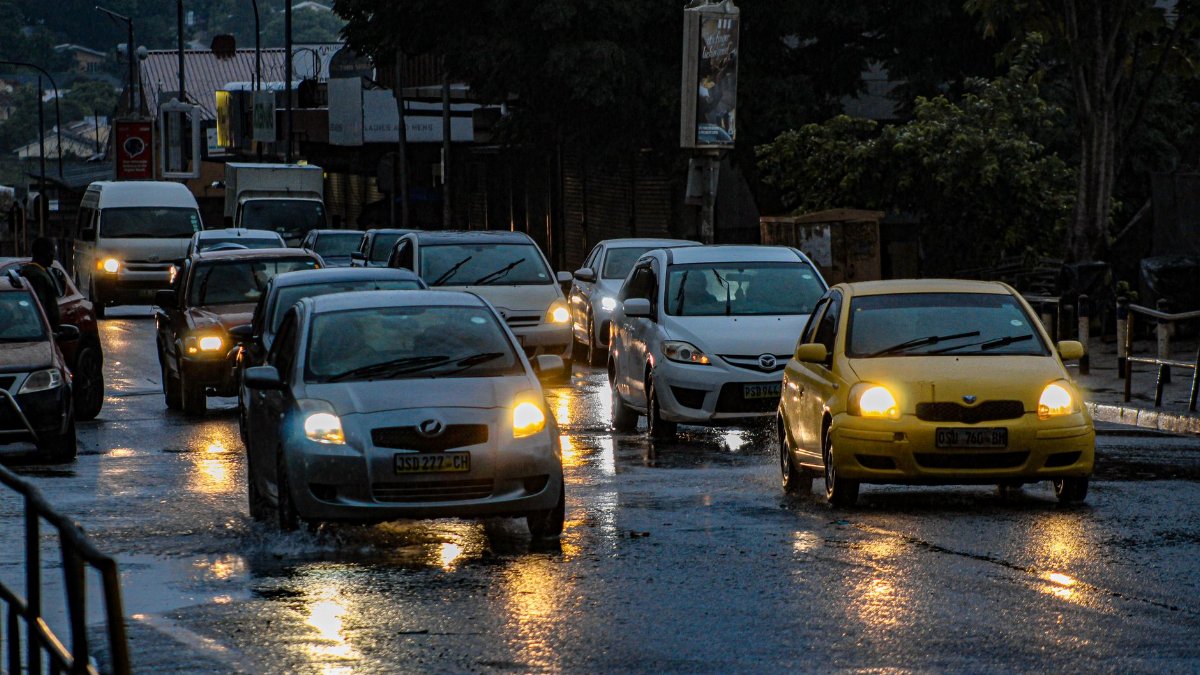
Human drivers complain about rain for reasons that are easy to name. Wipers smear a windshield. Headlights glare off wet asphalt. A pedestrian in a dark coat becomes a shape rather than a person until the last moment. Brake distances grow. Other drivers behave worse, not better, when they are late and visibility is poor.
A self driving car meets those same streets with different weaknesses. Sensors can be confused by spray. Lane markings vanish under standing water. Reflections multiply. A map that was precise on a dry Tuesday may not describe a curb that is now underwater or a road closed by a fallen branch. The software can be cautious, and caution is preferable to bravado, but caution in a complex city can also mean hesitation in places where traffic expects a decision. None of this is an argument that the technology is fraudulent. It is an argument that weather remains a live engineering problem, not a solved backdrop.
San Francisco has already served as a public classroom for that lesson. Residents have watched driverless cars freeze in awkward places, block lanes, or struggle with scenes that a local cab driver would treat as routine. Some of those episodes were minor. Some were not. A planned pause before a known storm is a different category from a surprise failure in the middle of a shift. It suggests the operator would rather lose a day of trips than test the edge of the system on customers.
King tides and streets that disappear
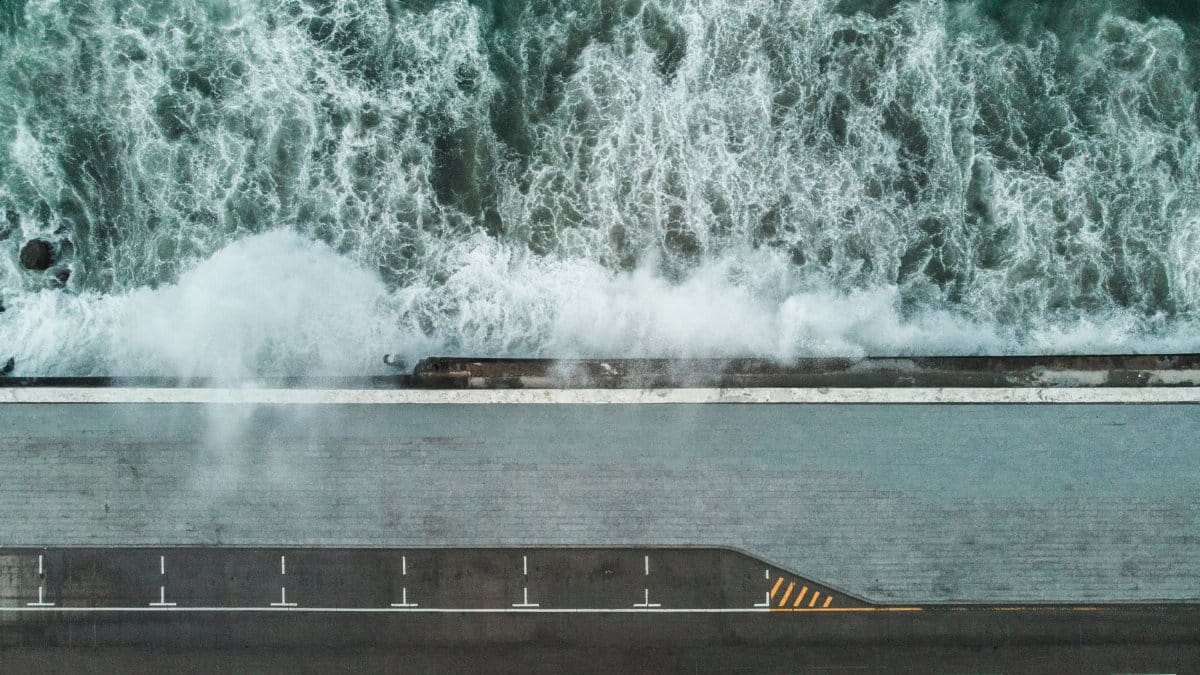
The storm is only half the story. King tides, the very high tides that arrive when the moon and sun pull in alignment, can lift bay water onto roads that look ordinary at noon. In the Embarcadero, in parts of Marin, along low stretches of the Peninsula, the line between street and shoreline gets thin. A driver who knows the neighborhood may turn around at the first glint of water over the yellow line. A visitor following a navigation app may not.
Flooding is not only a depth problem. It hides what is under the surface: a pothole, a storm drain, a displaced manhole cover, a piece of lumber. It also changes the social scene. People gather to look. Workers set out cones that were not on any prior map. Police redirect traffic in ways that last twenty minutes and then change again. Those are exactly the kinds of scenes that still favor a person who can ask another person what is going on.
Climate scientists have been clear for years that higher seas will make these tides more consequential, even on days without a famous storm. The holiday week simply compresses the lesson. A city that already lives with fog, hills, and earthquakes is now also living with water that arrives on a schedule and does not care about dinner reservations.
The human systems that fill the gap
When the robotaxis stop, the older network has to absorb the demand. Muni buses, BART, ferries, taxis, and ordinary ride hailing cars will carry people who might otherwise have tapped a different icon. Some of those systems are better in rain than a newcomer might expect. Operators know which underpasses flood. Dispatchers hear from drivers in real time. A bus driver can radio that a stop is underwater and skip it. That knowledge is informal, local, and hard to replicate with a software update pushed from another city.
It is also strained. Holiday schedules thin some transit service just as travel peaks. Drivers call out. Traffic around the airports stacks up. A pause in one mode does not create spare capacity in the others. Riders should assume longer waits, higher fares on human driven trips, and the usual Thanksgiving advice that sounds dull because it is true: leave earlier than pride suggests, and have a second plan if the first one fails.
For people without easy alternatives, the gap is not theoretical. Older residents, night shift workers, and anyone who avoids driving in storms may feel the missing cars more than a downtown commuter with several options. A pause can be the responsible call and still land unevenly. That tension deserves to be named rather than smoothed over with a corporate note about safety being the priority.
A pattern of caution rather than bravado
This is not the first time a driverless fleet in the region has pulled back when conditions turned ugly. Fog, fire, protests, power issues, and software trouble have all produced interruptions over the past few years. Each episode feeds a public argument that never quite settles. Supporters see caution as maturity. Critics see a product that still needs ideal weather, ideal maps, and a city willing to tolerate experiments on its busiest streets.
Both readings can be partly right. A company that pauses before a forecast storm is behaving more like a transit operator than like a startup desperate to prove uptime. Transit agencies cancel trips. Airlines ground planes. Ferries stay at the dock when the bay is too rough. Nobody treats those decisions as confessions that boats or planes are a fad. They treat them as recognition that physics does not negotiate.
The difference is expectation. Commercial aviation earned the right to cancel by building a culture in which cancellation is normal and heavily scrutinized. Robotaxis are still asking for that trust while the vehicles remain novel enough to draw a crowd when one stalls. Waymo pauses service in part because the alternative, a visible failure on a flooded block during a holiday, would cost more than a lost day of revenue. That calculation is commercial and civic at once.
Trust is built in the hours a car stays parked
I have stood on a wet corner in this city and watched a driverless car wait longer than a human would, lights on, passengers nowhere in sight, while rain hammered the crosswalk. The scene was not dramatic. It was unsettling in a smaller way. The car was obeying a rule I could not see. The people around it were improvising. Trust, in that moment, depended less on the glossy promise of autonomy than on whether the machine would get out of the way.
A scheduled pause is cleaner than that scene. It tells riders not to count on the service before they are standing in the rain with a dying phone battery. It gives the company time to watch the streets, protect vehicles, and avoid becoming another obstacle for emergency crews. It also gives skeptics a fair point: if the cars must sit out ordinary California winter weather, the claim that they are ready for the full life of a city remains incomplete.
Readiness is not a press release. It is a record of ordinary days, including the ugly ones. A firm that repeatedly chooses to stop when sensors and forecasts disagree with confidence is compiling a better record than one that insists on operating through doubt. Riders can respect that and still ask when the doubt gets smaller.
What cities learn when the fleet goes quiet
Municipal governments have spent the last several years learning how to regulate vehicles that do not have a driver to cite, interview, or send home. Permits, data sharing, incident reports, and complaints from bus drivers have become part of the local bureaucracy. A weather pause is a simpler case. Nobody has to argue, in the moment, about whether a car should have continued. The cars are not there.
Still, the quiet fleet is informative. It shows where demand snaps back to older modes. It shows which neighborhoods feel the loss. It shows whether emergency planners even notice. If the pause passes without drama, that is evidence of a sort. The technology has not yet become so embedded that a day without it cripples the city. That should humble the boosters and relieve the critics. San Francisco functioned before robotaxis. It will function during this storm. The interesting question is what role these vehicles ought to have once the streets dry, not whether the city can survive their absence for a holiday.
There is a planning lesson in the king tides as well. Streets that flood on a predictable cycle are not edge cases. They are design problems. Maps used by any fleet, human or automated, need to treat high water as a recurring condition. Cities that want fewer stranded cars, of any kind, will have to raise roads, rethink storm drains, and stop pretending that a dry day is the default setting.
The holiday, stripped of convenience

Thanksgiving storytelling loves ease. The table is set. The flight is on time. The car appears at the curb. Real weeks are messier, and this one will be messier than the ads suggest. People will refresh weather apps, argue about whether to drive the bridge, and discover that a favored option is grayed out. Some will be irritated. Irritation is fair. A service that markets itself as always nearby has to accept the disappointment when it is not.
It is also fair to separate disappointment from danger. A missed ride is an inconvenience. A car that misreads a flooded lane is something else. In a season when people are tired, rushing, and often unfamiliar with the roads they are on, the conservative choice has a moral weight that a growth metric does not. Families can reroute. Physics cannot.
The spiritual temperature of a holiday, if one wants to use that language, often has less to do with perfection than with whether people get where they meant to go and find one another intact. A paused fleet will not supply that. Buses, patient drivers, and earlier departures might. The storm does not care about the branding on the vehicle.
After the water recedes
When the rain eases and the tides fall, the cars will return, probably without much ceremony. Riders will open the app, see available vehicles, and resume the habit. The pause will become another item in a growing file: evidence that the operator can stand down, and evidence that standing down is still necessary. Both facts should travel together in any honest account of this industry.
Regulators ought to ask for a plain after action account. What did the sensors see before the halt. Which corridors would have been most exposed. How many trips were displaced, and onto which modes. Did any vehicles already on the road need remote help as conditions worsened. Those details matter more than a slogan about safety. They tell the public whether the pause was timed well or merely announced well.
Residents can ask a simpler question. Did the city feel safer with the fleet parked. If the answer is yes, that is not a defeat for innovation. It is information. Useful technology earns its place by widening the set of days it can handle, not by refusing to admit the days it cannot.
Waymo pauses service because the coming hours are a poor test and a worse advertisement. That sentence should not be read as mockery. It is a description of a grown choice in a young industry. The Bay Area will spend the holiday dealing with wind, rain, and water on the pavement. The robotaxis, for a while, will not be part of that dealing. The rest of the transportation system, and the people who depend on it, will have to be.