
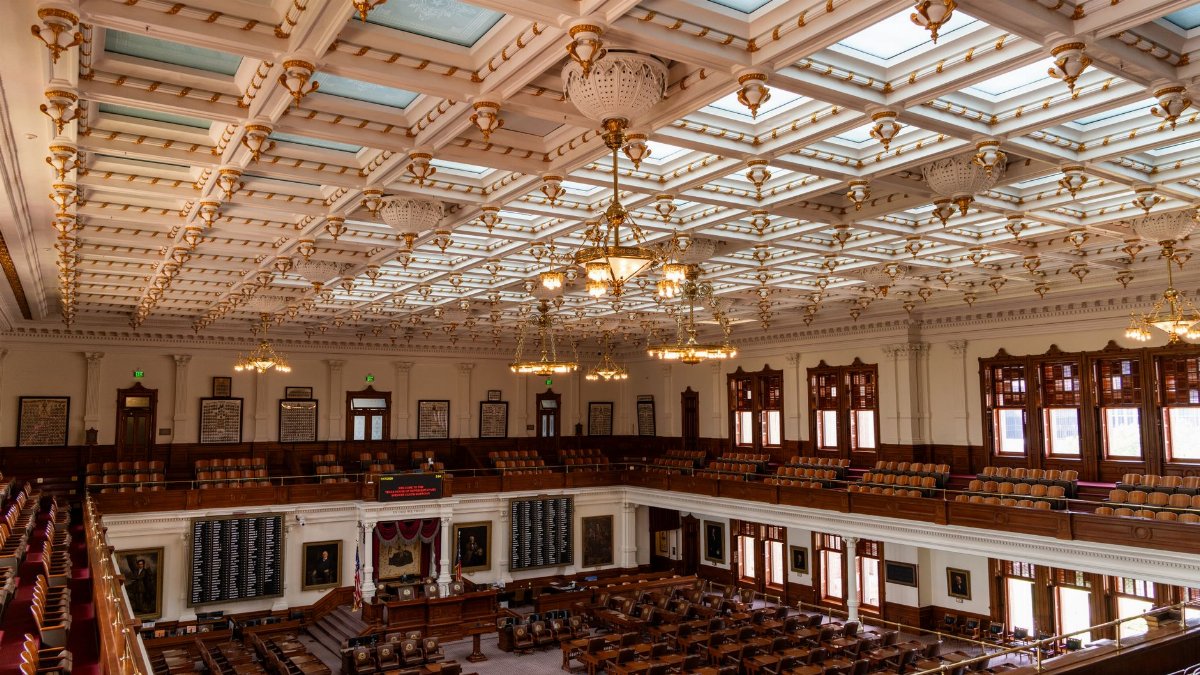
The ballroom lights in a West Texas meeting hall were brighter than the comment threads that usually pass for civic life. Ranchers compared notes on hospital closures. Teachers talked about testing calendars. County officials asked who would pay for the next stretch of road. Into that room, at a rural symposium covered by the Texas Tribune, came Brooks Landgraf, the Odessa Republican who has been telling his party that rage is a poor substitute for a governing majority. His message was plain. After a season in which Republicans lost ground outside the cities, the path back runs through school funding, a cleaner testing regime, and a House willing to bargain.
A Warning Carried From the Oil Patch

Odessa does not need a lecture on volatility. Pump prices, rig counts, and school enrollment rise and fall together, and families notice when Austin treats their district as a backdrop for a clip. The representative has framed the rural slip not as a mystery of messaging software but as a failure of attention. Voters who once treated a Republican ballot as a habit began to ask whether the Capitol still knew the price of a bus route, a nurse shift, or a Friday night field that doubles as the town square.
That reading is less romantic than the usual talk of heartland values. It is practical. A party that wins speeches and loses school boards, county courthouses, and parent meetings has not lost its soul so much as its errands. The errands are what rural politics has always been about: who keeps the lights on, who funds the classroom, who answers the phone when a plant closes.
What the Map Has Been Saying
Texas Republicans still hold the House and the statewide offices that matter. The unease is about the margin, not the trophy case. In counties far from the urban core, the old assumption that cultural affinity would cover thin services has worn thin. Teachers who vote Republican have said, in town halls and in union newsletters alike, that loyalty does not pay for a paraeducator. Farmers who distrust Austin bureaucrats still want a predictable formula when property values swing.
Brooks Landgraf has treated that tension as a governing problem rather than a branding problem. Drop the bait, he has argued, and do the work that shows up on a tax bill and a report card. The advice is aimed at his own conference. Democrats are not asked to become conservatives. Republicans are asked to stop performing contempt for the people they need in order to pass a budget.
School Money Without the Shouting

Public school finance in Texas is a thicket of recapture, local property wealth, and formulas that few voters can recite and almost all voters can feel. Rural districts often lack the commercial base that cushions a suburb. When the state underfunds the basic allotment, the pain arrives as a closed program, a combined class, or a teacher who drives to a larger town. Those facts do not belong to one party. They belong to the Tuesday night budget hearing.
The Odessa lawmaker’s pitch for bipartisanship starts there because the math does not care about a viral post. A funding deal that raises the basic allotment, steadies rural districts, and resists the urge to turn every dollar into a proxy war would not end the argument over charters, vouchers, or curriculum. It would prove that the House can still move a number that a superintendent can plan around. In a state this large, that is not a small proof.
The Case for Ending STAAR
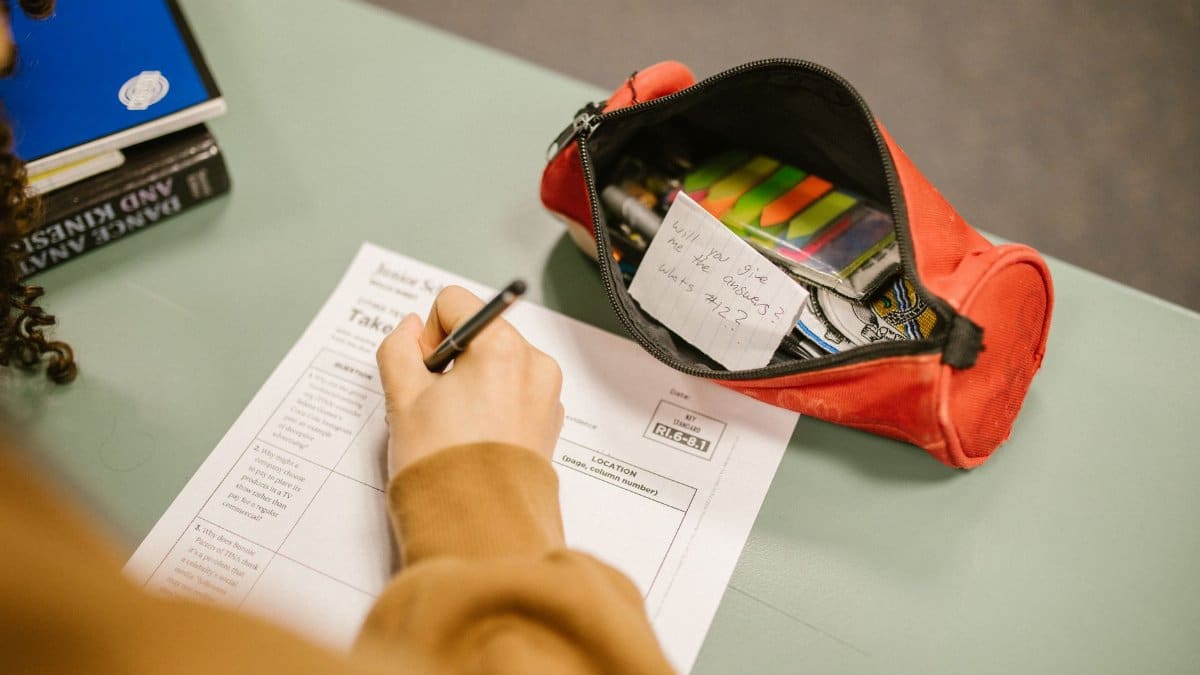
Few acronyms in Texas education carry as much fatigue as STAAR. Parents across parties describe a spring dominated by test windows, practice packets, and the quiet fear that a single sitting will define a child and a campus. Teachers describe lost weeks of instruction. Superintendents describe ratings that lag the actual life of a school, especially in places where poverty, language, and distance shape the starting line.
Brooks Landgraf has joined a chorus that wants the exam retired, not tinkered into a friendlier font. The argument is not that measurement is illegitimate. It is that a high stakes annual test has become a poor instrument for the public goods people actually want: early reading, usable math, and a graduate who can hold a job or a college seat. Replacing it would require Republicans and Democrats to agree on what comes next, which is harder than agreeing on what has failed. Accountability without a replacement is a slogan. Accountability with local measures, interim checks, and a narrower state role is a bill.
Ragebait and the Price of Performance
Ragebait is not a policy. It is a habit of framing every hearing as an ambush and every colleague as a prop. It travels well online and poorly in a chamber where forty votes, or seventy, still have to be counted by name. The representative’s warning is that the habit has started to cost rural seats and rural patience. A parent who wants the test gone does not need a monologue about enemies. A superintendent who needs dollars does not need a dare.
There is a moral edge to that warning, even in a political story. Public office is a kind of neighbor duty. Contempt is easy to film and hard to govern with. The communities that fill Friday gyms and Sunday pews tend to notice when their representative talks about them as an audience rather than as people who will live with the law after the camera leaves.
Where the Other Side Might Meet Him

Democrats in the Texas House have their own incentives to treat every Republican overture as a trap. School funding bills have been vehicles for fights over vouchers. Testing bills have been vehicles for fights over what history a child is allowed to read. Suspicion is not paranoia. It is the memory of sessions in which a popular idea arrived stapled to a poison pill.
Still, the narrow ground he has marked is not imaginary. Many Democrats already want more money for the basic allotment and already want STAAR gone or sharply cut down. If a Republican from Odessa is willing to separate those goals from culture war riders, the interesting question is whether Democratic leaders will separate their goals from maximal lists of their own. Bipartisanship here would look boring: amendments in public, scores that districts can verify, and a refusal to hold children hostage to the next primary.
The House as a Workplace

The Texas House has always been more transactional than the Senate, more willing to let regional need cut across party brand. That reputation has frayed. Members now arrive with national playbooks and leave with national followings. The rural symposium setting mattered because it stripped some of that theater. A county judge asking about indigent defense is not a segment. A teacher asking about the testing calendar is not a meme.
A workable House would revive the old craft: committee work that is allowed to be dull, regional caucuses that talk before they tweet, and leaders who reward a vote that fixes a formula even when it denies someone a clip. None of that requires anyone to abandon conviction on guns, borders, or abortion. It requires them to admit that not every Tuesday is a referendum on the national mood.
Faith, Patience, and the Civic Vow

In towns where church parking lots empty into school parking lots, politics is rarely sealed off from spiritual life. People pray for teachers. They pray for the teenager who failed a section of a state exam and now thinks the building has given up. They also know the difference between a sermon and a statute. The statute is where love of neighbor either becomes a line item or stays a mood.
A call to drop ragebait can be heard in that register without turning a legislator into a pastor. Humility is a political skill. It shows up as the willingness to let an opponent amend a bill, to credit a Democrat from the Valley or a Republican from the Panhandle when the language is better, and to stop describing compromise as surrender. Voters who sit in pews on Sunday are often the same voters who sit in board meetings on Monday. They can tell when humility is staged.
The Limits of an Olive Branch

None of this guarantees a deal. Primary electorates still punish members who look cooperative on camera. Outside groups still fund the loudest version of each party. A funding number that satisfies rural superintendents may anger suburban taxpayers. A testing overhaul that satisfies teachers may alarm accountability advocates who remember eras when campuses could fail quietly.
Brooks Landgraf is not offering a truce on every front. He is offering a sequence. Secure the school dollar. End a test that has lost public confidence. Talk to the other party long enough to write text that can pass and can be implemented in August, not merely praised in May. If that sequence collapses under rider amendments, the symposium speech will join a long shelf of Texas laments. If it holds, rural voters will have something more durable than a promise to fight harder next time.
What Austin Can Still Prove
The next session will test whether the warning was strategy or mood. Watch the basic allotment, not the press conference. Watch whether STAAR repeal arrives as a clean instrument or as a vehicle for unrelated fights. Watch whether members from oil towns and members from city districts can share a dais without treating disagreement as disgrace.
Texas has done this before, in water bills, in disaster aid, in the unglamorous work of keeping a growing state from fraying at the edges. The rural map is not a prophecy. It is a report card on whether the majority still knows how to be useful. Brooks Landgraf has bet that usefulness, practiced in public and shared across the aisle, is the only campaign that still works once the rigs, the classrooms, and the comment sections have all had their say.