
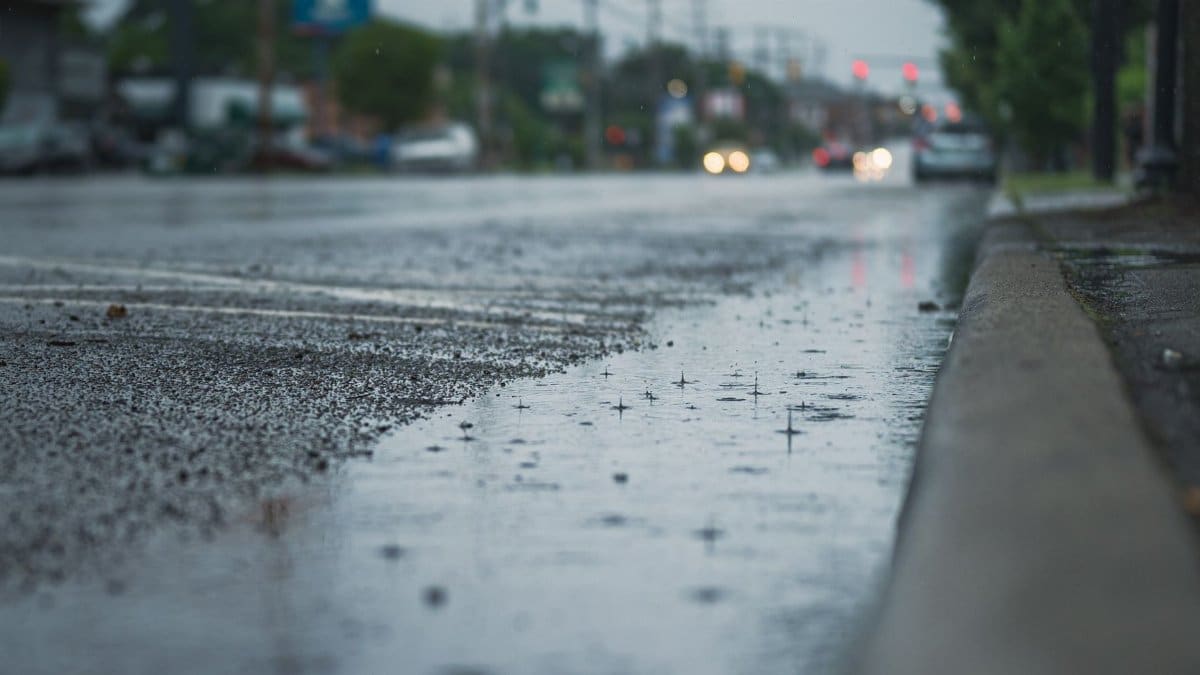
Before dawn on a Tuesday that was supposed to be ordinary, water rose in western Broward faster than many residents could move their cars. Meteorologists later described the deluge as a Broward rain bomb, a burst of extreme rainfall that dropped more than 15 inches on West Hollywood and turned familiar streets into slow brown rivers. By midmorning, county leaders urged people to shelter in place. Schools closed. Court dockets dissolved. Emergency declarations followed road closures across South Florida, and the question in living rooms was no longer whether the storm would pass, but how long the water would stay.
A county that woke up underwater

The rain did not arrive as a theatrical wall of wind. It arrived as a relentless sheet, hour after hour, until yards that had been merely damp became ponds and ponds became streets. In West Hollywood, residents filmed water climbing driveway slopes and slipping under garage doors. Some woke to the sound of alarms from cars already sitting in water up to the wheel wells. Others stepped onto porches and found the sidewalk gone.
County officials moved quickly from watchfulness to restriction. People were told to stay where they were if they could do so safely, not because the sky was still violent in every neighborhood, but because the roads had become the hazard. A flooded intersection looks passable until a driver discovers the drop into a canal, a hidden curb, or a stalled vehicle just beneath the surface. In a flat county, depth is a liar.
How forecasters talk about a rain bomb
The phrase is blunt, and that is part of why it travels. A rain bomb, in the language now used by many meteorologists and emergency managers, describes a short, extremely heavy burst of rain capable of overwhelming drains, canals, and the ordinary habits of a city. It is less a formal scientific classification than a warning dressed in plain speech. The danger is concentration: too much water, too fast, in a place that cannot shed it.
South Florida is built on the assumption that water can be moved. Canals, pumps, and sea gates are the quiet infrastructure of daily life. They work remarkably well in ordinary storms. They struggle when the rain falls faster than the system can lift it, and they struggle further when high tides leave less room for that water to go. A Broward rain bomb exposes that limit in a single morning.
West Hollywood and the streets that vanished
West Hollywood took the core of the storm. More than 15 inches is not a drizzle with a dramatic name. It is a volume that fills retention areas, backs up storm drains, and sends sheet flow across intersections that commuters treat as routine. Residents described a strange quiet once the heaviest rain eased: no ordinary traffic, only the sound of water moving where traffic should have been.
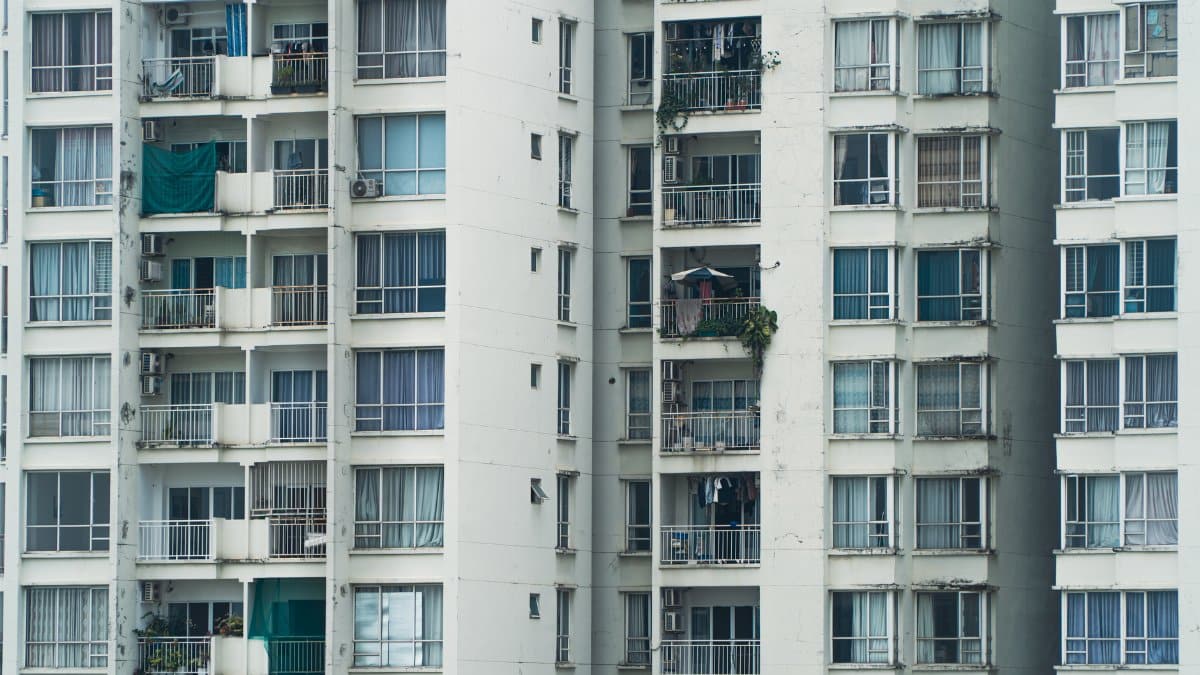
Low streets near canals were the first to fail as thoroughfares. Parked cars became obstacles. Trash bins floated and lodged against fences. In apartment complexes, ground floor residents hauled what they could onto beds and countertops, then waited for instructions that kept changing as crews learned which routes were still open. The geography of a neighborhood, usually a matter of convenience, became a matter of whether a person could reach a pharmacy or a relative.
Closures that reached classrooms and courtrooms
The disruption was not confined to the wettest blocks. School districts across parts of Broward shut buildings, citing unsafe travel for students, bus drivers, and staff. For parents, the closure was both a relief and a logistical knot. A day at home is simple only if an adult can also stay home. Hourly workers faced the old arithmetic of storms: miss a shift, or attempt a drive that officials have already called unwise.
Courthouses closed as well. Hearings were reset. People who had arranged child care, taken unpaid time, or traveled from other towns found that the legal calendar had been washed out along with the roads. Clerks posted notices. Lawyers called clients from parking lots that were themselves taking on water. A court closure sounds administrative until it is your eviction hearing, your custody exchange, or the day you expected a case to end.
What shelter in place meant on a flooded block
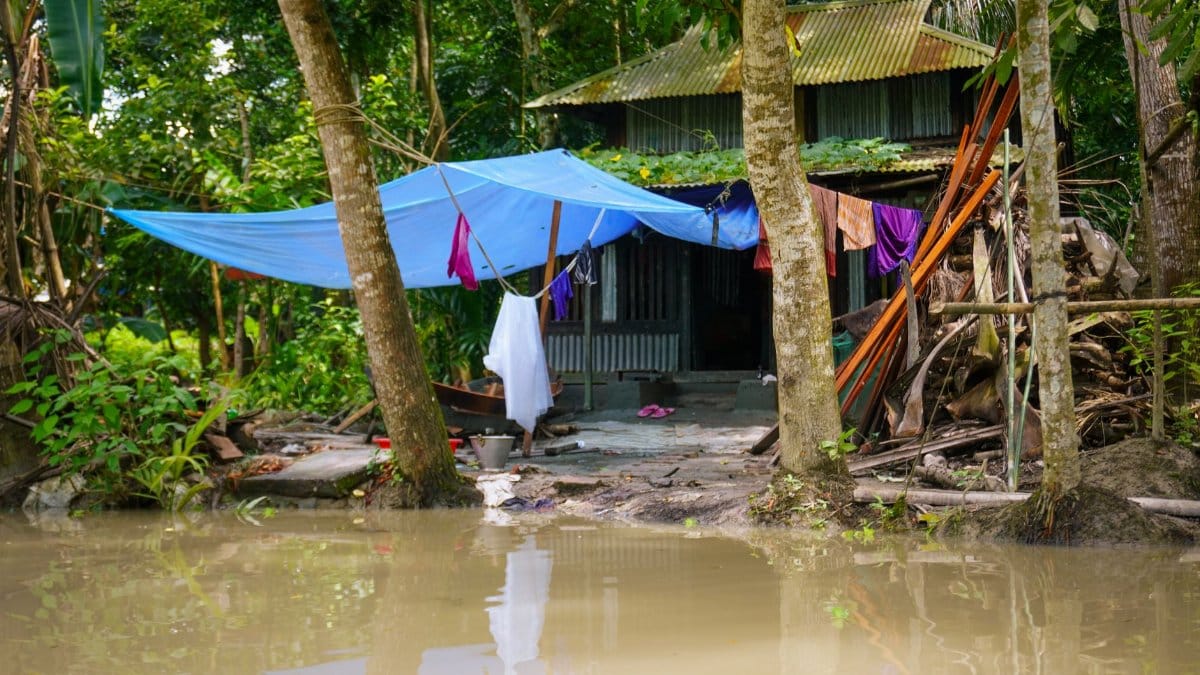
Shelter in place is a phrase people associate with violence or chemical danger. In this storm it meant something more prosaic and, for some, more frustrating. Stay off the roads. Do not walk through moving water. Do not assume that a familiar route is still a route. If your home is dry enough and the power holds, remain there until officials say the streets are passable.
That instruction lands differently depending on the apartment. A family on the second floor with food, medication, and a working phone can wait. A person on the ground floor with water at the door cannot treat patience as a strategy. Emergency managers know this, which is why the message came with a second track: call for help if the water is rising inside, and do not attempt a rescue that puts more people in the current. Several residents later said the hardest moment was watching a neighbor’s car and knowing that going out to save it could become the emergency.
Pumps, canals, and a system under strain
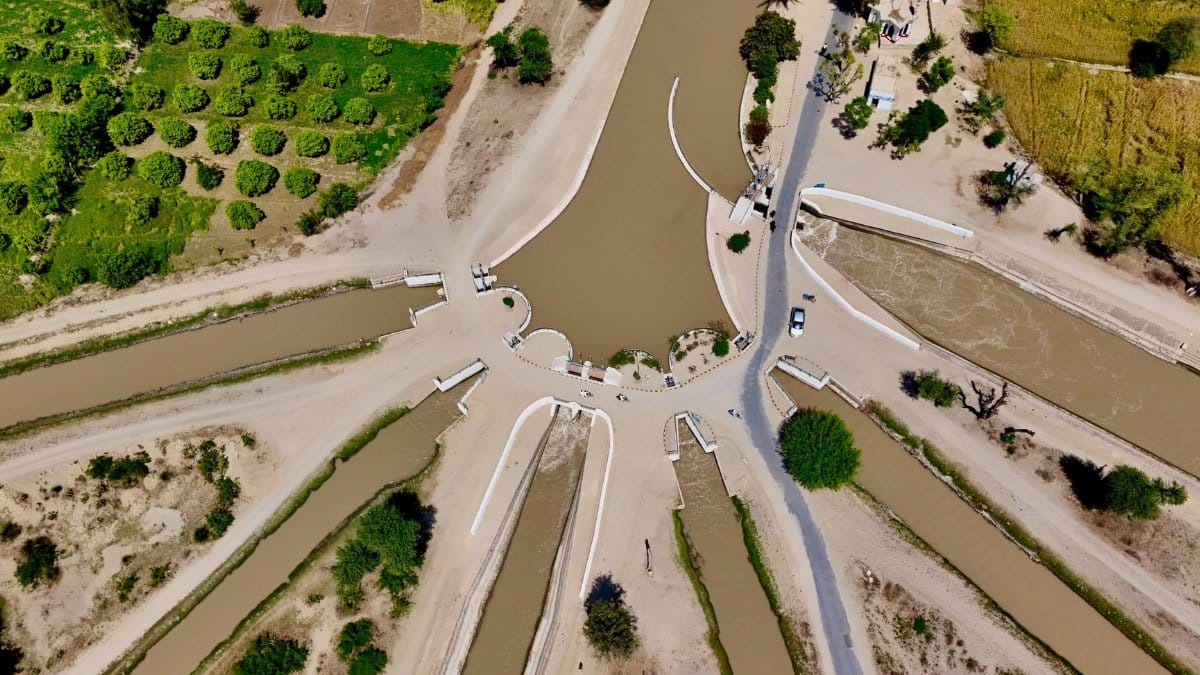
Broward does not drain the way a hilly city drains. Water has to be encouraged to leave. Pump stations lift it into canals. Canals carry it toward the coast or toward storage. When rain falls in a tight band, the stations nearest that band do the work of a much wider storm. Operators described a morning of constant adjustment, watching levels, clearing intakes, and deciding where a few more inches of capacity could be found.
The strain was visible to anyone who lives near a canal. Water that usually sits well below the bank rode high and brown, carrying leaves, plastic, and the occasional lawn chair. Storm drains that normally swallow a shower instead pushed water back onto the street. This is the mechanical signature of a Broward rain bomb: not a broken system, exactly, but a system asked to do in hours what it was built to do over a longer rain.
The quiet work of neighbors
Official response matters, and so does the smaller response that never makes a briefing. On several blocks, people formed loose chains to move belongings. A teenager with a truck that still started ferried an older couple’s medications to a relative on higher ground, then stopped when deputies closed the road. Apartment chats filled with offers of dry floor space, phone chargers, and updates on which grocery store still had a passable entrance.
These gestures do not replace pumps or shelters. They do reveal something emergency plans rarely capture: the speed of trust on a street where people already know one another’s names. In a county of many languages and many work schedules, that trust is uneven. Renters who had just arrived had fewer numbers to call. Homeowners with generators had more to share, and also more to protect. The storm did not invent those differences. It made them wet and immediate.
Congregations that opened their doors
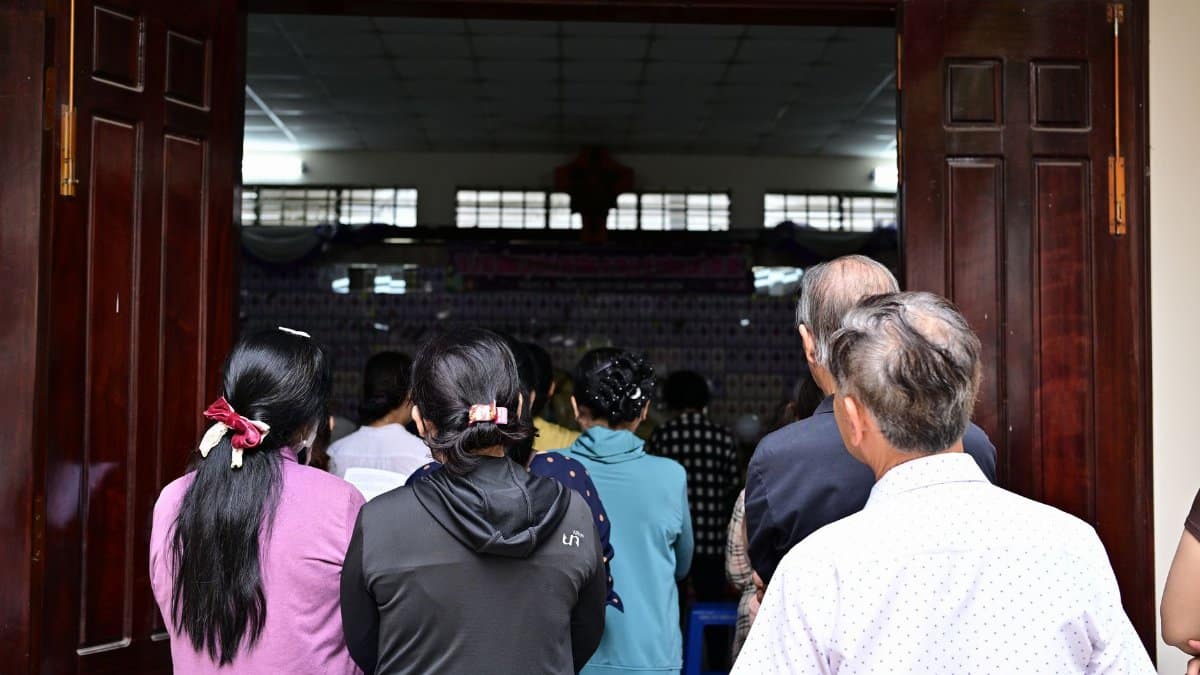
As water sat in streets, some of the first dry rooms belonged to churches, mosques, and community halls that already knew how to feed a crowd. Volunteers set out chairs, phone chargers, and boxes of snacks meant for a weekend program and redirected, without ceremony, to a Tuesday nobody had planned. Pastors and imams did not need a new theology of weather to know that a person standing in a flooded parking lot needs a towel and a place to sit.
For some residents, the hours indoors became a strange pause. People who rarely speak beyond a nod compared notes on insurance, on aging parents, on whether the power would hold through the night. A few described the quiet after the rain as almost devotional, not because the flood felt holy, but because the ordinary noise of Broward had stopped and left them with one another. Others wanted no poetry at all. They wanted a pump truck and a clear road to work.
The bill that arrives after the sky clears

When the water recedes, the civic emergency becomes a private one. Wet drywall, ruined flooring, cars that will not start, and the sour smell that follows a flood into a closet. Renters discover that a lease does not mention who pays for a sofa that floated. Owners discover that a policy they thought was complete has exclusions they never read closely. Small businesses along corridors that closed for a day lose receipts they cannot recover with a cheerful reopening post.
Public costs accumulate beside the private ones. Overtime for crews. Damaged signals. Debris that has to be hauled before it clogs the next drain. School days that must be made up, or not. Court calendars that compress later hearings into already crowded weeks. A storm that lasts a morning can rearrange a month. That is the part of a Broward rain bomb that does not fit in a rainfall total, and it is the part families feel when the cameras leave.
What officials asked, and what residents heard
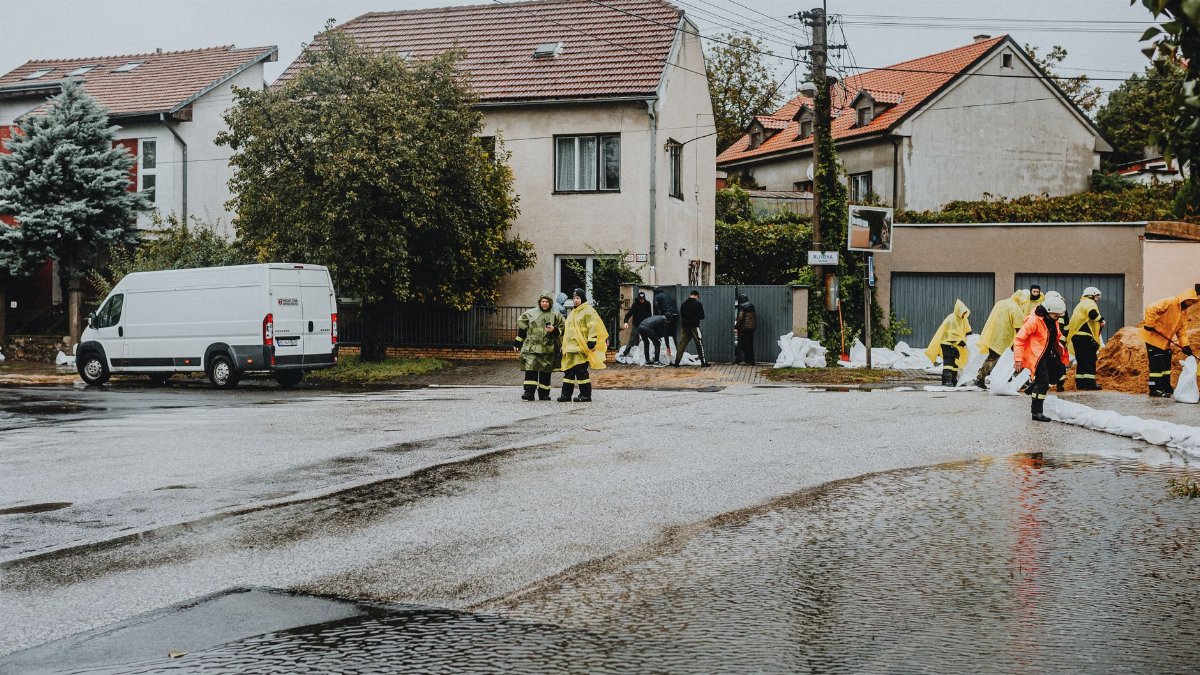
Emergency declarations are legal tools as much as public signals. They unlock mutual aid, loosen procurement rules, and tell neighboring agencies that Broward needs hands. Road closures are blunter. A barricade does not explain hydrology. It says stop. In the first hours, some drivers treated barricades as suggestions, a habit that turns a manageable flood into a rescue. Deputies and city police spent part of the day not on dramatic saves but on turning people around.
Communication was imperfect, as it usually is when conditions change by the block. A street open at 9 a.m. was closed at noon. A school notice lagged behind a parent’s group chat. Residents who rely on texts rather than television got faster word from neighbors than from official channels, and sometimes less accurate word. The lesson is not new, but this storm underlined it: warnings have to travel in the languages and on the phones people actually use, and they have to be updated when the water moves.
Living with a wetter kind of morning

No single storm proves a climate trend, and honest reporting should not pretend otherwise. What residents and engineers can say is narrower and still important. Intense rain is a risk this region already knows, and the cost of being wrong about drainage is paid in homes, not in charts. Raising electrical equipment, keeping cars out of the lowest lots when a watch is posted, and clearing drains before the season turns are unglamorous steps. They are also the steps that determine whether 15 inches is a miserable day or a ruinous one.
There is a civic choice inside that practical list. Broward can treat each Broward rain bomb as a freak headline, or it can treat the pattern of heavy bursts as a design problem: where people are allowed to build, how pumps are funded, which roads are allowed to flood first so that others stay open, and who is offered a dry room when shelter in place is not a real option. Those arguments are slower than a storm. They matter more than the name we give the rain.
After the barricades come down
By the time roads reopened, the story had already split. For people on high floors and dry blocks, it became a tale of inconvenience, a lost school day, a startling video. For people who mopped water out of living rooms, it became an invoice and a smell and a question about whether to stay in a ground floor unit through another wet season. Both experiences are true. Only one of them ends when the barricade is lifted.
Officials will tally the inches, the closures, and the calls for service. Residents will tally something less tidy: who checked on them, whose car was lost, which class was missed, which hearing moved, which congregation had coffee when the power on the block did not. The rain has a beginning and an end. The county’s memory of it should be longer than that, and more specific than a slogan, if the next morning like this one is going to be any kinder.