
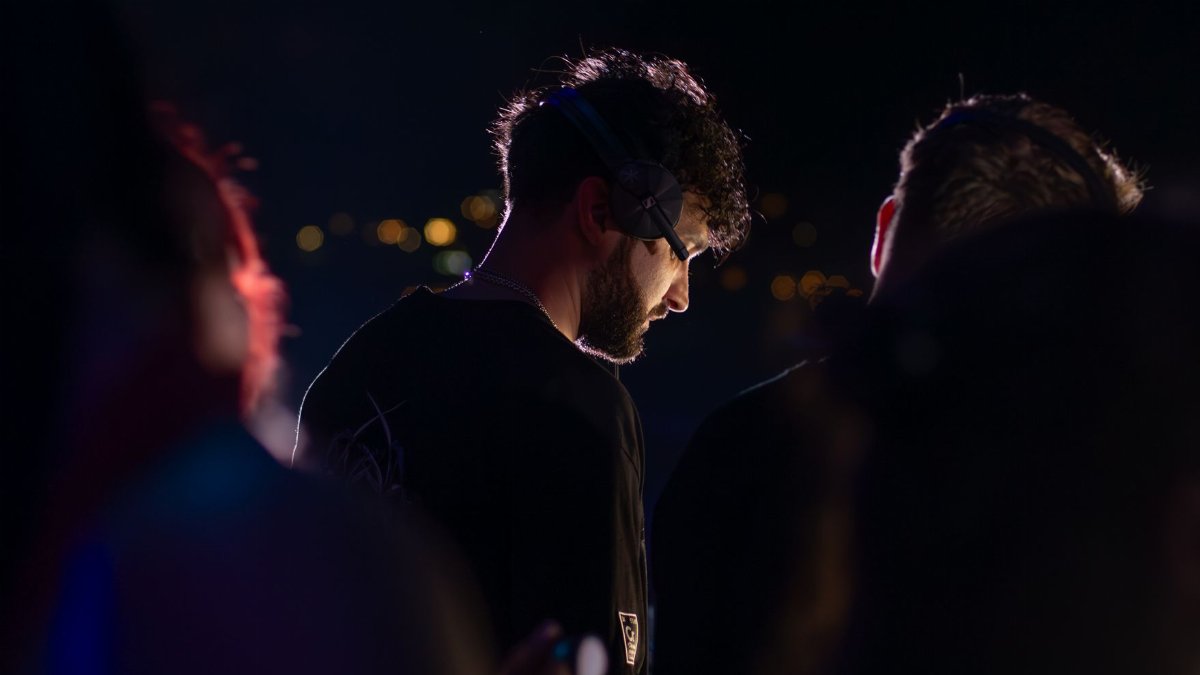
On a humid November night in Little Haiti, the line outside a converted warehouse curled past a mural of palm trees and a neon outline of a skyline that does not quite exist. People in linen shirts and thrifted jackets checked their phones for set times, then looked up as a bass note rolled through the open door. Inside, a DJ waited to play the GTA 6 soundtrack for a room that already knew the streets it was meant to score. The party was not a corporate premiere so much as a neighborhood listening session, staged by local promoters who treated Vice City as both fiction and hometown myth. Fans had come to hear how a game might hear them back.
A warehouse tuned for attention
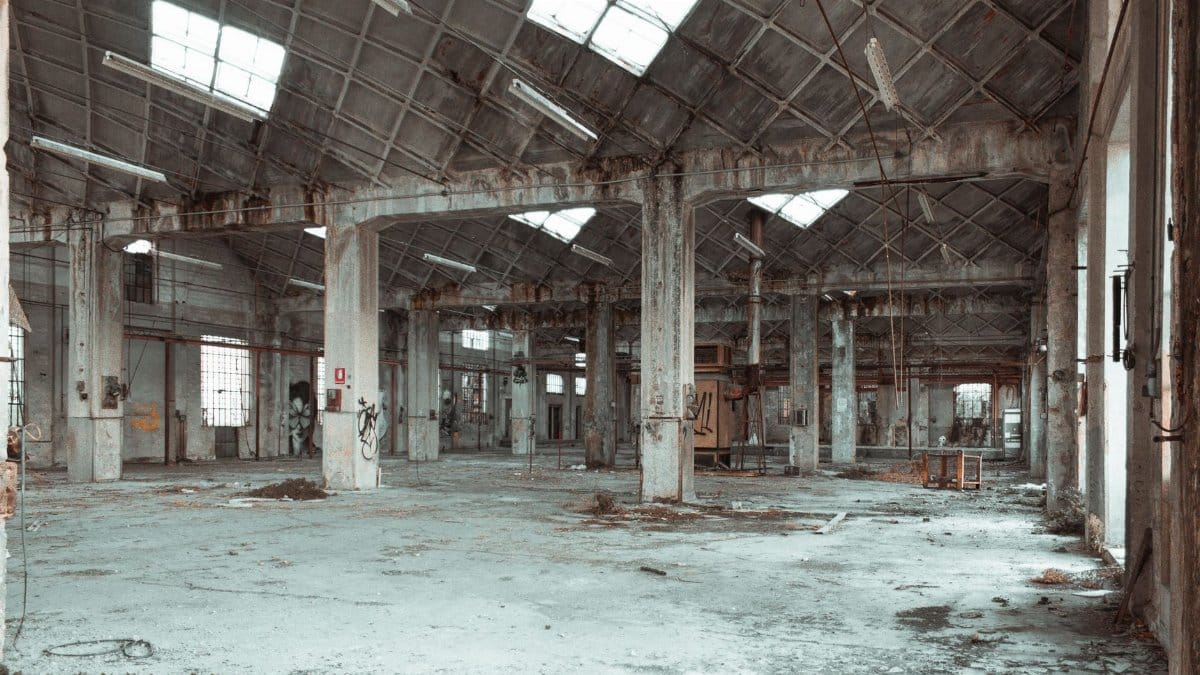
The room had been stripped to concrete and string lights. Folding chairs faced a low stage, and a long table held paper cups of Cuban coffee that went cold while people talked. Organizers asked guests to keep phones down during the first pass through the music, a request that held for about ten minutes and then softened into a quieter kind of scrolling. Nobody seemed impatient. The point was not a drop or a surprise guest. The point was to sit with songs written for a city that looks like Miami and behaves like a rumor.
Sound checks ran long. A horn line clipped, then settled. Someone from the venue walked the aisle with a handheld meter, frowning at a corner where the low end piled up. Middle aged listeners, the ones who remember car radios more vividly than playlists, nodded as if this fuss were part of the show. Younger guests leaned against the back wall and traded theories about which station would feel like Ocean Drive and which would feel like a service road at 2 a.m.
What the room had been promised
Printed cards on the chairs listed the evening in plain type: thirty four original songs, twenty two in game radio stations, and a listening order chosen by the promoters rather than by any official sequence from the studio. No one on site claimed to speak for the developer. The cards simply said the GTA 6 soundtrack would be played in blocks, with short breaks so people could argue, refill a cup, or step outside into air that still held the day’s heat.
That framing mattered. A game soundtrack usually arrives as background, something you notice when a chase ends or a conversation stalls. Here the music had to stand without a steering wheel in your hands. Several guests said the experiment felt risky. If the songs only worked beside a skyline rendered in code, the party would expose the gap. If they worked in a warehouse in Little Haiti, the fiction had borrowed something real.
Radio as a way of drawing a map
The first block leaned on talk and texture more than on hooks. A station intro, half joke and half traffic report, drew the loudest laugh of the night. Then a guitar figure, dry and close, gave way to a chorus sung as if the singer were already late for something. People who grew up with Miami radio recognized the habit: stations do not only play songs. They tell you where you are, who is driving, and what the weather is doing to everyone’s plans.
Between tracks, a host read short station IDs written in the game’s voice, then let the room sit in the residue. One man near the aisle said the IDs reminded him of riding with his uncle, when the dial was a form of advice. You did not choose a mood so much as accept a neighborhood. The twenty two stations, even sampled in fragments, suggested a city with more than one tempo. Club music, old soul, talk, and a strain of regional pop that refused to pick a single coast all had a lane.
Original songs without a chase scene
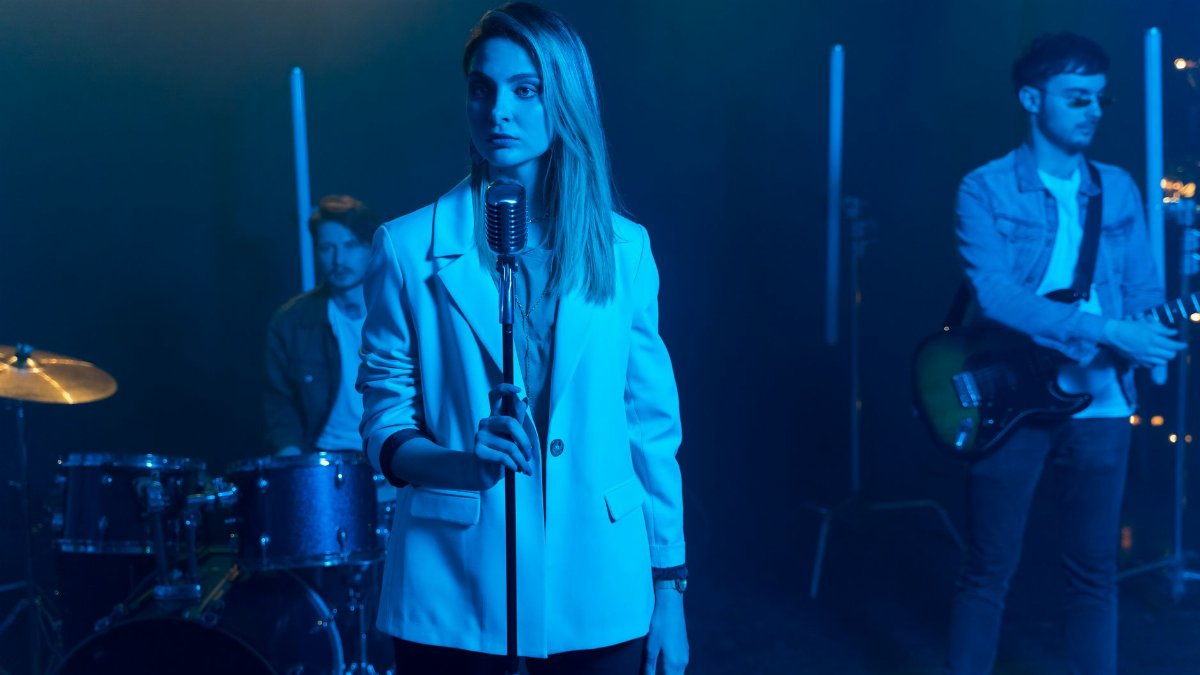
When the original material arrived, the room grew still in a different way. These were not covers of familiar hits. They were new pieces built to live inside a fictional Vice City, and they had to survive a crowd that knows the actual one. A mid tempo ballad about a hotel key and a missed ferry landed harder than the promoters seemed to expect. A woman in the second row closed her eyes. A man beside her kept his open and watched the speakers as if the arrangement might change if he looked away.
Not every song earned that attention. A glossy club track, precise and expensive sounding, felt thin once the bass left the chorus. Guests compared notes in the break with the bluntness of people who had paid for the night with time rather than hype. The consensus, such as it was, held that the GTA 6 soundtrack works best when it trusts small details: a bored announcer, a drum machine a half step behind the vocal, a lyric that names a feeling without naming a brand. Spectacle was available. Specificity did more.
Local players in a fictional city

After the second break, two Miami musicians joined the DJ for a short set that was not on the printed cards. They did not claim authorship of the game’s songs. They played adjacent material, older singles and a new sketch, and talked about what it means when a global title borrows the city’s cadence. One of them, a keyboardist who has worked sessions from Wynwood to Homestead, said the compliment and the risk arrive together. A game can carry a sound farther than any club. It can also flatten the people who made that sound into scenery.
The comment did not sour the room. It sharpened it. Listeners who had come for novelty stayed for the argument. A few mentioned relatives who appear, unnamed, in every outside portrait of Miami: the aunt who sings in church, the cousin who DJs weddings, the neighbor whose car stereo is a public service. Fiction that ignores those lives feels like tourism. Fiction that notices them, even sideways, feels like a visit with manners.
Listening as a shared rite

There is a spiritual habit hiding in ordinary gatherings, and this one had it without a pulpit. People arrived separately and agreed, for a few hours, to let the same sound pass through them. Phones dimmed. Conversations paused at the downbeat. When a song ended, the applause was brief, almost embarrassed, as if clapping might break a spell that did not ask to be named. In a city saturated with spectacle, the restraint felt like care.
None of this required belief in a game as scripture. It required belief that attention is a kind of hospitality. The promoters had built a temporary congregation around speakers and paper cups. Guests greeted strangers because the chairs were close and the music gave them a reason. An older listener told a younger one where to find a late kitchen still serving medianoche. The exchange was small. It was also the part of the night that no soundtrack can fully script.
Arguments in the alley
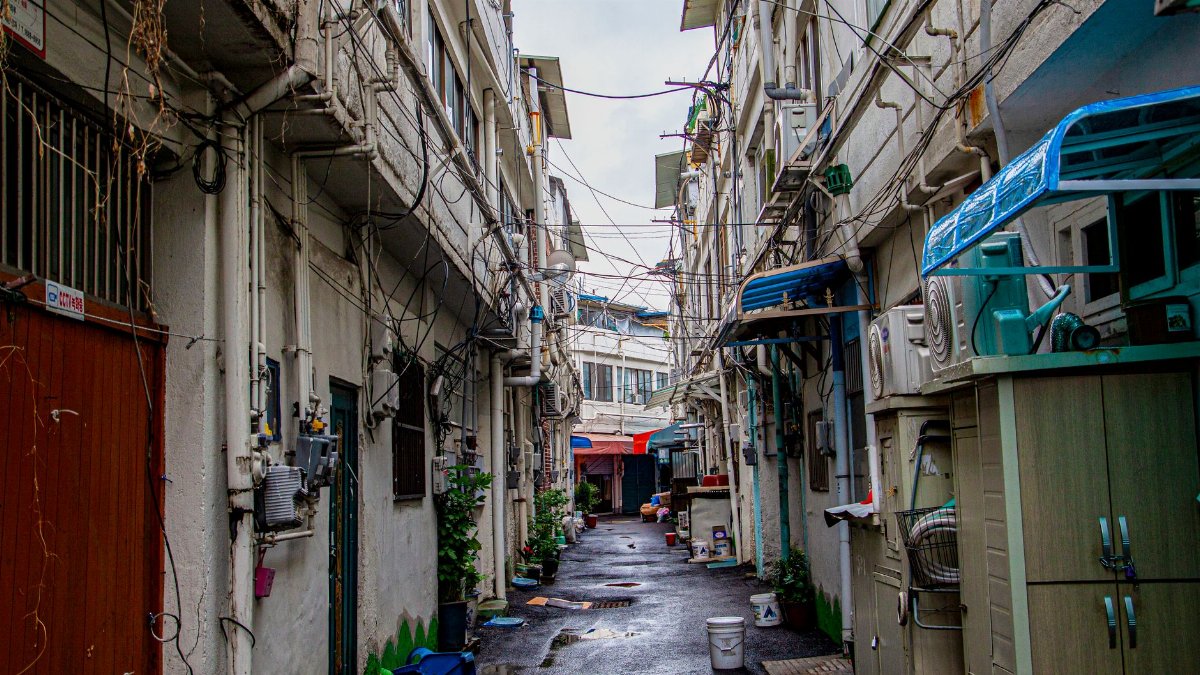
Outside, between blocks, the real reviews began. A cluster near the mural debated whether humor in the station IDs undercut the ballads or saved them from solemnity. Another group argued about language. Should a Vice City station sound like the Miami of now, with its mix of Spanish, Creole, and English, or like a stylized past that players of earlier games already carry in their heads? No one settled it. The disagreement was the compliment. People do not fight over background noise.
A college student said she wanted more songs that could live on a real playlist after the credits. A man in his fifties said he wanted the opposite: music that only makes sense when you are lost in a rendered grid at night. Both positions can be true. Games have always borrowed from radio, film, and the street. The test is whether the borrowing leaves the source legible. On that alley, legibility meant you could hear a place, not a costume.
What stayed after the last station ID
The final block returned to a quieter station and let a single voice carry a long verse about rain on a windshield and a decision not yet made. When it ended, the DJ did not drop a closer designed to empty the room in triumph. He faded the station ID, thanked the venue, and turned the house lights up halfway. People stood slowly. Some asked for the card again, as if the list of thirty four songs might rearrange itself overnight. Others walked out already humming a line they would not be able to place by morning.
In the parking lot, windows came down and radios came up, a small reflex that felt like the evening’s thesis. The GTA 6 soundtrack had been offered as an event, then released back into the city that inspired its fiction. Whether those songs will define a year of play, or merely a night in Little Haiti, is a question the warehouse could not answer. What it could answer was simpler. Given a decent speaker and a crowd willing to listen, a made up metropolis can still teach a real one how closely it is being heard.