

On a gray November morning in Chicago, a school nurse checked a roster and made a phone call she had hoped not to make this year. The child had a fever and a rash. The lab result, when it came, joined a tally that public health officials have been watching with uneasy relief. Illinois measles cases stand at 29 so far this year, well under the 67 infections recorded in 2024, even as the United States has lost the measles elimination status it held for a generation. The numbers are smaller than last year’s peak. They are not small enough to treat as a closed chapter.
A quieter tally that still unsettles

Relief is the wrong word if it suggests the danger has passed. Twenty nine confirmed infections in a state of more than twelve million people can look modest on a chart. Measles does not behave like a modest disease. It moves through the air, it finds people who lack immunity, and it punishes delay. A year that ends below a recent peak can still leave families in hospital rooms and health departments working nights.
I have spent recent weeks reading county notes and clinic advisories, and the pattern is less a single drama than a series of close calls. Each case forces the same questions. Who was in the waiting room. Who rode the same bus. Who is too young for a full vaccine series. The count of 29 is a summary. The work behind it is not.
What losing elimination status means

Elimination is a technical word with a human meaning. For measles, it has meant that the virus was not spreading continuously inside the country for at least twelve months. Importations could still occur. What mattered was whether those sparks died out. When transmission keeps finding fuel, the designation falls away. The Centers for Disease Control and Prevention explains the history and the standard on its measles history page.
Losing that status does not mean every state is in the same condition. It means the national system failed a test it had passed for years. Airports, under vaccinated pockets, and delayed recognition can connect distant outbreaks into one story. Illinois can post a better year than 2024 and still live inside a country that no longer meets the mark.
Illinois against its recent peak
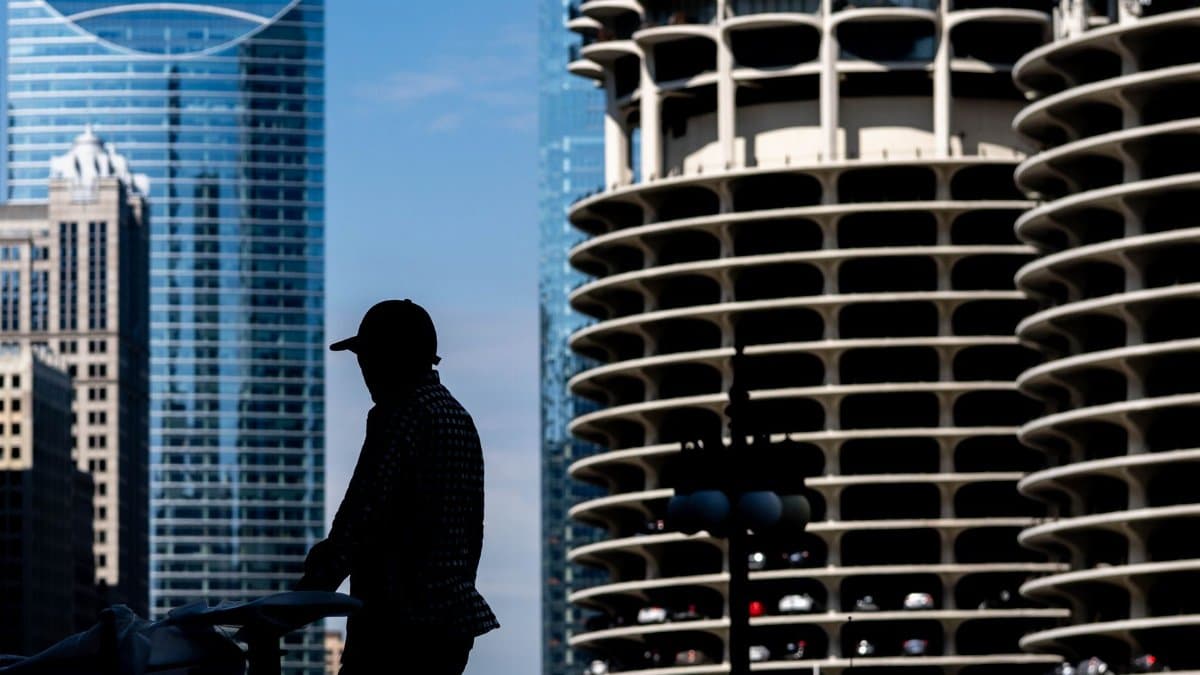
The comparison that state readers will remember is local. In 2024, Illinois recorded 67 measles infections, a figure that strained contact tracing and reminded older clinicians of a disease many younger colleagues had only studied. This year’s 29, as reported by WTTW, sits well below that peak. The drop is real. It is also incomplete.
A lower total can reflect luck as much as policy. A traveler who isolates early, a school that notices a rash before a holiday assembly, a clinic that keeps vaccine on hand: small decisions change the arithmetic. Illinois measles cases fell from that 2024 high, yet the virus did not leave the map. Officials who treat 29 as a victory lap will be surprised by the next cluster.
How a single spark can travel

Measles is among the most contagious infections known to medicine. A person can spread it before the rash appears, in the days when a fever still looks like a winter virus. Virus can linger in a room after the sick person has gone. That biology turns ordinary places into links: an urgent care lobby, a worship hall, a family reunion, a flight with a crying toddler two rows ahead.
Public health teams talk about chains rather than isolated patients. One importation can become five households if immunity is thin. One of those households can include an infant who is months away from the first dose. The case count then understates the anxiety, because dozens of people may spend days waiting to learn whether they were close enough, long enough.
Vaccination coverage and the unprotected
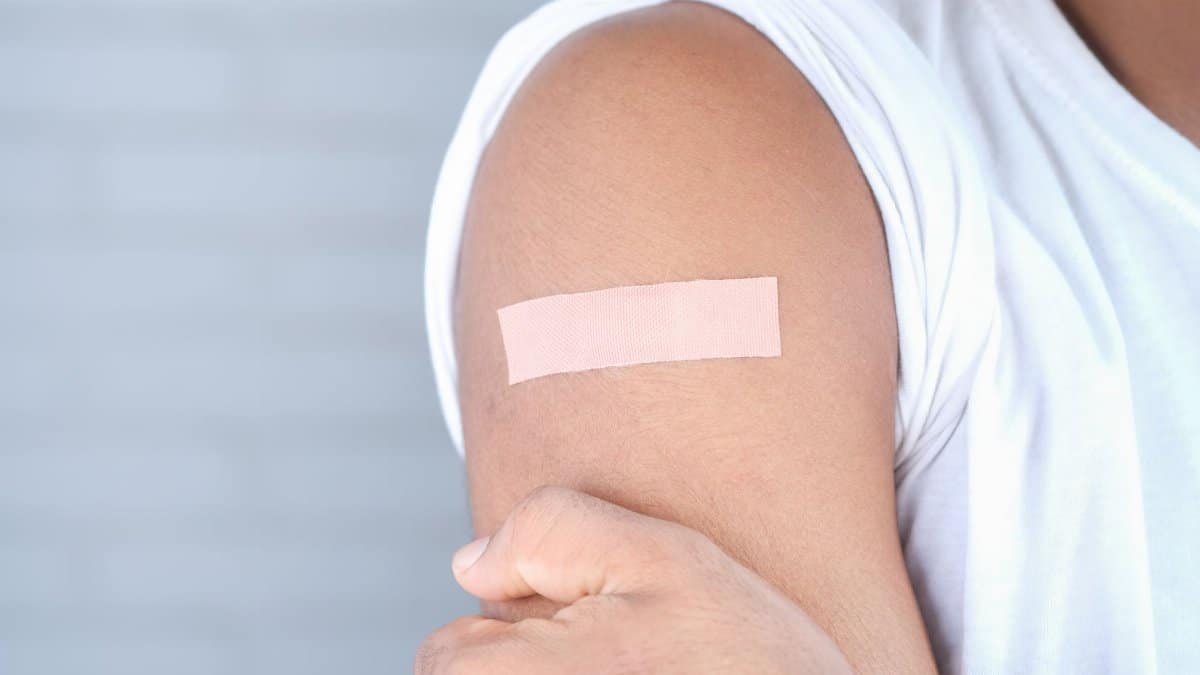
The measles, mumps, and rubella vaccine remains the durable answer. Two doses, given on the recommended schedule, protect the vast majority of recipients for life. Communities stay safer when coverage is high enough that the virus cannot find a new host. When coverage slips, even slightly, measles is often the first disease to show the gap.
Exemptions, missed well child visits, and moves between clinics all create openings. So does mistrust that hardened during other health arguments and never fully eased. None of that requires a conspiracy to explain a cluster. It requires enough people in one network who are susceptible at the same time. Illinois measles cases this year have again traced back, in the broad pattern officials describe, to that mix of travel and incomplete immunity.
Schools and the long work of tracing
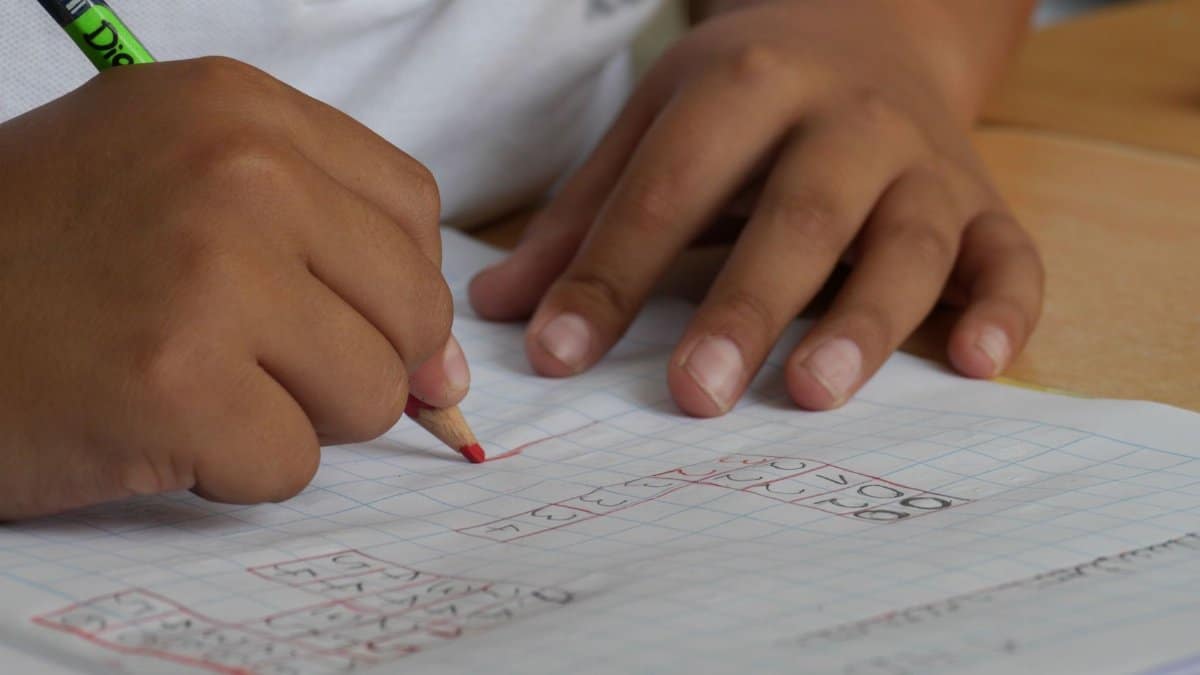
Schools sit at the center because children gather daily and because some students cannot be vaccinated yet or have medical reasons to wait. A single infectious student can force letters home, exclusion of unprotected classmates, and a scramble to confirm records that parents thought were already on file. Nurses become investigators. Principals become messengers.
Tracing is slow work that the public rarely sees. Staff call workplaces, rideshares, and clinics. They sort people into those who are protected, those who need a dose now, and those who must stay home through the incubation window. When that window overlaps a concert, a tournament, or a religious holiday, the logistics multiply. A year with fewer cases is still a year of interrupted classrooms.
Travel seasons and family gatherings
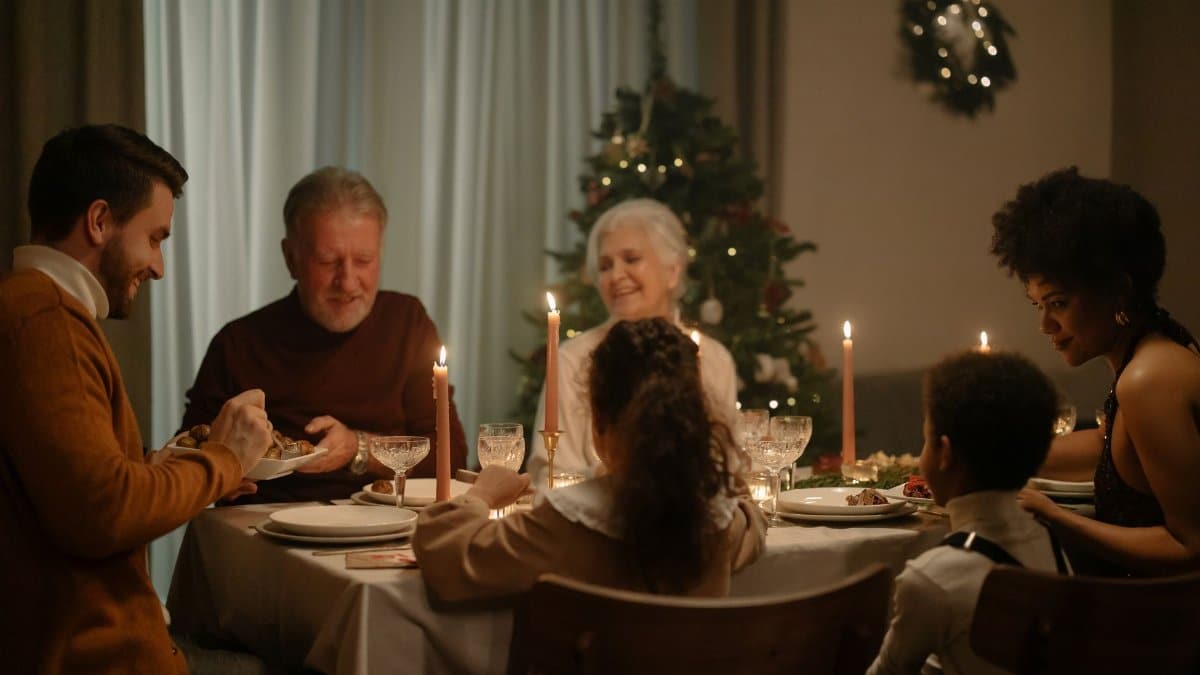
Measles elsewhere becomes measles here when people move. Winter holidays, summer weddings, and pilgrimages concentrate exposure. A relative who felt tired on the plane can be infectious at the dinner table before anyone names the illness. Families then face a choice that feels unfair: cancel a gathering, or accept a risk they cannot see.
Clinicians advise a plain precaution. Check records before travel. Infants who are old enough for an early dose in outbreak settings should be discussed with a pediatrician, not with a group chat. Adults born in years when one dose was the norm may need a second. None of this is dramatic. It is how a state keeps a modest tally from becoming another peak.
What clinicians want families to know
Pediatricians describe a disease that still surprises people who think of it as a mild childhood rash. High fever, cough, red eyes, and a rash that spreads can be followed by pneumonia or swelling of the brain. Pregnant patients face additional danger. Hospital care saves lives and cannot promise a light course.
The practical advice is old and still current. Call before you arrive if measles is possible, so a clinic can separate you from infants in the waiting room. Do not treat vitamin supplements or home remedies as substitutes for vaccine or for medical care. Ask for records in writing. If a clinician recommends immune globulin or a prompt vaccine dose after exposure, that recommendation is time sensitive. Hours matter more than opinions gathered online.
Congregations and the question of trust
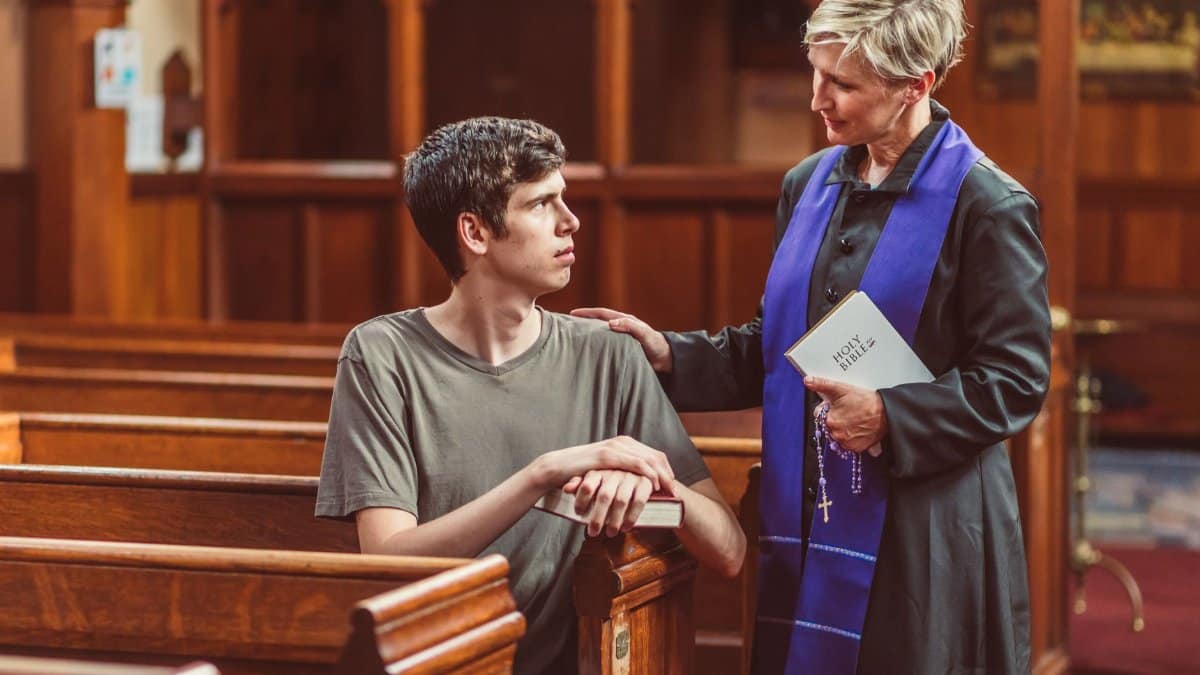
In a season when public argument has worn people down, many residents still listen to pastors, imams, rabbis, and lay leaders they have known for years. Houses of worship are also places where people sit close, sing, and share meals. That combination makes faith communities both vulnerable to spread and powerful as sources of calm information.
The useful role is not political. It is neighborly. A congregation that hosts a vaccine clinic after services, or that simply tells members where to confirm records, lowers the temperature. Leaders who acknowledge fear without amplifying rumor do work that health departments cannot do alone. Trust, once spent, returns slowly. Measles does not wait for that repair to finish.
The human cost beyond the case count
A chart that moves from 67 to 29 can look like progress and still hide weeks of fear. Parents miss work to isolate a child. Immunocompromised relatives rearrange medical appointments. A school loses instructional days not because of a blizzard but because of a virus that vaccines can stop. Those costs rarely appear beside the official total.
There is also the cost to memory. Younger physicians trained in an era when measles was rare. Each new cluster is a tutorial they should not have needed. Older nurses remember wards that filled before vaccine campaigns changed the country. Between those generations sits a public that has been asked, again, to treat a preventable infection as news.
Budgets, staffing, and a strained system

Contact tracing and outbreak control depend on people, not slogans. Local health departments have spent years covering respiratory seasons, lead hazards, maternal care, and vaccination outreach with staffs that did not grow in proportion to the task. A quieter measles year is a chance to rebuild, not a reason to cut the line item.
Laboratory capacity matters as much as posters. Fast confirmation separates measles from other rashes and lets exclusion decisions rest on evidence. When results lag, officials must act on caution, which is safer for disease control and harder on families. Investment in that unglamorous machinery is how a state stays below its recent peak rather than drifting back toward it.
The months ahead

Winter travel will test the calm. So will any pocket where immunization has slipped and a visitor arrives at the wrong moment. The national loss of elimination status sets a backdrop that Illinois cannot ignore, even with a better local year. Status is regained only when transmission stops long enough to meet the standard again. That work is collective.
Residents do not need panic. They need records, appointments, and a habit of taking fever and rash seriously. Illinois measles cases at 29 are a warning written in smaller digits than 2024, not a permission slip. The next number on that tally will depend less on headlines than on whether the unprotected get protected before the virus finds them.