
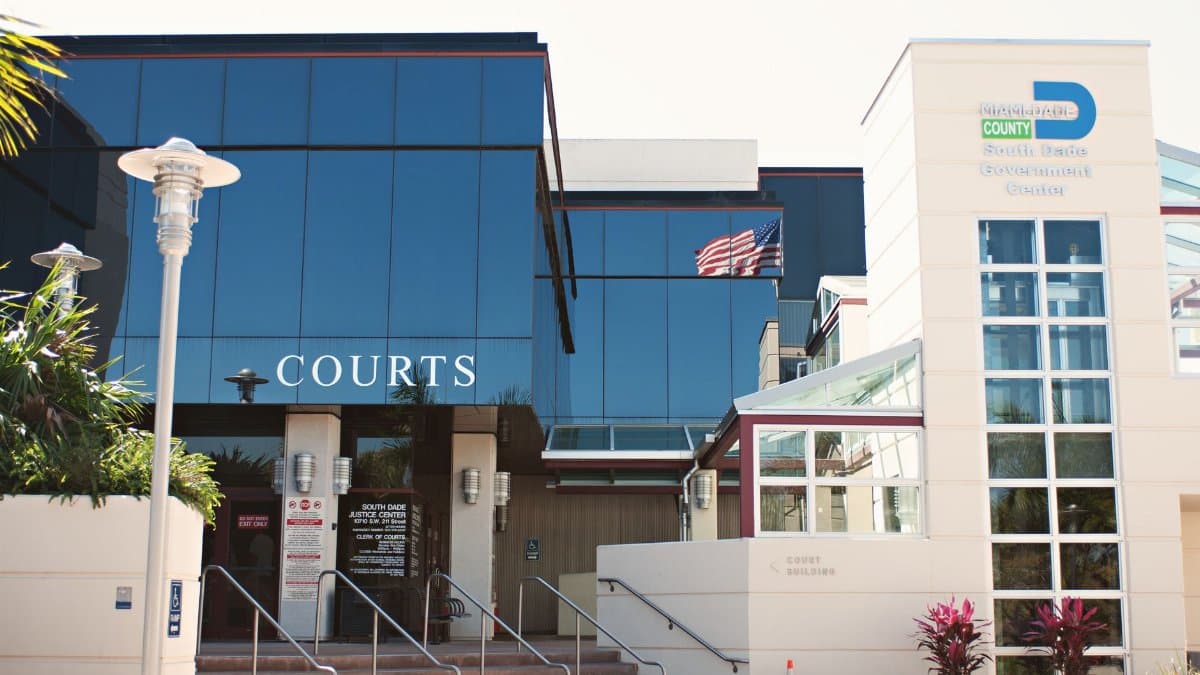
On a warm November morning in Homestead, county leaders gathered in a bus yard that did not exist a few years ago and treated the opening as a promise kept to the southern end of the county. The South Dade Transit Operations Center, a 250.6 million dollar facility, is now complete, built to house as many as 100 battery electric buses and equipped so crews can use it as an emergency command post when storms or other crises strike. For people who measure a workday by the bus schedule rather than by a garage at home, the ceremony mattered less as architecture than as a test of whether service will finally sit closer to the neighborhoods it is meant to serve.
A yard built for the far end of the county
Homestead sits at the southern reach of Miami Dade County, past farmland, new subdivisions, and the long commercial strips that carry commuters toward jobs farther north. For years, much of the machinery of the bus system lived elsewhere. Buses assigned to southern routes often began the day with a long deadhead trip, burning time and fuel before the first paying passenger stepped aboard. The new operations center is meant to reverse that geography. Maintenance bays, charging equipment, dispatch rooms, and employee facilities now sit in the community the fleet is supposed to serve.
County officials marked the completion in a brief reported by WLRN, which described the project as a 250.6 million dollar investment sized for a large electric fleet and for emergency command use. That pairing is unusual for a bus garage. It treats the building as both a daily workplace and a piece of civic infrastructure that can be pressed into service when the grid, the roads, or the weather fail.
What the price tag is buying

A quarter of a billion dollars is a large sum for any local government, and it invites a plain question: what, exactly, did residents purchase? They purchased land and buildings capable of storing, charging, and repairing a substantial electric fleet. They purchased space for drivers, mechanics, and supervisors who no longer need to start their shifts an hour away from the routes they cover. They also purchased a hardened place where emergency managers can gather radios, maps, and people if a hurricane or another disruption isolates the southern communities.
Whether that package is worth the cost will not be settled by a ribbon cutting. It will be settled by on time departures, by buses that actually charge overnight, by repair times that do not strand vehicles for weeks, and by a command function that works when it is needed rather than only when it is described in a press release.
Electric buses and the practical limits of a clean fleet
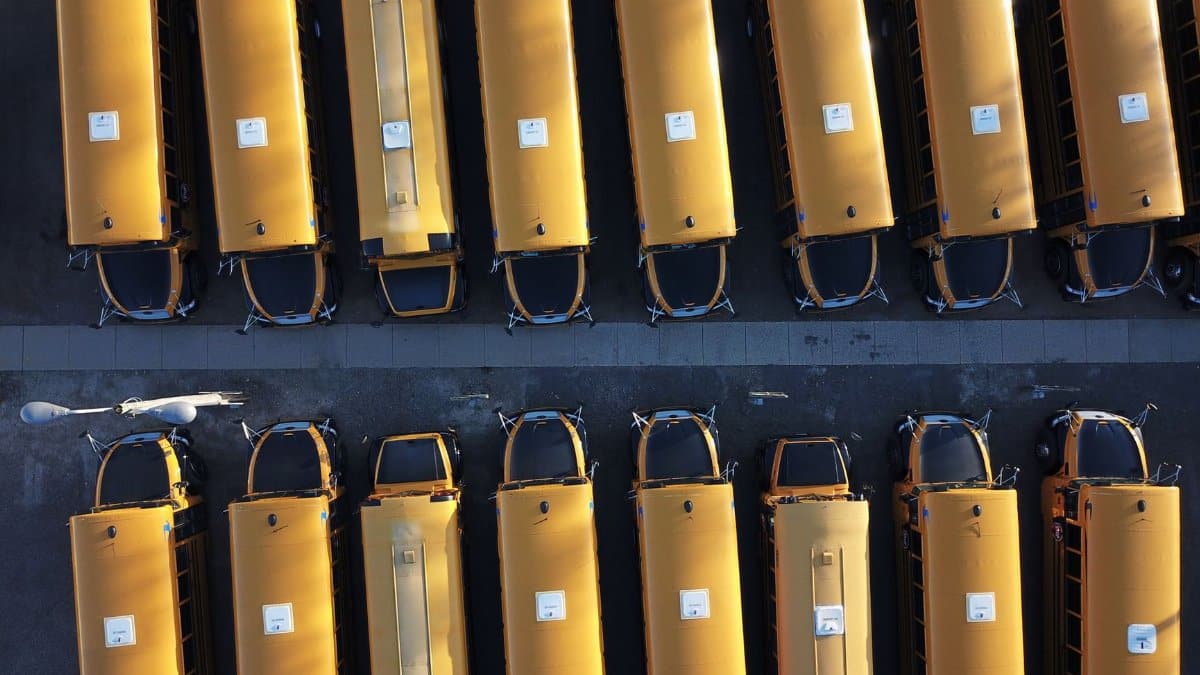
The center is designed for as many as 100 battery electric buses. That figure is a capacity, not a guarantee that 100 such vehicles will roll out of Homestead next month. Electric transit is a systems problem, not a vehicle problem. A bus is only as useful as the charger behind it, the utility connection feeding that charger, the spare parts on the shelf, and the mechanics trained to work on high voltage equipment.
Southern Miami Dade also presents a particular operating environment. Summer heat loads air conditioning hard. Some routes run long. Flooding can close streets after heavy rain. An electric bus that performs well on a short urban loop can struggle if the schedule, the terrain, and the charging window were planned for a different kind of day. The operations center gives the county a place to learn those limits close to the routes. It does not, by itself, erase them.
A second job as an emergency command post
The emergency role is the detail that lifts this project out of the category of ordinary fleet real estate. South Florida does not lack experience with hurricanes, prolonged power outages, or the scramble to move people who do not own cars. A command space inside a transit yard has a logic to it. Buses can be staged, drivers can be reached, and fuel or charging status can be known in the same building where officials are trying to decide which roads are passable.
That logic holds only if the building itself stays usable. Chargers do not help if the yard floods. Radios do not help if staff cannot reach Homestead. A command post that depends on the same fragile power and road network it is meant to manage needs backup power, clear access plans, and drills that happen before the season, not during it. Completion of the structure is the start of that work, not the end.
Riders who have waited on the southern routes
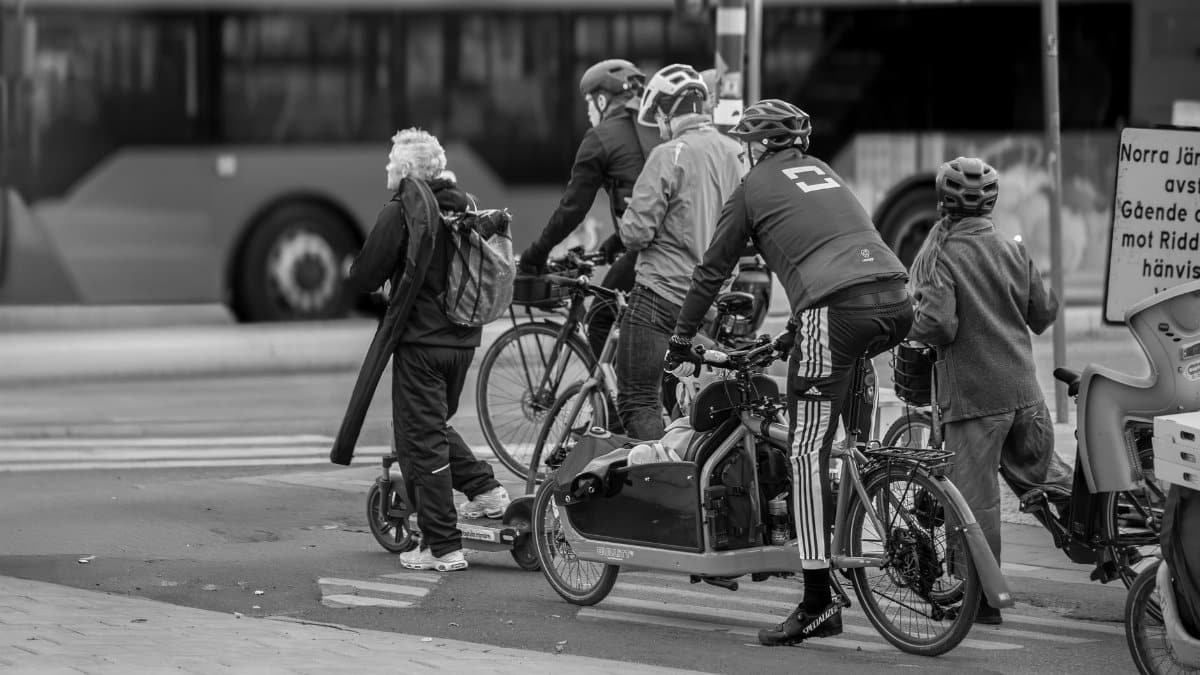
Transit debates in Miami often orbit downtown, the beach, and the rail corridors that draw national attention. The daily experience farther south is quieter and more stubborn. Shift workers, students, older residents, and families without a second car rely on buses that can be infrequent, late, or simply absent when a vehicle breaks down miles from its assigned route. A local base should shorten the distance between a failure and a fix. A bus that fails in Homestead can, in theory, be replaced by another bus that is already in Homestead.
Theory is the right word until schedules change. An operations center does not add frequency by magic. Frequency comes from vehicles in service, drivers on the payroll, and a political willingness to fund hours of operation that match how people actually live, including nights and weekends. If the new yard fills with buses that sit idle because there are not enough operators, the building will photograph well and serve poorly.
Jobs, training, and who gets hired

A facility of this scale is also an employer. Mechanics who can diagnose electric drivetrains are scarce. Dispatchers, cleaners, security staff, and supervisors will spend their workdays in Homestead rather than commuting to a garage in another part of the county. That shift can matter to a local economy that has often watched public investment land somewhere else.
It can also disappoint if hiring bypasses nearby residents. Training programs that start after the building is finished arrive too late for people who needed a path into the trades years earlier. The honest measure is not the number of jobs announced at a ceremony. It is the number of people from southern Miami Dade who hold those jobs a year later, at wages that cover rent in a county where housing costs have outrun many transit paychecks.
The corridor this building is meant to support

South Dade Transit is not only a garage. It is the name residents use for a promise that travel along the southern corridor will become more reliable, whether by bus, by a dedicated lane, or by some future upgrade that planners have debated for years. An operations center can support that promise by keeping vehicles close and ready. It cannot settle the larger argument about what kind of service the corridor deserves.
Dedicated lanes, signal priority, and frequent service change travel time in ways a new building cannot. Riders notice minutes, not square footage. If the county celebrates the yard and then leaves the same slow, traffic choked trips in place, the public will correctly treat the opening as an incomplete chapter.
Money, maintenance, and the years after the cameras leave

Capital projects have a spotlight. Operating budgets do not. Electric buses cost less to fuel in many cases and more to buy. Chargers fail. Tires, brakes, and doors wear out on any fleet, clean or not. The 250.6 million dollar figure, as reported in coverage of the Homestead opening, captures construction. It does not capture the annual cost of keeping 100 electric buses fit for service, nor the cost of the power those buses will draw.
Residents should ask, without cynicism and without naivete, where that operating money will come from. Fare revenue will not cover it. A building that cannot be staffed and supplied becomes an expensive shed. The celebration is justified only if the county has a plan for the unglamorous decade that follows the plaque.
Storm season as the first real exam
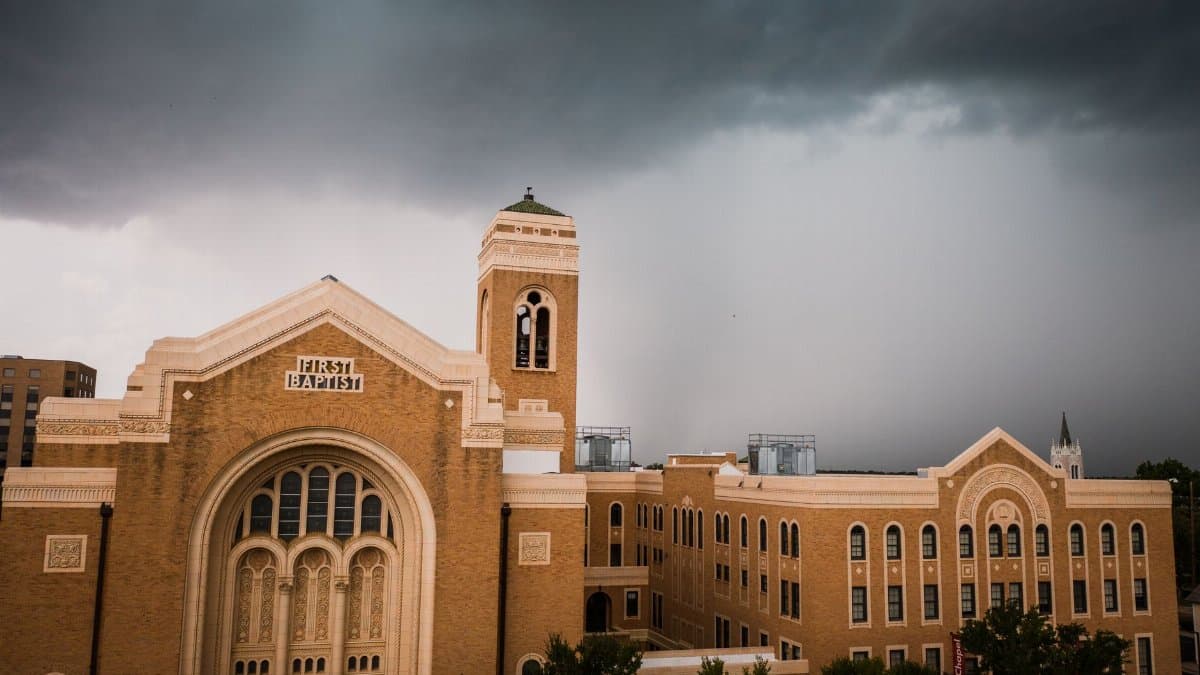
Homestead knows what wind and water can do. Any claim that this center can serve as an emergency command post will be tested by the next serious storm, or by a lesser event that still knocks out power and floods low roads. Officials should publish, in ordinary language, how the yard will be staffed, how buses will be moved out of harm, and how riders will learn whether service is running. A command post that the public cannot find, call, or understand is a command post in name only.
There is a civic habit in South Florida of treating preparation as a seasonal speech. The more useful habit is a checklist that names a person, a backup generator, a fuel or charging plan, and a way to reach people who do not speak English as a first language. The new building can host that habit. It cannot invent it.
What success would look like from a bus stop
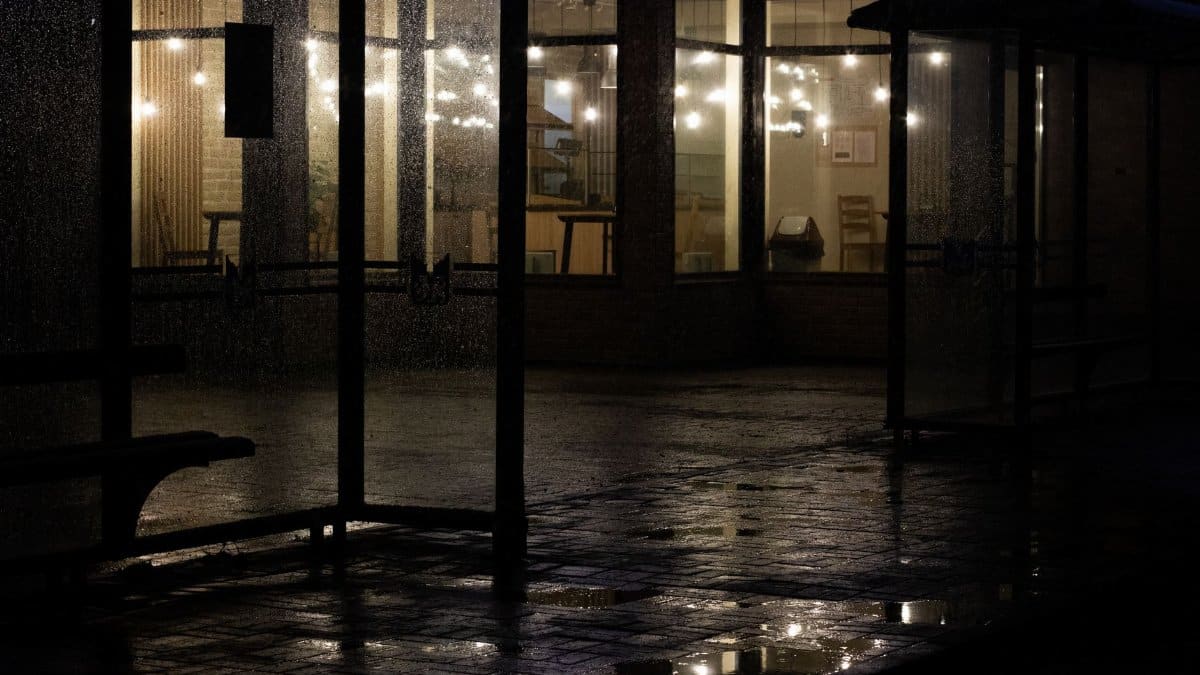
Success, seen from a bench on a South Dade road, is modest. The bus comes when the sign says it will. The air conditioning works. A breakdown does not end the trip. After a storm, service returns in days rather than in a vague promise of soon. Drivers start their shifts nearby and are not already exhausted by a commute of their own. Those are not visionary goals. They are the minimum a 250.6 million dollar operations center ought to make more likely.
I have stood at enough Florida bus stops to know that riders do not grade agencies on renderings. They grade them on whether they got to work. The Homestead yard will earn its praise if that grade improves, and it will deserve criticism if the only change is a newer place for the same old delays.
Questions the opening did not answer

Several practical questions remain open. How many battery electric buses will actually be assigned here in the first year, and on which routes? What happens to service if a charger bank fails on a Monday morning? How will the emergency function share space with daily maintenance when both are needed at once? Will night and weekend service grow, or will the new capacity mostly support the same daytime pattern?
None of these questions is an argument against the project. They are the questions a serious county asks in public, with dates attached. WLRN’s account of the completion gives the headline facts: the cost, the location in Homestead, the design for up to 100 electric buses, and the emergency role. The follow through belongs to the county commission, the transit agency, and the residents who will live with the result.
A southern investment that still has to earn trust

For a long time, southern Miami Dade has been asked to wait: for drainage, for hospitals, for roads, for a transit system that treats the area as more than the end of the line. The South Dade Transit Operations Center is a tangible reply. Concrete, chargers, and a command room are harder to dismiss than a study. They are also harder to walk back, which is why the county now owns both the credit and the obligation.
Trust will not come from another ceremony. It will come from buses that leave this yard full, charged, and on time, and from a building that still functions when the weather turns. Until then, the opening is a beginning worth noting, and a bill worth watching.