
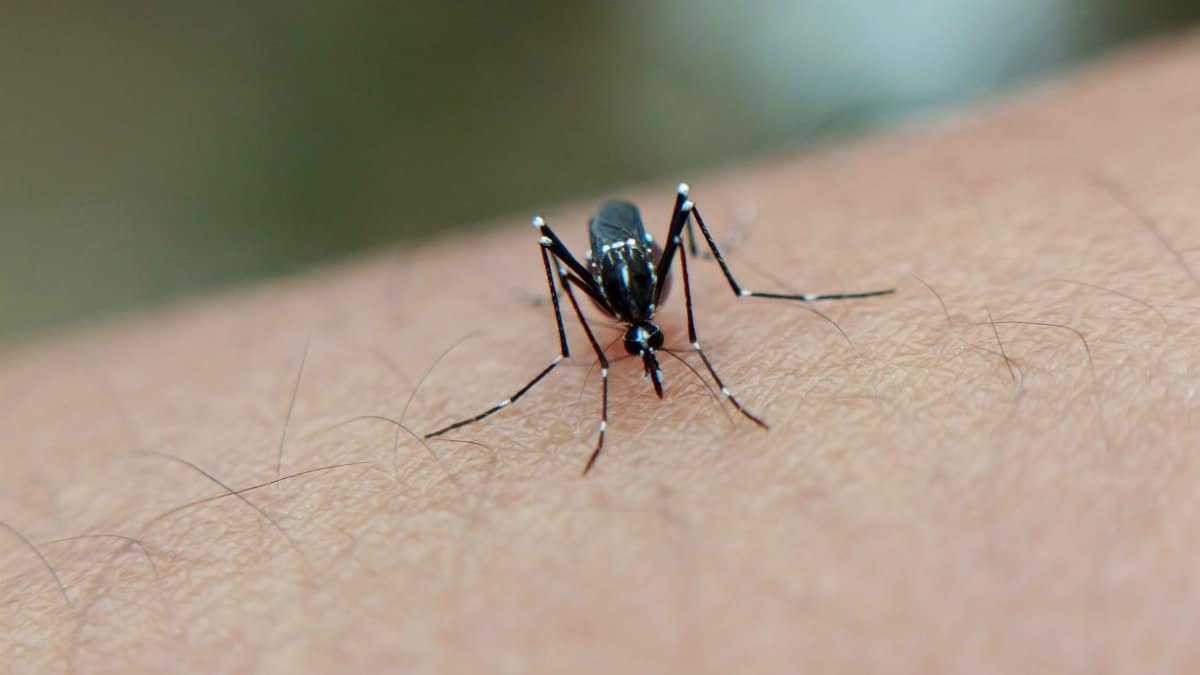
In the quiet neighborhoods of Longmont a resident recently became the focus of local health officials after contracting a mosquito transmitted illness. This marked the initial human instance of West Nile Longmont in Boulder County for the year 2026. The individual has since made a full recovery highlighting the importance of vigilance during summer months when insects thrive. Local authorities acted swiftly to confirm the diagnosis and inform nearby households about steps to reduce further exposure. Such cases remind communities that even familiar landscapes can present unexpected challenges from nature. Residents have responded with a mix of caution and resolve as they adapt daily routines to protect themselves and their families.
Tracing the Path of the Initial Diagnosis

Health departments in Boulder County received reports of unusual symptoms in the Longmont area during mid July. Laboratory tests quickly identified the virus responsible for the illness. Officials traced potential exposure sites near residential zones with standing water sources. This process involved interviews with the affected person and reviews of recent outdoor activities. The confirmation came as a surprise to many since prior years had shown lower activity levels. Teams from the county health agency coordinated with state experts to verify all details before public announcement. Their thorough approach helped build trust among neighbors who sought clear facts rather than speculation.
Community Reactions to the Announcement

News of the case spread through Longmont social networks and local gatherings within hours. Families discussed ways to adjust evening plans and outdoor time. Churches and community centers hosted informal sessions to share reliable updates from health sources. Many expressed relief that the resident had recovered fully yet remained aware of ongoing risks. Older adults in particular reviewed their habits around dusk when mosquitoes become active. The response reflected a steady commitment to collective wellbeing without panic.
Understanding Mosquito Habitats in the Region
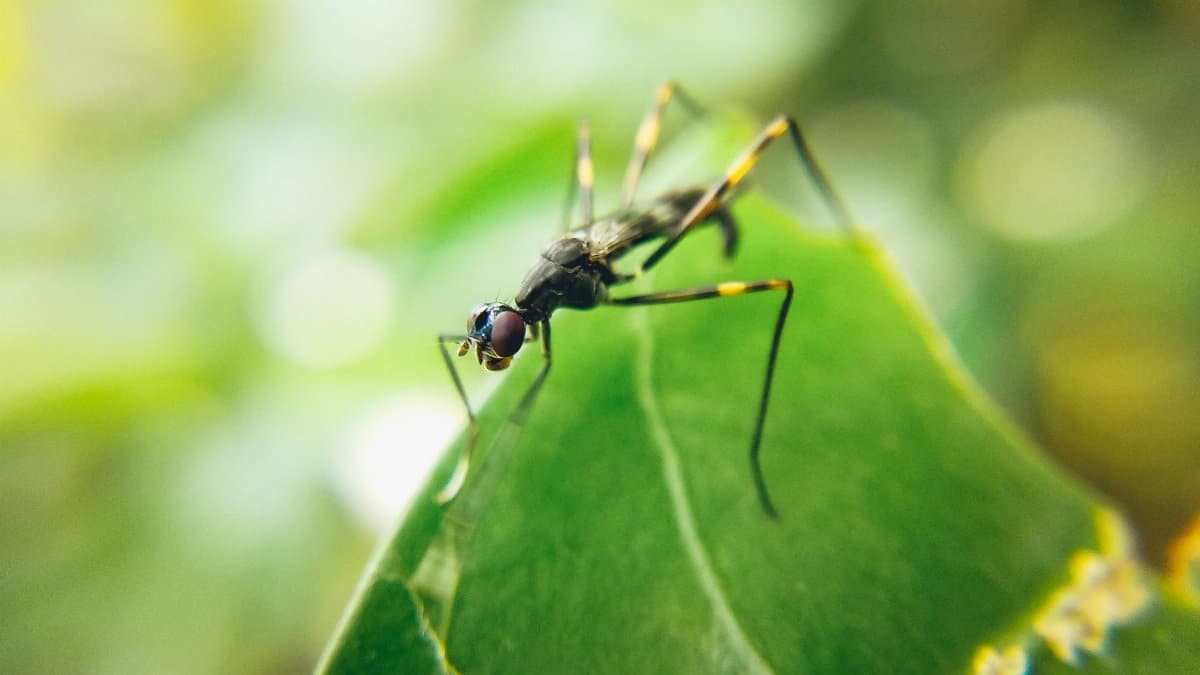
Longmont sits amid plains and waterways that support insect populations during warm seasons. Irrigation ditches and backyard containers often hold water where larvae develop. County workers have increased checks in these spots following the recent case. Property owners received guidance on emptying potential breeding areas weekly. Such measures form the foundation of control efforts that have proven effective elsewhere in Colorado. Continued monitoring helps limit the spread before numbers grow large.
Recovery Journey of the Affected Resident

The Longmont individual experienced typical signs including fatigue and fever before seeking medical care. Treatment focused on rest and hydration under physician supervision. Full recovery occurred over several weeks allowing a return to normal activities. Stories like this underscore the value of prompt attention to symptoms. Medical staff noted that most people overcome the infection with supportive care alone. The experience left the person more attuned to environmental cues in daily life.
Broader Patterns of Virus Activity Across Colorado

State records show variations in human cases from one summer to the next. Factors such as rainfall and temperature influence mosquito numbers and virus transmission. Boulder County has maintained surveillance programs that compare current data with past seasons. These efforts allow for timely adjustments in public messaging. Neighboring areas have reported similar isolated instances prompting shared resources among agencies. Awareness remains a key tool in managing expectations and preparedness.
Preventive Steps for Households and Neighborhoods

Simple actions can lower individual risk during peak season. Screens on windows and doors keep insects outside. Protective clothing and approved repellents offer additional layers during outdoor work or leisure. Community wide cleanups target neglected lots and drainage areas. Longmont groups have organized volunteer events to support these initiatives. Consistent application of such practices builds resilience over time.
Role of Local Faith Groups in Health Awareness
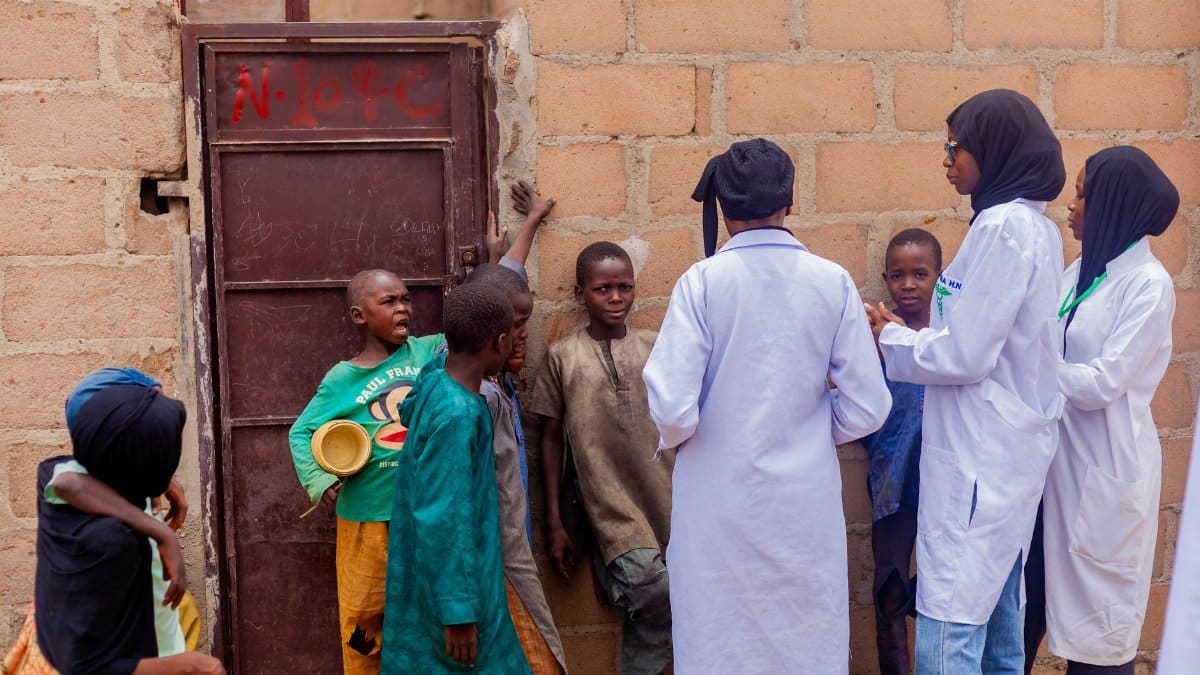
Churches in the Longmont vicinity have incorporated health topics into weekly messages. Pastors highlight stewardship of body and community as part of spiritual practice. Informational tables after services provide materials from county sources. These gatherings foster dialogue on balancing faith with practical caution. Participants report feeling more connected and informed through these efforts.
Looking Ahead to Future Seasons

Officials plan expanded education campaigns before next summer arrives. Data from the current year will guide resource allocation and training. Residents are encouraged to report unusual insect activity through established channels. Sustained attention can reduce the likelihood of additional cases. The episode in Longmont serves as a reminder that proactive habits protect shared spaces.