
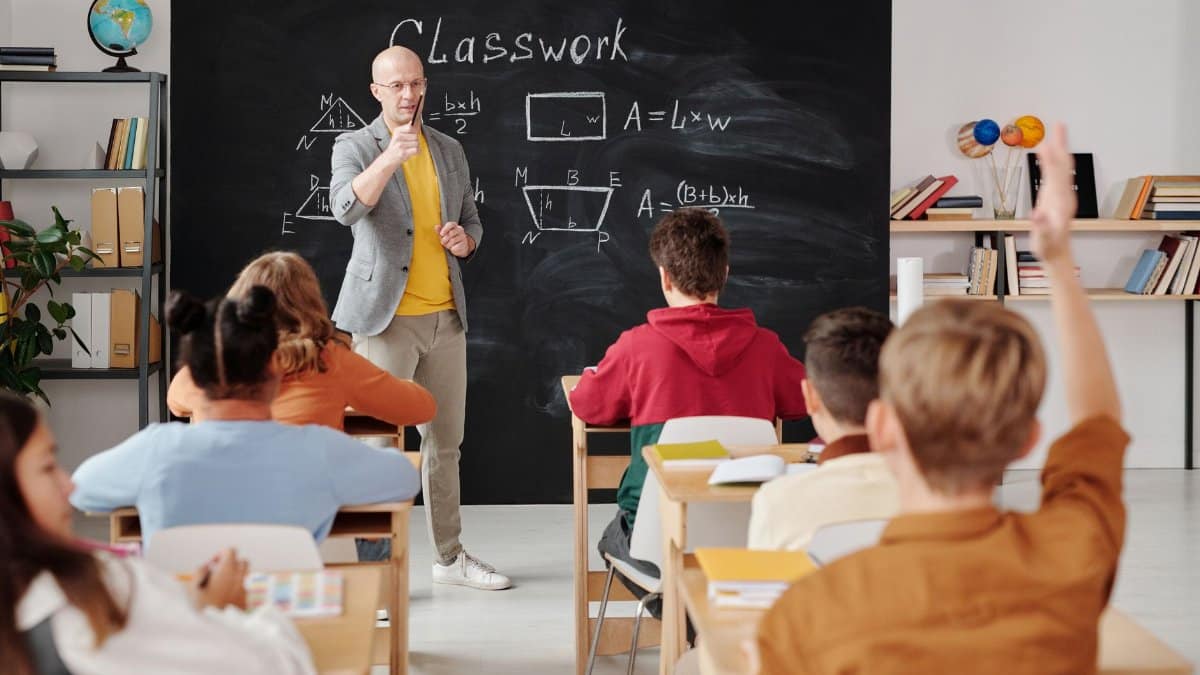
On a weekday morning in a converted storefront, a dozen students sit at mismatched tables and argue, politely, about how a bridge should hold weight. There is no bell. The teacher knows each child’s reading pace and which one will shut down if the room gets loud. Scenes like this are easier to find as Florida microschools multiply beside the state’s expanded voucher system, drawing families who want a school small enough to notice when a child is lost and flexible enough to change the plan before lunch.
A classroom that can hear one child
Microschools are not a single model. Some enroll fewer than fifteen students in a home or church hall. Others rent a suite in a strip mall and grow toward a hundred. What they share is scale. The adult in the room is supposed to know the students as people, not as rows on a roster. For families who spent years in meetings about accommodations that never quite arrived, that promise can feel more concrete than another revised plan on district letterhead.
The pitch is fit. A child who reads far above grade level in science and far below it in writing does not have to move at the pace of thirty classmates. A student who needs movement, quiet, or a later start can sometimes get those conditions without a formal fight. Whether the promise holds depends on the adults, the money, and the honesty of the school about what it cannot do.
What the 2023 voucher expansion actually did

Florida has experimented with scholarships for decades, first for students with disabilities and then for lower income families. In 2023, lawmakers passed House Bill 1 and opened the Family Empowerment Scholarship to students regardless of household income, with priority rules that still matter when demand exceeds funded seats. The practical effect was simple to describe and hard to measure. Public money, routed through scholarship funding organizations, could follow a child into a private setting that would never have cleared a district budget hearing.
That change did not invent Florida microschools. It made more of them financially imaginable. Tuition that once required a second income, a grandparent, or a church subsidy could be offset by a scholarship pegged, in broad terms, to a share of what the state spends on a public school student. Exact award amounts shift with appropriations and program rules. Families who treat a blog post as a price list will be disappointed. The scholarship organizations publish the current figures, and those figures are the only ones that count at enrollment.
Who is walking in the door

The families are not a monolith. Some are leaving large campuses after years of bullying, anxiety, or a sense that their child had become a behavior problem rather than a student. Others never enrolled in a district school at all. Homeschool parents sometimes join a microschool for two or three days a week so a child can have peers and a parent can work. Military families and families who move for seasonal work look for a place that can absorb a midyear arrival without a semester of lost credit.
Income still shapes the choice, even under a universal label. A scholarship may cover tuition and leave uniforms, therapy, transportation, and after school care unpaid. A parent who can drive across a county at 8 a.m. has a different menu than a parent who works a shift that starts at 7. Universal eligibility is not the same thing as universal access.
Students who learn differently
The sharpest demand often comes from families of students with dyslexia, autism, attention disorders, or anxiety that made a crowded hallway feel impossible. Small settings can reduce sensory load and allow a teacher to repeat an explanation without an audience. Some microschools hire specialists. Many do not. A warm room is not a clinical program, and parents who need speech therapy, occupational therapy, or a formal evaluation still have to assemble those pieces themselves.
That gap is the honest part of the sales pitch, when schools are willing to say it. A microschool can be excellent at relationship and pacing and still be the wrong place for a child who needs a nurse, a behavior analyst, or a highly structured reading method delivered by a trained specialist every day. Fit cuts both ways. The family that feels rescued in September can feel stranded in January if the school quietly expects the parent to supply the expertise.
Teachers outside the district ladder

Staffing is the constraint that brochures skip. Some founders are certified teachers who left district jobs because they wanted fewer students and fewer mandates. Others are career changers with deep subject knowledge and little training in how children learn to read. Florida private schools operate under a different set of rules than district campuses. Parents should ask who is in the room, what preparation that person has, and what happens when that person quits in October.
Pay is often modest. Benefits may be thin. The same intimacy that attracts teachers can exhaust them, because there is no departmental hallway to absorb a hard week. A school of twelve students does not have a substitute pool. When the lead teacher is ill, the model is the parent text thread. That fragility is not a moral failing. It is arithmetic.
Money, tuition, and the fine print

Voucher dollars do not erase the business problem. Rent, insurance, curriculum, background checks, and a livable wage have to come from somewhere. Schools that look inexpensive may be subsidized by a church, a donor, or unpaid founder labor that will not last. Schools that look expensive may be charging for services the scholarship does not cover, including therapies and field study that families assumed were included.
Parents should read the withdrawal policy before they celebrate an acceptance. Midyear departures can leave a family hunting for a seat in a district that has already set classes, or in another private school that is full. Scholarship timing matters too. A delayed payment can put a small operator in a cash bind that a district payroll office would barely notice. Scale has costs. It also has shock absorbers.
Quality without a common yardstick
Accountability is the argument that will not go away, and it should not. District schools publish test results, graduation rates, and staffing data that journalists and parents can compare, however imperfectly. Many private microschools do not. Some use portfolio reviews and narrative reports that tell a richer story about a single child and almost nothing about whether the school, as a school, is working. Others give standardized tests and share them only with the family.
Florida microschools sit in that uneven light. A parent can visit, watch a lesson, and talk to other families. That due diligence is real, and it is also biased toward people with time, transportation, and the confidence to ask blunt questions. The state can require financial reporting and basic health and safety rules without pretending that a twelve student school should be judged by the same dashboard as a comprehensive high school. What it cannot honestly do is call the sector transparent while the evidence lives in group chats.
Borrowed rooms and borrowed legitimacy
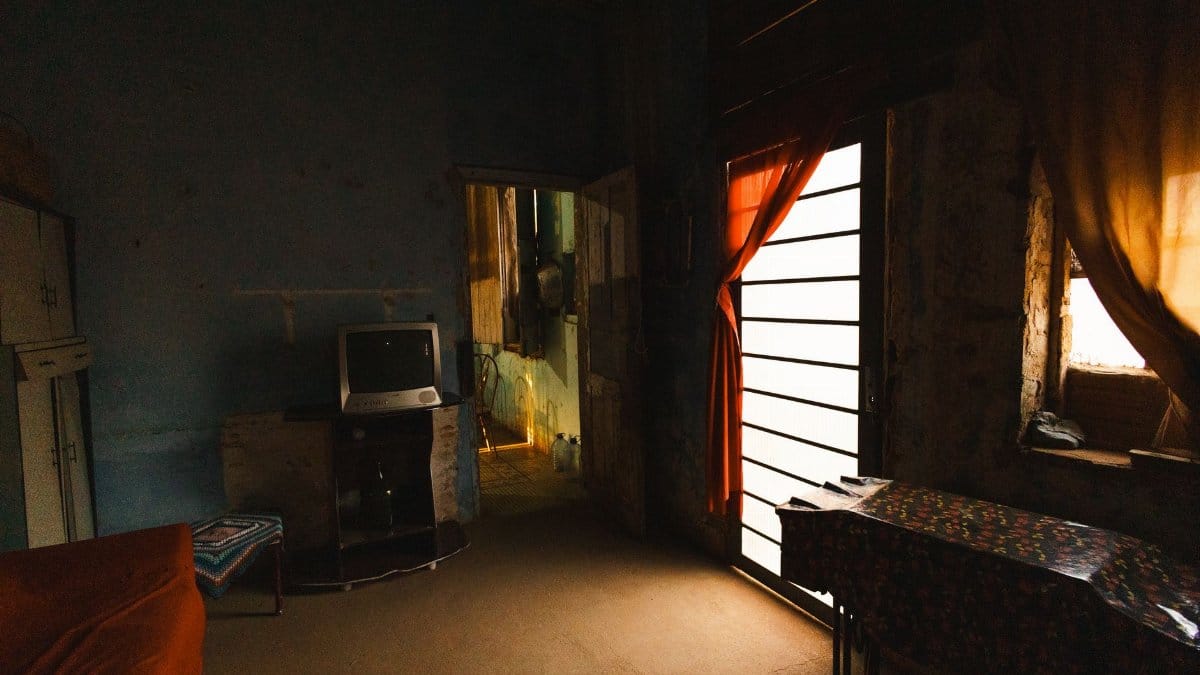
Look at the real estate and you see the movement’s practical theology of space, if theology is not too strong a word. Sanctuaries become classrooms on Tuesday. Empty retail bays get whiteboards. A park pavilion counts as the science lab when the weather holds. Some of these rooms are cheerful and safe. Some are cramped, poorly ventilated, or one inspection away from a problem. Location is not a trivial detail for families weighing a long drive against a neighborhood district school that is free at the point of use and already on the bus route.
Community use of church buildings does not make the school a congregation, and a secular microschool in a borrowed hall should say so plainly. Families choosing for faith have options in Florida’s private sector that long predate this wave. Families choosing for size should not have to accept a doctrinal package they did not ask for. The lease terms belong in the parent handbook, not in a shrug.
What districts are watching

Enrollment shifts are no longer theoretical in parts of the state where scholarship use is high. Districts still educate the large majority of Florida children, including students with the most intensive needs and students whose families never hear about a microschool. When easier to serve students leave, the students who remain can be more expensive to educate, and the political case for district funding gets harder in the same legislative session that expanded choice.
Some district leaders respond with their own smaller programs, magnet seats, or virtual options. Others argue, with cause, that they cannot match a private school’s ability to counsel a student out. Choice that includes the right to exit also includes the right of a private school to decline. That asymmetry is legal. It is also the reason public systems remain the backstop, including for Florida microschools alumni who return after a mismatch.
Parents who stay and parents who come back
The return trip is the part of the story that marketing omits. A child thrives for a year and then needs a chemistry lab, a sports team, or a counselor the microschool cannot hire. A family loses the car that made the commute possible. A founder burns out and closes in May. None of those endings proves the experiment was a mistake. They do argue for records that travel, for clear transcripts, and for district reentry that does not treat the family as a defector.
I have sat in enough parent meetings, as a reporter and as a neighbor, to distrust both slogans on offer. Small is not automatically kind, and large is not automatically neglectful. The useful question is narrower. Does this child, this year, have adults who can teach the skills that are actually missing, in a room the child can tolerate, at a cost the family can sustain if the scholarship rules change?
Built around fit, not around scale

Florida’s wager is that variety will do what uniform systems did not. Microschools are the most literal version of that wager, because they can redesign a day around a handful of students instead of around a bell schedule inherited from a factory era. The wager only pays if variety includes quality, if public money comes with enough daylight to spot failure, and if the children who never leave the district are not treated as the remainder.
A bridge built from craft sticks either holds or it does not. Schools are less tidy. Florida microschools will keep opening in spare rooms as long as scholarships, founders, and dissatisfied parents line up. The ones worth keeping will be the ones that can say, without varnish, who they serve, who they cannot, and what a child will know how to do when the year is over.