

On a gray November morning in downtown Fort Worth, the marble steps of the county courthouse looked the same as they had the week before. The politics inside them did not. After years of treating this stretch of North Texas as a reliable Republican redoubt, Tarrant County Republicans woke to a result that many leaders had spent the fall insisting would not arrive: defeat in every contested countywide race on the ballot. The loss was not a single upset. It was a sweep, and it left the party arguing with itself before the yard signs had even come down.
A county that stopped behaving as expected
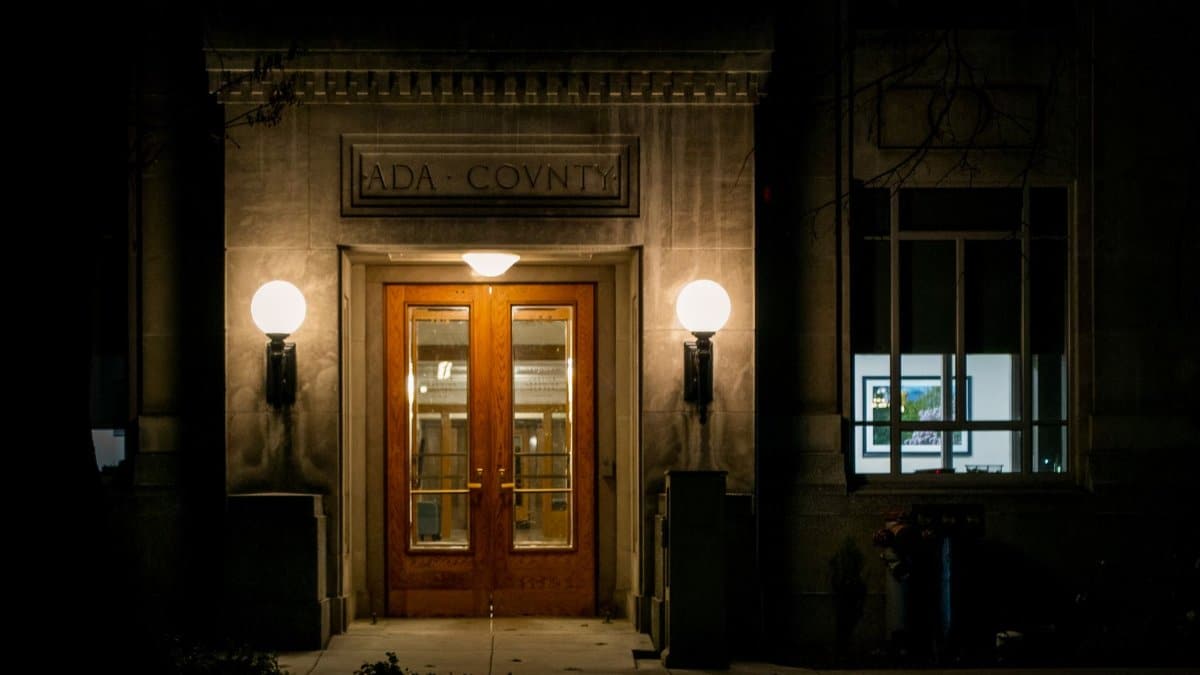
Tarrant County sits between the Democratic strength of Dallas County and the still Republican terrain farther west. For a generation, that middle ground produced Republican judges, a Republican sheriff, and a commissioners court tilted to the right. Growth changed the math. New residents filled Arlington, Mansfield, and the northern suburbs. Younger voters and a more diverse electorate narrowed margins that once looked comfortable.
According to reporting by the Texas Tribune, Republicans lost all 17 contested countywide races in the midterms. That is not a protest vote in one courtroom. It is a rejection across the ballot, from the offices voters barely notice to the ones that set jail policy and tax rates. Campaigns can survive a bad night. Parties have a harder time explaining a shutout.
Matt Krause and a court that flipped

The most visible survivor of the old order is Commissioner Matt Krause, now sitting in the minority on a court his party once dominated. Minority status is not symbolic. Agenda control, committee assignments, and the quiet deals that move road projects and budget lines all shift when one more vote is gone. Krause can object. He cannot, by himself, set the county’s direction.
Allies describe him as a conservative who still believes the county can be won back with a sharper message on crime, taxes, and schools. Critics inside the party say that message already had its test and failed to move enough suburban households. Both camps are talking past the same fact: one commissioner does not restore a governing majority.
Finger pointing that arrived on schedule

Defeat has a familiar script in local parties. One faction blames the candidate. Another blames the consultants. A third blames the national climate and asks why anyone expected a county race to outrun a bad year. In Fort Worth those arguments started before final canvasses were certified.
Social conservatives argue that the party sounded cautious when it should have sounded certain. Business oriented Republicans answer that certainty, delivered as culture war, is exactly what pushed moderate voters toward Democrats who promised competence and lower drama. Neither side has produced a precinct map that fully vindicates its theory. Both have produced enough anecdotes to keep the fight alive through the next club meeting.
What the shutout does and does not prove

A sweep invites exaggeration. It does not prove that every Republican voter in the county has changed parties. It does prove that, in the races that were actually contested, the Republican share of the vote was not enough to win a single countywide office. Ticket splitters still exist. They simply did not split in the direction Republican strategists needed.
Down ballot races are often decided by habit. When habit breaks across 17 contests, the problem is larger than a weak speech or a late advertisement. It suggests a brand problem: a share of voters who once defaulted to the Republican line no longer do. Rebuilding a default takes more than one cycle of mailers.
Suburbs, turnout, and the quiet middle
County elections are won in places that do not trend on social media. They are won in precincts where a few hundred households decide whether to show up. Organizers on both sides describe the same pattern from this midterm: Democratic turnout held in neighborhoods that have been moving left for years, while Republican enthusiasm sagged among voters who are conservative on taxes and uneasy about the party’s tone.
Those voters are not activists. They are nurses, warehouse managers, and small business owners who will vote Republican again if the choice feels practical. They will also stay home, or vote the other way, if the local party looks more interested in internal purity tests than in roads, courts, and public safety. Soul searching that ignores them will stay theoretical.
Message fights inside the same tent

The argument over message is really an argument over who the party is for. One wing wants nominees who sound like talk radio. Another wants nominees who can win a chamber of commerce lunch and a church picnic on the same Saturday. In a county this large, both events matter, and they do not always want the same sentences.
National politics leaks into those rooms whether local chairs invite it or not. When a county party is defined by fights that begin in Washington, local candidates inherit the baggage and little of the money. Tarrant County Republicans have not settled whether they are a governing party that happens to be conservative or a movement that happens to hold, or recently held, county offices. Until that settles, every primary will double as a referendum on tone.
Organization is less glamorous than blame

Parties like to talk about vision. Elections are often decided by lists. Who knocked on the door. Who had a current phone number. Who knew which precincts were slipping six months before November, not six days after. Several Republican activists, speaking in the weary tone of people who have stuffed envelopes, say the infrastructure lagged the county’s growth. New subdivisions appeared faster than precinct chairs.
Democrats, for their part, spent years treating Tarrant as winnable rather than symbolic. That is not a miracle. It is repetitive work: voter registration, judicial slates, and a willingness to contest offices that once drew a single name. Matching that work is available to anyone with volunteers and a calendar. It is less satisfying than a press conference about betrayal.
Courts, budgets, and daily power

County government is unromantic, which is why sweeps matter. Criminal courts set the pace of justice. The sheriff runs the jail. Commissioners decide how property taxes meet the cost of growth. A party shut out of those offices does not merely lose prestige. It loses the ability to show voters what conservative administration looks like in practice.
That absence cuts both ways. Democrats now own the results. If courts bog down, if budgets swell without visible service, the same suburban middle that flipped can flip back. Republican strategists who are honest about this midterm are already watching those performance tests. Anger is a weak platform. A record, even a record built in opposition, can be stronger.
The minority commissioner problem

Krause’s position is awkward in a way textbooks rarely capture. He is the most prominent elected Republican left at the countywide table of power, which makes him a symbol whether he asks for the role or not. Symbols get blamed for losses they did not cause and credited for recoveries they cannot deliver alone.
If he legislates as a lone dissenter, he can define contrasts. If he bargains, he can claim scraps of influence and infuriate activists who treat any compromise as surrender. Local parties often demand both purity and victories. A minority commissioner cannot mint either on demand. The next two years will show whether his colleagues in the party want a spokesman or a strategist.
Primaries as the next battlefield

Before Republicans can contest Democrats again, they will contest one another. That is the ordinary sequence, and it is also the risk. A primary settled by the most intense voters can produce nominees who thrill a club and struggle in a general election. A primary settled by donors can produce the opposite complaint. Tarrant has room for both mistakes.
The useful question is narrower. Which precincts abandoned the party, and which never arrived. Campaigns that cannot answer that with numbers will answer it with villains. Villains are easier to name than precincts are to win back.
A party between memory and map

Memory says this county is Republican. The map from this midterm says memory is late. Between those two facts sits the actual work: recruiting candidates who can speak to growth without sneering at the people who created it, funding year round organizing, and accepting that a brand damaged in public has to be repaired in public.
Tarrant County Republicans are not the first local party to discover that demography and tone can move together. They will not be the last to respond with soul searching that is half serious and finger pointing that is wholly human. The county will not wait on the argument. Ballots do not grade effort. They record whether a party, stung and divided, can still ask for power in a voice voters trust.