
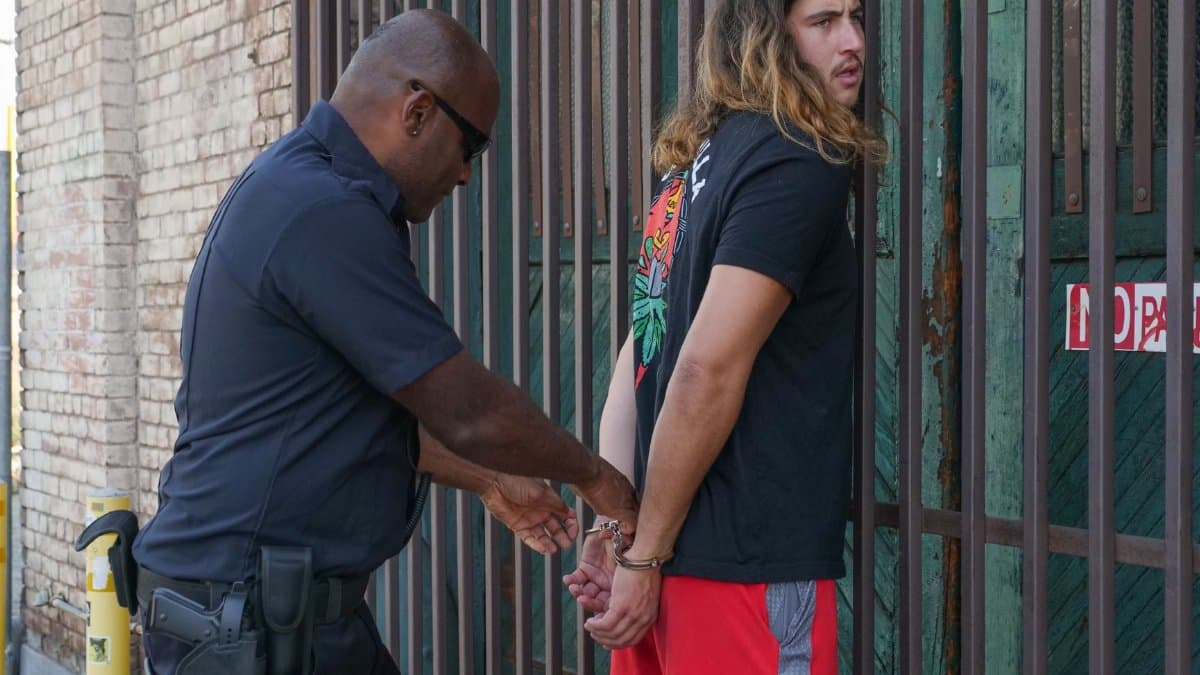
In the quiet hours before commuters filled Highway 101, phones began to light up across Petaluma, Santa Rosa, and Sebastopol. Advocates with the North Bay Rapid Response Network said federal agents had taken more than a dozen people from neighborhood streets. The reports, still incomplete as families tried to locate relatives, landed in a region where immigration enforcement has become a recurring civic argument rather than a distant federal abstraction. Sonoma County ICE arrests, as described by those advocates, did not arrive as a single dramatic raid on a workplace. They arrived as a scatter of early morning stops, a pattern that leaves neighbors comparing notes and wondering who will not come home for dinner.
What the network says it witnessed
The North Bay Rapid Response Network, a volunteer coalition that fields calls when residents believe immigration agents are nearby, said the arrests unfolded before dawn on Friday in three cities that sit close together but feel distinct in daily life. Petaluma has its river and its agricultural edges. Santa Rosa is the county seat, larger and more urban. Sebastopol carries a smaller town rhythm, with orchards and downtown shops within a short drive of one another. Advocates said agents were on ordinary streets, not at a single factory gate, and that the people taken were swept up in that dispersed way.
Those claims have not been matched, in public, by a detailed federal roster naming each person and each location. That gap is familiar. Enforcement actions often become public first through family members, clergy, and hotline volunteers, and only later, if at all, through official summaries that list numbers without stories. Until a fuller accounting appears, the most precise public description remains the one advocates are offering: more than a dozen people, three communities, a morning that started in the dark.
A county that already knows this argument
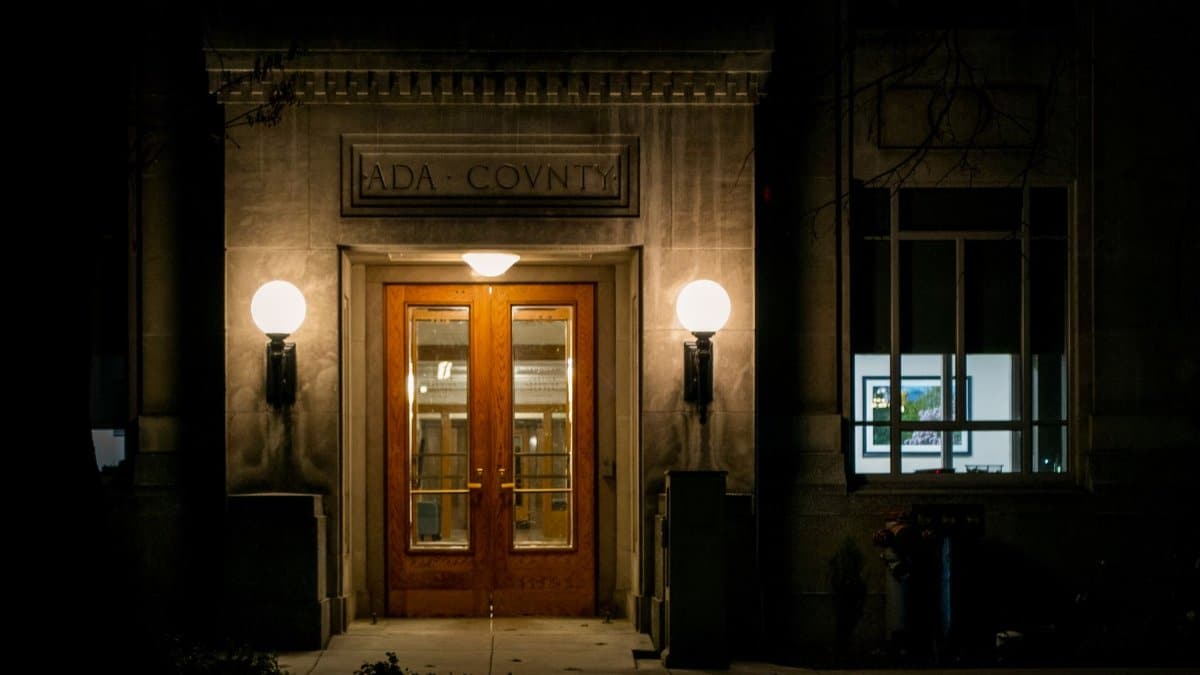
Sonoma County has spent years negotiating its relationship to federal immigration authority. Vineyards, construction sites, restaurants, and care work depend on people whose legal status is mixed within households and sometimes within a single payroll. Local leaders have argued, at different moments, about jail cooperation, about what sheriffs should share, and about how loudly a county can dissent from Washington without pretending federal power stops at the county line.
Residents who have lived through earlier waves of enforcement hear Friday morning as a continuation, not a novelty. Parents remember school drop offs interrupted by rumors. Employers remember shifts that thinned without explanation. The particular geography changes. The emotional arithmetic does not. Someone is missing, and the people left behind must decide whether to go to work, whether to open the shop, and whether to answer the door.
How a rapid response call actually travels

Networks like the one in the North Bay are built less like law firms than like phone trees with legal training attached. A resident sees unmarked cars or hears a knock. A dispatcher logs a location. Volunteers try to confirm whether the people in the street are federal agents, local police, or someone else entirely. Lawyers may be alerted. Clergy sometimes arrive simply to stand in public view, on the theory that witnesses change the temperature of an encounter even when they cannot stop it.
That model has limits, and honest organizers say so. A volunteer with a phone cannot compel an agent to produce a warrant on the sidewalk. A hotline cannot always reach a person who has already been placed in a vehicle. What the network can do is compress rumor into a record: time, cross street, number of people, names if families are willing to share them. In the hours after Sonoma County ICE arrests are reported, that record becomes the raw material for news, for legal intake, and for the quieter work of finding children who were left with a neighbor.
Streets rather than a single workplace
Workplace raids occupy a particular place in American memory, with cameras at a factory entrance and a single employer in the frame. Street arrests distribute the shock. A person can be taken near a bus stop, outside an apartment, or on the way to a job that starts before sunrise. Neighbors may see only a brief struggle or nothing at all. The absence of a crowd does not make the event smaller for the household involved. It can make it harder for the rest of the county to agree on what happened.
Advocates argue that this dispersed style is precisely why early witness networks matter. If each stop is brief, the only way to see a pattern is to stitch separate calls together before the morning commute erases the scene. Critics of those networks counter that volunteers sometimes misidentify local police activity, or inflate numbers in the first chaotic hour. Both cautions can be true at once. Early counts deserve skepticism and also deserve follow up, because silence from official channels is not the same thing as proof that nothing occurred.
Families sorting the rest of the day

The practical aftermath is rarely abstract. Rent is still due. A shift supervisor still expects a body on a line. School attendance offices still mark a child absent if no one calls. In mixed status families, the person with citizenship or permanent residence may be the one left to navigate courts, consulates, and the simple problem of a car parked on a street with the keys gone. Immigration cases move on timelines that do not match a Friday grocery list.
Community groups in the North Bay have long tried to fill that gap with rides, food, and referrals. The help is real and also uneven. A well connected congregation can mobilize in an afternoon. A newer arrival who knows no one in Sebastopol may spend the day alone with a phone that no longer rings. The inequality of aftermath is part of the story, even when the arrest tally is the only number that makes a headline.
Faith communities and a moral vocabulary

Because so much of the first response runs through churches, synagogues, and interfaith coalitions, the argument in Sonoma County often borrows religious language even when the speakers are not clergy. Sanctuary, neighbor, stranger: these words carry weight in a county where Sunday services and vineyard seasons share the same calendar. Some pastors frame enforcement as a failure of hospitality. Others in the same pews frame it as a matter of law that compassion cannot rewrite.
That tension is not resolved by a single dawn. It is restated every time a rapid response text lands in a parish group chat. People who disagree about policy still recognize the scene: a kitchen table with one chair empty, a child asking a question no volunteer script fully answers. Spiritual leaders who show up on sidewalks are not, in most cases, claiming to adjudicate immigration statutes. They are claiming that the public has a right to see how federal power looks on an ordinary block.
What local government can and cannot promise
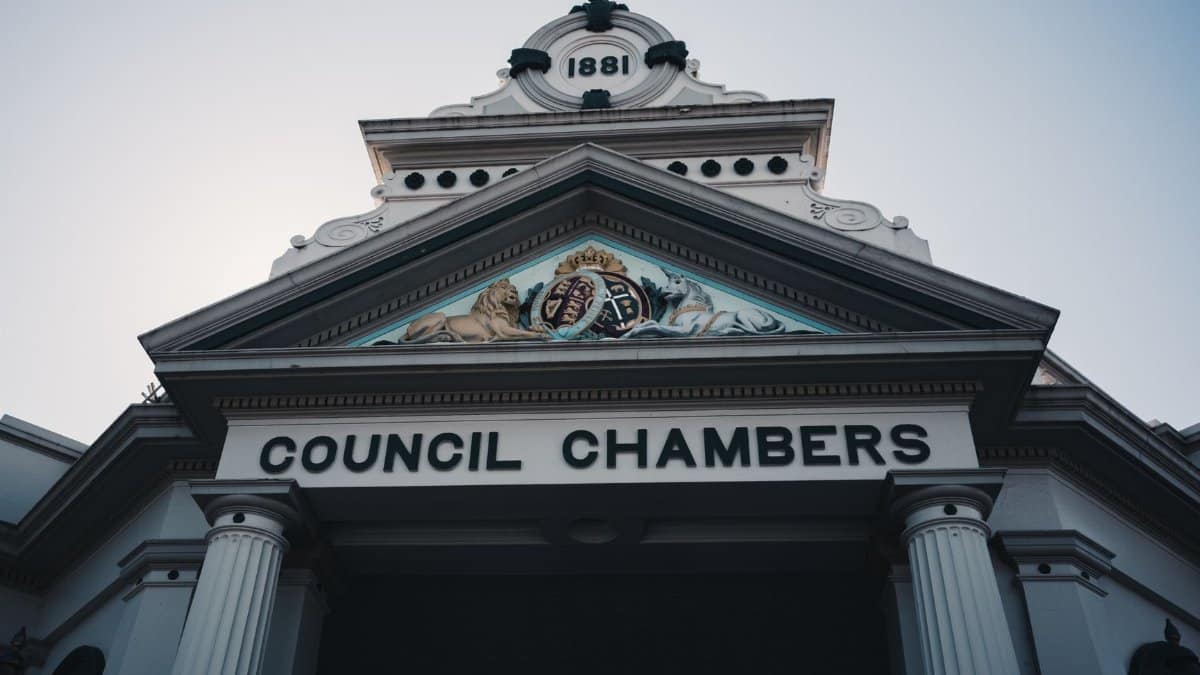
County supervisors and city councils can set budgets, pass resolutions, and instruct their own departments about cooperation. They cannot nullify federal arrest authority on a public street. That legal fact frustrates activists who want a brighter line, and it frustrates residents who hear local rhetoric as either too defiant or too timid. The practical question after a morning like Friday is narrower. Did any local officer assist, stand by, or simply arrive later to manage traffic and confused neighbors? Those details matter, and they are knowable if agencies answer them plainly.
Journalists and residents alike should separate three layers that often get collapsed in argument. One layer is federal enforcement policy set far from Santa Rosa. A second is local cooperation, which is a choice with records. A third is community mutual aid, which is neither a substitute for law nor a conspiracy against it. Conflating the three produces heat and very little accountability.
The federal case, stated without theater
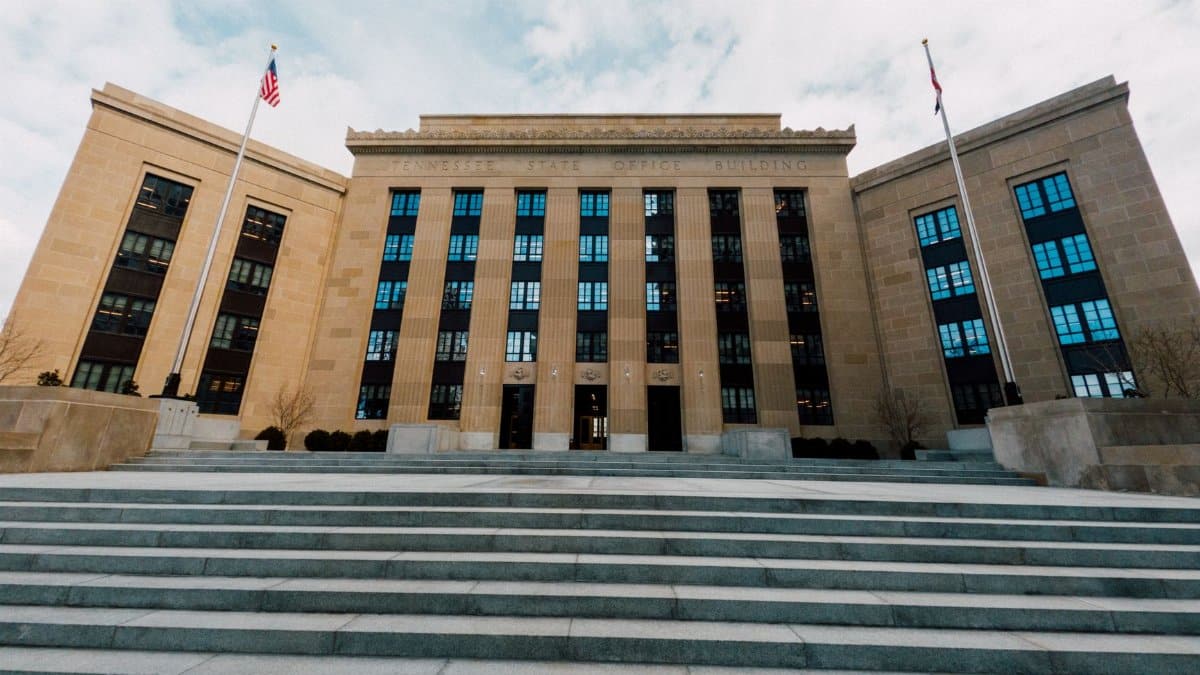
Immigration authorities, when they speak about operations of this kind, typically emphasize legal process: people with prior removal orders, people with criminal convictions, people who missed court dates. They also emphasize officer safety and the claim that street arrests are sometimes the only way to locate someone who will not appear at an office. Those explanations deserve a hearing, because enforcement is not invented by advocates, and federal agencies do not owe the public a narrative written to soothe a county.
They do owe clarity when the public is told, by credible local observers, that more than a dozen people were taken from specific cities before dawn. A number without names is not transparency. A refusal to confirm or deny, repeated often enough, trains communities to trust the hotline more than the agency. That is an institutional cost, whether or not any individual arrest was lawful.
Numbers that stay slippery on purpose

More than a dozen is a floor, not a portrait. It does not say how many people were stopped and released, how many were transferred out of the county by nightfall, or how many of the arrested had deep roots in Petaluma or had arrived only recently. It does not say who had counsel. Early advocate counts can rise as families call in, or fall if a reported stop turns out to have been something else. Responsible coverage holds the number lightly and refuses to invent precision the morning does not yet have.
Still, scale is not the only measure of consequence. Twelve households can reorder a church committee, a soccer team, a restaurant crew. The political effect can be larger than the tally because people who were not arrested also change their behavior. They skip medical appointments. They keep children home. They stop reporting wage theft. Those secondary silences do not appear in an arrest log, and they are part of why Sonoma County ICE arrests remain a civic story rather than a pure crime blotter item.
Lawyers, courts, and the days after the van leaves

Once a person is in federal custody, the path runs through immigration court, detention decisions, and, in some cases, rapid removal. Bond, if available, depends on the charges, the history, and the judge. Families often learn the location of a relative only after several calls. Volunteer lawyers in the Bay Area have spent years building intake systems for exactly this lag, and they will say that the first forty eight hours are when documents get lost and stories get scrambled.
None of that process is a secret, and none of it is simple enough to summarize as a slogan. What residents can reasonably ask is whether people taken from their streets had access to counsel before consequential decisions, and whether local nonprofits were given enough information to do their jobs. A county that prides itself on due process in its own courts should be curious about due process when the court is federal and the defendant lived down the block.
Politics arrives on schedule

Immigration enforcement in California is never only local. It is read in Sacramento and in Washington as a signal about political will. Supporters of aggressive street operations argue that sanctuary policies create the very conditions that make neighborhood arrests necessary. Opponents argue that street operations punish workers and parents to make a point that legislation has failed to settle. Both sides will claim Friday. Neither side, in the first news cycle, is likely to sit with the incomplete list of names.
Sonoma County is a useful place to watch that national argument because it is not an abstraction. The same hills that draw visitors also hold labor camps, suburban cul de sacs, and small cities where everyone knows a teacher or a contractor touched by status questions. When enforcement lands here, it lands among people who vote, donate, and write letters, and among people who cannot safely do any of those things. The political conversation that follows often speaks louder for the first group.
What careful readers should watch next

The next useful facts are ordinary ones. Will federal officials confirm a count, a time window, and the cities named by the North Bay Rapid Response Network? Will any local agency say whether its officers were present? Will families come forward with names, or will fear keep the list partial? Will detention locations become public enough that lawyers can actually find clients? Those questions are answerable. They do not require a theory of the border to be worth asking.
Readers should also watch the correction, if one comes. Early reports of immigration arrests sometimes merge separate incidents or misread a probation sweep. If the Friday account changes, the change belongs in the same public square as the original alarm. Credibility for advocates, for journalists, and for agencies is built the same way: by matching words to what can be shown.
A morning that does not stay in the past tense

By the time most of Santa Rosa had poured coffee, the streets in question looked ordinary again. That is the strange efficiency of this kind of enforcement. The visible disruption is short. The rearrangement of a family is long. People who drove past an empty parking space on the way to work had no reason to know that a neighbor had been taken before sunrise, unless a text message told them.
Sonoma County ICE arrests of the kind advocates described will be debated as policy, as politics, and as law. They will also be lived as absence. A dozen lives, or more, moved from Petaluma, Santa Rosa, and Sebastopol into a federal system that measures success in removals and court completions. The county will measure the same morning in quieter units: a shift unfilled, a pew emptier, a child asking where a parent went before the light came up. Those units do not cancel the legal questions. They keep the legal questions from floating free of the people who have to answer them at the kitchen table.