

On a weekday morning the lobby of a downtown tower hotel still smells of coffee and carpet cleaner, and the staff who know which guest prefers a high floor are the ones who make the building feel inhabited. That ordinary continuity is what is now in question after the Westin Seattle sale, a transfer that will put a new owner and a new operator in charge of one of the city’s largest lodging properties. For travelers the sign may look the same. For the people who change the sheets, the change of control is the story.
A familiar tower with a new name on the deed

The Westin Seattle has long been one of those buildings locals point to without thinking. Twin towers rise over the retail core, close to the convention center, the shopping streets, and the offices that still fill on some weekdays and empty on others. Guests come for meetings, for cruises that begin or end at the waterfront, for family weekends, and for the simple fact that a large brand hotel can absorb a crowd when smaller inns cannot.
A sale does not move the concrete. It moves the obligations. Debt, capital plans, management contracts, and labor arrangements all sit behind the front desk, invisible to someone collecting a room key. When those arrangements change, the building can look identical on Monday and feel different by Friday. That is the narrow space this transaction occupies: not a demolition, not a rebrand announced with fanfare, but a rewrite of who answers for the property.
Ascendant Capital Partners steps in as owner

Reporting in the Seattle Times has identified Ascendant Capital Partners as the buyer. The firm is a real estate investor, the kind of owner that judges a hotel less as a landmark and more as an asset with occupancy, food and beverage margins, and a capital budget that never quite ends. Carpets wear out. Elevators age. Meeting rooms need new lighting if planners are to keep booking them.
An owner of that sort does not have to be heartless to be numerical. Hotels are expensive to hold. Interest costs, insurance, and property taxes do not pause for a slow Tuesday in February. A new owner typically arrives with a thesis: buy at a price that leaves room to renovate, stabilize the books, and either hold for income or sell again when the market is kinder. None of that thesis appears on the pillow menu. All of it shapes whether the pillow menu stays.
HEI Hotels and Resorts takes the keys
Ownership and operation are not the same job. The Seattle Times has also reported that HEI Hotels and Resorts will run the property. HEI is an established lodging operator, accustomed to staffing large hotels, negotiating with brands, and translating an owner’s return targets into schedules, menus, and maintenance calls.
For guests, the operator is the company they actually meet. It hires the general manager, sets service standards, and decides how many people stand at the bell desk on a busy arrival night. A capable operator can make a tired building feel cared for. A thin operation can make a handsome building feel indifferent. The brand on the door, in this case a major global flag, still sets expectations. The operator decides whether those expectations are met at 11 at night when a flight lands late.
Why the Westin Seattle sale is not only a real estate note
Hotel transactions are often written as finance. Price, cap rate, buyer, seller. That language misses the peculiar product. A hotel sells sleep, but it also sells trust that someone will be awake if the alarm fails. The Westin Seattle sale matters because the property is large enough to shape a slice of downtown employment and because it sits in a city still arguing with itself about visitors, offices, and what a healthy weekday looks like.
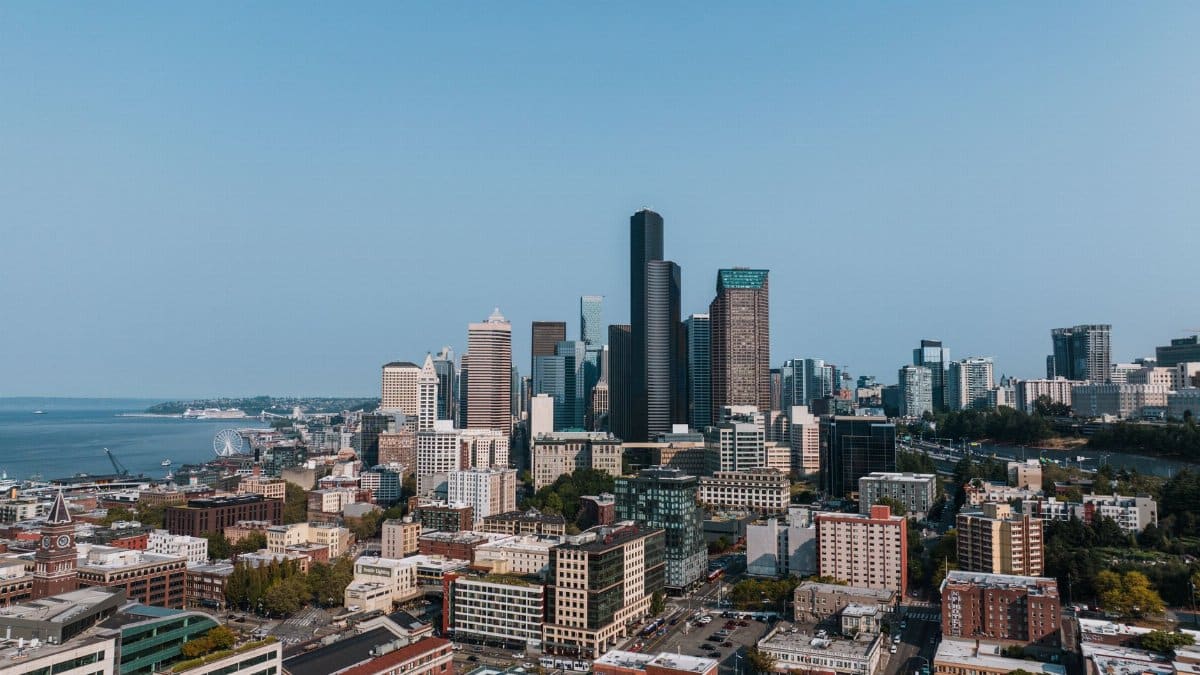
Seattle’s visitor economy is not a side hobby. Conventions, sports, cruise passengers, and tech travelers have all, in different seasons, filled these rooms. When a flagship hotel changes hands, meeting planners notice. So do the restaurants that count on a full house next door, and the taxi and rideshare drivers who know which porte cochere gets jammed at 4. A single sale does not reset the city. It does send a signal about whether investors still want to own rooms here.
Four hundred twenty three layoff notices

The human line in the story is blunt. Notices have gone to 423 workers. In hotel deals this is a grimly familiar sequence. A buyer often declines to assume the existing workforce as a legal matter, which triggers warning notices under federal and state rules, even when the practical plan is to offer many of the same people jobs under the new operator.
The notice is still a notice. Rent does not become theoretical because a lawyer calls the layoff a transition. Workers in housekeeping, engineering, kitchens, banquets, and the front office read a letter and do the arithmetic of groceries and bus fare. Some have been in the building for decades. They know which ice machine fails in summer and which ballroom door sticks. That knowledge is an asset the new operator would be foolish to discard. It is also not a guarantee.
What the union expects to happen next
Labor representatives have said they expect rehiring. That expectation rests on pattern as much as on promise. Large branded hotels rarely open the doors with an entirely new crew. Training a banquet team from zero, in a building with complex event calendars, is slower and riskier than bringing back people who already know the work. Unions in this city have also spent years pressing hotel owners on wages, workloads, and recall rights after the pandemic emptied rooms and then filled them again unevenly.
Expectation is not a contract. The questions that matter now are practical. Who gets an offer, and when. Whether seniority carries. Whether health coverage gaps open between the old payroll and the new one. Whether jobs come back at the same hours or as a patchwork of shorter shifts. A sale can preserve a union relationship and still reset the daily bargain. Workers will judge the new operator by the schedule posted in the first month, not by the tone of a press statement.
The strange theater of the WARN letter

To outsiders, layoff notices that may be followed by rehiring look like bureaucracy staged for its own sake. There is a reason the theater exists. Federal warning rules were written so that a plant closing or a mass layoff would not arrive as a surprise on a Friday. Hotel buyers and sellers have learned to treat the notice as a required step when employment will technically end, even if many names return on a new badge.
The gap between the letter and the outcome is where anxiety lives. A worker who has seen this movie before may shrug and wait for the application packet. A worker who has not may start looking at other hotels, other kitchens, other cities. If too many skilled people leave in that gap, the new operator inherits a building that is harder to run than the spreadsheet suggested. Continuity is not sentimental. It is operational.
What guests will and will not see

Most guests will not know the name Ascendant Capital Partners. They may never know HEI either, unless a comment card or a uniform says so. They will notice if the check in line is long, if the room is clean, if the restaurant is open for breakfast, and if a request for a late checkout is met with help or with a script. Those are the public faces of private decisions about staffing levels and capital.
Renovations, if they come, will be more visible. Owners often wait until after closing to announce a rooms project, because they do not want to spend another firm’s money or to promise a design they have not priced. Guests should not assume that new ownership means an immediate glow up. They also should not assume neglect. The rational owner spends where the spend protects rate: beds, baths, meeting space, and the arrival sequence that photographs well and functions better.
A brand that outlasts its landlords

Flags like Westin are licensed relationships. The sign can remain while the landlord changes, provided the operator keeps the brand standards and pays for the privilege. That arrangement is why a sale can feel invisible from the sidewalk and consequential in the back of the house. Loyalty program points, elite benefits, and the familiar layout of a brand room are designed to travel from city to city. They are not designed to explain a change in ownership.
There is a limit to what a logo can paper over. If service slips, points do not apologize. If a ballroom is dark because a sales team was cut too thin, a planner takes the next event to a rival tower. Brand standards set a floor. They do not staff a floor. The Westin Seattle sale will succeed or stumble on that distinction, long after the closing documents are filed.
Downtown Seattle as the quieter character
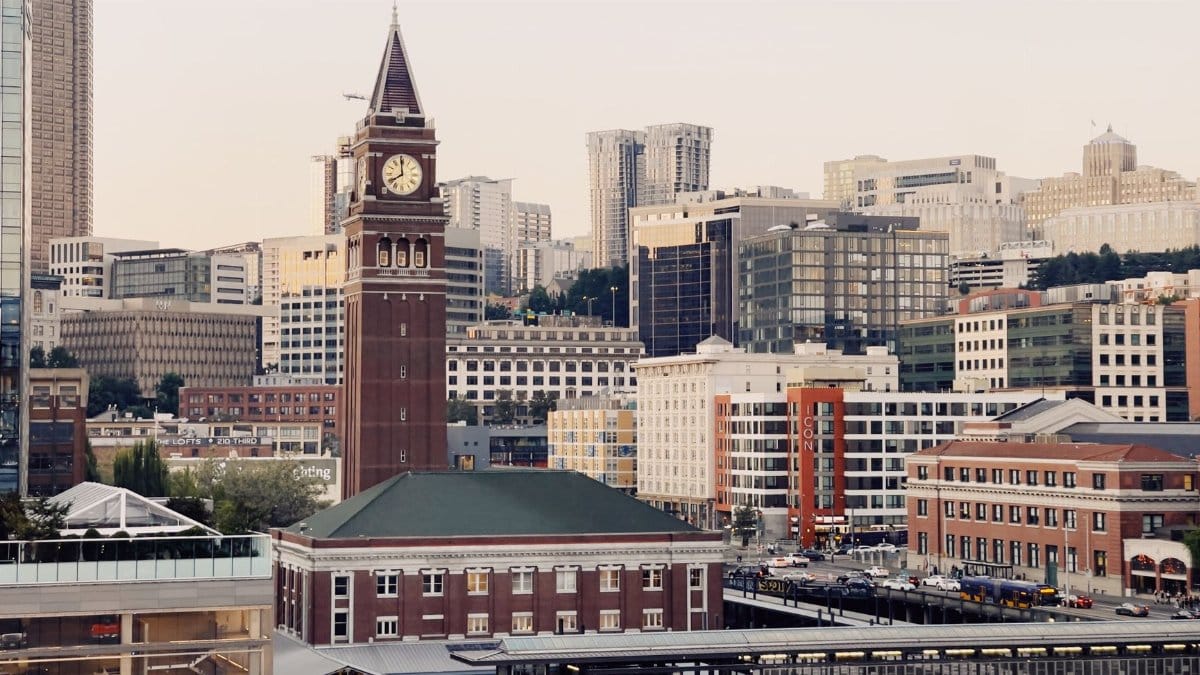
No hotel deal in this city is only about the hotel. Downtown has spent years absorbing empty office floors, street disorder that visitors mention without being asked, and a convention calendar that recovered in fits. Hotels felt that weakness in the form of shorter stays and harder weekdays. They also felt the return, uneven as it has been, when big meetings came back and cruise seasons filled spring and fall.
Investors buying now are making a bet that the trough is more informative than the peak. They are saying, with capital rather than slogans, that rooms in the center of Seattle still have a future. That bet can be wrong. It can also be the precondition for the small improvements guests never credit to a fund: a repaired sidewalk light near the entrance, a kitchen that stays open, a night engineer who is actually on site. Civic recovery is often just a series of private decisions not to give up.
Sellers, timing, and the urge to exit

Every sale has a seller, even when the headlines dwell on the buyer. Owners exit because a fund life is ending, because a loan is coming due, because a partner wants out, or because the next dollar of renovation looks less attractive than a check at closing. None of those motives is a moral failing. They do shape what the buyer inherits. Deferred maintenance is a kind of debt that does not appear in the greeting at the door.
Timing in this market has been unkind to anyone who needed a perfect moment. Rates, insurance costs, and urban reputations have all moved. A deal that closes anyway suggests that buyer and seller found a number both could live with. Readers should be wary of treating that number, even when it is disclosed, as a verdict on the city. It is a verdict on one building, one set of contracts, and one forecast of room nights.
The first ninety days will tell the truth

The useful test is near term. In the first ninety days, workers will learn whether the rehiring talk was real. Meeting planners will learn whether sales calls still get returned. Guests will learn whether the towers feel staffed. Owners will learn whether the underwriting assumed a smoother path than downtown Seattle is willing to provide.
Journalism often treats a closing as the end of the story. For a hotel it is the start of the only story that counts: whether the people inside the building can keep doing precise, tiring work under a new set of bosses. The Westin Seattle sale will be remembered, if it is remembered, not for the name of the fund but for whether 423 livelihoods were treated as a footnote or as the means of running the place.
A city that still needs rooms with someone in them
Seattle does not lack for opinions about tourism. It does lack, on certain weeks, for the boring confidence that a big hotel will be open, staffed, and decent. That confidence is a form of infrastructure. It lets a nurse fly in for a conference, a family afford one central night instead of three complicated transfers, a banquet server count on a Saturday. Ownership changes test that confidence without ever announcing the test.
There is no need to romanticize the work. Hotels are commercial rooms rented by the night, cleaned by people whose names guests rarely learn. The honest measure of this transfer is whether those rooms stay in the rotation of a living downtown, and whether the people who know the building are invited to keep knowing it. If the new owner and the new operator manage that, the Westin Seattle sale will look, in retrospect, like a change of stationery. If they do not, the towers will still stand, and the absence will be felt in paychecks long before it is felt in the skyline.