
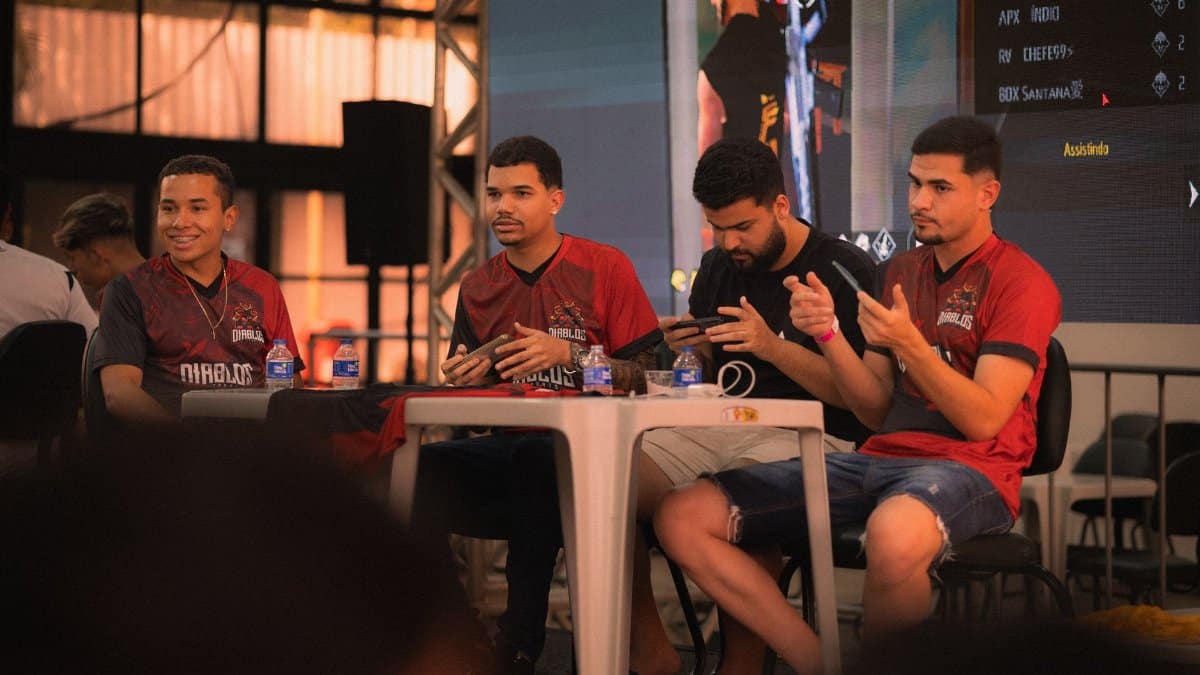
The lights at Casa 0101 dimmed before the first chord, and the room in Boyle Heights answered with a shout that felt older than the night itself. People had come for Chicano Rock: the Women, a festival that placed women of the Eastside punk lineage at the center rather than in the footnotes of a scene too often told through men. Teresa Covarrubias stood near the edge of the light. Monica Carrillo waited with a guitar marked by years of small rooms and loud crowds. What followed was not a museum piece. It was a living argument with the city, delivered at volume.
A theater that already knew the songs
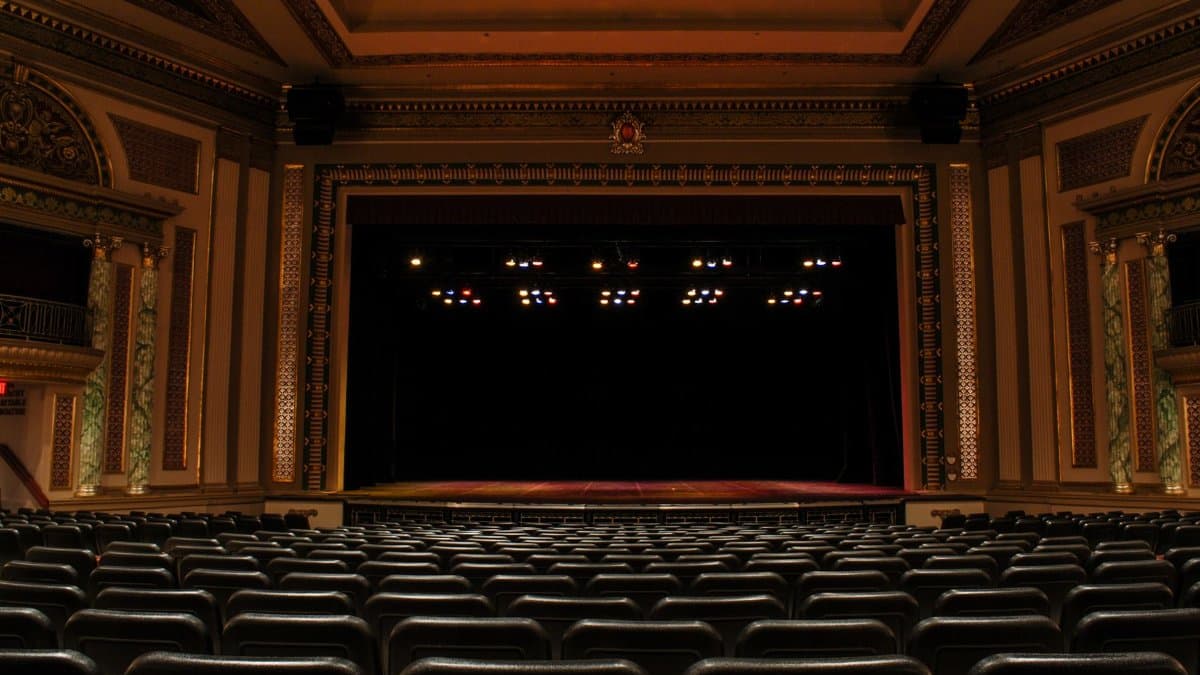
Casa 0101 sits in a neighborhood that has long treated music as public speech. On this night the seats filled with people who had grown up on the Eastside, along with younger listeners who knew the records secondhand and wanted the voices in the room. The festival title did the work of a manifesto without raising its voice. Chicano rock, in this telling, was not a closed chapter. It was a continuing practice, and the women who built so much of it were finally billed as the main event.
The crowd did not behave like an audience at a lecture. People stood when the opening notes landed. They sang lines they had carried for decades. A few wiped their eyes and then laughed at themselves, as if feeling too much were a private joke. The mood was celebratory, but it was not soft. Defiance here looked like staying on the bill after the industry had moved on.
Teresa Covarrubias and the long memory of The Brat

Covarrubias remains one of the clearest voices to come out of the late nineteen seventies East Los Angeles punk and new wave circuit. With The Brat she helped prove that a Chicana singer could front a band that was sharp, melodic, and unwilling to shrink for anyone in the room. At Casa 0101 she did not perform as a relic of that era. She performed as someone who still owns the songs.
Listeners who know the history hear more than melody. They hear the clubs that would not book the band, the reviewers who treated Eastside rock as a curiosity, and the fans who kept the tapes anyway. Covarrubias has never needed to explain that history in a speech. The vocal line does it. When she leans into a chorus, the room recognizes a woman who refused to be edited out.
Monica Carrillo and the Odd Squad current
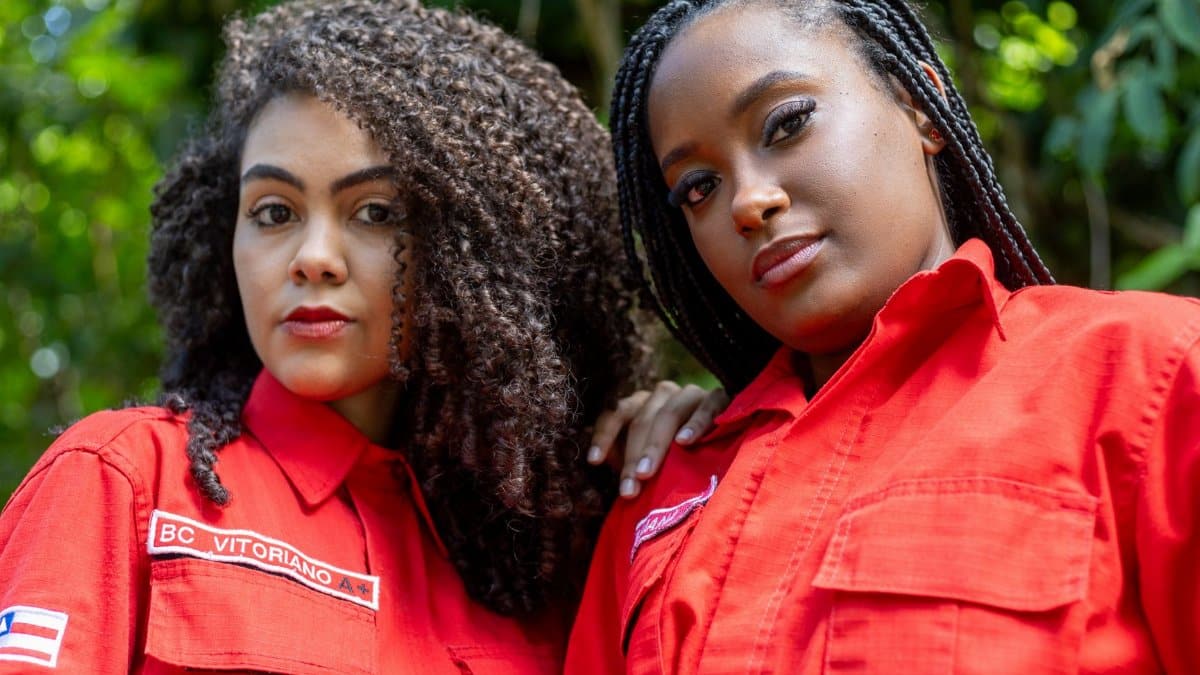
Monica Carrillo brought a different voltage. Her association with Odd Squad places her in a later wave of the same argument: that punk in this city was never only a downtown costume, and that Chicana musicians were writing their own rules about noise, humor, and nerve. On stage she played with the ease of someone who has spent years making difficult rooms feel possible.
What struck people was the lack of apology in her presence. She did not frame the set as a comeback or a tribute. She played as if the work were current, which it was. Younger musicians in the audience watched her hands as much as they watched the crowd. That is how a scene actually travels, not through a plaque but through attention.
Cron66 arrives as a new argument
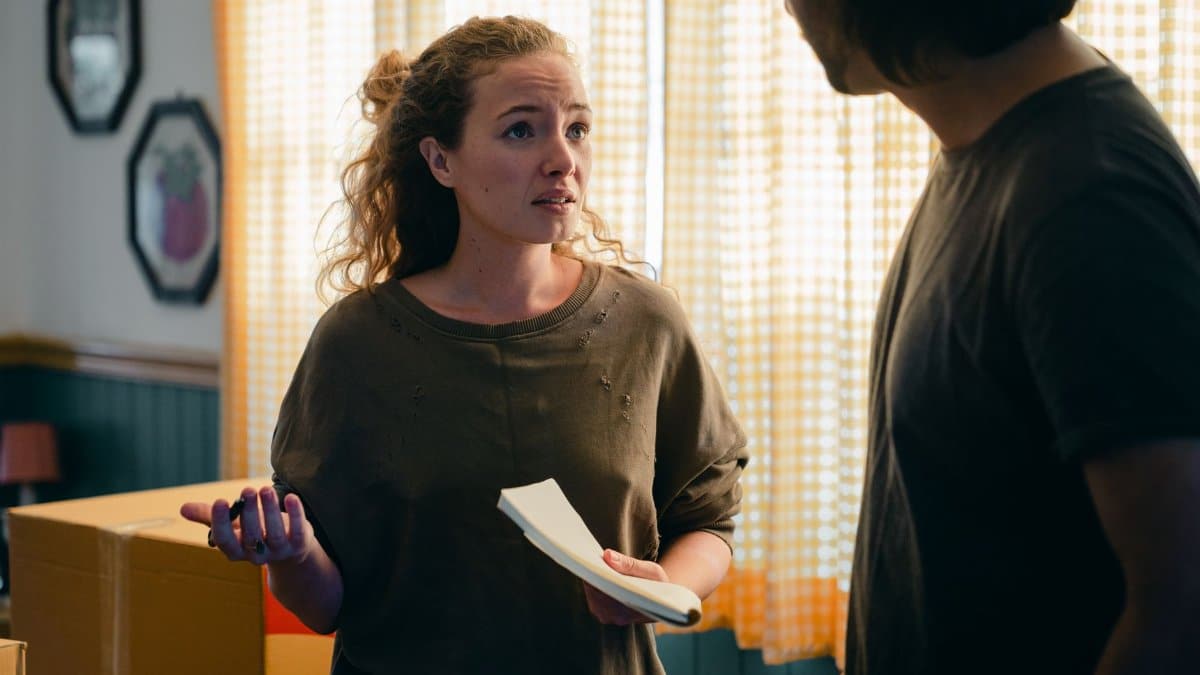
The debut of Cron66 gave the night its forward motion. A supergroup can be a stunt, a way to sell a poster. This one read differently. Putting Covarrubias and Carrillo in the same new band suggested that the archive and the present could share a set list without either one winning. The songs did not sound like a compromise. They sounded like musicians who had decided the old divisions were less interesting than the noise they could make together.
People in the aisles kept asking one another the name, then repeating it, as if testing whether the word would stick. That is the small theater version of history being written. A band does not become legendary in a single set. It becomes possible. Cron66 made that possibility audible.
Why the women were never a side note

For years, popular accounts of Los Angeles punk have centered a handful of famous rooms and a handful of famous men. The Eastside story complicates that map. Women were not waiting in the wings while the real bands formed. They were writing, fronting, booking, and hauling gear. They were also absorbing the double scrutiny that comes with being Chicana in a scene that liked to imagine itself as pure rebellion while still copying the old hierarchies.
Chicano Rock: the Women names that correction out loud. The phrase is plain on purpose. It does not ask the audience to decode a theory. It asks them to look at who is holding the microphone. At Casa 0101, that look changed the temperature of the room. People who had been described as influences were, for a few hours, simply the headliners.
Boyle Heights as witness, not backdrop
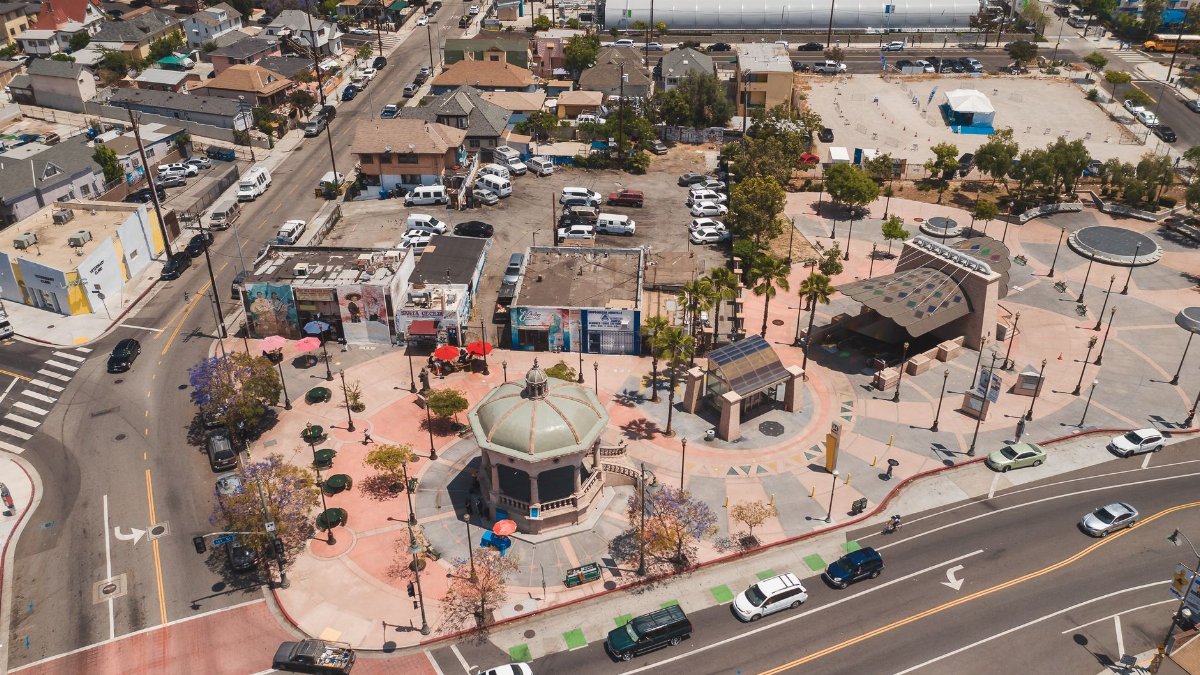
It mattered that the celebration happened here and not in a downtown hall designed to flatten every neighborhood into the same polite roar. Boyle Heights carries its own memory of displacement, of freeways, of murals, of parishes and storefronts and family businesses that have outlasted several official plans for the area. A punk show in that setting is not a field trip. It is a return.
Neighbors and longtime fans stood shoulder to shoulder with people who had crossed the city to be present. Between songs, the talk was about old venues, about cousins who had seen The Brat, about daughters who had found the records online and refused to treat them as homework. The festival worked because the neighborhood was not scenery. It was part of the band.
Defiance without the costume
Defiance is a word that gets worn out in music writing. On this night it had a specific shape. It was Covarrubias refusing the role of gentle elder. It was Carrillo refusing the role of supporting player. It was a crowd that did not need a lecturer to tell it why the songs still mattered. Nobody on stage performed anger as a brand. They performed continuity, which is harder, because it requires showing up again after the first wave of attention has passed.
There is a spiritual dimension to that kind of return, if the word is allowed to mean something other than doctrine. A community gathers, names its dead and its living heroes, and sings in a language of feedback and chorus. The ritual does not ask for belief in a creed. It asks for belief that the people in the room are not finished.
What the next listeners will keep

Festivals can vanish into social media clips by morning. This one has a better chance of lasting because it joined a known history to a new band. Students of the Eastside scene already know The Brat. Fans of the later circuit already know Odd Squad. Cron66 gives those listeners a reason to stay in the present tense. If the group keeps playing, the festival will read less like a reunion and more like a handover.
That handover is the quiet news inside the loud news. Legendary status can freeze a person in a photograph. The Casa 0101 celebration declined the freeze. It let the photograph sweat. Chicano Rock: the Women, as a title and as a room full of people, insisted that the women who made this music are still making it, and that the city should catch up.
After the house lights
When the house lights rose, nobody rushed for the door. People lingered in the aisle, comparing notes on which song had hit hardest and whether Cron66 would book a second show before the month was out. Outside, Boyle Heights went on with its ordinary night. Inside, a small theater had done what small theaters still do better than almost any other civic institution. It had gathered a public around a truth that larger stages keep postponing.
The truth was simple enough to sing. The women were there. They had always been there. And on this night, under their own name, they were not asking permission to remain.