
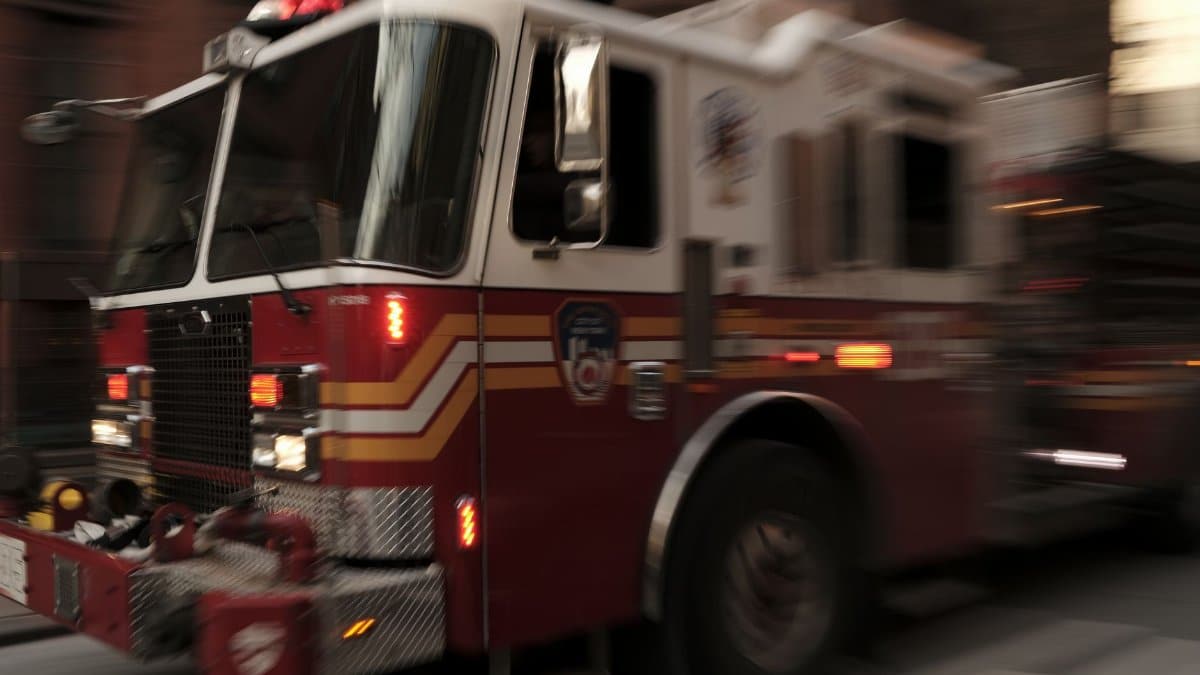
Somewhere in Chicago tonight, a phone will ring at a dispatch console and a clock will begin to run whether anyone in the room notices or not. That is the quiet promise behind the Chicago 911 dispatch system, which city officials say will go fully live on Dec. 7 and automatically record how long it takes officers to reach a caller. For residents who have spent years hearing that help is on the way, the change is less about software than about whether the city can finally show its work.
The Promise of a Measured Minute

For decades, Chicagoans have argued about public safety with stories rather than a shared clock. A neighbor says police arrived in minutes. A parent says the wait felt endless. Both accounts can be true, and neither settles a budget hearing. Automatic tracking is meant to replace that fog with a record that starts when a call is entered and ends when an officer arrives. Officials describe the Chicago 911 dispatch system as the backbone of that record, a single place where the city can see delay instead of debating it. The ambition is simple. The politics are not. A minute is easy to promise at a podium and hard to defend when a family is standing on a porch, listening for sirens that have not yet turned the corner.
A Contract Measured in Tens of Millions
The price tag attached to the upgrade is $75 million, a sum large enough to draw scrutiny even in a city accustomed to expensive technology projects. That money is supposed to buy more than new screens. It is supposed to buy a dispatch platform that can follow a call from the first words of a frightened caller through assignment, travel, and arrival. Supporters say the cost is the cost of modern emergency work. Critics will ask, fairly, what residents received during the years the project sat short of the finish line. A contract of this size is not merely a procurement story. It is a claim on trust. When City Hall spends at that scale, the public is entitled to ask not only whether the machines turn on, but whether the spending changes the experience of calling for help.
Years of Delay and a Moving Deadline
More than three years of delays stand between the original schedule and the Dec. 7 launch. Delay is a familiar word at City Hall, and it rarely arrives alone. Training slips. Interfaces with older computers prove stubborn. Supervisors discover that a process which looked clean on paper breaks when hundreds of people must use it at 2 a.m. None of that excuses a late system. It does explain why emergency technology so often misses its date. A dispatch platform cannot be swapped like a phone. If it fails on a Saturday night, the failure is not a help desk ticket. It is a person waiting. The long runway also means expectations have had time to harden. Residents who heard about a new system years ago may greet the launch with relief, or with the weary question of why it took so long to count minutes the city was already living through.
What Automatic Tracking Actually Records
Automatic tracking sounds absolute, as if a stopwatch could capture the whole of an emergency. In practice it captures defined moments. When did the call reach a call taker. When did a dispatcher assign a unit. When did that unit report arrival. Those intervals matter, and they are not the same thing. A long wait can begin in the phone queue, continue while cars are tied up on other jobs, or stretch across distance on a congested street. The new tools should let managers separate those causes instead of folding them into one vague complaint that police were slow. Precision is useful only if the city publishes it in a form residents can read. A number trapped in an internal report is a management convenience. A number explained in public, with its limits stated plainly, is something closer to accountability.
Dispatchers at the Center of the Change
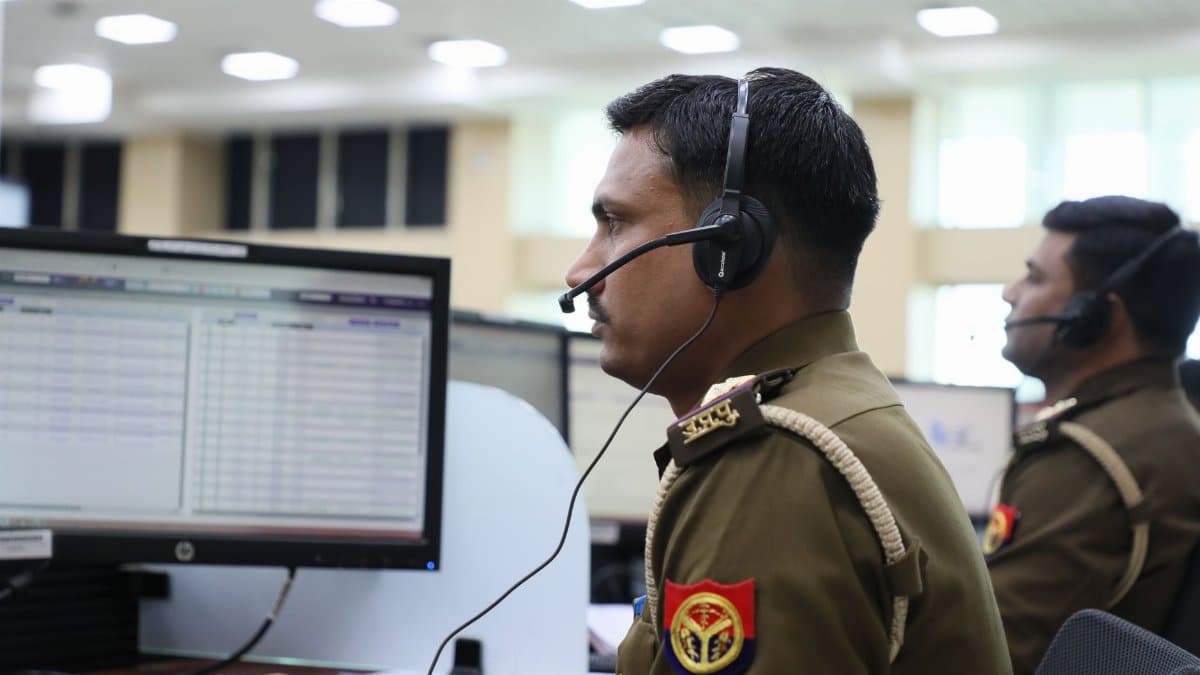
The people who will feel the launch first are not the officials at the podium. They are call takers and dispatchers who already work inside a narrow margin of attention. A new screen can clarify a call or bury a crucial detail under extra clicks. Training will decide which outcome wins. Veterans of the floor know that a calm voice and a correct address still matter more than any dashboard. The Chicago 911 dispatch system can support that work, or it can become another layer of procedure laid over a job that punishes hesitation. City leaders owe those workers a launch that is rehearsed, not improvised, and a willingness to pause if the tools confuse more than they help. Emergency communication is a human craft first. Software can sharpen it. Software cannot replace the judgment of a person who hears fear in a sentence and knows which detail to ask for next.
Response Time Is Not the Whole Story
A fast arrival is not the same as a just outcome, and a slow arrival is not always proof of neglect. Some calls require a cautious approach. Some require more than one unit. Some are downgraded because the danger has passed. If the city treats the new timestamps as a scoreboard and nothing else, it will invite gaming. Officers may feel pressure to mark arrival before they are truly on scene. Supervisors may chase averages instead of the hardest calls. The honest use of the data is diagnostic. It should show where staffing, traffic, call volume, or policy creates delay, and it should do so without pretending that a single number can stand in for safety. Chicago has learned, in other realms of public measurement, that a target can distort the work it was meant to illuminate. Response times will be worth having only if leaders resist the temptation to worship the average.
Streets Where Waiting Feels Personal
Abstract averages hide the geography of fear. A delay of twelve minutes means one thing on a quiet block and another when someone is injured, locked out of a building, or watching a car circle the alley. Chicago has long lived with uneven experiences of police response, and residents in neighborhoods with heavy call volume have reasons to doubt citywide averages. The value of automatic records, if they are broken out by place and by type of call, is that they can make those differences visible without relying on anecdote alone. Visibility is not remedy. It is the start of a remedy. A chart that never leaves an internal meeting is only a newer form of silence. People who have waited on hold, or waited on a corner, do not need a lecture about complexity before they are shown whether their part of the city is being served at the same pace as the rest.
Officers and the Politics of the Clock
Police officers will live under the new clock as surely as dispatchers will. Many already believe they are judged by numbers that ignore the mess of the street: a wrong address, a blocked viaduct, a call that changes from noise to violence while they are en route. Their skepticism is not a reason to abandon measurement. It is a reason to define the measurement in public. What counts as arrival. Which calls are excluded. How the city will handle times that look impossible. If those rules stay inside a manual, the Chicago 911 dispatch system will produce arguments instead of accountability. If the rules are plain, the same data can protect officers from caricature and residents from excuse. A fair clock does not flatter anyone. It tells a city where the minutes went, and it leaves less room for the convenient story that delay is always someone else’s fault.
What Residents Should Watch After Launch

Dec. 7 is a beginning, not a verdict. In the first weeks, the useful questions are practical. Are calls moving through the new screens without lost information. Are response times being captured on routine calls, not only on the ones that draw headlines. Will the city release figures on a regular schedule, with enough detail to compare districts and priority levels. A system that tracks delay in private is a management tool. A system that shares that tracking is a civic one. Residents should also watch for the unglamorous follow up: fixes after the first failures, extra training where error clusters, and a clear line for reporting a call that the computer seems to have mishandled. Launch day photographs will fade. The habit of publication, or the habit of withholding, will tell Chicago what this purchase was really for.
A Test Bigger Than Software
Chicago has bought ambitious systems before and then asked the public to wait for the benefits. The difference this time is that the benefit is supposed to be visible in minutes and seconds. That visibility cuts both ways. If response improves, officials will have evidence. If it does not, they will have evidence of that too, and fewer places to hide. The Chicago 911 dispatch system will not hire more officers, calm a block, or rewrite the long argument over what policing should be. It can, if used with discipline, tell the truth about how long people wait. In a city where waiting has become its own kind of injury, that truth is not a small thing. The test after Dec. 7 is whether City Hall treats the new record as a mirror, or finds a way to look past it.