

On a Thursday morning in mid November, departure boards across the state froze in a way frequent flyers recognize at once. A Federal Aviation Administration ground stop does not arrive with spectacle. It simply holds the next pushback. Families already past security felt the pause in their stomachs. Texas airports absorbed that shock on November 13 and, by the accounts of local aviation managers and airline operations staff, have since returned to a working rhythm. The question now is not whether aircraft are moving. It is whether the rebound can hold through the busiest travel week of the fall.
What a ground stop actually does

A ground stop is a blunt instrument used when the national system cannot safely accept more departures into a constrained patch of sky or a strained airport. Controllers and airline desks stop launches rather than stack airplanes in holding patterns that burn fuel and attention. For passengers the effect looks like a delay. For the system it is a reset. Gates stay occupied. Crews watch their legal duty clocks. Connections that looked comfortable at dawn become impossible by lunch.
On November 13 the stop rippled through hubs that feed the rest of the country. Recovery is not a switch thrown back to on. It is a sequence of releases, crew swaps, and aircraft that must be in the right city before the schedule can look normal again. Officials describe the days after as a climb back to published operations rather than a single announcement of all clear.
How Houston is reading the rebound
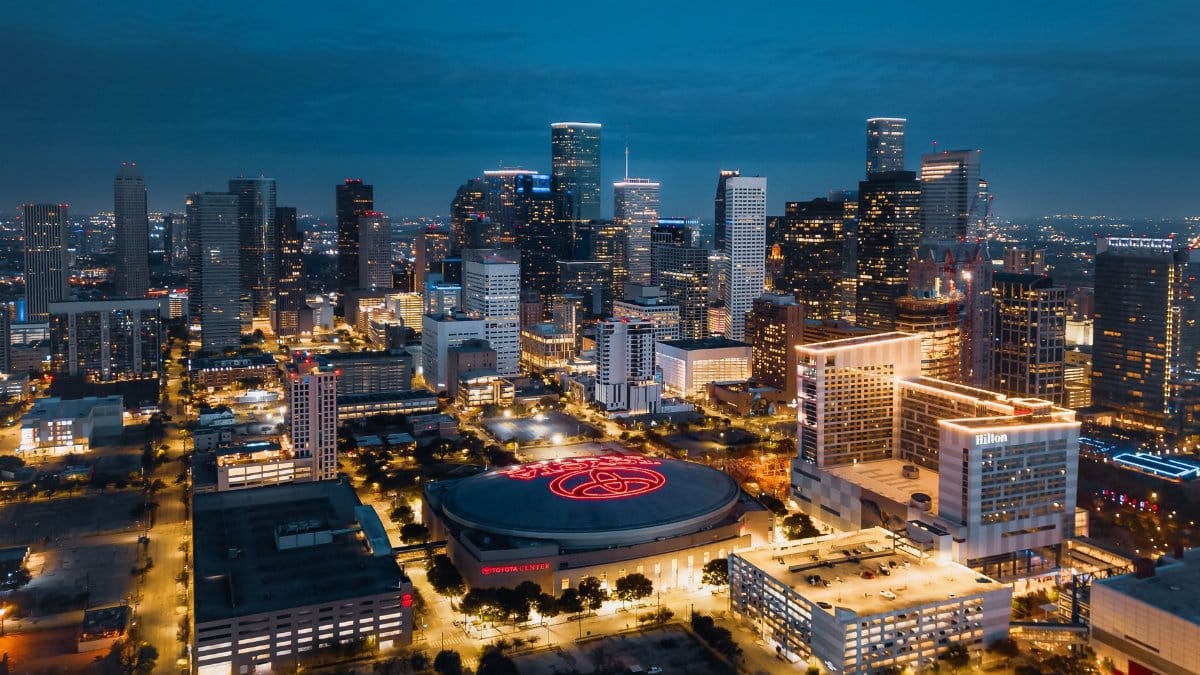
Houston is the clearest public measure of whether the rebound is real. Airport leaders expect about 2 million Thanksgiving passengers at George Bush Intercontinental and William P. Hobby combined. That figure is not a victory lap. It is a planning number, the kind operations teams use to staff checkpoints, stage wheelchairs, and decide how many concession workers should be on the floor before dawn.
Departures are expected to peak on November 25, the Tuesday before Thanksgiving, when outbound leisure traffic and business travelers trying to get ahead of the holiday collide. A peak day tests everything a ground stop stresses: gate turns, bag rooms, and the thin margin between an on time bank of flights and a cascade. If Bush and Hobby move that wave without a second systemwide halt, the recovery story becomes more than a press statement.
Two airports, one holiday load
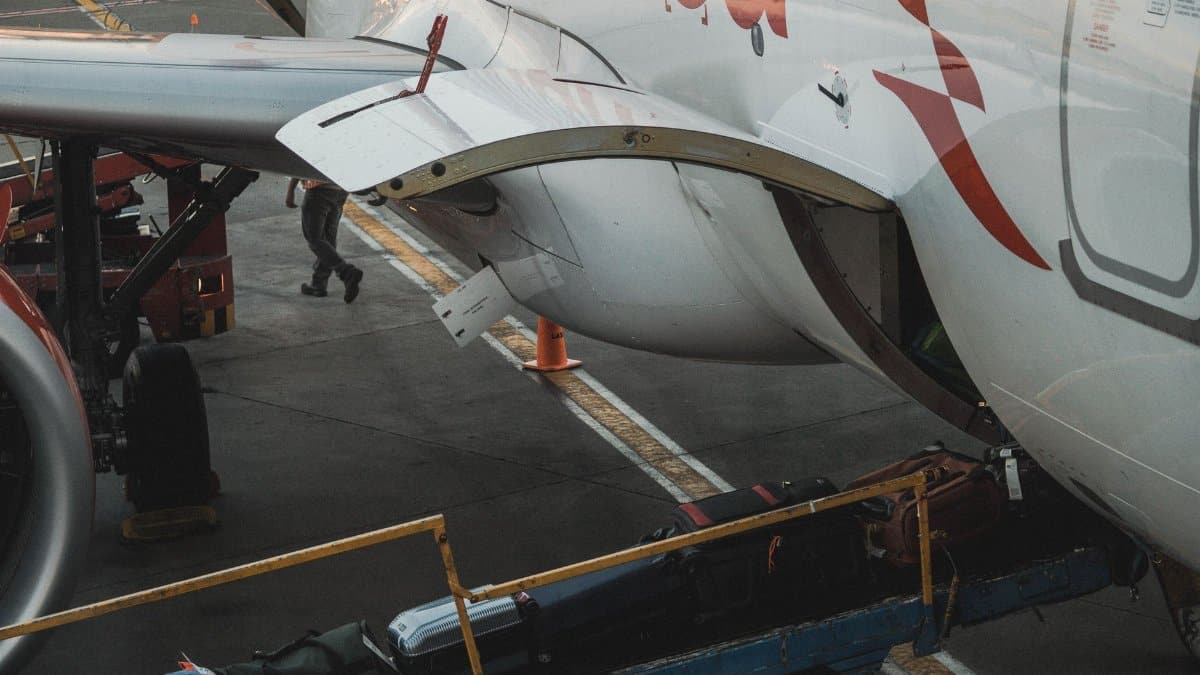
Bush and Hobby do not share a personality. Bush is the long haul machine, with international banks and domestic connections that reach both coasts. Hobby is tighter, more leisure heavy, and quicker to feel a jam in a single concourse. Together they carry the Houston share of a national migration toward family tables.
Splitting the load helps. When one field slows, the other can still launch. That redundancy mattered during the stop and matters again when weather or a runway inspection clips capacity. Passengers rarely think in those terms. They think about which garage filled first and whether the tram or the walk will get them to a gate that has not yet changed.
Why November 25 is the stress test

The Tuesday peak is a known pattern, not a surprise. Airlines build extra sections. Airports add screening lanes. The risk is that extra capacity assumes crews and airplanes are where the schedule says they are. A ground stop earlier in the month can leave a residue: a captain out of position, a widebody that overnighted in the wrong city, a maintenance slot that slipped.
November 25 will show whether that residue has cleared. If morning banks leave close to plan, afternoon international departures have a chance. If the first wave slips, the rest of the day inherits the debt. Travelers who can choose a flight should treat that Tuesday as the day when small delays are most likely to grow, not as a day when the system has spare kindness.
Crews, clocks, and the invisible recovery

Passengers see gates and apps. The recovery lives in crew legality and aircraft routing. A pilot who hits a duty limit cannot simply stay later because a family needs to make a connection in Dallas or a wedding in San Antonio. Airlines must rebuild pairings, sometimes with reserve crews who were not on the original plan. That work is quiet and expensive, and it is why a schedule can look full online while specific flights still cancel.
I have stood at a gate where the inbound aircraft was thirty minutes out and the crew was already timing out, and the calm voice on the speaker could not change the math. That memory is useful here. Recovery means the math works again, not merely that the board is lit.
What passengers actually encountered
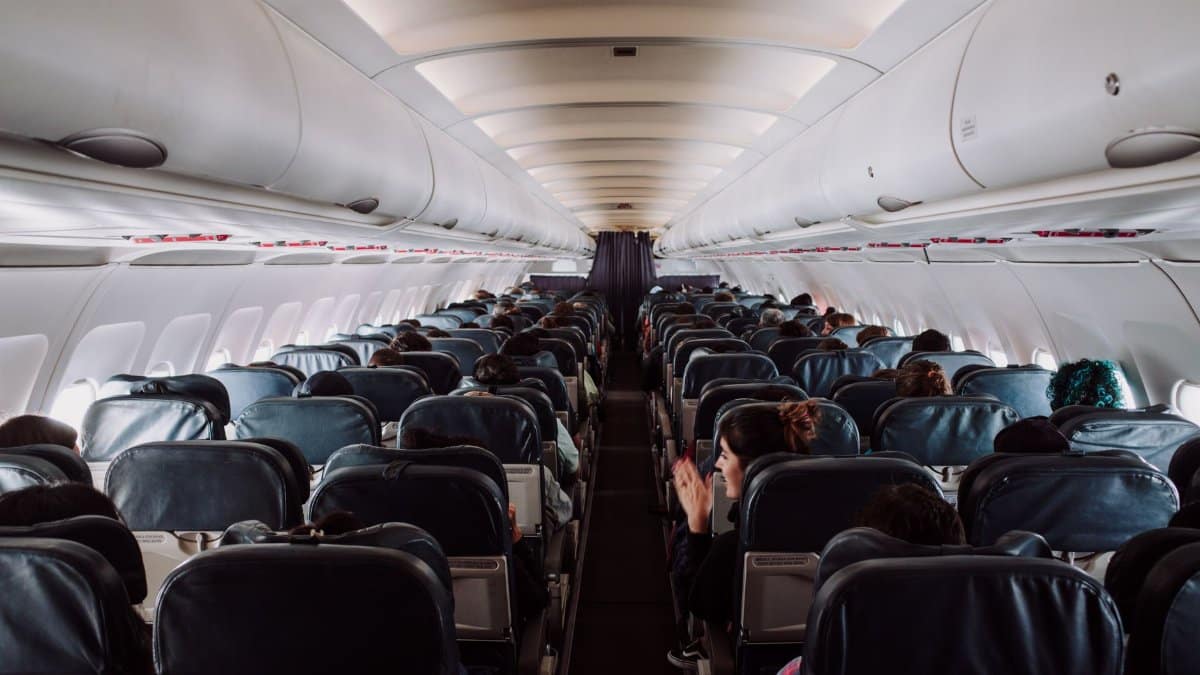
In the hours after the stop, the practical burdens were familiar and still miserable. Rebooking lines formed where kiosks could not solve a broken connection. Hotel desks near the airports filled. Parents with small children negotiated floor space. People who had built the trip around a single nonstop watched it become two flights and a midnight arrival.
Those stories fade faster in official tallies than they do in family group chats. A recovered operation can still leave individuals holding vouchers, missed shifts, and a suspicion that the next disruption will be handled the same way. Trust returns more slowly than departures. Airports that communicate early, in plain language, about what is delayed and what is canceled earn some of that trust back. Silence spends it.
Beyond the Houston pair

Texas airports outside the Houston pair felt the same national pause and the same uneven climb back. Dallas Fort Worth and Love Field sit on a different connecting logic, heavy with domestic transfers. Austin and San Antonio carry fast growing leisure and tech traffic that has less slack when a bank breaks. Smaller fields, from El Paso to the Valley, depend on a handful of daily turns. When those turns slip, there is often no later flight the same day.
A statewide recovery therefore cannot be judged only by the busiest terminals. It shows up when a regional jet leaves on time for a city with one evening option, and when bags that missed the first flight catch the second without a second night in a sorting room. That standard is stricter than a headline about normal operations, and it is the one many travelers will use.
Weather and staffing still set the ceiling

Even a clean recovery from November 13 does not grant immunity for Thanksgiving week. Gulf moisture, a stalled front, or low ceilings can cut arrival rates at Bush without any federal order. Staffing at checkpoints and in towers remains a separate constraint. A full schedule on paper meets a shorter reality when lanes are closed or when controllers must widen spacing.
The honest forecast is conditional. Planes are flying. The holiday plan assumes they keep flying inside weather and workforce limits that no airport director fully controls. Travelers who build a buffer, who avoid the last flight of the night, and who keep essential medicine in a carry on are not being timid. They are reading the system as it is.
Practical choices for the week ahead

The useful advice is unglamorous. Check in early even if the app says the flight is fine. Watch the inbound aircraft, not only the departure time printed on the boarding pass. If a connection is under an hour at a large hub, assume it is fragile. Know which terminal holds the next option, and know whether that option is the same airline or a separate ticket that will not protect a missed bag.
For drivers, garage capacity on November 25 will tighten before the security line does. Ride services surge in price when several banks land together. People meeting arrivals should agree on a door and a time rather than circling. None of this restores a flight that a ground stop already broke. It reduces the chance that a normal holiday delay becomes a personal crisis.
What officials are watching next

Operations leaders will watch three signals. First, whether morning departure rates on November 25 match the plan. Second, whether cancellations stay in the ordinary range rather than clustering after a single constraint. Third, whether mishandled bags and wheelchair waits stay inside targets once the 2 million passenger stretch is underway. Those metrics are dull. They are also the difference between a recovered system and a system that only looks recovered until the crowd arrives.
Airlines will watch crew reserves. Airports will watch checkpoint throughput. The FAA will watch whether any local slowdown threatens to become another national hold. Coordination among those desks is the uncelebrated part of a rebound. When it works, the public never learns the near misses.
The quieter purpose of the trip
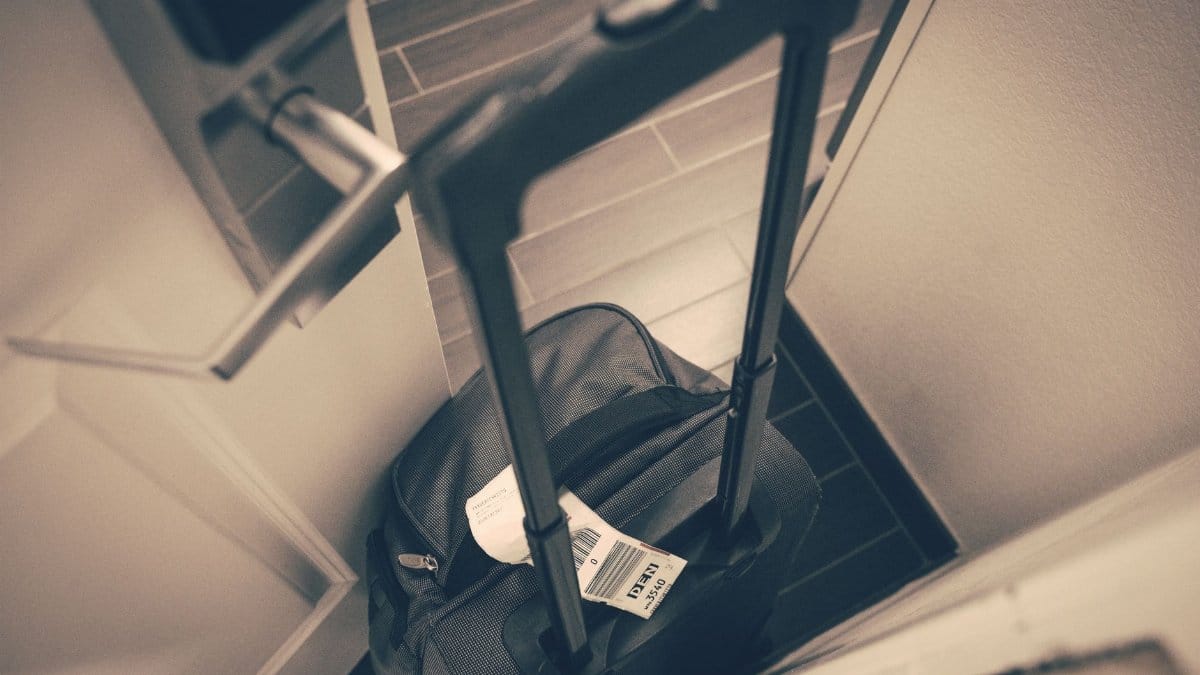
Thanksgiving travel is a secular pilgrimage with a spiritual undertone that does not require a sermon. People cross the state and the country to sit in rooms where they are known. A ground stop interrupts that movement, and a recovery restores the possibility of arrival. That is a modest claim, and it is the right size. No airport can guarantee a peaceful table. It can keep faith with the schedule closely enough that the people who bought the ticket have a fair chance to keep theirs.
Texas airports have, on present evidence, climbed out of the November 13 halt. Houston is betting that Bush and Hobby can carry roughly 2 million holiday passengers, with the heaviest departures on November 25. The boards are moving. The test is whether they keep moving when the state tries, all at once, to go home.